Table of Contents >> Show >> Hide
- 1. Turn Almost-Anything into a Stir-Fry or “Kitchen Sink” Frittata
- 2. Save Tired Veggies with Soup, Stew, or Sauce
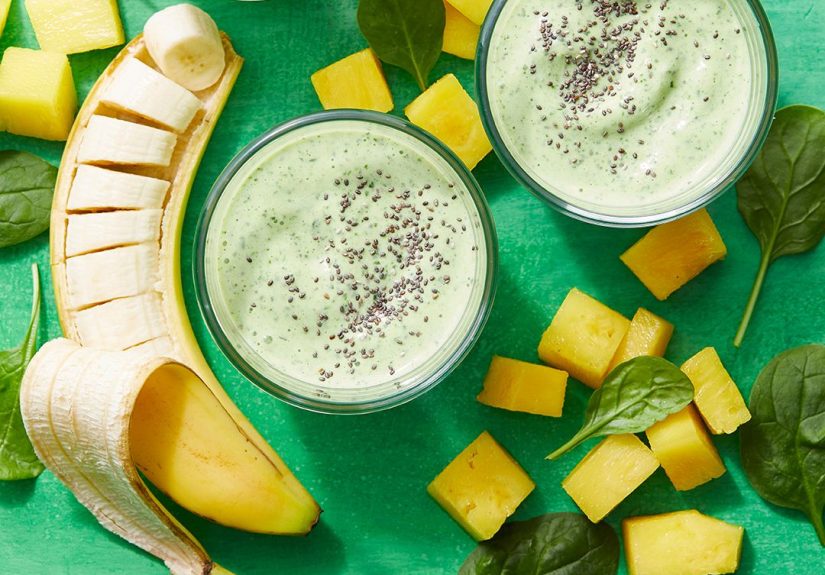
- 3. Blend Bruised Fruit into Smoothies, Popsicles, and “Nice Cream”
- 4. Freeze Produce at Peak Ripeness
- 5. Pickle Veggies Before a Trip or Busy Week
- 6. Turn Scraps into Broth, Chips, and Croutons
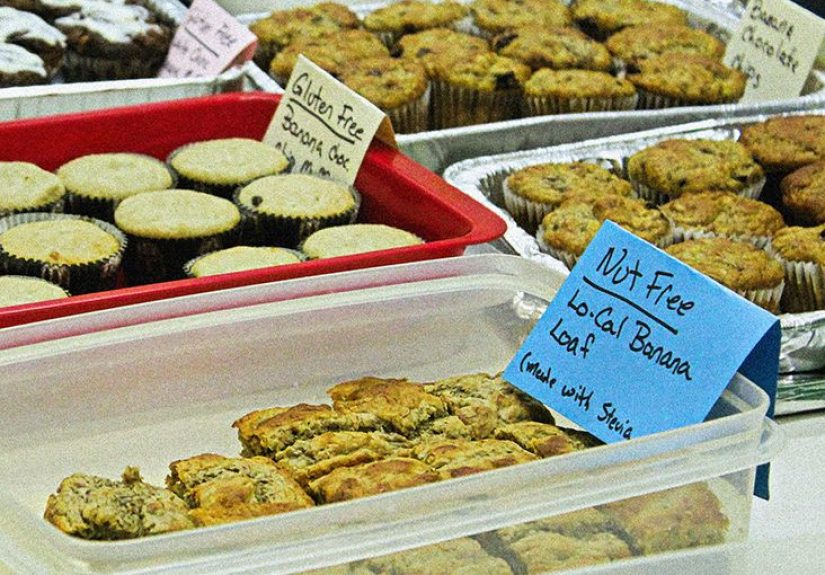
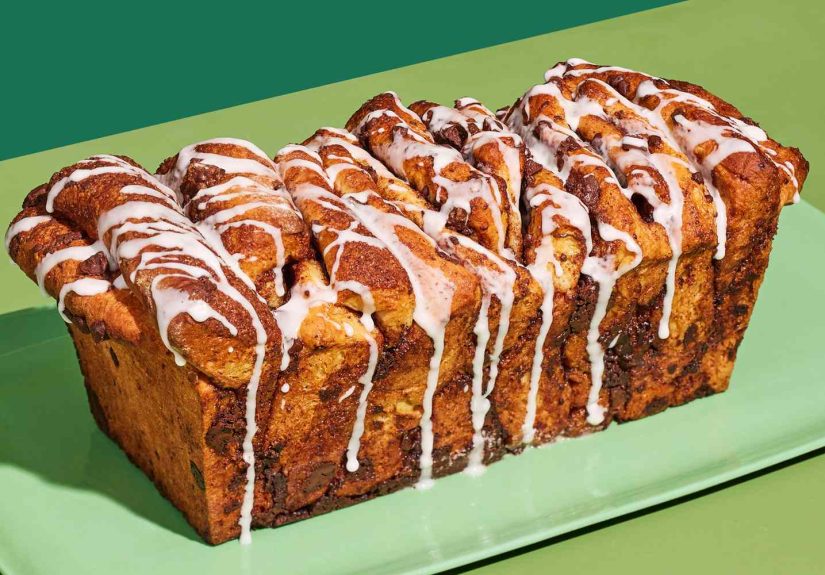
- 7. Bake Leftover Produce into Quick Breads, Muffins, and Desserts
- 8. Prep “Snack Boxes” and Salad Kits for the Week
- 9. Make Sauces, Salsas, and Pestos from Herbs and Odds & Ends
- 10. Store Produce the Smart Way So It Lasts Longer
- Extra Tips to Reduce Food Waste While You Use Up Produce
- Real-Life Experiences: What Happens When You Truly Commit to Using Up Produce
If you’ve ever discovered a sad, bendy carrot at the back of the crisper and whispered “I meant well,” you’re not alone. The average American family of four wastes roughly $1,500 worth of food each year, much of it fresh fruits and veggies that never get their moment to shine. That’s rough on your wallet and the planet. Using up produce before it goes bad is one of the simplest ways to reduce food waste, save money, and still eat really, really well.
Good news: you don’t need chef training, canning equipment, or a backyard farm to make it happen. With a bit of creativityand a willingness to toss the “perfect recipe” mindsetyou can turn limp greens, bruised fruit, and leftover veggies into delicious meals, snacks, and even desserts.
Below are 10 creative, practical ways to use up produce before it spoils, inspired by food-waste tips and recipes from U.S. government agencies, nutrition experts, and zero-waste cooks. Use these as a playbook to clean out your fridge, not your bank account.
1. Turn Almost-Anything into a Stir-Fry or “Kitchen Sink” Frittata
When in doubt, stir-fry it out. Stir-fries and frittatas are the ultimate “kitchen sink” meals: toss in leftover vegetables, wilted greens, and even a few stray herbs, and suddenly you have dinner.
How to do it
- Stir-fry: Slice leftover veggies roughly the same size so they cook evenlythink bell peppers, broccoli stems, carrots, snap peas, mushrooms, cabbage, or green beans. Start with oil, garlic, and onion (or leek tops) in a hot pan, then add sturdier vegetables first and soft ones last. Finish with soy sauce or your favorite stir-fry sauce.
- Frittata: Whisk eggs with a splash of milk, salt, and pepper. Sauté leftover cooked or raw vegetables in an oven-safe skillet, pour the eggs on top, sprinkle with cheese if you like, and bake until set. It’s one of the best ways to use up vegetables in one shot.
Both dishes are endlessly flexible and help you use up small quantities of produce that would otherwise get ignored.
2. Save Tired Veggies with Soup, Stew, or Sauce
Soup is like the friend who doesn’t care if you’re having a bad hair day. A lot of vegetables that look a little tiredsoft carrots, slightly limp celery, wrinkly tomatoesare still perfectly safe and tasty in soups, stews, or thick sauces.
How to do it
- Start with aromatics such as onion, garlic, celery, or carrots.
- Add chopped vegetables in any combination you likepotatoes, squash, peppers, zucchini, greens, or tomatoes.
- Pour in broth, canned tomatoes, or water and simmer until everything is soft.
- Blend partially or fully for a creamy texture, or leave it chunky.
You can do the same with pasta sauce: grate or finely chop leftover veggies and cook them into tomato sauce. Nobody will complain about extra flavor and fiber.
3. Blend Bruised Fruit into Smoothies, Popsicles, and “Nice Cream”
Fruit doesn’t have to look good to taste good. Slightly bruised apples, browning bananas, mushy berries, and overripe mangos are smoothie superstars.
How to do it
- Smoothies: Freeze chopped fruit on a tray, then store in containers or bags. Blend with milk, yogurt, or a dairy-free alternative; add spinach, nut butter, or oats for extra nutrition.
- Popsicles: Puree fruit with a bit of juice or coconut water and freeze in molds. This is perfect for kids and for that version of you who wants dessert every night.
- Banana “nice cream”: Freeze very ripe banana slices, then blend until creamy. Swirl in cocoa powder, peanut butter, or frozen berries.
This is a fun way to use up produce and satisfy your sweet tooth without tossing perfectly good fruit.
4. Freeze Produce at Peak Ripeness
If you know you’re not going to get through your produce in time, freeze it before it crosses over to the dark side. Freezing stops the clock and keeps nutrients, color, and flavor for months.
What freezes well?
- Berries and stone fruits: Rinse, dry, and freeze on a baking sheet before transferring to bags.
- Bananas: Peel, slice, and freeze for smoothies or baking.
- Leafy greens: Blanch tougher greens like kale or collards for a minute, then freeze.
- Peppers, onions, and celery: Chop and freeze; use straight from the freezer in soups, stews, and sautés.
Label containers with the date and what’s inside. Your future self will thank you when you throw together dinner from your “frozen farmers market.”
5. Pickle Veggies Before a Trip or Busy Week
Headed out of town or staring down a packed schedule? Quick pickles are your best friend. Dietitians often recommend pickling leftover veggies instead of tossing themespecially carrots, cucumbers, onions, and even leftover broccoli stems.
How to do it
- Pack sliced vegetables into a clean jar.
- Heat equal parts vinegar and water with salt and a bit of sugar until dissolved.
- Pour the hot brine over the vegetables and cool.
- Refrigerate and enjoy within a week or two.
These quick pickles are great on sandwiches, grain bowls, tacos, or as a salty snack that makes your fridge feel like a deli counter.
6. Turn Scraps into Broth, Chips, and Croutons
Before food waste, there’s “food almost-waste.” Things like vegetable peels, herb stems, and bread heels are often perfectly edible when you give them a second life.
Ideas to try
- Veggie scrap broth: Keep a bag in your freezer for onion skins, carrot ends, celery tops, herb stems, and mushroom stems. When the bag is full, simmer with water for 45–60 minutes, strain, and you’ve got homemade stock.
- Potato peel chips: Toss clean potato peels with oil, salt, and spices, then bake until crisp. You’ll never look at “trash” the same way again.
- Croutons from stale bread: Cube bread, toss with olive oil, garlic powder, and herbs, then bake until crunchy.
Scrap cooking makes your grocery budget go further and keeps perfectly usable food out of the trash.
7. Bake Leftover Produce into Quick Breads, Muffins, and Desserts
Many classic baked goods started as clever ways to use produce that was past its prime. Think banana bread, zucchini bread, apple muffins, and pumpkin everything.
What works well in baked goods?
- Mashed bananas or cooked apples to replace part of the butter or oil.
- Grated zucchini or carrots in muffins, loaves, or cakes.
- Overripe berries or stone fruits folded into crisps, cobblers, or galettes.
- Canned pumpkin or leftover roasted squash in brownies or bars.
If the texture is a little off but the produce still smells and tastes okay, chances are it will be perfect once it’s hidden inside a warm, fragrant baked treat.
8. Prep “Snack Boxes” and Salad Kits for the Week
Sometimes produce goes bad simply because it’s not convenient. We eat what’s easy to reach. Turning your fridge into a mini salad bar makes it much more likely you’ll grab veggies before they wilt.
How to do it
- Wash and chop carrots, celery, bell peppers, cucumbers, and broccoli into bite-size pieces.
- Store them in clear containers or divided produce boxes so you can see what you have.
- Portion fruit like grapes, berries, or sliced apples into small containers.
- Prep a big bowl of salad greens and keep dressing separate so it doesn’t get soggy.
This approach borrows a trick from meal kit companies and restaurants: make the good choice the easy choice. You’ll snack on veggies and fruit long before they start to wilt.
9. Make Sauces, Salsas, and Pestos from Herbs and Odds & Ends
That half-bunch of cilantro or basil doesn’t need to die a lonely, slimy death in your crisper drawer. Blend herbs, leafy greens, and small scraps into flavorful sauces that instantly upgrade basic meals.
Ideas to try
- Pesto: Blend basil, parsley, or carrot tops with olive oil, garlic, nuts or seeds, and Parmesan (or a vegan alternative). Toss with pasta, drizzle on roasted vegetables, or spread on sandwiches.
- Salsa: Combine tomatoes (even slightly soft ones), onions, jalapeños, and herbs in a blender or food processor. Use for tacos, eggs, or grain bowls.
- Green sauce: Blend leftover greens and herbs with yogurt or sour cream, lemon juice, and garlic for a quick dip or salad dressing.
These sauces are forgiving and flexible, and they turn “random bits in the fridge” into something restaurant-worthy.
10. Store Produce the Smart Way So It Lasts Longer
Finally, one of the best ways to use produce before it goes bad is to give it more time. Proper storage slows spoilage, protects nutrients, and keeps everything fresher.
Smart storage tips
- Use your fridge’s crisper drawers to separate fruits and vegetables. Many fruits give off ethylene gas that speeds ripening in nearby produce.
- Store leafy greens in breathable bags or containers lined with a dry towel to absorb excess moisture.
- Keep berries dry; rinse them right before you eat them, not before storage.
- Store potatoes, onions, and garlic in a cool, dark, dry placenot in the fridge.
- Rotate older produce to the front of the shelf so you see and use it first.
With smarter storage, you’ll throw away less and cook more, without feeling like you’re constantly racing the clock.
Extra Tips to Reduce Food Waste While You Use Up Produce
Using up produce isn’t just about recipesit’s also about habits:
- Plan loose, not perfect: Instead of rigid meal plans, think in categories: “stir-fry,” “soup,” “grain bowl,” “pasta.” That way, you can plug in whatever produce you have.
- Designate a “use-me-first” bin: Keep one container in your fridge where you stash anything that needs to be eaten soon.
- Learn the difference between “use by” and “best by” dates: These are often about quality, not safety. Use your senses and trusted food safety guidelines.
- Compost what you truly can’t save: If something really is past its prime, composting is a more eco-friendly option than tossing it in the trash where it contributes to methane emissions in landfills.
Every small step you take adds up: less waste, more flavor, and a fridge that no longer scares you.
Real-Life Experiences: What Happens When You Truly Commit to Using Up Produce
So what does this look like in real life, beyond the pretty idea of a zero-waste kitchen? Here are some practical, lived-in experiences that show how “using up produce before it goes bad” can actually change the way you shop, cook, and eat.
1. The “Sunday Sweep” Ritual
Many home cooks swear by a weekly “fridge sweep.” On Sunday (or whatever day works), they pull out every last vegetable, herb, and piece of fruit that’s lingering. Instead of feeling guilty, they turn it into a game: What can we make with this pile?
One week it might become a giant sheet pan of roasted vegetables that get repurposed into grain bowls, wraps, and sides. Another week, it’s a big pot of vegetable soup plus a smoothie prep session. Over time, families see patterns: maybe they always have leftover spinach or too many apples, so they adjust their shopping list. That’s the hidden power of the “sweep”it teaches you what you actually eat, not what you wish you ate.
2. Kids Who Snack on Veggies Because They’re Front and Center
Parents often find that simply washing, chopping, and placing fruits and vegetables in eye-level containers transforms snack time. Instead of rummaging for crackers, kids open the fridge and see bright, ready-to-eat produce: carrot sticks with hummus, sliced cucumbers, grapes, and berries in small jars.
This doesn’t mean every kid suddenly becomes a kale enthusiast, but it does mean those cucumbers are more likely to get eaten before they go slimy. It also reduces the “what’s there to snack on?” conversation. When healthy options are easy, they quietly become the defaultand less food goes to waste.
3. Discovering Your “Signature Fridge-Cleaning Meal”
Most people who are serious about cutting down food waste end up with a go-to dish they can cook almost on autopilot using whatever produce is left. For some, it’s a frittata. For others, it’s fried rice, curry, chili, or burrito bowls.
Once you build this habit, something funny happens: instead of dreading odd leftovers, you start to see them as ingredients waiting for your signature move. Half a zucchini, some spinach, a lone carrot, and leftover roasted sweet potatoes might sound random, but in a big skillet with eggs or rice, they suddenly make sense.
4. Less Stress Before Trips and Busy Weeks
Travel used to mean tossing a sad bag of produce right before leaving for the airport. People who’ve embraced creative use-up strategies handle it differently. A few days before a trip, they roast or sauté whatever they have left, freeze some items, and pickle others.
Leftover berries and bananas get blended into smoothies and frozen as popsicles. Carrots, cucumbers, and radishes become quick pickles that are ready to enjoy when they return. Herbs get whirled into pesto and frozen in small portions. Not only do they come home to less mystery mush in the fridge, but they also feel like they “banked” flavor for later instead of throwing money away.
5. A Shift in Mindset from “Perfect” to “Practical”
Maybe the biggest transformation is mental. Instead of seeing produce that’s slightly wilted or bruised as a failure, people who get comfortable with these creative tricks see it as a normal part of real-life cooking. Not every tomato will be Instagram-worthy, but it can still make an amazing sauce. Not every apple needs to be crisp enough for a salad to be perfect baked into a crumble.
This mindset shift takes away a lot of guilt. You start to view your kitchen as a flexible system rather than a test you’re constantly failing. You experiment more, improvise more, and feel more confident stretching your budget and your ingredients.
In the end, using up produce before it goes bad isn’t just about avoiding wasteit’s about building a kitchen rhythm that works with your real life. A little planning, a few go-to recipes, and a willingness to get creative can turn a crisper drawer full of “uh-oh” into meals you’re actually excited to eat.