Table of Contents >> Show >> Hide
- 1. Bloodletting
- 2. Radium Water
- 3. Thalidomide
- 4. Mercury as a Treatment
- 5. Lobotomies
- 6. The Use of Cocaine in Medicine
- 7. Fad Diets like the Tapeworm Diet
- 8. Electric Shock Therapy for "Hysteria"
- 9. Radium Dial Painters
- 10. The Ketosis Diet (in its early form)
- Conclusion
- Personal Experiences with Dangerous Health Fads
Introduction:
Throughout history, medicine and health fads have evolved dramatically. However, some medical treatments and health trends of the past have left people in harm’s way. Whether driven by the pursuit of beauty, the desire for better health, or the hope of finding a miracle cure, many once-popular practices have proven to be dangeroussometimes with deadly consequences. In this article, we’ll explore 10 of the most dangerous health fads and medical treatments from the past, highlighting their risks and the lessons we can learn from them.
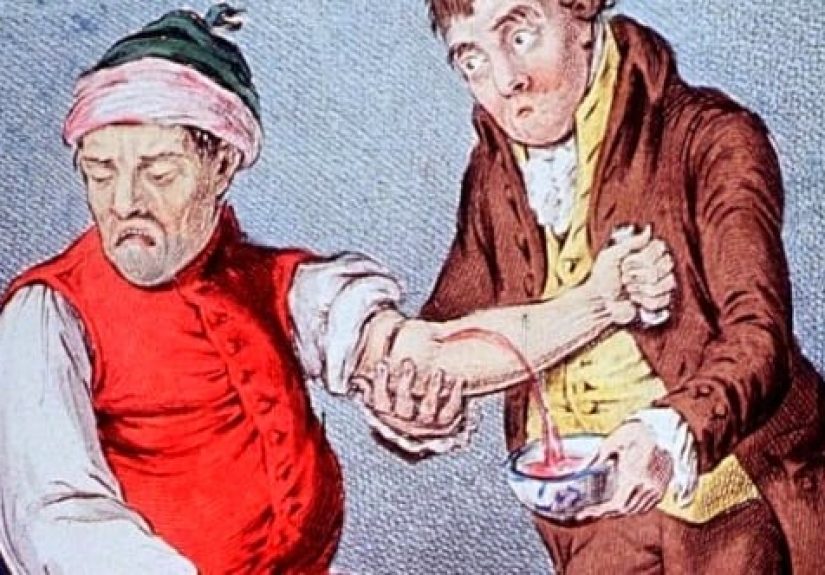
1. Bloodletting
Bloodletting is one of the oldest medical practices, dating back to ancient times. It was believed that removing blood from the body would balance the four humors and cure ailments like fever, headaches, and even the plague. Unfortunately, bloodletting often caused more harm than good, leading to severe blood loss, weakened immune systems, and sometimes death. Despite its dangerous consequences, it remained a standard treatment for centuries until more modern medical practices replaced it.
2. Radium Water
In the early 20th century, radium was touted as a cure-all. Radium-infused water was marketed as a miracle drink that could heal everything from cancer to poor digestion. People even bathed in it, believing it would revitalize their bodies. Unfortunately, radium is a radioactive substance, and long-term exposure can lead to radiation poisoning and cancer. Many individuals who drank radium-laced water suffered from bone necrosis and other serious health problems, leading to its eventual ban.
3. Thalidomide
Originally sold as a mild sleeping pill in the late 1950s, thalidomide became a popular medication for pregnant women suffering from insomnia and nausea. Tragically, it was soon discovered that thalidomide caused severe birth defects, including missing or malformed limbs. The drug was withdrawn from the market in the early 1960s, but not before it had caused thousands of birth defects, highlighting the importance of rigorous testing and regulation in pharmaceuticals.
4. Mercury as a Treatment
Mercury has been used in various forms of medicine for centuries, especially in the treatment of syphilis and as a general tonic. Despite its toxicity, mercury was often used in creams, ointments, and even inhaled vapors. Prolonged exposure to mercury can cause neurological damage, kidney failure, and death. The dangerous effects of mercury were finally recognized, leading to its removal from many medical treatments, but it wasn’t until the late 19th and early 20th centuries that its use began to diminish.
5. Lobotomies
Lobotomies, a procedure in which parts of the brain are surgically severed, were once widely used to treat mental health disorders, particularly schizophrenia and depression. The practice, which became popular in the 1940s and 1950s, often led to irreversible brain damage, personality changes, and diminished cognitive abilities. The procedure was phased out as psychiatric treatments evolved and as the risks and ethical concerns surrounding lobotomies became apparent.
6. The Use of Cocaine in Medicine
Cocaine was once used as a common ingredient in many over-the-counter medications. It was prescribed to treat everything from headaches to coughs, and even used as a local anesthetic in surgeries. While cocaine does have legitimate medicinal uses in certain situations, its highly addictive and harmful effects were not fully understood at the time. Widespread abuse and addiction led to its eventual regulation and prohibition as a medical treatment.
7. Fad Diets like the Tapeworm Diet
At the beginning of the 20th century, one dangerous weight loss trend involved swallowing tapeworm cysts to cause parasitic infections in the intestines. The idea was that the tapeworm would consume some of the food in the digestive tract, leading to weight loss. In reality, this practice caused extreme health complications such as organ damage, malnutrition, and even death. Though these fad diets have been debunked, similar dangerous diets continue to surface from time to time.
8. Electric Shock Therapy for “Hysteria”
In the late 19th and early 20th centuries, women diagnosed with “hysteria” were sometimes treated with electric shock therapy. The idea was that the electrical current would cure mental or emotional instability, but the results were often disastrous. In addition to causing extreme pain, shock therapy could result in lasting physical injuries and even death. Over time, as understanding of mental health improved, more ethical and effective treatments replaced these harmful practices.
9. Radium Dial Painters
During the early 20th century, women who painted watch dials with radium were unknowingly exposed to deadly levels of radiation. They were instructed to lick their brushes to keep the tips pointed, leading to radium ingestion. Many of these women developed severe health problems, including bone cancer, anemia, and jaw necrosis. The case of the “Radium Girls” ultimately helped lead to the regulation of workplace safety and the monitoring of dangerous chemicals used in industries.
10. The Ketosis Diet (in its early form)
The early version of the ketosis diet, also known as the “starvation diet,” was originally designed to treat epilepsy. While modern versions of the keto diet have shown positive results for certain medical conditions, the original version was dangerously restrictive and unhealthy. It required patients to consume almost no food, relying instead on only fats and protein, leading to malnutrition, kidney failure, and other complications for many patients who were subjected to it in the past.
Conclusion
Throughout history, people have sought quick fixes and miracle cures, often ignoring or underestimating the potential dangers of these health fads and treatments. Many of these practices were driven by incomplete medical knowledge or a lack of proper regulation, but they ultimately left a legacy of harm. Today, we have better tools for evaluating and testing health treatments, but the lessons learned from these dangerous practices should always remind us to approach new health trends with caution and skepticism. In the world of wellness, a little knowledge and a lot of responsibility go a long way in preventing history from repeating itself.
Personal Experiences with Dangerous Health Fads
Throughout history, many health fads and treatments were embraced by the public, often due to their promises of quick solutions or miraculous results. As someone who has researched these historical practices, it’s easy to see how they can seem alluring at first. In particular, the allure of immediate resultswhether it’s weight loss, mental clarity, or even curing a diseasecan cloud judgment, making it hard to recognize the dangers lurking behind these fads.
For example, the history of radium water fascinates me. Imagine living in a time when radioactive substances were sold as a way to rejuvenate your body. People genuinely believed that drinking radium-laced water would boost their health. Now, in hindsight, we can only wonder how many lives were ruined by these untested and dangerous substances.
Another personal takeaway comes from the history of the ketogenic diet in its earliest forms. The idea of extreme dieting to the point of starvation seems horrifying today, yet it was promoted as a treatment for epilepsy. My research into this was eye-opening, as it highlighted the lack of ethical consideration in medical treatment at the time. However, it also shows the progress we’ve made in modern health science, especially with the keto diet now being recognized for its more balanced and healthier approach to managing epilepsy and even weight loss.
Ultimately, the key takeaway from exploring these dangerous medical treatments is the importance of regulation, ethical standards, and scientific testing. While some of these treatments were driven by genuine hope and desire for improvement, many were also products of their timewhen medical knowledge was limited, and a quick fix was a highly sought-after commodity. Today, we benefit from better-informed decisions, though it remains essential to stay informed and cautious as new health trends and treatments emerge.