Table of Contents >> Show >> Hide
- Fact 1: Type 2 diabetes usually begins with insulin resistance, not a total lack of insulin
- Fact 2: Needing insulin does not mean you failed
- Fact 3: There are several insulin types, and timing matters a lot
- Fact 4: Many people with type 2 diabetes start with basal insulin, not a full all-day injection routine
- Fact 5: Insulin can lower blood sugar very effectively, but it works best as part of a bigger plan
- Fact 6: One of the biggest insulin risks is hypoglycemia, or low blood sugar
- Fact 7: Insulin may cause side effects beyond low blood sugar
- Fact 8: The bigger danger is often uncontrolled high blood sugar over time
- Fact 9: Monitoring and day-to-day habits are just as important as the insulin itself
- Fact 10: Type 2 diabetes treatment often changes over time, and that is normal
- What people with type 2 diabetes should ask about insulin
- Everyday Experiences With Type 2 Diabetes and Insulin
- Conclusion
Type 2 diabetes and insulin have a complicated relationship. It is a little like that one friendship where one person keeps sending helpful texts and the other person keeps leaving them on read. Insulin is the hormone that helps glucose move from the bloodstream into cells for energy. In type 2 diabetes, the body often still makes insulin, especially at first, but it does not use it well. Over time, the pancreas may struggle to keep up, and blood sugar can rise higher and stay high longer.
That is where confusion starts. Many people assume insulin is only for type 1 diabetes, or that needing insulin means type 2 diabetes has reached some dramatic movie-trailer ending. Not exactly. For many people, insulin is simply one tool among several, alongside food choices, physical activity, weight management, and other medications. Used wisely, it can be effective, practical, and even life-changing.
Below are 10 important facts about type 2 diabetes and insulin, including the major insulin types, the real-world risks, and what daily management often looks like. No scare tactics. No sugar-coating. Well, except the emergency glucose tablets.
Fact 1: Type 2 diabetes usually begins with insulin resistance, not a total lack of insulin
One of the biggest misunderstandings about type 2 diabetes is that the body simply “stops making insulin.” In reality, many people with type 2 diabetes still make insulin for years. The first problem is often insulin resistance, which means the body’s cells do not respond to insulin the way they should.
At first, the pancreas tries to compensate by making more insulin. That can work for a while. But the pancreas is not an unlimited overtime machine. Eventually, it may not produce enough insulin to keep blood sugar in a healthy range. That is why type 2 diabetes often develops gradually and why some people do not notice symptoms right away.
Why this matters
Understanding insulin resistance helps explain why treatment for type 2 diabetes is rarely one-size-fits-all. Some people respond well to nutrition changes, exercise, and non-insulin medications. Others eventually need insulin because their body needs more support than lifestyle changes alone can provide.
Fact 2: Needing insulin does not mean you failed
This deserves to be said plainly: starting insulin is not a moral defeat, not a gold star removal, and not a sign that you somehow “did diabetes wrong.” Type 2 diabetes changes over time. A treatment plan that worked two years ago may not work as well today.
Some people use insulin temporarily during illness, surgery, hospitalization, or periods of very high blood sugar. Others use it long term. Some start with one daily injection, while others eventually need a more detailed regimen. The goal is not to win a prize for taking fewer medications. The goal is to protect your health.
Think of insulin as a tool, not a verdict. Glasses are not failure for your eyes. A cast is not failure for your bones. Insulin is support for a hormone system that needs backup.
Fact 3: There are several insulin types, and timing matters a lot
Insulin is not a single product with a single schedule. There are multiple types of insulin, and each works on a different timeline. That timing matters because it affects when blood sugar drops, when meals are covered, and when low blood sugar is more likely.
Main insulin categories
Rapid-acting insulin starts working quickly and is usually taken around meals to help manage the rise in blood sugar after eating.
Short-acting insulin, sometimes called regular insulin, also helps with meals but typically has a slower onset than rapid-acting insulin.
Intermediate-acting insulin lasts longer and is often used to cover part of the day or night.
Long-acting or ultra-long-acting insulin provides a steady background effect and is often called basal insulin.
Premixed insulin combines two insulin types in one product, which may simplify dosing for some people.
In practical terms, insulin has a job description. Some types handle mealtime spikes. Others quietly work in the background. Mixing them up, taking the wrong one at the wrong time, or skipping food after a mealtime dose can cause problems quickly.
Fact 4: Many people with type 2 diabetes start with basal insulin, not a full all-day injection routine
Movies and TV love to make insulin look dramatic, as if starting it instantly means carrying a tackle box full of syringes and setting a dozen alarms. Real life is often more ordinary. Many people with type 2 diabetes begin with basal insulin, usually one injection a day.
Basal insulin helps control blood sugar between meals and overnight. If that is enough, great. If it is not, a clinician may add mealtime insulin or another medication. Some people use premixed insulin, especially if their routine is consistent. Others combine basal insulin with non-insulin medicines to improve control while keeping the regimen simpler.
A simple example
A person whose fasting blood sugar stays high every morning might start with bedtime basal insulin. Another person whose after-dinner numbers regularly spike might need a different plan. Same diagnosis, different pattern, different treatment.
Fact 5: Insulin can lower blood sugar very effectively, but it works best as part of a bigger plan
Insulin is powerful. It can bring down blood glucose when other strategies are not enough. But it is not magic fairy dust. It works best when it is part of an overall plan that includes meals, movement, monitoring, sleep, stress management, and follow-up care.
For example, eating patterns still matter. Physical activity still matters. Skipping appointments because “the insulin will handle it” is a bit like buying a fire extinguisher and then deciding kitchen safety is optional. Helpful? Yes. A substitute for everything else? Definitely not.
Many people with type 2 diabetes also take non-insulin medications that improve insulin sensitivity, reduce glucose production by the liver, or help the body release insulin more effectively. In modern diabetes care, combination treatment is common because type 2 diabetes affects the body in more than one way.
Fact 6: One of the biggest insulin risks is hypoglycemia, or low blood sugar
When people talk about insulin risks, this is the headline item. Hypoglycemia happens when blood sugar drops too low. Symptoms can include shakiness, sweating, hunger, irritability, dizziness, confusion, weakness, or feeling like your brain suddenly misplaced its Wi-Fi password.
Low blood sugar can happen if someone takes too much insulin, delays or skips a meal, exercises more than expected, drinks alcohol without enough food, or miscalculates carbohydrate intake. Some people are more prone to lows than others, especially if their schedule is unpredictable.
What to do
If blood sugar is low and the person is awake and able to swallow safely, fast-acting carbohydrates are commonly used. Glucose tablets, juice, or regular soda may be recommended based on a clinician’s advice. Severe hypoglycemia is an emergency and may require glucagon or urgent medical care.
This is why people taking insulin often need a plan, not just a prescription. They should know the signs of a low, know how to treat it, and know when to ask for help.
Fact 7: Insulin may cause side effects beyond low blood sugar
Hypoglycemia gets most of the attention, but it is not the only possible downside. Some people gain weight after starting insulin because glucose control improves and the body stops losing calories through urine. Others notice mild swelling, injection-site irritation, or occasional bruising.
Less commonly, people may have allergic reactions or more significant fluid retention. Rotating injection sites is important because repeatedly using the same spot can lead to skin changes or fatty lumps that affect insulin absorption. In other words, your favorite injection site should not become your only injection site.
Common concerns people bring up
“Will insulin hurt?” Sometimes less than expected. Modern needles and insulin pens are often easier to use than people imagine.
“Will I gain weight?” Possibly, though the amount varies and can often be managed with a broader care plan.
“What if I hate needles?” You would be in excellent company. Many people do, and educators can help with technique, devices, and coping strategies.
Fact 8: The bigger danger is often uncontrolled high blood sugar over time
People sometimes focus so much on the inconvenience of insulin that they forget why treatment matters in the first place. Persistently high blood sugar can damage blood vessels and nerves throughout the body. Over time, that raises the risk of complications involving the heart, kidneys, eyes, feet, and nervous system.
Type 2 diabetes is linked to a higher risk of heart disease and stroke. It can also contribute to kidney disease, nerve pain, numbness, slow-healing wounds, and vision problems. This is why glucose control matters even when symptoms are mild or easy to ignore.
Good management is not about chasing perfect numbers 24 hours a day. It is about reducing risk, protecting quality of life, and staying healthier for longer. That is a very different vibe from punishment. It is maintenance with a purpose.
Fact 9: Monitoring and day-to-day habits are just as important as the insulin itself
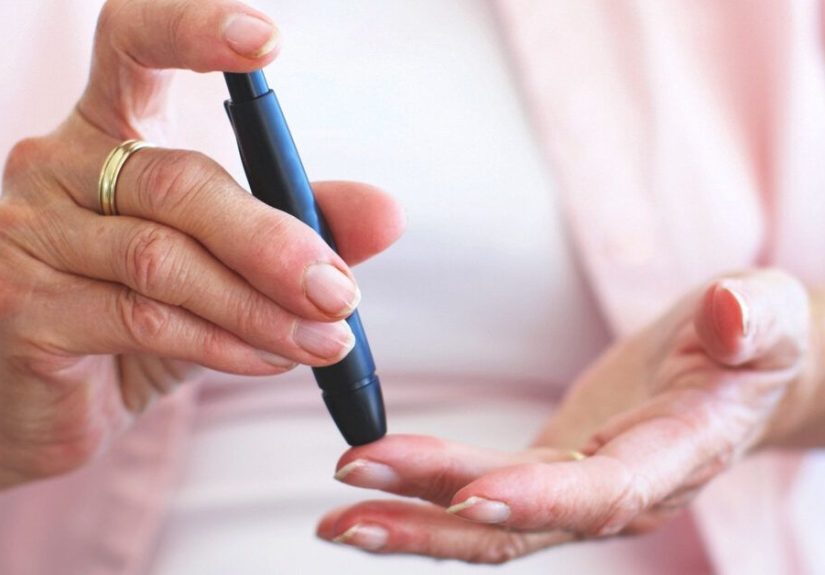
Insulin works best when people understand what their blood sugar is doing. Monitoring may involve finger-stick testing, a continuous glucose monitor, or both, depending on the situation. Tracking helps reveal patterns such as fasting highs, post-meal spikes, exercise-related dips, or overnight lows.
Meals also matter. So does consistency. Someone who takes mealtime insulin but regularly skips lunch may have a very different risk pattern than someone with a steady meal schedule. Physical activity can improve insulin sensitivity, but it can also lower blood sugar, so timing and preparation matter.
Smart daily habits
Keep fast-acting carbohydrates available.
Take insulin exactly as prescribed.
Learn how exercise affects your blood sugar.
Pay attention to sick days, because illness can push blood sugar higher even when appetite drops.
Review trends with your health care team instead of making large dose changes on your own.
In short, insulin is not a plug-and-play gadget. It is more like a useful instrument that works best when you know how to read the sheet music.
Fact 10: Type 2 diabetes treatment often changes over time, and that is normal
The longer someone lives with type 2 diabetes, the more likely their treatment plan will evolve. Weight changes, aging, stress, sleep, other medications, kidney function, and progression of the disease can all affect blood sugar control. What worked in one season of life may need adjusting in the next.
Some people move from diet and exercise alone to oral medication. Others add a non-insulin injectable medication, then basal insulin, then mealtime insulin if needed. Some later reduce insulin after weight loss or lifestyle improvements. Others continue insulin because it is the safest and most effective option for them.
This flexibility is not a weakness in the treatment plan. It is the treatment plan doing what it is supposed to do: respond to real life.
What people with type 2 diabetes should ask about insulin
If insulin enters the conversation during a medical visit, the most helpful questions are practical ones:
Which insulin type am I taking?
Is it for meals, background coverage, or both?
What should I do if I miss a meal?
How do I treat a low blood sugar episode?
When should I call the clinic?
How should I store the insulin?
Do I need to change anything when I exercise, travel, or get sick?
Clarity matters. Insulin is safest when the person using it understands not just that they are taking it, but why, when, and what to watch for.
Everyday Experiences With Type 2 Diabetes and Insulin
Beyond the medical definitions and medication charts, people’s experiences with type 2 diabetes and insulin are often deeply personal. One common experience is relief. Many people spend months feeling tired, thirsty, foggy, or frustrated by stubbornly high blood sugar. When treatment finally starts working, they often say they feel more like themselves again. It is not dramatic in a movie-scene way. It is quieter than that. Better sleep. More energy. Less constant thirst. Fewer bathroom marathons at 2 a.m.
Another common experience is fear before the first injection. Some people imagine insulin shots will be painful, complicated, or impossible to manage in a busy life. Then they try a pen device, get basic education, and realize the routine is not nearly as intimidating as their imagination suggested. That does not mean the learning curve disappears. It just means fear often shrinks once the unknown becomes familiar.
Many people also describe an emotional adjustment. Starting insulin can bring up frustration, guilt, or the feeling that their condition has “gotten worse.” Over time, that often changes. A person may begin with dread, then discover that insulin is simply one part of modern diabetes care. The emotional shift matters. When insulin stops feeling like a punishment and starts feeling like support, daily care usually becomes more sustainable.
There is also the experience of trial and error. One person may notice that walking after dinner helps their numbers. Another may learn that eating late causes high morning readings. Someone else may discover that stress pushes blood sugar up even when meals are unchanged. This can be annoying, because the body does not always behave like a neat spreadsheet. But it also means patterns can be learned and used.
Family and social life play a role too. Some people feel awkward taking insulin at work, at restaurants, or during travel. Others worry about explaining low blood sugar symptoms to friends or coworkers. Over time, many become more confident and practical. They carry supplies. They tell trusted people what to do in an emergency. They stop apologizing for taking care of themselves.
Perhaps the most important lived experience is this: people who manage type 2 diabetes well usually do not do it by being perfect. They do it by being consistent enough. They recover from off days. They learn from strange readings instead of turning every number into a personal judgment. They keep appointments, ask better questions, and adjust when life changes. That is what long-term diabetes care often looks like in the real world. Not flawless. Not glamorous. Just steady, informed, and very human.
Conclusion
Type 2 diabetes and insulin are connected in ways that are more nuanced than most people realize. Type 2 diabetes often starts with insulin resistance, may progress as insulin production falls, and sometimes requires insulin treatment to keep blood sugar in a safer range. The right insulin type, the right timing, and the right education can make a major difference.
The biggest takeaway is simple: insulin is neither a miracle nor a failure. It is a tool. A powerful one. When paired with good monitoring, smart habits, and individualized medical care, it can help people lower blood sugar, reduce complications, and feel better day to day. That is not the end of the story. It is often the beginning of better control.