Table of Contents >> Show >> Hide
- First: Is It Safe to Pull a Loose Tooth at Home?
- How Loose Is “Loose Enough”?
- Quick Prep Checklist (2 Minutes, Big Payoff)
- 12 Ways to Pull a Loose Tooth at Home (Safely)
- 1) The “Do Nothing” Method (Yes, It Counts)
- 2) Tongue Wiggle: Micro-Movements All Day
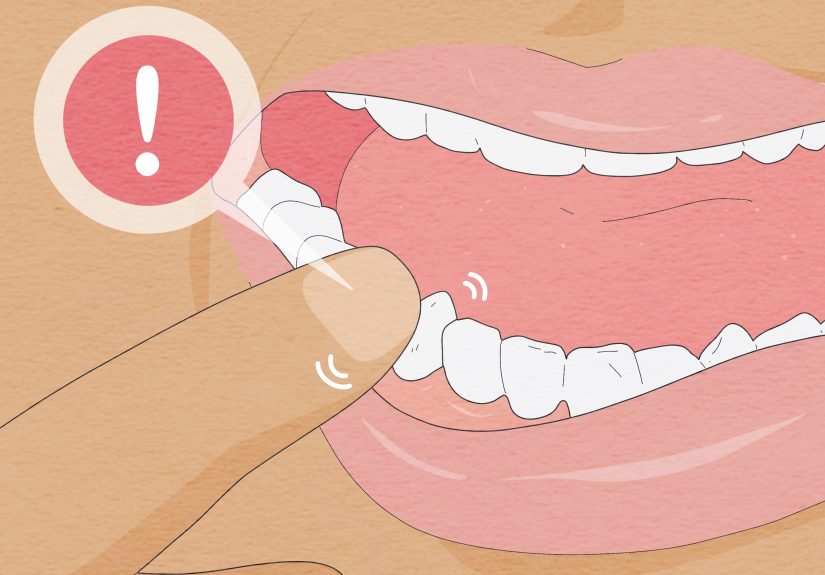
- 3) Clean-Finger Wiggle: Forward-Back, Not Sideways
- 4) Wiggle While Brushing (The Sneaky Productive Way)
- 5) Gauze Grip + Gentle Twist
- 6) The Damp Washcloth Twist (Great for Slippery Little Teeth)
- 7) Tissue Squeeze-and-Lift (Simple and Less “Scary”)
- 8) The Floss Lasso (Controlled Pull, No Chaos)
- 9) The “Floss Saw” Between Teeth (Loosens the Last Stubborn Bit)
- 10) Bite Into a Crunchy Food (The Classic Apple Assist)
- 11) Chew Sugar-Free Gum (Slow, Steady, and Weirdly Effective)
- 12) Popsicle Numb + Quick Gentle Pull (Comfort Combo)
- What NOT to Do (Because the Internet Has Ideas)
- Aftercare: Keep the Socket Happy
- When to See a Dentist (Even If It’s “Just a Loose Tooth”)
- FAQs People Actually Ask (Usually While Holding a Tissue)
- Conclusion
- Extra: Real-World Experiences (The Stuff Parents Don’t Put in the Instruction Manual)
A loose tooth is basically nature’s tiny countdown timer. For kids, it’s a milestone. For parents, it’s a daily
negotiation (“Stop wiggling it at the dinner table!”). And for the Tooth Fairy? It’s peak season.
This guide is about removing a very loose baby tooth at homethe kind that’s practically doing
the Macarena all by itself. If the tooth is barely loose, painful, or belongs to an adult (or a kid’s
permanent tooth), put down the floss and call a dentist. Seriously.
First: Is It Safe to Pull a Loose Tooth at Home?
In many cases, yesif it’s a baby tooth and it’s already extremely wiggly. Pediatric and dental
health guidance commonly emphasizes letting the tooth come out when it’s ready, because forcing it early can mean
more pain, more bleeding, and more drama (the kind that earns an Oscar).
Do NOT pull at home if any of these are true
- It’s a permanent (adult) tooth that’s loose. That’s not “normal”it’s a dental problem.
- The tooth is loose after injury/trauma (fall, sports hit, face-first meet-and-greet with a sidewalk).
- There’s swelling, pus, fever, bad taste, or severe gum redness (possible infection).
- Your child has significant pain when wiggling or chewing.
- You see a second tooth coming in behind it (the classic “shark teeth” situation) and the baby tooth won’t budge.
- The tooth looks dark, cracked, or heavily decayed.
If any of the above show up, the best “home method” is: call your dentist.
How Loose Is “Loose Enough”?
A tooth that’s ready usually wiggles easily in multiple directions and may look like it’s barely attached. Kids
often say it feels “itchy” or “weird,” not sharp-painful. If it only wiggles a tiny bit and feels stuck, it’s
probably not ready. Waiting a few more days can turn an ordeal into a quick, clean pop-out.
Quick Prep Checklist (2 Minutes, Big Payoff)
- Wash hands well (soap + 20 seconds).
- Have clean gauze or a tissue ready for gripping and bleeding control.
- Rinse with water (or warm salt water) to reduce gunk and make things feel fresher.
- Good lighting + a calm spot (bathroom mirror works).
- Optional: a cold treat (popsicle/ice) to numb the area a bit.
12 Ways to Pull a Loose Tooth at Home (Safely)
The theme here is gentle, controlled, and only when ready. You’re not trying to “extract” a tooth.
You’re helping a baby tooth that’s already checked out emotionally and is just waiting for its ride.
1) The “Do Nothing” Method (Yes, It Counts)
If it’s loose and not bothering your child, letting it fall out naturally is often the smoothest route. Many baby
teeth come out during normal eating, brushing, or overnight. No pulling. No tears. No tiny tooth flying into the
carpet never to be seen again.
2) Tongue Wiggle: Micro-Movements All Day
The tongue is a built-in, kid-approved tool. Encourage gentle nudgesno aggressive shoving. Over time, those small
motions help the tooth loosen as the root finishes dissolving. Bonus: it keeps fingers out of the mouth (a public
health win).
3) Clean-Finger Wiggle: Forward-Back, Not Sideways
With clean hands, gently wiggle the tooth forward and backward rather than yanking sideways. Side
pulling can irritate the gum and increase bleeding. The goal is to test readiness, not start a tug-of-war.
4) Wiggle While Brushing (The Sneaky Productive Way)
Brushing already loosens plaque and keeps the gumline healthy. While brushing, lightly wiggle the tooth with the
toothbrush head (soft bristles only) or pause and do a quick finger wiggle. If it starts to lift easily, it might be
close to coming out.
5) Gauze Grip + Gentle Twist
If the tooth is extremely loose, gauze gives you traction without slipping. Wrap a small piece of clean gauze around
the tooth, then apply a gentle twist (like turning a tiny doorknob made of enamel). If it resists,
stopmore loosening time is needed.
6) The Damp Washcloth Twist (Great for Slippery Little Teeth)
A damp, clean washcloth can grip better than a dry tissue. Wrap it around the tooth and do a small wiggle-twist.
This works well when the tooth is basically hanging on but keeps slipping away from your fingers like it’s playing
tag.
7) Tissue Squeeze-and-Lift (Simple and Less “Scary”)
Some kids panic when they see floss. A tissue feels less “medical.” Cover the tooth with a tissue, gently squeeze,
and lift/rock it. If it pops out easily, you’re done. If it doesn’t, you didn’t failyou avoided pulling too early.
8) The Floss Lasso (Controlled Pull, No Chaos)
Take a piece of clean dental floss and loop it around the loose tooth. Hold both ends and apply a gentle, steady
motionsmall rocking pulls, not a sudden jerk. This is best when the tooth is already very loose
and you can loop floss without irritating the gums.
9) The “Floss Saw” Between Teeth (Loosens the Last Stubborn Bit)
Sometimes the tooth is loose but gum tissue or a tiny connection makes it feel stuck. Carefully slide floss between
the loose tooth and neighboring tooth (gently, like normal flossing). This can help free the tooth. If there’s pain
or bleeding ramps up quickly, stop and let it loosen further on its own.
10) Bite Into a Crunchy Food (The Classic Apple Assist)
For a tooth that’s already close, biting into an apple, pear, or crunchy carrot can provide the final nudge. One big
caution: only do this if the tooth is very loose and your child is comfortable. Supervise closely so the tooth
doesn’t become an unexpected “surprise topping” that gets swallowed.
11) Chew Sugar-Free Gum (Slow, Steady, and Weirdly Effective)
For older kids who can safely chew gum, sugar-free gum can gently mobilize a loose tooth over time. It’s not an
instant method, but it’s a low-drama way to encourage natural release. Skip this for younger kids who might swallow
gum or have trouble chewing safely.
12) Popsicle Numb + Quick Gentle Pull (Comfort Combo)
A cold popsicle or ice held on the gum for a short time can dull sensation a bit. After that, use gauze or tissue to
do a gentle twist-and-lift. This method is less about “numbing like a dentist” and more about lowering the “OMG” factor.
If your child is anxious, this can make the moment feel easier.
What NOT to Do (Because the Internet Has Ideas)
- Doorknob/string tricks: too much force, unpredictable angle, higher risk of gum injury.
- Pliers, tweezers, or tools: no. Just no. That’s how you end up with a Friday-night emergency visit.
- Yank “fast to get it over with” if it’s not ready: more bleeding and pain, plus a scared kid next time.
- Keep tugging after pain starts: pain is your stop sign.
Aftercare: Keep the Socket Happy
Bleeding control
A little bleeding is normal. Have your child bite gently on folded gauze or a clean tissue for 10–15 minutes. If
bleeding doesn’t slow down after a reasonable period, or it’s heavy, call a dentist.
Food and drink tips for the next few hours
- Stick to softer foods (yogurt, scrambled eggs, soup that’s not lava-hot).
- Avoid crunchy chips right away (sharp edges can irritate the spot).
- Skip straws for a bit if bleeding is ongoingsuction can restart it.
Cleaning
Continue brushing gently. If your child is old enough, a warm salt-water rinse can soothe the area and help keep it
clean. No aggressive swishingthink “calm ocean,” not “washing machine.”
When to See a Dentist (Even If It’s “Just a Loose Tooth”)
- Loose adult tooth (or a child’s permanent tooth) get evaluated quickly.
- Loose tooth after trauma.
- Signs of infection: swelling, fever, pus, bad taste, worsening pain.
- Bleeding that won’t stop or seems excessive.
- A baby tooth won’t come out and a permanent tooth is already erupting behind it.
FAQs People Actually Ask (Usually While Holding a Tissue)
Will pulling a loose baby tooth hurt?
If it’s truly ready, discomfort is usually minimal and briefmore “weird pressure” than pain. If it hurts sharply,
it’s likely not ready.
How much bleeding is normal?
A small amount is common. Biting on gauze typically handles it. Heavy bleeding or bleeding that won’t slow down is a
reason to call a dental professional.
What if my kid swallows the tooth?
It happens. In most cases, a swallowed baby tooth passes without issue. If your child choked, had trouble breathing,
or you’re worried, seek medical advice promptly.
Can adults pull a loose tooth at home?
Don’t. A loose adult tooth often signals gum disease, injury, or another condition that needs treatmentand sometimes
the tooth can be saved if you act quickly.
Conclusion
The safest way to pull a loose tooth at home is to help a baby tooth that’s already ready: gentle
wiggles, clean grip, minimal force, and good aftercare. If anything feels offpain, infection signs, trauma, or an
adult toothtreat it like the red flag it is and get a dentist involved. The Tooth Fairy can wait; your child’s
health can’t.
Extra: Real-World Experiences (The Stuff Parents Don’t Put in the Instruction Manual)
If you’ve never lived through “Loose Tooth Week,” let me paint a picture. Day one is excitement: your child discovers
the tooth wiggles and announces it to strangers in line at the grocery store. Day two is obsession: the tooth becomes
a full-time hobby. By day three, your child is wiggling it during every meal like they’re trying to start a lawnmower
with their tongue.
Parents often learn the same lesson the hard way: timing beats bravery. The urge to “just get it
over with” is strongespecially when you’re staring at a tooth that’s hanging sideways like a loose picture frame.
But many families report that the smoothest removals happen when the tooth is truly ready and the child is calm.
Trying to pull it early can turn a tiny moment into a big fear. Then the next loose tooth becomes a saga with
dramatic speeches, bargaining, and possibly a request for hazard pay.
One common win is turning the process into a game instead of a procedure. Some parents do a “wiggle check” after
brushingtwo gentle wiggles, then stop. Others let the child be in charge: the kid wiggles, the parent holds the
tissue, and everyone agrees that if it hurts, they pause. That small sense of control can be huge for anxious kids.
A surprisingly effective trick? Let them practice holding gauze or a tissue first so it feels familiar and not like
a mysterious dentist tool from a sci-fi movie.
The Tooth Fairy logistics are also… real. Kids lose teeth in spectacularly inconvenient places:
over spaghetti, in the school cafeteria, or while chewing a bagel in the back seat. Many parents keep a tiny envelope
or small container in a junk drawer specifically for “tooth emergencies.” Because if the tooth disappears into a
shag rug, the Tooth Fairy is about to receive a very detailed explanation involving vacuum cleaners and tears.
Aftercare experiences are pretty consistent too. Most kids bounce back fast, but the socket can feel “different” for
a day. Families often find that soft foods and a cold treat help. Some kids can’t resist poking the spot with their
tongue like they’re checking if the tooth is still there (it is not, buddy). Gentle reminders help: “Let it rest.
It’s healing.” For kids who get a little oozing later, biting on gauze again usually solves it. The key is not to
panic over normal, small bleedingand also not to ignore bleeding that just won’t quit.
There’s also a set of experiences that matters for adults reading this: people sometimes ignore a loose adult tooth
because they think it’s a random fluke. But the stories you hear most often are the ones that start with “I waited…”
and end with “I wish I hadn’t.” Adult teeth aren’t supposed to wiggle. When they do, it can be a sign of gum disease
or trauma, and earlier care can make a big difference. In other words: if you’re not eligible for the Tooth Fairy,
you’re eligible for the dentist.
The best overall takeaway from real households is refreshingly simple: keep it clean, keep it gentle, and keep your
ego out of it. You’re not trying to prove you can pull a tooth like a cartoon cowboy. You’re trying to help your
child (or yourself) stay safe, comfortable, and confident. If the tooth comes out easilygreat. If it doesn’talso
great. That’s your sign to wait, not wrestle.