Table of Contents >> Show >> Hide
- Before We Get to the Food List: The “Soft Food” Rules That Actually Matter
- 16 Soft Foods to Eat After Wisdom Teeth Removal
- 1) Greek yogurt (or regular yogurt)
- 2) Applesauce
- 3) Pudding or custard
- 4) Gelatin (or soft jelly cups)
- 5) Ice cream, sherbet, or frozen yogurt (no chunks)
- 6) Smoothies (eaten with a spoon)
- 7) Protein shakes or meal replacement drinks
- 8) Broth and blended soups (lukewarm)
- 9) Mashed potatoes (or mashed sweet potatoes)
- 10) Scrambled eggs
- 11) Oatmeal or cream of wheat
- 12) Cottage cheese or ricotta
- 13) Mashed avocado (or very smooth guacamole)
- 14) Hummus (smooth) or refried beans
- 15) Mac and cheese or very soft pasta
- 16) Soft flaky fish (or silken tofu)
- Foods and Drinks to Avoid (At Least Early On)
- How to Build a Recovery Plate (So You Don’t Live on Applesauce)
- Simple 2-Day Sample Menu (Mix-and-Match)
- When to Call Your Dentist or Oral Surgeon
- of Real-World “Wisdom Teeth Food” Experiences
- Conclusion
Congratulations: you’ve officially entered the “my mouth is on airplane mode” era. After wisdom teeth removal,
chewing can feel like trying to do a workout with a sprained anklepossible, but… why?
The goal for the first several days is simple: protect the healing area, keep the blood clot in place,
avoid irritation, and still get enough calories and protein so your body can do its repair work.
Most oral surgeons recommend starting with cool-to-lukewarm, smooth textures and gradually moving
toward soft solids as soreness improves. You’ll also want to avoid anything that creates strong suction
(hello, straws), and skip foods that are crunchy, spicy, hard, seedy, or crumblybasically, the snack aisle’s
greatest hits.
Before We Get to the Food List: The “Soft Food” Rules That Actually Matter
Rule #1: Texture beats ingredients
“Soft food” isn’t just about being healthyit’s about being low-chew. Think smooth, mashed, blended,
and tender enough to break apart with a fork. If it can hide in an extraction site like a tiny squatter,
save it for later.
Rule #2: Temperature is part of the treatment
Cool foods can feel soothing early on, while very hot foods and drinks can be irritating. Aim for
cool or lukewarm at first, then warm (not hot) as you feel better.
Rule #3: Hydration counts as aftercare
Between limited eating and medication side effects, it’s easy to get dehydrated. Keep water nearby and sip
regularly. If plain water feels boring, rotate in electrolyte drinks (non-carbonated) or diluted juice.
Rule #4: Progression is normal
Many people do best with a quick “phases” approach:
- First 24 hours: very soft foods and liquids
- Days 2–3: thicker, spoonable foods (still low-chew)
- Days 4–7: soft solids if comfortable (no crunch, no sharp edges)
Your dentist/oral surgeon’s instructions always winespecially if your extraction was complex or involved stitches.
16 Soft Foods to Eat After Wisdom Teeth Removal
Below are 16 recovery-friendly options, plus tips to make each one safer and more satisfying.
(Because “plain applesauce again” is a sentence nobody wants to say.)
1) Greek yogurt (or regular yogurt)
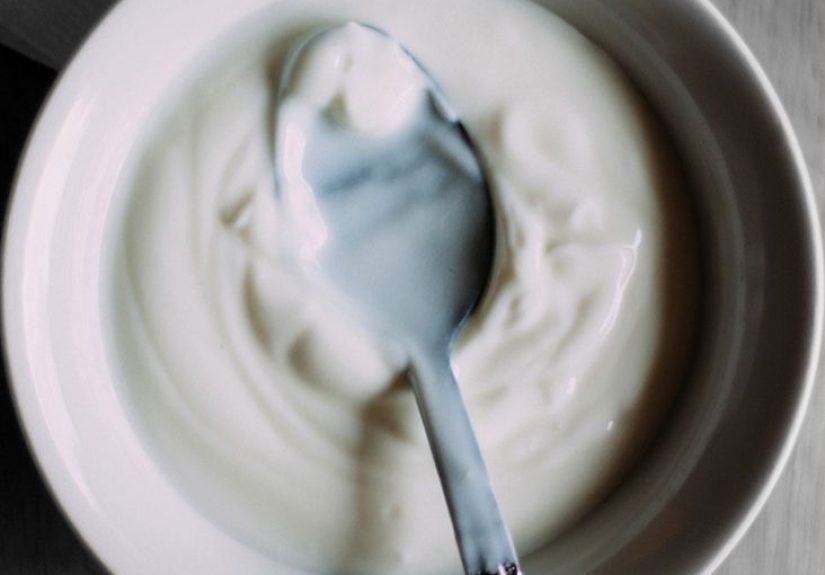
Smooth, cool, and protein-richyogurt is basically recovery’s MVP. Choose plain or lightly sweetened options.
Skip crunchy mix-ins like granola, nuts, and seeds.
2) Applesauce
Easy to swallow, gentle on sore gums, and no chewing required. Look for unsweetened if you’re sensitive to sugar,
or cinnamon applesauce if you want it to feel like dessert that’s pretending to be a fruit.
3) Pudding or custard
Soft, smooth, and comforting. Pudding is great when your appetite is low but you still need calories.
If cold foods feel too intense, let it sit for a few minutes to reach “cool” instead of “arctic.”
4) Gelatin (or soft jelly cups)
Not a nutrition powerhouse, but it’s easy to get down and can help when you’re nauseated or not hungry.
Pair it with a protein option later so you’re not running on vibes alone.
5) Ice cream, sherbet, or frozen yogurt (no chunks)
A classic for a reason: it can feel soothing early on. Keep it simpleno nuts, cookie bits, or candy pieces.
If dairy bothers your stomach, choose a non-dairy version with a smooth texture.
6) Smoothies (eaten with a spoon)
Smoothies are an easy way to add calories, protein, and fruit/veg. The key is no strawuse a spoon.
Keep the blend seed-free and not too acidic (for example, go easy on pineapple or straight citrus right away).
7) Protein shakes or meal replacement drinks
When chewing is annoying and cooking feels like a prank, shakes can help you hit protein goals.
Choose non-carbonated options and sip slowly.
8) Broth and blended soups (lukewarm)
Broths support hydration and are easy to tolerate. Blended soups (like butternut squash or potato leek) add more
calories and nutrientsjust make sure they’re smooth and not served hot.
9) Mashed potatoes (or mashed sweet potatoes)
Comfort food with real staying power. Make them extra smooth with broth, milk, or a dairy-free alternative.
Avoid peppery heat if your mouth feels sensitive.
10) Scrambled eggs
Soft eggs provide high-quality protein, which matters for healing. Cook them gently so they stay tender,
and cut them into small pieces if needed.
11) Oatmeal or cream of wheat
Warm (not hot), filling, and customizable. Instant oats tend to be softer. Flavor with honey, maple syrup,
or mashed bananaskip crunchy toppings.
12) Cottage cheese or ricotta
Another easy protein option with a soft texture. If curds bother you early on, try blending cottage cheese
until smooth, or choose ricotta.
13) Mashed avocado (or very smooth guacamole)
Soft, calorie-dense, and satisfying when everything else feels like baby food. Keep it smooth; avoid chunky onion
pieces early on.
14) Hummus (smooth) or refried beans
These add plant-based protein and fiber. Choose a smooth hummus (no whole chickpeas left behind) and avoid spicy
versions at first. Refried beans are great with a spoonno crunchy chips required.
15) Mac and cheese or very soft pasta
Soft pasta is a helpful “bridge” food once you can handle gentle chewing. Overcook slightly so it’s tender.
Keep sauces mild and skip sharp, crunchy toppings.
16) Soft flaky fish (or silken tofu)
When you’re ready for more “real food,” soft proteins like baked/poached fish (think flaky and boneless)
can work well. If you prefer plant-based, silken tofu blends easily into soups or can be gently mashed.
Foods and Drinks to Avoid (At Least Early On)
- Straws (suction can disrupt healing)
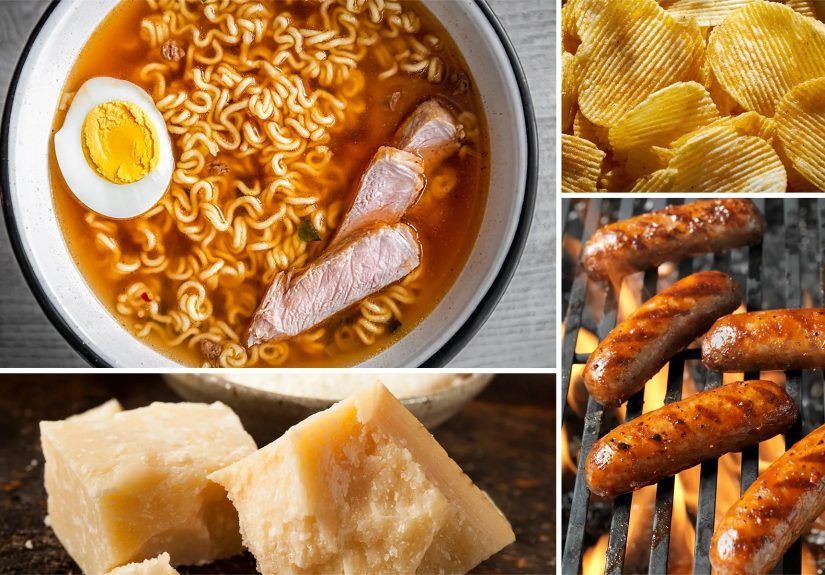
- Crunchy and hard foods (chips, nuts, popcorn, crusty bread)
- Seedy foods (anything that can get stuck easily)
- Spicy foods (can irritate tender tissue)
- Sticky/chewy foods (caramels, gum)
- Very hot foods/drinks early on
- Carbonated beverages early on, if your surgeon advises avoiding them
How to Build a Recovery Plate (So You Don’t Live on Applesauce)
A smart post-op “plate” usually includes:
- Protein (eggs, Greek yogurt, shakes, soft fish, tofu)
- Calories (avocado, mashed potatoes, mac and cheese, smoothies)
- Fiber and micronutrients (blended soups, mashed fruit, well-cooked grains)
- Fluids (water, broth, non-carbonated drinks)
If you’re not eating much, prioritize protein + calories first. Healing takes energy.
Simple 2-Day Sample Menu (Mix-and-Match)
Day 1 (very soft)
- Breakfast: Greek yogurt (plain or lightly sweetened)
- Lunch: Lukewarm blended soup + applesauce
- Snack: Pudding or gelatin
- Dinner: Smooth mashed potatoes + protein shake
Day 2–3 (thicker soft foods)
- Breakfast: Oatmeal with mashed banana
- Lunch: Scrambled eggs + mashed avocado
- Snack: Smoothie (with a spoon)
- Dinner: Overcooked mac and cheese or soft pasta
When to Call Your Dentist or Oral Surgeon
Everyone’s recovery looks a little different, but contact your dental professional if you have
worsening pain after initial improvement, persistent heavy bleeding, fever, swelling that gets worse
instead of better, or anything that makes swallowing or breathing difficult. When in doubt, callpeace of mind is
a valid medical outcome.
of Real-World “Wisdom Teeth Food” Experiences
Here’s what many people don’t realize until they’re home: the hardest part isn’t finding soft foodsit’s finding
soft foods you still want to eat on day three. Day one is usually manageable because the plan is simple:
something cold, something smooth, and a lot of “I’m not that hungry anyway.” Day two arrives with a little more
appetite and a lot more boredom. Suddenly, you’re staring into the fridge like it personally owes you a burrito.
A common experience is discovering that texture “surprises” are the enemy. You might think you’re safe with yogurt,
and thenplot twistthere are fruit chunks. Or you try soup that seems blended, only to meet a rogue onion piece
that makes you chew on one side like you’re solving a puzzle with your jaw. The lesson: in the first few days,
smooth means smooth. If you can’t confidently swallow it without chewing, blend it again or save it
for later.
Another real-life moment: the blender becomes your best friend, your roommate, and your therapist. People often
start “power blending” perfectly normal foodsturning oatmeal into a silkier porridge, thinning mashed potatoes
with broth, or making smoothies that are basically a full meal (protein powder, banana, peanut butterif it’s
smoothand maybe a handful of spinach you promise you can’t taste). Smoothies are especially popular because they
feel like a shortcut to nutrition, but most people learn quickly that spoon-eating is the move.
Using a straw can be tempting, but the suction is exactly what you don’t want right after an extraction.
Many people also notice that “cold” is soothing… until it’s not. Ice cream can feel amazing for a little while,
and then your mouth decides it’s done with the polar expedition. That’s when lukewarm foods start to shine:
blended soups, cream of wheat, or mashed sweet potatoes that are warm enough to be comforting but not hot enough
to feel irritating. A practical trick is letting foods sit on the counter for a few minutes before eatingyour
mouth gets comfort without the shock.
One of the most helpful shifts is focusing on protein early. People who rely only on dessert-like
soft foods often feel tired, shaky, or extra cranky (and yes, it’s possible to be hangry while also not wanting to
chew). Adding Greek yogurt, scrambled eggs, protein shakes, or soft tofu usually makes the next day feel easier.
It’s not about being perfectit’s about giving your body building blocks for healing.
Finally, there’s the emotional experience: you start craving “real food” the second you’re told not to have it.
That’s normal. The trick is using “bridge foods” to keep morale upmac and cheese cooked soft, mashed avocado with
a little salt, or refried beans eaten with a spoon. You feel like you’re eating an actual meal again, not auditioning
for a baby food commercial. And when you finally graduate back to regular textures, you’ll look at your blender with
the respect reserved for someone who truly showed up when it mattered.
Conclusion
The best soft foods after wisdom teeth removal are the ones that are smooth, gentle, and actually filling.
Start with cool-to-lukewarm textures, avoid straws and crunchy foods, and level up gradually as your comfort improves.
Stock a few protein staples (yogurt, eggs, shakes), add comfort foods (mashed potatoes, mac and cheese), and keep
hydration on autopilot. Your future selfwho can chew againwill be proud.