Table of Contents >> Show >> Hide
- Before You Choose: The 4 Questions Pros Ask
- 16 Types of Coffee Makers (and What Pros Love About Each)
- 1) Automatic Drip Coffee Maker
- 2) Single-Serve Pod/Capsule Coffee Maker
- 3) Single-Serve “No-Pod” Drip Brewer (Cone + Mug Setup)
- 4) Pour-Over Dripper (V60, Kalita, Cone/Flat-Bed Styles)
- 5) Chemex (Pour-Over Carafe with Thick Filters)
- 6) French Press
- 7) AeroPress
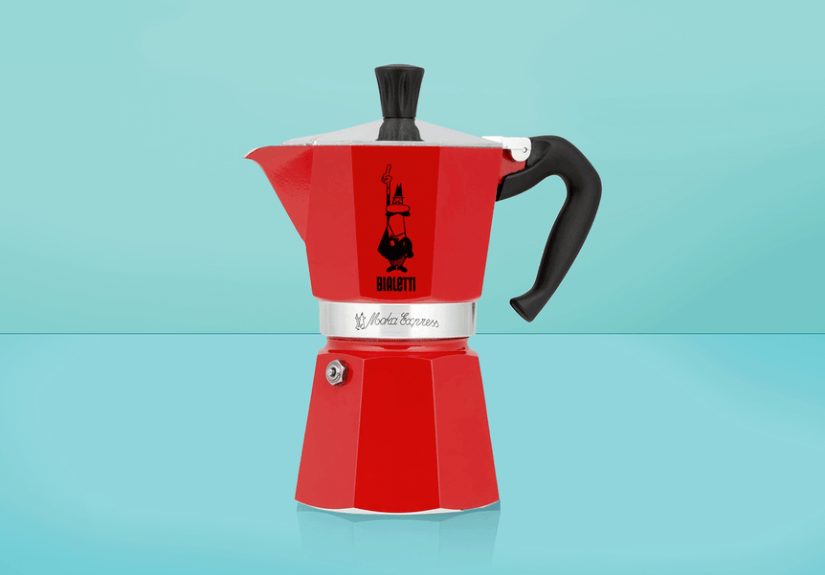
- 8) Moka Pot (Stovetop “Espresso” Maker)
- 9) Percolator (Stovetop or Electric)
- 10) Vacuum Siphon (Siphon Coffee Maker)
- 11) Cold Brew Maker (Immersion Pitcher, Toddy-Style System, or Dedicated Brewer)
- 12) Flash Brew / Japanese-Style Iced Coffee Setup
- 13) Semi-Automatic Espresso Machine
- 14) Super-Automatic (Bean-to-Cup) Espresso Machine
- 15) Manual Lever Espresso Machine (Countertop or Portable Press)
- 16) Cultural Classics: Cezve/Ibrik (Turkish) and Phin (Vietnamese)
- How Pros “Dial In” Any Coffee Maker (Without Overthinking It)
- Experiences That Match Real Life (Not Just Coffee Theory)
If coffee is your personality before 9 a.m., you’ve probably wondered: Do I need a different coffee maker… or just different sleep? The good news: you don’t need a new personality. You just need the right brewer for how you actually liveweekday chaos, weekend ritual, tiny apartment, big family, picky palate, or “I can’t talk until caffeine hits my bloodstream.”
Pros (baristas, roasters, and equipment nerds who genuinely enjoy calibrating things) tend to agree on one big truth: most “bad coffee” is really just a mismatch between brewing method and expectations. Want clean, tea-like clarity? Don’t pick a brewer that lets all the oils through. Want thick, cozy body? Paper filters aren’t your best friend. Want espresso-ish intensity? A standard drip machine can’t magically become an Italian café just because you glared at it.
Below are 16 types of coffee makersfrom set-it-and-forget-it classics to dramatic science-lab contraptionsexplained in plain English with pro-style tips. No snobbery. No gatekeeping. No “you must swirl counterclockwise under a full moon.” Just the real tradeoffs and what you can expect in the cup.
Before You Choose: The 4 Questions Pros Ask
- How much effort do you want per cup? (Be honest. “I love rituals” is sometimes a weekend-only personality.)
- Do you prefer clarity or body? Paper filters = cleaner cup; metal filters = fuller body and more texture.
- How many cups at once? One mug? Two people? A whole household that treats coffee like oxygen?
- What’s your cleanup tolerance? Some brewers rinse clean. Others require a small emotional journey.
16 Types of Coffee Makers (and What Pros Love About Each)
1) Automatic Drip Coffee Maker
How it works: Hot water showers over grounds in a filter basket and drips into a carafe. The best versions manage stable brew temperature and even saturation.
What it tastes like: Balanced and familiaryour “default coffee” flavor, for better or worse.
Best for: Families, busy mornings, and anyone who wants multiple cups without babysitting a kettle.
Watch-outs: Cheap machines can brew too cool or unevenly, leading to flat or sour cups.
Pro tip: Use a scale once, then “lock in” your dose. A great starting point is roughly 1:16 to 1:18 coffee-to-water by weight (adjust stronger or lighter to taste).
2) Single-Serve Pod/Capsule Coffee Maker
How it works: A sealed pod gets pierced; hot water pushes through with a programmed flow and pressure profile.
What it tastes like: Convenient, consistent, and rarely “wow”but reliably “fine.”
Best for: Offices, dorms, and people who value speed more than nuance.
Watch-outs: Per-cup cost adds up. Waste can be a concern depending on pod type and local recycling options.
Pro tip: If your machine lets you choose cup size, go smaller for stronger flavor. The bigger the cup, the more it can taste like coffee that’s seen some things.
3) Single-Serve “No-Pod” Drip Brewer (Cone + Mug Setup)
How it works: Essentially pour-over with training wheels: a compact dripper sits on your mug and uses a paper filter.
What it tastes like: Cleaner than most drip machines when done wellbright and crisp.
Best for: Minimalists, small kitchens, and anyone who wants one excellent cup.
Watch-outs: Your pour technique matters more than you think.
Pro tip: A gooseneck kettle helps control flow so you don’t blast a crater through the coffee bed like a caffeinated meteor.
4) Pour-Over Dripper (V60, Kalita, Cone/Flat-Bed Styles)
How it works: You manually pour hot water over grounds in a paper filter, controlling flow, timing, and agitation.
What it tastes like: Clear, aromatic, and expressivegreat for showing off fruity or floral coffees.
Best for: People who like ritual and control (and don’t mind standing still for 3–4 minutes).
Watch-outs: Inconsistent pouring leads to inconsistent cups.
Pro tip: Aim for water just off boil, often around 195–205°F, and keep your pour steady to avoid channeling (when water finds the easiest path and skips extraction).
5) Chemex (Pour-Over Carafe with Thick Filters)
How it works: Pour-over, but with thicker proprietary paper that filters more oils and fines.
What it tastes like: Exceptionally clean and polishedalmost “tea-like” clarity.
Best for: Light roasts, delicate flavors, and people who hate sediment with a passion.
Watch-outs: Thick filters can slow flow; your grind may need to be slightly coarser than a standard pour-over dripper.
Pro tip: Rinse the filter thoroughly to warm the carafe and reduce papery notes.
6) French Press
How it works: Grounds steep directly in hot water; a metal mesh plunger separates grounds from liquid.
What it tastes like: Full-bodied, rich, and aromaticmore oils and texture in the cup.
Best for: People who love a heavier mouthfeel (and coffee that plays well with milk).
Watch-outs: More sediment, especially if your grind is too fine.
Pro tip: Use a coarse grind and steep around 4 minutes as a baselinethen tweak time for strength instead of pulverizing your beans into dust.
7) AeroPress
How it works: A hybrid of immersion and gentle pressure: coffee steeps, then you press it through a paper (or metal) filter.
What it tastes like: Smooth, focused, and versatilecan be concentrated and “espresso-like,” or diluted into an Americano-style cup.
Best for: Travelers, small kitchens, and tinkerers who like experimenting without buying a full espresso setup.
Watch-outs: Small capacity (usually one cup at a time).
Pro tip: Don’t be afraid of recipesAeroPress shines when you treat it like a playground: different grind sizes, steep times, and dilution can create wildly different results.
8) Moka Pot (Stovetop “Espresso” Maker)
How it works: Heated water creates pressure that pushes water through coffee grounds and into an upper chamber.
What it tastes like: Strong, bold, and punchycloser to espresso strength than drip, but not true espresso.
Best for: People who want a concentrated coffee for milk drinks without an espresso machine price tag.
Watch-outs: Overheating can create harsh, bitter flavors.
Pro tip: Many pros start with hot water in the base (carefully) to reduce time on the stove and avoid “cooked” flavors.
9) Percolator (Stovetop or Electric)
How it works: Water cycles upward through a tube and repeatedly showers over the groundsagain and againuntil you stop it.
What it tastes like: Classic diner/camp coffee vibes: robust, sometimes bitter, often nostalgic.
Best for: Camping, big batches, and people who enjoy old-school coffee intensity.
Watch-outs: The recirculating cycle can easily over-extract, especially if it “perks” too long.
Pro tip: Treat brew time like a timer, not a suggestion. Pull it off heat promptly when it hits your preferred strength.
10) Vacuum Siphon (Siphon Coffee Maker)
How it works: Heat creates vapor pressure that pushes water up into an upper chamber to brew; removing heat creates a vacuum that draws coffee back down through a filter.
What it tastes like: Clean, aromatic, and elegantoften surprisingly crisp for an immersion-style brew.
Best for: Coffee hobbyists, dinner party show-offs, and anyone who likes a little theater with their caffeine.
Watch-outs: More parts, more cleanup, and a learning curve.
Pro tip: Keep your grind medium and focus on stable heatwild temperature swings can throw off extraction.
11) Cold Brew Maker (Immersion Pitcher, Toddy-Style System, or Dedicated Brewer)
How it works: Coarse grounds steep in cool or room-temp water for hours, then get filtered.
What it tastes like: Smooth, mellow, and often lower in perceived aciditygreat over ice.
Best for: Make-ahead coffee, hot climates, and people who want “grab-and-go” from the fridge.
Watch-outs: It takes time (typically overnight), and concentrate can be deceptively strong.
Pro tip: Taste before you dilute. Many cold brew setups create concentrate that’s meant to be cut with water or milk.
12) Flash Brew / Japanese-Style Iced Coffee Setup
How it works: You brew hot coffee directly onto a measured amount of ice, instantly chilling (and diluting) it.
What it tastes like: Bright and aromatic like hot-brew coffee, but refreshing and snappyoften more vibrant than cold brew.
Best for: People who want iced coffee fast without sacrificing top notes and aroma.
Watch-outs: You have to get the ice-to-water balance right or it turns watery.
Pro tip: Replace part of your brew water with ice by weight. You’re intentionally brewing stronger so the melt lands at “normal” strength.
13) Semi-Automatic Espresso Machine
How it works: A pump-driven machine pushes hot water through a compact coffee “puck.” You grind, dose, tamp, and usually start/stop the shot.
What it tastes like: True espresso potential: syrupy, intense, layeredespecially with fresh grinding and good technique.
Best for: Home baristas who enjoy dialing in shots and making milk drinks with a steam wand.
Watch-outs: Espresso is picky. Small changes in grind, dose, or tamp can swing flavor from heavenly to “why is this sour?”
Pro tip: If you’re chasing café-quality results, prioritize a capable grinder. In espresso, the grinder is often the real hero.
14) Super-Automatic (Bean-to-Cup) Espresso Machine
How it works: It grinds, doses, tamps, brews, and often froths milk with minimal user input. Press a button, receive coffee.
What it tastes like: Consistent and convenientoften “very good” rather than “competition-level,” but it shows up every day without complaining.
Best for: Busy households, offices, and anyone who wants espresso drinks with minimal learning curve.
Watch-outs: More internal parts = more maintenance. Cleaning cycles matter if you want it to last.
Pro tip: Use fresh beans and keep the machine clean. Even a fancy bean-to-cup brewer can’t outsmart stale coffee and neglected gunk.
15) Manual Lever Espresso Machine (Countertop or Portable Press)
How it works: You create pressure manuallyby pulling a lever or pressingforcing water through the puck without an electric pump doing the work.
What it tastes like: Surprisingly excellent when dialed inrich and tactile, with a “hands-on craft” feel.
Best for: Espresso purists, minimalists, and people who enjoy the process as much as the drink.
Watch-outs: Requires practice and a good grinder. Also: your arm gets promoted to “espresso pump.”
Pro tip: Preheat everything that touches the coffee (brew chamber, cup). Heat stability is your best friend in manual espresso.
16) Cultural Classics: Cezve/Ibrik (Turkish) and Phin (Vietnamese)
How it works (Turkish cezve/ibrik): Ultra-fine coffee cooks gently in water (often with sugar/spices), creating a rich, foamy cup with grounds settling at the bottom.
How it works (Vietnamese phin): Grounds sit in a small metal chamber with a press; hot water drips slowly into the cup, creating a strong, syrupy brew (often paired with sweetened condensed milk).
What it tastes like: Both are bold and intense, built for savoring. Turkish coffee is thick and aromatic; phin coffee is strong, slow-dripped, and perfect over ice.
Best for: Anyone who wants coffee as a ritual and a vibenot just a beverage.
Watch-outs: Grind is critical. Turkish needs extremely fine. Phin needs a grind that won’t clog but still extracts strongly.
Pro tip: For phin brewing, bloom briefly, then let it drip steadilyif it stalls, your grind may be too fine or packed too tightly.
How Pros “Dial In” Any Coffee Maker (Without Overthinking It)
- Use the right water temperature: Many pros aim for the general brew sweet spot around 195–205°F.
- Match grind size to brew style: Coarser for immersion (French press, cold brew), medium for drip, finer for espresso and some AeroPress recipes.
- Start with a sensible ratio: Try ~1:16 to 1:18 (coffee:water by weight) for most non-espresso methods, then adjust to taste.
- Keep gear clean: Coffee oils go rancid. “Mysterious bitterness” is sometimes just yesterday’s residue living rent-free in your brewer.
Experiences That Match Real Life (Not Just Coffee Theory)
Reading about coffee makers is fun. Living with them is where the truth comes outusually when you’re late, hungry, and your brain is running on low battery. Here are real-world experiences many home brewers recognize (and pros often warn about with a sympathetic smile):
The Weekday Autopilot: On Monday morning, an automatic drip machine feels like a personal assistant. You measure once, hit a button, and somehow coffee appears while you do other human taskslike finding socks. This is why so many pros recommend a good drip brewer for households: it lowers the friction between “I want coffee” and “I have coffee,” which is a meaningful quality-of-life upgrade.
The Weekend Ritual Personality: Pour-over can feel meditativeuntil you try it while answering texts, feeding a pet, and mentally reviewing your to-do list. Then it becomes performance art. People who love pour-over often keep it as a weekend (or “I have time”) ritual, and rely on drip or AeroPress when life gets loud.
The French Press Cleanup Reality Check: French press coffee tastes rich and comforting, but the cleanup can be… a relationship test. If you dump wet grounds down the drain, your plumbing may eventually write you an angry letter. Many experienced brewers learn a simple routine: scoop grounds into the trash/compost first, then rinse. It turns “ugh” into “fine.”
The AeroPress Travel Glow-Up: People who travel a lot often describe AeroPress as the moment they stopped gambling on hotel coffee. It’s compact, tough, and consistent. The first time you make a surprisingly good cup in a place with questionable breakfast options, you feel like you’ve unlocked a cheat code.
The Moka Pot Learning Curve: Moka pot owners frequently go through a “burnt phase” before they get it right. Once you learn to manage heat and stop the brew at the right moment, it becomes a reliable way to make strong coffee for milk drinks. It’s not espressobut it can be deliciously close for everyday lattes and cappuccino-style mugs.
The Pod Machine Convenience Tax: Single-serve pods are the king of convenience, and plenty of people love them for speed and consistency. But a common experience is “I started buying pods for guests… and now I’m paying a subscription fee to my own habits.” If cost creeps up, many people end up pairing a pod machine with a manual method they enjoy (like pour-over or French press) for when they actually want to taste the coffee.
The Espresso Hobby Spiral: Semi-automatic espresso can be incredibly rewardingand it can also turn into a hobby that quietly demands a grinder upgrade, a scale, a tamp, a knock box, and suddenly you’re using words like “pre-infusion” in casual conversation. Many home baristas love the journey. Others decide a super-automatic gives them 85% of what they want with 15% of the effort. Both choices are valid, and both result in caffeine.
The Cultural Brew “Slow Coffee” Moment: Vietnamese phin and Turkish cezve-style coffee often become more than drinks. People describe them as a pause button: slower drip, richer aroma, a deliberate moment. If your days feel too fast, these methods can be surprisingly groundinglike a tiny ritual that reminds you you’re not a robot (even if your email inbox suggests otherwise).
Bottom line: The best coffee maker isn’t the one the internet crowns as “the best.” It’s the one you’ll happily useoftenbecause it fits your schedule, your taste, and your tolerance for cleanup. Choose the brewer that matches your life, then refine the details (grind, ratio, temperature) until it tastes like your perfect cup.