Table of Contents >> Show >> Hide
- What Makes a Mexican Recipe Heart-Healthy?
- 18 Heart-Healthy Mexican Recipes to Make on Repeat
- 1. Black Bean and Roasted Veggie Tacos
- 2. Grilled Fish Tacos with Cabbage Slaw
- 3. Chicken and Vegetable Enchiladas
- 4. Turkey Taco Lettuce Wraps
- 5. Shrimp Fajita Bowls
- 6. Pinto Bean and Sweet Potato Burrito Bowls
- 7. Grilled Chicken Fajitas
- 8. Veggie-Packed Huevos Rancheros
- 9. Mexican Stuffed Peppers
- 10. Chicken Tortilla Soup with Extra Vegetables
- 11. Cauliflower Rice Taco Skillet
- 12. Salmon with Avocado Corn Salsa
- 13. Skinny Chicken Pozole Verde
- 14. Zucchini and Corn Quesadillas
- 15. Taco Salad with Greek Yogurt Dressing
- 16. Bean and Brown Rice Stuffed Poblanos
- 17. Baked Chicken Taquitos
- 18. Chopped Mexican Salad with Citrus and Pumpkin Seeds
- How to Lighten Up Mexican Favorites Without Losing the Plot
- Conclusion
- What the Experience of Eating This Way Really Feels Like
Mexican-inspired food has a reputation for being either gloriously delicious or gloriously heavy. Sometimes both, usually on the same plate, often under a small avalanche of cheese. But here’s the happy news: Mexican flavors are actually perfect for heart-smart cooking. Beans, tomatoes, peppers, corn, avocado, citrus, herbs, seafood, and lean proteins all fit beautifully into a lighter eating pattern when you handle them with a little common sense and a little less sour cream bravado.
This guide rounds up 18 heart-healthy Mexican recipes and meal ideas that keep the joy, the color, and the bold flavor while trimming the usual troublemakers like excess sodium, saturated fat, oversized portions, and deep-fried extras. The goal is not to turn taco night into a punishment. The goal is to make it feel just as satisfying, only fresher, brighter, and less likely to leave you needing a nap and an apology to your waistband.
If you’re looking for lightened-up Mexican favorites that still taste like a party, you’re in the right kitchen.
What Makes a Mexican Recipe Heart-Healthy?
A heart-smart Mexican meal usually follows a few simple rules. First, it leans on plants: beans, vegetables, salsa, cabbage, tomatoes, onions, jalapeños, and fresh herbs do a lot of the heavy lifting. Second, it chooses proteins wisely, such as fish, shrimp, skinless chicken, turkey, tofu, or modest portions of lean beef. Third, it swaps out the “more is more” approach to cheese, crema, and salty packaged sauces for lighter toppings and brighter flavor boosters like lime juice, cilantro, roasted peppers, cumin, chili powder, garlic, and pico de gallo.
It also helps to think about structure. Corn tortillas often make a lighter base than giant flour tortillas. Brown rice or cauliflower rice can replace heavier restaurant-style sides. Beans bring fiber and staying power, which means your dinner can feel filling without relying on piles of cheese or fatty meat. And when a recipe is baked, grilled, roasted, or sautéed with a modest amount of oil instead of deep-fried, the whole plate gets a cleaner nutritional profile.
In other words, heart-healthy Mexican cooking is not about deleting flavor. It is about editing the script so the vegetables, spices, and textures get more speaking lines.
18 Heart-Healthy Mexican Recipes to Make on Repeat
1. Black Bean and Roasted Veggie Tacos
These tacos are the weeknight overachievers. Roast zucchini, bell peppers, onions, and mushrooms until caramelized, then pile them into warm corn tortillas with black beans, salsa, and a few avocado slices. You get fiber, color, and plenty of texture without leaning on heavy meat or a cheese mountain. A squeeze of lime wakes everything up better than a salty bottled sauce ever could.
2. Grilled Fish Tacos with Cabbage Slaw
Fish tacos are one of the easiest ways to make Mexican night feel lighter. Use a flaky white fish, grill or bake it with cumin and chili powder, then top with crunchy cabbage slaw and pico de gallo. Skip the fried batter and go easy on creamy sauces. Greek-yogurt lime sauce works nicely if you want something cool and tangy without turning the taco into a mayo delivery system.
3. Chicken and Vegetable Enchiladas
Enchiladas can absolutely behave themselves. Fill corn tortillas with shredded chicken, spinach, zucchini, onions, and a modest amount of cheese, then bake with enchilada sauce. The trick is to let the vegetables bulk up the filling so you need less cheese and less chicken per serving. Add a side salad and suddenly enchilada night feels almost suspiciously responsible.
4. Turkey Taco Lettuce Wraps
For days when you want taco flavor without the extra starch, lettuce wraps are your friend. Brown lean ground turkey with garlic, onion, chili powder, and cumin, then spoon it into crisp romaine or butter lettuce leaves. Top with tomato, radish, avocado, and salsa. It’s crunchy, refreshing, and surprisingly satisfying, especially when paired with a scoop of beans.
5. Shrimp Fajita Bowls
Shrimp cook quickly, which makes this a fast dinner with a lot of payoff. Sauté shrimp with sliced peppers and onions, then serve over brown rice or cauliflower rice with black beans, cilantro, and fresh lime. Fajita bowls are a smart format because you can load up on vegetables and keep the toppings controlled instead of accidentally building a burrito the size of a newborn.
6. Pinto Bean and Sweet Potato Burrito Bowls
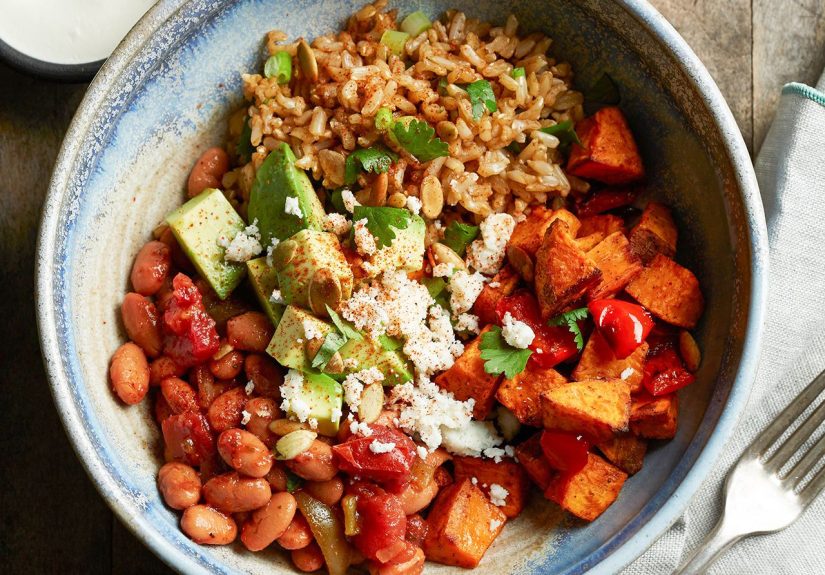
Sweet potatoes bring natural sweetness and fiber, while pinto beans add plant protein and a creamy texture. Roast the sweet potatoes with paprika and cumin, then layer them with beans, chopped lettuce, tomato, corn, and a spoonful of salsa. This is the kind of bowl that feels hearty enough for comfort food season but still fits a lighter eating plan.
7. Grilled Chicken Fajitas
Classic fajitas can be a great choice when the skillet isn’t swimming in oil. Use skinless chicken breast or thigh trimmed of excess fat, then cook it with peppers and onions until everything is smoky and tender. Serve with corn tortillas, pico de gallo, and guacamole in sensible portions. The vegetables stretch the meal beautifully, which means you do not need three handfuls of shredded cheese to feel happy.
8. Veggie-Packed Huevos Rancheros
This breakfast-for-dinner favorite becomes more heart-friendly when the base is a baked corn tortilla, the sauce is tomato-forward, and the plate includes beans and sautéed vegetables. Add one or two eggs, depending on your needs, then finish with avocado and cilantro. It feels comforting, colorful, and substantial without being greasy or overly salty.
9. Mexican Stuffed Peppers
Stuffed peppers are basically burritos that got their life together. Fill bell peppers with brown rice, black beans, diced tomatoes, corn, onion, and lean turkey or extra beans. Bake until tender, then top with a little cheese and salsa. Because the pepper itself is the star, you get more produce in every bite and less dependence on oversized tortillas.
10. Chicken Tortilla Soup with Extra Vegetables
A lighter tortilla soup starts with a broth-based tomato soup loaded with onions, peppers, zucchini, beans, and shredded chicken. Use baked tortilla strips instead of fried ones, and finish with avocado, lime, and cilantro. The soup is comforting enough for a chilly night and flexible enough for leftovers. Also, soup is one of the sneakiest ways to get people to eat more vegetables without filing a complaint.
11. Cauliflower Rice Taco Skillet
If you want a lower-carb dinner that still tastes festive, this one-pan skillet works. Cook lean ground turkey or plant-based crumbles with onions, peppers, cauliflower rice, tomatoes, and taco spices. Add black beans for fiber and texture. It is quick, filling, and ideal for meal prep because the flavors only get friendlier by day two.
12. Salmon with Avocado Corn Salsa
Mexican-inspired cooking is not limited to tacos and enchiladas. A roasted or grilled salmon fillet topped with avocado corn salsa brings healthy fats, bright acidity, and excellent contrast. Serve it with a side of cilantro-lime brown rice or grilled vegetables. It feels restaurant-worthy, but with a lot less butter and dramatically fewer mysteries.
13. Skinny Chicken Pozole Verde
Pozole is deeply comforting, and it does not need to be heavy. Use shredded chicken breast, hominy, tomatillos, poblano peppers, garlic, and onion for a broth that tastes rich without being weighed down. Garnish with cabbage, radish, cilantro, and lime. The toppings add crunch and freshness, making each bowl feel layered and satisfying.
14. Zucchini and Corn Quesadillas
Quesadillas get a bad reputation because many of them are essentially grilled cheese wearing a sombrero. This version fixes that. Use whole-grain or corn tortillas, fill them with sautéed zucchini, corn, onions, beans, and just enough cheese to hold the operation together. Serve with salsa instead of sour cream-heavy dips, and suddenly quesadillas are back on the nice list.
15. Taco Salad with Greek Yogurt Dressing
A good taco salad is not a sad pile of iceberg under a hailstorm of tortilla chips. Build yours with romaine, black beans, tomatoes, corn, red onion, avocado, grilled chicken or shrimp, and a crunchy sprinkle of baked tortilla strips. Swap heavy dressing for a Greek yogurt-lime dressing or simple salsa vinaigrette. It is crisp, filling, and ideal for lunch that does not lead to a 3 p.m. slump.
16. Bean and Brown Rice Stuffed Poblanos
Poblano peppers add depth and a gentle smoky note that makes lighter fillings taste richer. Stuff them with brown rice, black or pinto beans, onions, tomatoes, and a little cotija or shredded cheese. The result feels hearty enough for a main dish, but it is built mostly from pantry staples and vegetables, which is excellent news for both your grocery bill and your heart.
17. Baked Chicken Taquitos
Taquitos do not have to take a hot oil bath to be delicious. Roll shredded chicken, beans, and a touch of cheese into corn tortillas, brush lightly with oil, and bake until crisp. Serve with salsa, guacamole, or a yogurt-based dip. You still get that crunchy, snackable satisfaction, but without turning dinner into deep-fried finger food theater.
18. Chopped Mexican Salad with Citrus and Pumpkin Seeds
Sometimes the healthiest move is not to reinvent a classic but to build a genuinely exciting salad. Combine chopped romaine, cabbage, tomatoes, cucumber, jicama, black beans, orange segments, cilantro, and toasted pumpkin seeds. A citrus-lime dressing keeps it bright, and the beans plus seeds make it filling enough to stand on its own. It is crunchy, colorful, and proof that salad does not have to feel like an apology.
How to Lighten Up Mexican Favorites Without Losing the Plot
If you want to turn your favorite Mexican-inspired meals into healthy Mexican recipes, start with a few practical swaps. Choose corn tortillas more often than oversized flour wraps. Use beans to replace some or all of the meat in tacos, enchiladas, and bowls. Pick reduced-sodium beans, broth, and sauces when possible, or rinse canned beans well. Add vegetables to fillings until they look generous and cheerful rather than decorative. Use cheese as a finishing accent instead of the whole personality of the dish.
Another smart move is to treat toppings like supporting actors instead of method actors. Salsa, pico de gallo, shredded cabbage, radish, jalapeño, cilantro, and lime add enormous flavor with very little nutritional baggage. Avocado is great too, especially for replacing heavier creamy toppings, but portion matters. Think a few slices or a spoonful of guacamole, not an avocado landslide. Finally, watch restaurant-style portions at home. A burrito bowl should still fit in a bowl, not require a construction permit.
Conclusion
The best heart-healthy Mexican recipes do not feel like compromises. They feel colorful, bold, satisfying, and smart. When you build meals around beans, vegetables, lean proteins, whole grains, and vibrant toppings, you can keep all the flavor cues you love while trimming back the excess sodium, saturated fat, and heaviness that often sneak into restaurant-style versions.
So yes, you can absolutely enjoy tacos, enchiladas, fajitas, soups, bowls, and salads on a heart-conscious eating plan. You just need a lighter hand with the cheese, a heavier hand with the vegetables, and enough lime juice to make everything sing. That is not deprivation. That is just delicious editing.
What the Experience of Eating This Way Really Feels Like
One of the most surprising things about shifting toward lighter Mexican cooking is how quickly the food starts tasting more vivid, not less. At first, some people expect “heart-healthy” to mean skimpy portions, bland chicken, and the emotional energy of a dentist waiting room. But once you begin building meals around roasted vegetables, fresh salsa, beans, citrus, herbs, and grilled proteins, the overall experience becomes more colorful and much more interesting. The plate looks brighter. The kitchen smells better. The leftovers are actually something you look forward to eating instead of something you negotiate with at noon the next day.
There is also a practical pleasure to it. A lot of these meals are easier to cook than heavier restaurant-style versions. Burrito bowls, taco skillets, tortilla soup, stuffed peppers, and baked taquitos do not require a culinary degree or a dramatic soundtrack. They rely on affordable pantry ingredients and flexible combinations. You can use whatever vegetables are hanging out in the refrigerator looking nervous. You can stretch one pound of chicken or turkey farther by adding beans, onions, peppers, and zucchini. You can cook once and eat twice without the second meal feeling tired.
Another real-life benefit is how these meals tend to leave you feeling afterward. Instead of the classic post-feast slump, where your body asks whether lying on the floor counts as a wellness practice, lighter Mexican meals often feel satisfying without feeling punishing. You still get warmth, spice, crunch, creaminess, and comfort, but the meal lands differently. There is more energy afterward. Less heaviness. Less salt-induced thirst. Less of that vague feeling that dinner has won and you have lost.
People also tend to notice that healthy upgrades become easier over time. The first time you cut back on cheese, you may think, “Who hurt this quesadilla?” By the third or fourth time, your taste buds recalibrate. Suddenly you notice the sweetness of roasted corn, the snap of cabbage slaw, the richness of avocado, and the smoky depth of cumin and poblano. Flavor stops depending on excess fat and starts coming from actual ingredients. It is a small kitchen miracle, and unlike some miracles, it repeats reliably on weeknights.
Maybe the best part is that these meals still feel social. Taco bars, soup nights, fajita platters, and enchilada bakes are easy to share. Guests can customize toppings, kids can assemble their own tacos, and nobody has to hear the phrase “wellness food” unless they are very determined to ruin the mood. The experience stays festive, generous, and comforting, which matters because healthy eating only lasts when it still feels like real life. In that sense, heart-healthy Mexican cooking is less about restriction and more about rediscovery. You are not saying goodbye to favorite foods. You are meeting better versions of them and realizing they are, frankly, more fun to hang out with.