Table of Contents >> Show >> Hide
- Week 22 at a Glance
- Baby Development at 22 Weeks
- Common 22-Week Pregnancy Symptoms (and What Helps)
- 1) Belly growth, stretching, and “Is my skin supposed to feel this tight?”
- 2) Round ligament pain
- 3) Back pain and posture problems
- 4) Heartburn and indigestion
- 5) Constipation (plus its annoying sidekick: hemorrhoids)
- 6) Leg cramps, especially at night
- 7) Mild swelling (hands, feet, ankles)
- 8) Sleep weirdness (insomnia, vivid dreams, nighttime heartburn)
- Smart Tips for 22 Weeks Pregnant (Realistic, Not “Just Relax”)
- Prenatal Care and Appointments Around 22 Weeks
- When to Call Your Provider (Don’t “Power Through” These)
- Real-Life Experiences at 22 Weeks (The Stuff People Don’t Put on the Cute Letterboard)
- Conclusion
You’re 22 weeks pregnant. Translation: you’re deep into the second trimester, your baby has opinions (mostly about when you’re trying to sleep), and strangers may have started smiling at your belly like it’s a celebrity. Welcome to the “I can’t see my feet but I can definitely feel a tiny kick” era.
This week is a sweet spot for many people: the early nausea may have eased up, energy often improves, and the pregnancy starts feeling more realbecause your baby is now big enough to make their presence known on a regular basis.
Week 22 at a Glance
- Trimester: Second trimester
- “How many months is 22 weeks?” You’re nearing the end of month five (pregnancy months are famously weird).
- Baby’s size: Around 1 pound-ish, with measurements often described as about 7–8 inches crown-to-rump (and longer head-to-toe). In other words: not tiny anymore.
- Common themes: Belly growth, back and hip aches, heartburn, swelling, sleep gymnastics, and increasingly noticeable fetal movement.
Baby Development at 22 Weeks
Baby is growing fast (and getting stronger)
At 22 weeks, your baby is putting on more muscle and getting better at movingkicks, rolls, stretches, and the occasional dramatic shove into your bladder. Movements can still be irregular, but many people start noticing patterns: “Oh, so you’re a midnight gymnast. Got it.”
Senses are leveling up
Hearing is a big storyline in this part of pregnancy. Your baby is developing the ability to hear sounds, and your voice may become one of the most familiar inputs they get. If you’ve been narrating your life“Now we’re opening the fridge again…”congrats, you’re basically doing an audiobook.
Little features keep getting more detailed
Eyebrows, lashes, and fine hair development are commonly noted around this stage, along with more coordinated hand movements. Your baby is practicing skills they’ll need laterlike graspingjust without the urgent need to hold your finger yet.
Common 22-Week Pregnancy Symptoms (and What Helps)
Every pregnancy is its own quirky sitcom, but these are frequent “episodes” at 22 weeks.
1) Belly growth, stretching, and “Is my skin supposed to feel this tight?”
Your uterus is expanding to make room for your growing baby, and that can come with stretching sensations and itchiness as your skin adjusts. A fragrance-free moisturizer can help, and staying well-hydrated supports your skin from the inside too.
2) Round ligament pain
Round ligament pain often feels like a sharp, quick twinge in the lower belly or groinespecially when you change positions, stand up fast, cough, or sneeze. It’s common as the tissues supporting your uterus stretch.
Try: moving more slowly, bracing your belly when you cough/sneeze, gentle stretching, and using a supportive belly band if your provider says it’s okay.
3) Back pain and posture problems
As your center of gravity shifts, your lower back can start complaining loudly. Hormones also loosen joints and ligaments, which can add to the ache.
Try:
- Sitting with low-back support and avoiding slouching
- Keeping knees slightly lower than hips when seated (a small footstool helps)
- Supportive shoes (your back does not enjoy flimsy flats)
- Warm compresses, gentle prenatal stretching, and side-sleeping with a pillow between your knees
4) Heartburn and indigestion
Heartburn is common in the second trimester because pregnancy hormones relax the valve between your stomach and esophagus, and your growing uterus adds pressure. It can feel like a fiery little dragon behind your breastbone.
Try: smaller meals, avoiding lying down right after eating, limiting trigger foods (often spicy, greasy, or acidic), and sleeping slightly elevated if nights are rough. If you need medication, check with your provider firsteven for over-the-counter options.
5) Constipation (plus its annoying sidekick: hemorrhoids)
Pregnancy can slow digestion, and iron supplements can add to constipation. The fix is rarely dramaticbut it is effective with consistency.
Try: fiber-rich foods (fruit, veggies, whole grains), plenty of water, and gentle activity like walking. If constipation persists, ask your clinician what’s safe to use.
6) Leg cramps, especially at night
Some people get sudden calf or foot cramps, often after they finally found a comfortable sleeping position (rude). Gentle stretching and staying hydrated can help.
7) Mild swelling (hands, feet, ankles)
A bit of swelling can be normal as your body holds more fluid. But sudden swellingespecially in the face or handsor swelling paired with headache or vision changes deserves a call to your provider.
Try: elevating your feet, changing positions often, staying hydrated, and wearing supportive socks if recommended.
8) Sleep weirdness (insomnia, vivid dreams, nighttime heartburn)
Between bathroom trips, heartburn, and a brain that suddenly wants to think about every single life decision at 2 a.m., sleep can get choppy. Vivid dreams are also common.
Try: side-sleeping (often left side is recommended), a pregnancy pillow, a consistent bedtime routine, and avoiding heavy meals close to bedtime. If heartburn is the culprit, earlier dinners and a slight incline can help.
Smart Tips for 22 Weeks Pregnant (Realistic, Not “Just Relax”)
Eat like you’re building a tiny housebecause you are
At this stage, your nutrient needs are higher than pre-pregnancy. Many health sources emphasize extra protein, iron, calcium, and folic acidplus overall balanced meals. This doesn’t mean eating twice as much; it means eating more intentionally.
Easy, practical meal ideas:
- Breakfast: Greek yogurt with berries + granola, or eggs with whole-grain toast
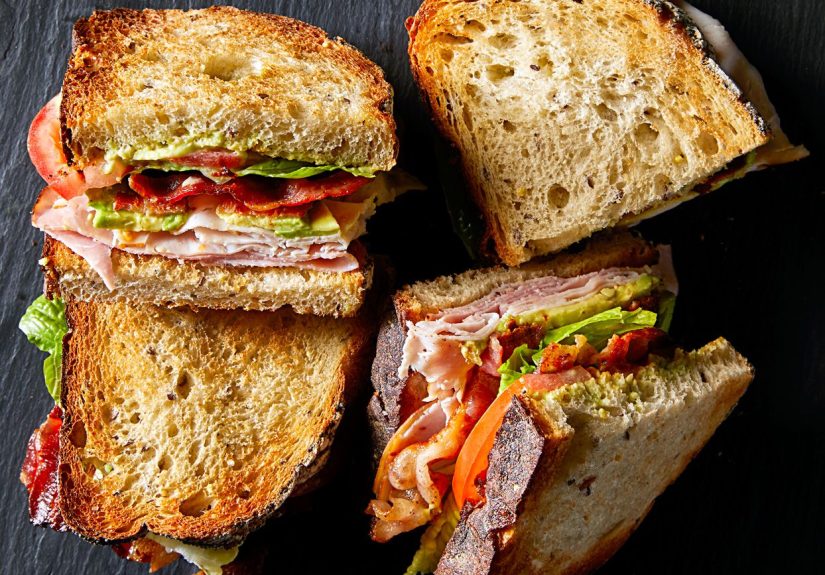
- Lunch: Turkey and avocado on whole grain + side salad, or a bean-and-veggie bowl
- Snack: Apple + peanut butter, hummus + carrots, or cheese + whole-grain crackers
- Dinner: Salmon (or another protein) + roasted veggies + brown rice or quinoa
Keep an eye on healthy weight gainwithout turning pregnancy into a math class
Weight gain recommendations depend on your pre-pregnancy BMI and whether you’re carrying one baby or multiples. Your clinician can personalize this, but the general ranges are widely published. If the scale is stressing you out, it’s okay to say that out loud at an appointmentyour provider can help you focus on trends and health, not daily numbers.
Move your body (if your provider says it’s safe)
For uncomplicated pregnancies, reputable medical guidance generally supports staying active with appropriate exercise. Think walking, prenatal yoga (modified), swimming, or light strength work. Use the “talk test”: you should be able to speak in full sentences while exercising.
Quick safety reminders:
- Avoid overheating and stay hydrated.
- Avoid high-risk activities where falling is likely.
- Avoid lying flat on your back for exercise after the first trimester if it makes you feel dizzy or unwell.
- Stop and call your provider if you have concerning symptoms (dizziness, chest pain, bleeding, or severe shortness of breath).
Upgrade your comfort setup
- Support pillow strategy: one between knees, one behind your back, and maybe one you hug (like a very supportive baguette).
- Back-friendly sitting: a chair with lumbar support, feet flat, shoulders relaxed.
- Bathroom planning: accept that your bladder is now a suggestion box your baby uses constantly.
Prenatal Care and Appointments Around 22 Weeks
Many people have had (or are about to have) the mid-pregnancy anatomy ultrasound, often scheduled somewhere around 18–22 weeks. It’s a detailed look at baby’s growth and development.
Over the next few weeks, a few common next steps may show up in your care plan:
- Tracking fetal movement: many people start noticing movement more consistently around this time, though patterns vary.
- Screening for gestational diabetes: commonly done in the second trimester, often between 24–28 weeks (timing can vary based on risk factors and your provider’s protocol).
- Routine checks: blood pressure, urine testing, measuring growth, and discussing symptoms.
When to Call Your Provider (Don’t “Power Through” These)
Some symptoms are worth a same-day callbecause peace of mind is a valid medical need, and so is early care when something’s off.
- Vaginal bleeding or leaking fluid
- Severe or persistent headache, vision changes, or sudden swelling (especially face/hands)
- Severe abdominal pain or cramping that doesn’t improve
- Fever/chills, trouble breathing, chest pain, or feeling faint
- Burning with urination or significant pain
- You feel something “isn’t right,” even if you can’t explain it perfectly
Real-Life Experiences at 22 Weeks (The Stuff People Don’t Put on the Cute Letterboard)
By 22 weeks, a lot of people describe pregnancy as feeling both magical and mildly inconvenientsometimes in the same hour. One of the most common “wow” moments is recognizing fetal movement as unmistakably baby. Early flutters can feel like bubbles or tiny taps, but around this point many people start saying, “Okay, that was a kick. We have a roommate.” Some feel it mostly at night, others after meals, and some only when they finally sit down. If you’re still not feeling much, especially in a first pregnancy, that can also be normalplacenta position and individual variation play a big role.
There’s also a surprising amount of negotiation with your own body. You may feel great during the day and then get hit with heartburn the moment you lie down, like your esophagus is protesting bedtime. People often experiment with “safe” dinner timing: eating a little earlier, keeping portions smaller, and discovering that their previous love for spicy food has suddenly become a long-term relationship with regret. Meanwhile, constipation can become a recurring themeone that’s not glamorous, but is extremely real. Many people find that a morning routine (water, fiber, a short walk) becomes their new best friend.
Comfort becomes a hobby. Some swear by pregnancy pillows; others build an elaborate nest of regular pillows that somehow ends up looking like a fort designed by an exhausted architect. Back pain can appear out of nowhereespecially after standing too long, carrying groceries, or sitting with poor posture. A lot of people say the biggest improvement came from small changes they didn’t expect to matter: supportive shoes, a chair with better back support, and remembering to switch positions more often. Belly bands get mixed reviewssome love the extra support, others feel like it’s just one more thing touching them (and at 22 weeks, you may already feel like everything is touching you).
Then there’s the social side. This is often the stage when friends and family start offering advice like it’s a competitive sport. Some tips are helpful; others belong in the museum of “Things We No Longer Say.” Many people find it useful to set gentle boundaries earlysomething as simple as, “Thanks, I’m following my provider’s guidance,” can shut down the wilder suggestions without starting a debate. And emotionally, it’s normal for excitement to coexist with worry. Plenty of parents-to-be describe lying awake, not because of physical discomfort, but because their brain decides 2:00 a.m. is the perfect time to plan childcare, finances, and the meaning of life.
Finally, a lot of people say week 22 is when pregnancy becomes more visibly “public.” The bump looks like a bump, not like you had an extra-large lunch. That can be fununtil someone tries to touch your belly like it’s a magic lamp. (You are allowed to dodge. You are allowed to say no. You are allowed to pretend you suddenly remembered an urgent appointment.) If nothing else, week 22 teaches you adaptability: your body is changing, your baby is growing, and you’re learningday by daywhat helps you feel strong, comfortable, and supported.
Conclusion
At 22 weeks pregnant, you’re in a busy, exciting phase: baby is growing stronger, movement becomes more noticeable, and your body is working overtime to keep everything running smoothly. Focus on the fundamentalsbalanced nutrition, safe movement, good sleep strategies, and consistent prenatal care. And if a symptom feels “off,” trust your instincts and call your provider. You’re not overreactingyou’re practicing excellent parenting.