Table of Contents >> Show >> Hide
- Why Water Freezes the Way It Does
- Way #1: Freeze Water in a Standard Freezer
- Way #2: Freeze Water with an Ice-and-Salt Bath
- Way #3: Supercool Water and Trigger Instant Ice
- Which Method Is Best?
- Tips for Better Results No Matter Which Method You Use
- Conclusion
- Real-Life Experiences Related to Freezing Water
Freezing water sounds hilariously easy until you actually try to do it well. Sure, you can toss a tray into the freezer and call it a day. But if you want cleaner ice, faster results, or that dramatic “wait, why did it turn solid all at once?” science-demo moment, water suddenly becomes far more interesting than it looks in a glass.
At its most basic level, water freezes at 32 degrees Fahrenheit, or 0 degrees Celsius. That part is simple. The fun begins when you realize that the way water freezes depends on temperature, container size, airflow, impurities, and whether the water gets a little help from salt or a seed crystal. In other words, ice is not just frozen water. It is frozen water with an attitude.
This guide breaks down three practical and science-backed ways to freeze water: the standard freezer method, the ice-and-salt method, and the supercooling method that creates instant ice on demand. Along the way, you will also learn what slows freezing down, why containers matter, and how to avoid the classic mistake of filling a bottle so full that it turns into a tiny frozen disaster.
Why Water Freezes the Way It Does
Before getting into the three methods, it helps to know what is happening. Water molecules move around freely in liquid form. As water cools, those molecules lose energy. Once conditions are cold enough, they begin forming a crystal structure we call ice. That transition usually begins around 32 degrees Fahrenheit.
But here is the twist: water does not always freeze the exact second it hits that temperature. In everyday situations, impurities and rough surfaces often help ice crystals form. In very clean conditions, however, water can cool below its normal freezing point and remain liquid for a short time. That is called supercooling, and it is the reason some bottles of water seem to freeze instantly when bumped, poured, or touched with ice.
So if you have ever wondered why one tray freezes normally while another bottle stays suspiciously liquid until you disturb it, congratulations. You have already been personally ghosted by ice nucleation.
Way #1: Freeze Water in a Standard Freezer
The classic method that works for almost everything
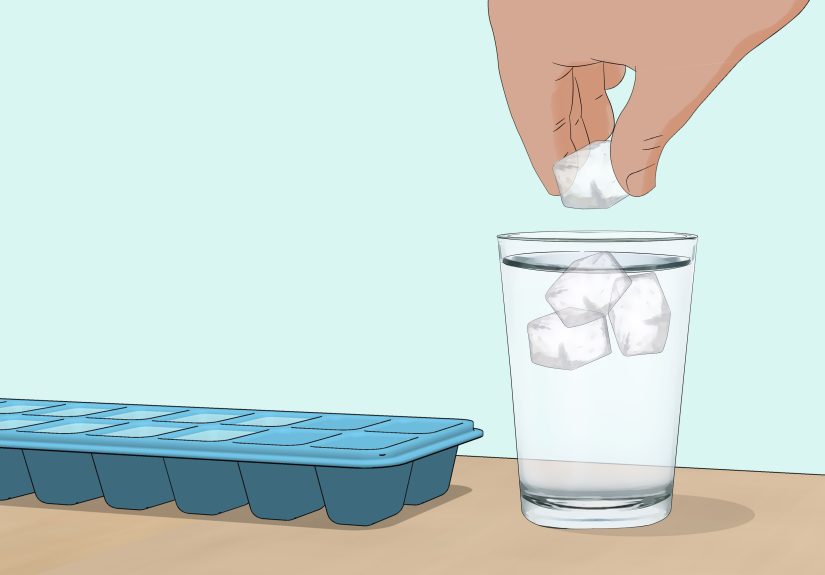
The most reliable way to freeze water is still the ordinary freezer. It is not flashy, and it will never trend on social media as “ice hacking,” but it gets the job done with the least drama. If your goal is to make ice cubes, freeze drinking water for emergencies, chill bottles, or store water as frozen backup during a power outage, this is the method to trust.
A proper freezer should hold at or below 0 degrees Fahrenheit. At that temperature, water freezes steadily and frozen items stay safely solid. Smaller amounts of water freeze faster than large ones, which is why shallow ice cube trays beat a giant container every time. Thin layers lose heat more quickly, so the cold reaches the center faster.
How to do it well
- Use a clean tray, bottle, or freezer-safe container.
- Leave headspace if the water is in a rigid container, because water expands as it freezes.
- Do not overcrowd the freezer. Cold air needs room to circulate.
- Freeze smaller portions when you want faster results.
- Keep the freezer door closed as much as possible so the temperature stays stable.
If you are freezing water in bottles, do not fill them right to the top. Water expands when it turns to ice, and that extra volume can split a weak container or deform a rigid one. Plastic freezer-safe bottles usually handle expansion better than random glass jars from the back of the cabinet. That spaghetti sauce jar may look brave, but ice has ended stronger relationships than that.
Best uses for the freezer method
This method is ideal for everyday ice cubes, meal prep, cooling packs, emergency water storage, and any situation where consistency matters more than speed. It is also the best method when you want the freezing process to be predictable. No chemistry tricks. No suspense. Just cold, dependable results.
The only downside is time. If you need ice in a hurry, the standard freezer is more marathon than sprint. It wins on reliability, not drama.
Way #2: Freeze Water with an Ice-and-Salt Bath
The faster, science-class method
If you want to freeze a small amount of water more aggressively than a plain freezer or want to experiment with rapid cooling, an ice-and-salt bath is a smart option. This method is based on a simple principle: adding salt lowers the freezing point of water. That means the salty slush around your container can become colder than a bowl of plain ice water.
This is the same reason salt is used in traditional ice cream making. The salty ice mixture gets colder than 32 degrees Fahrenheit, which allows it to pull heat out of nearby liquid more effectively. So while salt does not magically make the water in your cup freeze at a warmer temperature, it does help create a colder environment around that water.
How the method works
Picture a bowl filled with ice and a generous amount of salt. As the salt interacts with the melting ice, the freezing point of that mixture drops. The slushy bath becomes colder than plain ice alone. Put a small container of water in the middle, and heat leaves the water faster. The result is faster cooling and, in some cases, freezing or near-freezing conditions for small amounts.
When this method shines
- Cooling small portions of water quickly
- Science demonstrations
- Making “instant ice” setups possible
- Showing how freezing point depression works in real life
This method works best with small volumes. A giant pitcher of water is not going to surrender gracefully to a bowl of salty ice. But a small glass, cup, or sealed bottle can cool rapidly enough for some pretty dramatic results.
Common mistakes
The biggest mistake is adding salt directly to the water you are trying to freeze. That changes the water itself and lowers its freezing point, making it harder to freeze under normal conditions. Another mistake is assuming more salt automatically means better results forever. There is a useful range, but turning the bowl into a mineral deposit is not necessary.
Also, do not confuse “very cold” with “instantly frozen.” This method often works best as a setup for the third method rather than a full replacement for a freezer when making lots of ordinary ice.
Way #3: Supercool Water and Trigger Instant Ice
The show-off method
This is the method that makes people stare and say, “Do that again.” Supercooling happens when very clean water is cooled below its normal freezing point but stays liquid because ice crystals have not started forming yet. The water is basically ready to freeze, but it is waiting for a trigger. That trigger might be a shake, a bump, pouring the water, or touching it with a piece of ice.
Once the trigger appears, the water crystallizes quickly. It can look like the liquid turns to slush or solid ice in an instant. It is one of the most satisfying little science tricks you can do with nothing more exotic than clean water, cold temperatures, and patience.
Why it works
Ice crystals usually need a starting point, called a nucleation site. Tiny particles, rough spots, or an existing crystal can give the water molecules a place to line up and build that frozen structure. In very pure water, especially when handled gently, there may not be enough nucleation sites. So the water stays liquid even below 32 degrees Fahrenheit. The moment you disturb it or introduce a seed crystal, the freezing process begins fast.
How to improve your chances
- Use purified or distilled water rather than ordinary tap water.
- Use a very clean bottle or glass.
- Cool the water slowly and leave it undisturbed.
- Avoid shaking, dropping, or bumping the container before you are ready.
- Use an ice cube or cold surface as the trigger.
This method is less predictable than the standard freezer method because small differences matter. One bottle may supercool beautifully while the next one freezes early because it had more impurities, a rougher interior, or one accidental bump. Supercooling is basically water being dramatic because it knows you invited an audience.
Who should use it
Use this method if you want a fun science activity, a classroom-friendly demo, or a memorable way to explain how freezing really works. It is not the best method if your only goal is to fill a cooler before a road trip. It is the best method if your goal is to make people think you briefly learned wizardry.
Which Method Is Best?
The answer depends on what you want.
- Choose the standard freezer if you want dependable, everyday ice.
- Choose the ice-and-salt bath if you want faster cooling or a more hands-on science-based method.
- Choose supercooling if you want the most interesting visual effect and do not mind a little trial and error.
For most households, the freezer method is still king. It is easy, consistent, and perfect for regular use. The other two methods are excellent when speed, science, or curiosity matters more than routine convenience.
Tips for Better Results No Matter Which Method You Use
- Start with clean water and clean containers.
- Use smaller amounts for faster freezing.
- Leave room for expansion in bottles and rigid containers.
- Keep temperatures stable instead of constantly opening doors or moving containers.
- Remember that salt lowers freezing points, so it belongs around the water in some methods, not always in it.
- Do not overload your freezer and expect instant miracles.
And one more practical note: if your real goal is great-looking ice, freezing water is only half the story. Air bubbles, container shape, and freezing speed all affect clarity. That is an entirely different rabbit hole, and yes, it is filled with people who care deeply about cocktail cubes.
Conclusion
Water may be one of the simplest substances in your house, but freezing it can be surprisingly fascinating. The standard freezer method is the dependable workhorse. The ice-and-salt bath adds a smart bit of chemistry for faster cooling. Supercooling shows that water can play by the rules and still keep one eyebrow raised.
If you just want ice for a drink, method one is your best friend. If you want to experiment, method two gives you a colder setup with a clear science lesson built in. And if you want the kind of freeze that makes people lean in and say, “Okay, now that was cool,” method three wins the trophy.
So yes, there are three solid ways to freeze water. One is practical. One is clever. One is dramatic. And honestly, that is a pretty strong résumé for something that usually just sits there in a glass.
Real-Life Experiences Related to Freezing Water
One of the most common experiences people have with freezing water is discovering that “put it in the freezer” is not always the whole story. Someone fills a reusable bottle to the brim, comes back later, and finds the cap bulging like it is holding a grudge. That moment teaches an unforgettable lesson: frozen water takes up more space than liquid water. It seems obvious after the fact, but many people only remember it after sacrificing a perfectly innocent container.
Another familiar experience happens during party prep. You realize guests are arriving soon, the drinks are warm, and the ice tray is still mostly optimistic liquid. That is when people begin experimenting. They spread water into shallower trays, move items around for better airflow, or reach for the salt-and-ice trick after remembering it from an old science class or homemade ice cream project. Even when the method does not create perfect cubes instantly, it usually teaches the same lesson: surface area and temperature control matter more than wishful thinking.
Then there is the supercooling experience, which feels like science fiction the first time it works. A bottle looks completely liquid. You tap it, pour it, or touch it with ice, and suddenly it turns into slushy ice right in front of you. People who try this for the first time usually react in one of two ways. Either they laugh because it feels like a magic trick, or they immediately want to do it again with a second bottle. The funny part is that the second bottle often refuses to cooperate, which is a perfect demonstration of how sensitive freezing can be to impurities and disturbance.
Cold-weather experiences also change how people think about freezing water. Anyone who has left a case of bottled water in a car overnight during a hard freeze has probably seen at least one bottle go solid while another stays partly liquid. Outdoor freezing is rarely as uniform as people expect. Wind, container size, the surface underneath, and whether the bottle was already chilled can all affect the result. That unpredictability is why water freezing outdoors feels simple in theory and weirdly personal in practice.
There are also practical emergency experiences. Some households freeze containers of water on purpose before storms or heat waves, not just for drinking later but to help keep the freezer cold during a power outage. That is one of those quietly brilliant habits that does not feel important until the lights go out. In those moments, frozen water stops being a science curiosity and starts acting like a backup plan.
And of course, there are the kitchen experiences. People freeze water with herbs for cooking, in trays for coffee drinks, in bottles for lunch coolers, or in giant molds for punch bowls and coolers. In each case, they learn the same truth in different costumes: freezing water is easy, but freezing water well takes a little thought. The container, the timing, the amount, and the temperature all make a difference.
That is why this topic stays interesting. Freezing water is ordinary enough to happen every day, but quirky enough to keep surprising people. One day it is an ice cube. The next day it is a swollen bottle, a science demo, a storm-prep trick, or a last-minute party rescue. Not bad for a substance most of us only notice when we spill it.