Table of Contents >> Show >> Hide
Clean-cut doesn’t mean “wear a suit and look like you sell yachts.” It means you look put together on purpose: hair handled, clothes intentional, and the little details (the ones people notice without realizing they noticed) quietly doing their job.
The good news: a neat, clean-cut appearance isn’t about expensive brands or a perfect jawline. It’s about maintenance. Think of yourself like a well-kept car: not flashy, just obviously cared for. The better news: it’s mostly small habits that take minutes, not hours.
Below are three practical ways to pull off that tidy, polished vibewhether you’re dressing for work, an interview, a date, a family event, or just because you’re tired of your reflection looking like it just lost a fight with a laundry basket.
Way 1: Keep Hair, Face, and Skin “On Purpose”
If you do nothing else, do this: make your hair and face look like you chose them. Clean-cut starts at eye level.
Get a haircut plan (not a haircut emergency)
Most people don’t look messy because their hair is “bad.” They look messy because their hair is in its awkward grown-out phase, where it can’t decide if it’s a style or a cry for help.
- Pick a haircut that grows out well. Shorter on the sides with some length on top is popular for a reason: it stays tidy longer.
- Know your “too long” signal. For many folks, it’s when the hair touches the ears, the neckline looks fuzzy, or the front won’t behave without a helmet.
- Maintenance beats perfection. A decent cut kept consistent will look better than an amazing cut you get once every seven lunar eclipses.
Facial hair: either commit or quit
A clean-cut look doesn’t demand a clean shave. It demands edges. Stubble, beard, mustacheany of it can look sharp if it’s shaped and intentional.
- Define the neckline. Random neck growth is the #1 “I just woke up” giveaway.
- Trim to a consistent length. When the sides are one length and the chin is another, it can look like your beard is auditioning for multiple roles.
- Check the mustache line. If it’s creeping into your mouth, it’s no longer facial hairit’s a snack hazard.
Skin basics that make you look instantly cleaner
You don’t need a 12-step routine or a bathroom shelf that looks like a chemistry lab. A neat appearance comes from skin that looks clean and comfortable, not irritated and shiny in the “did you run a marathon?” way.
- Wash your face consistently. Morning and/or night is fineconsistency matters more than perfection.
- Moisturize if you’re dry. Flaky skin can make even great grooming look unfinished.
- Use sunscreen when you’ll be outside. It’s the long-game move that keeps “clean-cut” from turning into “crispy-cut.”
Hands, nails, and the “small distance” details
People notice your hands more than you thinkhandshakes, coffee cups, phones, keyboards. Clean-cut lives in that zone.
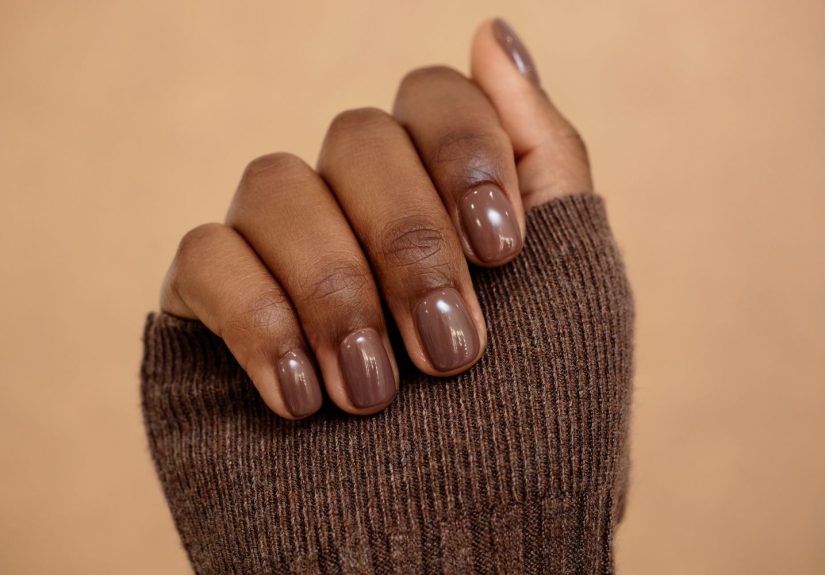
- Trim nails regularly. Not “when they start typing before you do.”
- Clean underneath. This is the quiet villain of otherwise good grooming.
- Moisturize your hands. Dry, cracked knuckles read as neglected even if everything else is perfect.
Smell clean (not loud)
“Clean-cut” smells like fresh laundry and good hygienenot like you got into a wrestling match with a cologne counter.
- Daily basics: clean body, clean clothes, deodorant.
- Fragrance rule: if someone can smell you from across the room, that’s not confidencethat’s a weather event.
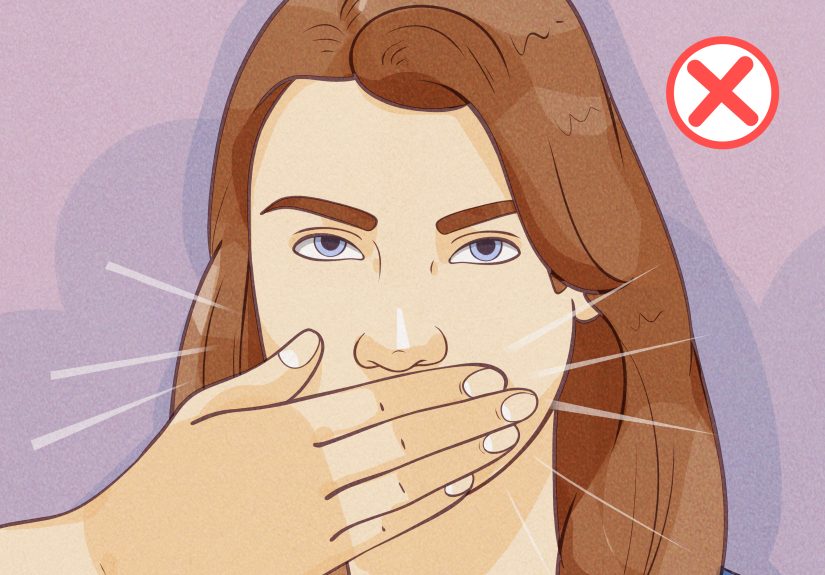
- Breath check: brush consistently and clean between teeth daily. Keep sugar-free gum or mints for insurance.
Way 2: Wear Clean, Well-Fitting Clothes (Wrinkles Are the Enemy)
You can have the best haircut on Earth, but if your shirt looks like it was stored in a crumpled ball under your bed, you’re giving “before” not “after.” Clothes don’t need to be expensive. They need to look clean, fitted, and cared for.
Fit is 80% of “clean-cut”
Fit is the secret cheat code. Even a basic T-shirt looks sharp when it fits well.
- Shoulders: seams should sit near the edge of your shoulders.
- Length: shirts shouldn’t swallow your hands or expose your midsection when you move.
- Pants: avoid pooling fabric at the ankle; hemming is underrated.
Example: A plain white tee + dark jeans + clean sneakers can look sharper than a “nice” outfit that’s too big and wrinkled.
Wrinkle control: iron, steam, or “hot shower hack”
Wrinkles don’t just look casualthey look careless. The goal is “fresh,” not “folded by angels.”
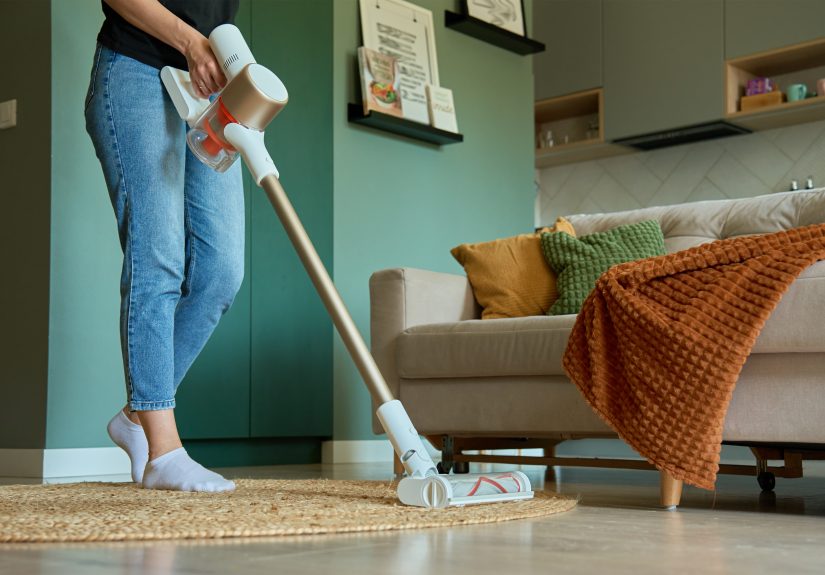
- Fast option: a handheld steamer (great for shirts, sweaters, and quick touch-ups).
- Classic option: an iron for crisp collars and sharp lines.
- Emergency option: hang clothes in the bathroom during a hot shower to loosen light wrinkles.
Lint, pet hair, and stray threads: the invisible saboteurs
If wrinkles are the enemy, lint is the sneak attack. It’s tiny, it’s everywhere, and it ruins photos.
- Keep a lint roller at home and in your car/bag.
- Do a “mirror scan” before leaving: shoulders, chest, and the back of dark pants.
- Cut loose threads (don’t yank themunless you enjoy surprise holes).
Shoes are a loud detail (even when you’re quiet)
People pretend they don’t judge shoes. They do. Shoes are like punctuation: they finish the sentence.
- Clean sneakers look intentional; dirty sneakers look accidental.
- Leather shoes benefit from occasional polishing and basic care.
- Socks matter: holes, sagging, or neon chaos can undo a polished outfit fast.
Build a simple “clean-cut uniform”
This isn’t about dressing boringit’s about removing friction. When your basics are solid, you look sharp without thinking too hard.
- Casual clean-cut: fitted tee or henley, dark jeans/chinos, clean sneakers or boots, simple watch.
- Business casual: collared shirt or polo, chinos, belt, clean loafers or dress shoes.
- Smart casual: button-down + sweater/jacket, darker pants, tidy shoes.
Way 3: Master the “Little Signals” (Hygiene, Posture, and Polish)
This is where clean-cut turns from “nice outfit” into “this person has it together.” The details don’t need to be obsessive. They just need to be handled.
Oral hygiene: the confidence multiplier
Fresh breath and a clean smile are quietly powerful. They also make you more willing to talk to people up closebecause you’re not mentally calculating the blast radius of your lunch.
- Brush consistently and clean between teeth daily.
- Don’t forget the tongue. A quick tongue-clean can help with breath freshness.
- Hydrate. Dry mouth can make breath worse, especially after coffee.
Body hygiene: clean skin, clean clothes, clean routine
“Neat” is often less about products and more about freshness.
- Shower as needed (especially after sweating).
- Use deodorant and reapply if your day runs long.
- Wear clean clothes and don’t re-wear items that hold odor (especially gym gear).
Posture and presence: the invisible haircut
You can look sharp and still read as sloppy if your posture says “defeated office chair.” Clean-cut includes how you carry yourself.
- Stand tall: shoulders relaxed, chin neutral (not up like you’re sniffing for drama).
- Walk with purpose: not rushed, not draggedjust steady.
- Eye contact and a simple smile do more than any jacket ever will.
Accessories: fewer, better, cleaner
Accessories should look intentional, not like you were collected by a magnet.
- One watch or a simple chain can elevate an outfit.
- Match metals (or at least don’t mix five different finishes at once).
- Keep belts and bags clean. A beat-up bag can make a sharp outfit look tired.
A 10-minute “clean-cut reset” before you leave
- Quick mirror check: hairline, neckline, eyebrows (if needed), and facial hair edges.
- Freshen face: rinse or wipe, moisturize if dry.
- Clothes scan: wrinkles, stains, lint, pet hair.
- Shoes: quick wipe if dusty; check laces.
- Breath: brush or mint; deodorant check.
- Pockets: remove random clutter bulges (keys are fine; a whole toolbox is not).
Conclusion: Clean-Cut Is a Habit, Not a Costume
A neat, clean-cut appearance is really three things working together:
- Grooming that looks deliberate (hair, face, skin, nails).
- Clothes that fit, are clean, and are wrinkle- and lint-controlled.
- Details that signal “I’m on top of things” (breath, posture, shoes, simple accessories).
Once you get the basics down, you stop “trying to look put together” and start being put togetherwhich is a lot less exhausting. And honestly, it feels good to walk out the door knowing your appearance is helping you, not distracting you.
Real-World Experiences: What People Notice (and What Actually Works)
When people start aiming for a neat, clean-cut appearance, they often expect dramatic reactionscompliments, attention, maybe a slow clap from strangers in the grocery store aisle. What usually happens is subtler and more useful: the world gets easier to move through.
For example, in a job interview (or even a “quick chat” with a manager), looking clean-cut tends to reduce friction. It’s not that appearance magically replaces skills. It’s that a polished look removes the tiny doubts people can’t always articulate. When your shirt is pressed and your grooming is sharp, you don’t make anyone wonder if you’ll be equally careless with deadlines. The vibe becomes, “This person is prepared.”
On dates, clean-cut doesn’t mean overdressed. It means you look like you made an effort without making it weird. People often report feeling more relaxed when they know their hair isn’t doing something chaotic and their clothes aren’t wrinkled into modern art. That calm shows up in conversation. You’re more present, less self-conscious, and you don’t do that thing where you keep adjusting your collar like you’re trying to escape your own shirt.
Social events are another place where clean-cut quietly wins. Weddings, family parties, networking eventsthese are full of photos. A clean outfit and tidy grooming can make you look better in pictures without any special tricks. The “camera-ready” effect isn’t about having model features; it’s about avoiding the obvious stuff: lint on dark clothing, shiny forehead from skipping basic skincare, hair that’s grown out into a confused halo, or shoes that look like they survived a mud-based reality show.
One of the biggest real-life lessons people learn is that maintenance beats motivation. The clean-cut look is easier when you stop relying on willpower and start relying on systems. Keeping a lint roller by the door, hanging shirts immediately after drying, and setting a repeating haircut schedule are boring movesbut boring is the point. Boring habits create consistent results.
Another common experience: the “small kit” becomes a secret weapon. People who look polished consistently often keep a few basics nearby: mints or gum, travel deodorant, a lint roller, a stain pen, and maybe a comb. It’s not vanity; it’s insurance. Spilled coffee doesn’t have to ruin your day if you can fix it in two minutes.
Finally, many people notice that once they clean up the basics, they naturally upgrade their posture and confidence. Not because they’re suddenly a different person, but because they’re not carrying the mental noise of “Do I look sloppy?” Clean-cut doesn’t change who you areit just lets who you are show up without distraction.