Table of Contents >> Show >> Hide
Let’s get one thing straight: “keeping your man happy” is not a full-time job, a personality type, or a competitive sport where the prize is a half-hearted “k” text.
A healthy relationship isn’t built on you performing happiness for him like you’re running a one-person amusement park. It’s built on two people creating a life where
both feel safe, wanted, respected, and genuinely liked.
Still, most men (like most humans) tend to light up when three things are consistently present: appreciation, connection, and a sense that home is a place where they can
breathe. Below are three practical, research-backed ways to strengthen those thingswithout turning into a motivational poster or repeating the same “communication is key”
line until your boyfriend turns into a lock.
1) Make Respect and Appreciation the Default Setting
If love is the engine, appreciation is the oil. Without it, even a great relationship starts making weird noises and eventually refuses to start on Monday morning.
A lot of men don’t need grand speeches. They need consistent signals that you notice their effort, value their character, and respect who they are.
What this looks like in real life
- Catch effort, not just outcomes. Instead of only praising the “win,” notice the try: “I saw you pushing through today. That matters.”
- Say the quiet part out loud. If you’re thinking “I’m lucky,” don’t keep it in your skull. Send the text.
- Respect is sexy. Eye-rolls, sarcasm, and public correction might feel “small,” but they hit like a tiny hammer over time.
Upgrade “thanks” into appreciation that actually lands
“Thanks” is fine. But specific appreciation is unforgettable. Try this simple formula:
What he did + what it meant + who it shows he is.
- “Thanks for handling dinner. It made my night easier. You’re really thoughtful.”
- “I appreciate you checking in today. It helped me feel less alone. You’re a solid partner.”
- “The way you stayed calm with my family? Legendary. That patience is one of my favorite things about you.”
The respect test (quick and slightly spicy)
Ask yourself: Do I speak to him in a way I’d speak to someone I admire? If the answer is “only when he brings me tacos,” you’ve found a growth area.
Respect doesn’t mean you never disagreeit means you don’t turn disagreement into a demolition project.
Specific examples you can use this week
- Morning boost: “One thing I love about you is ___.” (Yes, it feels cheesy. So do nachos. Both are good.)
- After work: “You’ve been carrying a lot lately. I see it.”
- In public: Compliment him to someone else while he’s within earshot. It’s subtle. It’s powerful. It’s basically emotional skincare.
Bonus: appreciation is not “lying to keep the peace.” If something’s not working, you can still bring it upjust don’t wrap criticism in contempt and call it honesty.
Honesty without kindness is just a punch wearing a nametag.
2) Create Daily Connection (Not Just “We Live Here Together”)
Many relationships don’t explodethey slowly drift. People get busy, tired, stressed, glued to screens, and suddenly you’re roommates who occasionally kiss and share
a streaming password. Connection isn’t one big romantic event. It’s a daily habit of turning toward each other in small moments.
Practice “micro-connection” (the 5-minute magic)
You don’t need a weekend getaway. You need consistent tiny moments where he feels: “You’re with me.”
Micro-connection can look like:
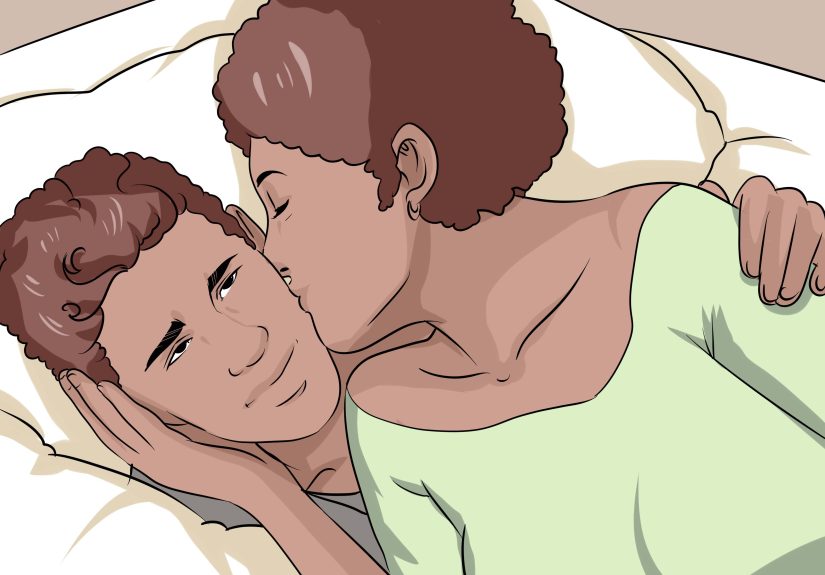
- The 6-second kiss (long enough to feel like a choice, not a drive-by).
- Two minutes of eye contact while he talks, phone down, no multitasking.
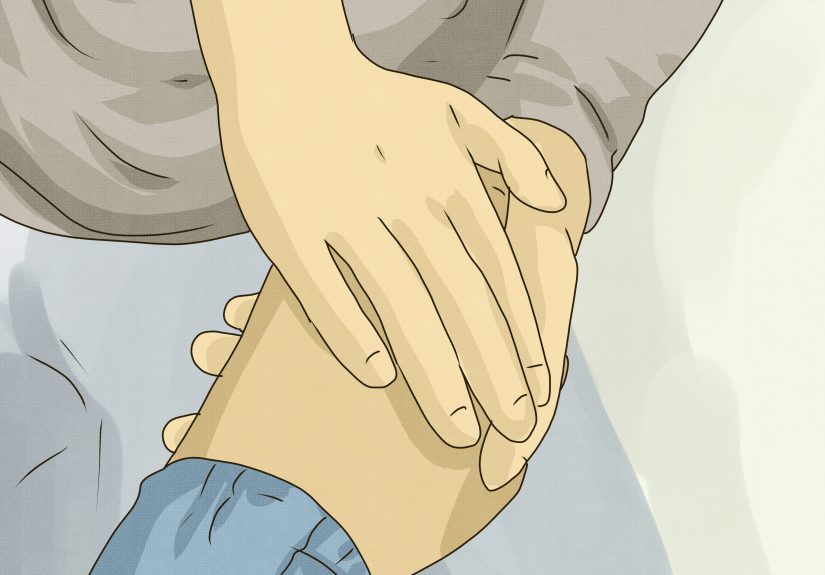
- A small touch when you passhand on shoulder, squeeze on the arm, quick hug from behind.
- A “tell me more” question that shows you’re actually curious, not just collecting facts for a quiz later.
How to talk so he doesn’t feel attacked
If you want him to stay emotionally present, the way you start hard conversations matters. Try a “soft start”:
- Instead of: “You never help around here.”
- Try: “I’m feeling overwhelmed. Can we figure out a better split for chores?”
The goal isn’t to tiptoe around him. It’s to keep the conversation on the problemnot on whether he’s a terrible human being who was raised by wolves and an iPad.
Listen like you want to understand (not like you’re loading ammunition)
A lot of men shut down when they sense the conversation is a courtroom and they’re already guilty.
Try this pattern:
- Reflect: “So what I’m hearing is…”
- Validate: “That makes sense that you’d feel that way.”
- Clarify: “Is the main thing you need from me support, solutions, or space?”
That last question is a relationship cheat code. Some men want practical help. Some want empathy. Some want 20 minutes to decompress and re-enter civilization.
When you ask, you stop guessingand guessing is where arguments are born.
Build a “daily debrief” ritual
Pick a consistent timeten minutes after dinner, right before bed, during a walkand make it your check-in. Keep it simple:
- One good thing from the day
- One stressful thing from the day
- One thing you appreciated about each other
This isn’t a corporate stand-up meeting. It’s a small, reliable way to keep emotional intimacy aliveespecially during busy seasons when romance is competing with
work, family, and that one friend who sends 47 TikToks a day.
3) Protect Attraction: Friendship + Fun + Physical Intimacy
A lot of couples assume attraction is either “there” or “gone.” In reality, attraction is often maintained by intentional choices:
shared experiences, playful energy, and a physical connection that doesn’t vanish the moment life gets real.
Keep dating him (yes, even if you already “got” him)
The best long-term relationships don’t stop courting. They evolve it. Keep the “us” energy alive with low-effort dates:
- Try a new food spot and rate everything like you’re secretly a food critic.
- Cook one meal together with music on and phones away.
- Go for a drive with a “no heavy topics” rulejust stories, laughter, and snacks.
- Do something slightly competitive: mini golf, arcade, trivia night, bowling. Playfulness builds chemistry fast.
Speak his “love language” (without turning it into a personality test)
People tend to feel loved in different ways: words, actions, time, gifts, touch. You don’t need to label it perfectlyjust notice what lands for him.
- If he melts when you praise him, use words of affirmation more often.
- If he’s happiest when you hang out uninterrupted, prioritize quality time.
- If he feels cared for when you help, try acts of service (and don’t keep score like a sports announcer).
- If he’s a hug-driven human, physical touch matters more than you think.
Make intimacy a conversation, not a guessing game
Physical intimacy is one of the most common sources of silent resentmenton both sides. Instead of hoping it improves through telepathy, talk about it like adults who
like each other. Keep it light, not accusatory:
- “I miss being close to you. Can we plan a night this week that’s just for us?”
- “What makes you feel most wanted?”
- “What’s one thing we could try to keep things fun?”
Intimacy isn’t only about sex, either. It’s about affection, flirting, and feeling chosen. A playful text, a lingering kiss, a compliment when he least expects it
those are small sparks that keep the whole system warm.
Give him room to be himself (and keep your own life, too)
Nothing kills attraction faster than feeling controlledor feeling like the relationship is a bubble where neither person can breathe.
Encourage his friendships, hobbies, and goals. Keep yours too. Two whole people make a stronger couple than two half-people clinging like wet paper towels.
And here’s the important boundary note: keeping your man happy should never require tolerating disrespect, manipulation, or any form of abuse. Healthy love includes
safety, consent, and mutual care. If those aren’t present, the “three ways” list is not the problemthe relationship dynamic is.
Experience Notes: 500+ Words of Real-World Moments That Work
Over and over, couples describe the same pattern: it’s rarely the big anniversary trip that fixes things. It’s the Tuesday moments. The “I’m on your team” energy.
The little choices that say, “You matter to me, even when I’m tired.”
One common experience looks like this: a guy comes home after a brutal day and he’s quieter than usual. His partner, feeling the distance, starts asking rapid-fire
questionsWhat’s wrong? Did I do something? Are you mad?and now he feels cornered, she feels rejected, and the mood drops through the floor. When couples change that
pattern, it’s often with one simple shift: a softer welcome and a clearer option. Something like, “Hey, you seem wiped. Want to talk, want a hug, or want 20 minutes
to decompress?” That sentence does two things at once: it shows care, and it respects autonomy. Many men describe that combination as instantly calming.
Another common moment: he does something helpful (takes out the trash, fixes something, handles a stressful call), and it goes unnoticed because it’s “what adults do.”
Then, weeks later, both people feel unappreciated for different reasons. When couples start naming effort in real time“Thank you for handling that, it helped me”the
entire emotional climate changes. Men often report feeling more motivated to keep showing up, not because they’re chasing praise like a golden retriever, but because
appreciation makes partnership feel worth it. And women often report feeling softer and more connected because gratitude reduces that low-grade resentment that builds
when you feel alone in the workload.
A third experience shows up in long-term relationships: fun disappears. Life becomes logisticsbills, chores, errands, family obligationsand romance turns into a
monthly committee meeting. The couples who recover usually do something almost annoyingly simple: they schedule play. Not a fancy date night every weekjust intentional
novelty. Trying a new restaurant. Learning a recipe. Walking a different route. Competing in a dumb game. The laughter that comes from shared novelty rebuilds
friendship, and friendship makes intimacy feel natural again.
Then there’s the “argument loop” that many couples recognize instantly. She raises a concern. He hears criticism. He shuts down or gets defensive. She escalates to be
heard. He retreats further. Everyone loses. The couples who break that loop tend to adopt two habits: (1) starting with feelings and needs instead of accusations,
and (2) repairing quickly. Repairs can be tiny: “I’m getting worked upcan we restart?” or “I’m not trying to fight. I just want us to be okay.” Men often say
that a sincere repair attempt feels like relieflike the relationship is safe enough to be honest without being punished for it.
Finally, a big one: many men report they feel happiest when their partner believes in themespecially during stressful seasons. Not blind cheerleading. Real belief.
“I know you’ll figure this out.” “I’m proud of how you handle hard things.” “I’m here with you.” That kind of support isn’t loud. It’s steady. And it tends to
create a relationship where both people feel stronger, not smaller.
If you take anything from these experiences, let it be this: the best “keep your man happy” strategies are actually “keep your relationship healthy” strategies.
They work because they build respect, trust, and connectionthe three things most people want more than anything.
Conclusion
Keeping your man happy isn’t about guessing what he wants and exhausting yourself trying to be “perfect.” It’s about building a relationship culture where respect is
normal, connection is daily, and attraction is protected through friendship, fun, and physical closeness. Start small: one specific appreciation a day, one phone-down
conversation, and one intentional moment of affection or play. Those tiny choices add up faster than you thinkand they tend to make both of you happier.