Table of Contents >> Show >> Hide
- Before You Make DIY Toothpaste, Read This First
- Way #1: The Classic Baking Soda and Water Toothpaste
- Way #2: Baking Soda and Coconut Oil Toothpaste
- Way #3: Baking Soda and Glycerin Toothpaste
- Can You Add Flavor?
- What Baking Soda Toothpaste Can Actually Do
- What Baking Soda Toothpaste Cannot Do
- Big Mistakes People Make With DIY Toothpaste
- Who Should Probably Skip Homemade Baking Soda Toothpaste
- How to Use It More Safely
- Final Verdict
- Real-Life Experience: What It Feels Like to Actually Try These Three DIY Versions
Every few years, the same bathroom question rises from the sink like a tiny mint-free ghost: can you make your own toothpaste with baking soda? The short answer is yes, technically. The smarter answer is yes, but with a few asterisks, a little caution, and absolutely no lemon juice. Baking soda has been used in oral care for ages because it can help freshen breath, neutralize acids, and scrub off some surface stains. That makes it appealing to anyone who likes simple ingredients, lower costs, or a little DIY satisfaction before breakfast.
But homemade baking soda toothpaste is not the same thing as a modern fluoride toothpaste. That difference matters. Store-bought fluoride toothpaste is designed to help protect enamel and prevent cavities. A jar of baking soda paste from your kitchen is more like a basic cleaner with decent manners. It can be useful in some situations, but it is not a full replacement for everyday oral care.
So, if you want to try it, do it the sensible way. Below are three easy ways to make baking soda toothpaste, plus the pros, the cons, and the “please do not turn your mouth into a science experiment” section that every article like this desperately needs.
Before You Make DIY Toothpaste, Read This First
Let’s start with the boring but important truth: homemade toothpaste should be treated as an occasional DIY option, not the hero of your whole dental routine. Baking soda may help with odor and mild surface stains, but it does not magically replace the cavity-fighting power of fluoride toothpaste.
- It is not a substitute for fluoride toothpaste. If your goal is preventing cavities, commercial fluoride toothpaste still does the heavy lifting.
- Baking soda can help with surface stains. Think coffee, tea, or “I forgot water exists and drank iced coffee all week.” It will not dramatically whiten deep stains.
- Do not add acidic ingredients. Lemon juice and similar “natural whitening” tricks are rough on enamel and belong nowhere near your DIY paste.
- Be gentle. Even mild abrasives can become a problem if you brush like you are sanding a fence.
- Make small batches. Homemade toothpaste stored in a jar is harder to keep sanitary than a sealed tube.
- Spit it out. Baking soda is not something you want to swallow in large amounts.
Way #1: The Classic Baking Soda and Water Toothpaste
If you like your recipes short, your ingredient list tiny, and your sink routine borderline monastic, this is the simplest version.
Ingredients
- 2 teaspoons baking soda
- About 1 teaspoon water
How to Make It
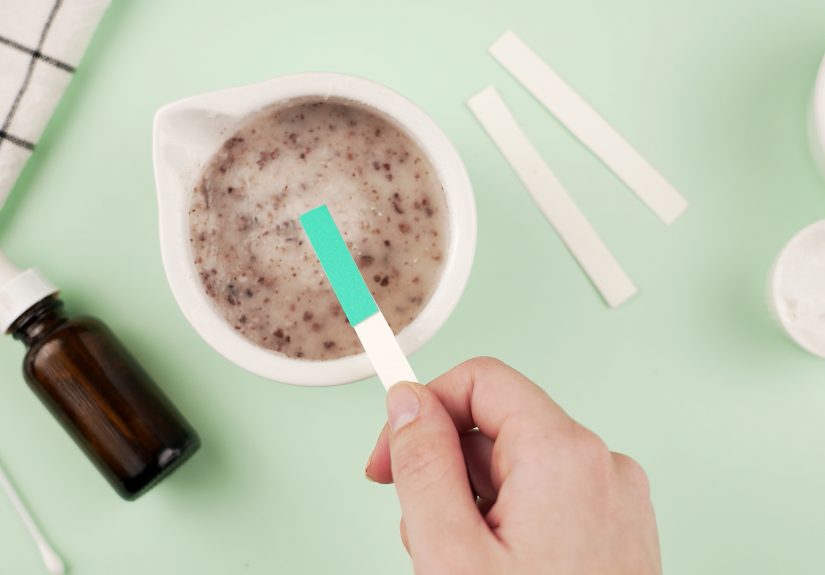
Put the baking soda in a small clean dish. Add water a few drops at a time and stir until it becomes a spreadable paste. You want a consistency that feels like thin frosting, not soup and not sidewalk chalk.
How to Use It
Scoop a small amount onto a soft-bristled toothbrush and brush gently for about two minutes. Spit thoroughly and rinse your brush well. That is it. No chemistry degree required.
Why People Like It
This version is cheap, quick, and easy to make on the spot. It also gives you the purest baking soda experience, which is a polite way of saying it tastes plain, salty, and a little like your mouth joined a middle-school volcano project.
Best For
People who want a very basic DIY paste for occasional use and do not mind that it feels more practical than glamorous.
Downside
It is not especially smooth, it is not minty, and it does not offer the all-in-one benefits of regular toothpaste. This is the no-frills folding chair of homemade oral care.
Way #2: Baking Soda and Coconut Oil Toothpaste
This version is popular because coconut oil changes the texture. Instead of a wet chalk paste, you get something a little creamier and easier to spread.
Ingredients
- 2 tablespoons baking soda
- 1 tablespoon softened coconut oil
- Water as needed for texture
How to Make It
Mix the baking soda and softened coconut oil in a clean bowl until combined. If it feels too thick, add a few drops of water and stir again. Spoon it into a small clean container and use a clean utensil to remove each portion instead of dunking your toothbrush directly into the jar.
What It Feels Like
Compared with the baking soda-and-water version, this one feels smoother and a little less abrasive in the mouth. It is also less likely to drip down your hand, which is a low bar, but still a welcome improvement.
Why Some People Prefer It
Coconut oil helps bind the paste and gives it a softer mouthfeel. That can make the DIY experience more pleasant, especially for people who find straight baking soda too gritty.
Best For
Anyone who wants a thicker, easier-to-spread homemade toothpaste and likes the idea of a smoother texture.
Downside
Texture aside, this still does not become a true replacement for fluoride toothpaste. Also, coconut oil can harden or soften depending on room temperature, so your jar may act like a totally different product in July than it does in January. Homemade toothpaste has enough drama already.
Way #3: Baking Soda and Glycerin Toothpaste
If you want something that feels a little closer to a conventional paste, vegetable glycerin is often the ingredient people reach for. It helps hold moisture and creates a smoother consistency.
Ingredients
- 2 tablespoons baking soda
- 1 tablespoon food-grade vegetable glycerin
- 1 to 2 teaspoons water
How to Make It
Combine the baking soda and glycerin first. Then add water slowly until you get a smooth, spreadable paste. Store it in a small clean container and use a clean spoon or scoop for each use.
Why It Appeals to DIY Fans
This version tends to feel less crumbly and more familiar. If the water-only version feels too rustic and the coconut oil version feels too temperamental, glycerin lands in the middle. It is the sensible shoes option. Not flashy, but dependable.
Best For
People who want a small-batch homemade paste with a more polished texture and a little less mess.
Downside
Once again, smoother does not mean more protective. Even if the texture improves, you are still not getting fluoride. The recipe may feel more “real toothpaste,” but your teeth know the difference.
Can You Add Flavor?
You can, but this is where many DIY recipes wander off the sidewalk and into the weeds. Some people add a drop of food-grade peppermint extract for taste. That can make the paste more pleasant, but more is not better. Strong flavoring can irritate the mouth, and essential oils are not the place to get creative unless you really know what you are doing.
The smarter move is to keep things simple. If the flavor is too flat, use the paste occasionally and rely on a regular fluoride toothpaste for your everyday brushing. Your mouth does not need to smell like a candy cane factory to be clean.
What Baking Soda Toothpaste Can Actually Do
Let’s give baking soda credit where it earns it. It can help freshen the mouth, buffer acids, and remove some surface discoloration from foods and drinks. That is why it shows up in many commercial toothpastes. But there is a major difference between a professionally formulated toothpaste that contains baking soda and a home recipe mixed with a spoon in your kitchen.
Commercial products are designed with abrasivity, consistency, and active ingredients in mind. Homemade versions are not nearly as controlled. So while baking soda itself may be useful, that does not mean every DIY recipe is automatically gentle or effective.
What Baking Soda Toothpaste Cannot Do
It cannot replace fluoride for cavity prevention. It cannot safely erase deep stains overnight. It cannot reverse every oral health problem caused by a high-sugar diet, dry mouth, poor brushing habits, or the late-night relationship some people have with gummy candy.
And despite what the internet occasionally screams in all caps, more scrubbing is not more whitening. Aggressive brushing can irritate gums and wear away enamel over time. Teeth are not tile grout. Please treat them accordingly.
Big Mistakes People Make With DIY Toothpaste
1. Adding Lemon Juice
This is probably the most common bad idea in natural oral care. Acid and enamel are not friends. If a recipe tells you to combine lemon juice and baking soda for a brighter smile, close the tab and walk away like the calm adult you are trying to be.
2. Using It as an Everyday Replacement
Homemade paste may feel wholesome, but that does not make it a complete oral-care strategy. Daily cavity prevention is where fluoride toothpaste still wins without breaking a sweat.
3. Brushing Too Hard
A mildly abrasive ingredient plus heavy-handed brushing is not a charming combo. Use a soft brush and small circular motions. Gentle is the whole game.
4. Making Giant Batches
Homemade toothpaste is not soup. You do not need a family-sized pot of it. Small batches are easier to keep fresh and cleaner to use.
5. Sharing a Jar
Repeatedly dipping multiple toothbrushes into one container is a wonderful way to create a communal science project. Use a clean scoop instead.
Who Should Probably Skip Homemade Baking Soda Toothpaste
DIY baking soda toothpaste is not a great fit for everyone. If you have sensitive teeth, gum recession, enamel wear, frequent cavities, braces, dry mouth, or a dentist who has specifically told you to use fluoride or prescription-strength toothpaste, homemade paste is probably not your best move.
It is also not ideal for young children, who may swallow more toothpaste and benefit from carefully measured fluoride toothpaste. In other words, this is an occasional adult DIY experiment, not a universal household upgrade.
How to Use It More Safely
- Use a soft-bristled toothbrush.
- Brush gently, not aggressively.
- Keep batches small.
- Use a clean spoon or scoop to remove each portion.
- Do not use acidic add-ins.
- Spit thoroughly and avoid swallowing.
- Keep a fluoride toothpaste in your routine for everyday cavity protection.
Final Verdict
If you are curious about homemade oral care, baking soda toothpaste is one of the simplest places to start. It can be inexpensive, easy to mix, and useful for occasional freshening or light surface stain removal. But it is not a magic formula, and it is definitely not a modern upgrade over fluoride toothpaste.
The best way to think about it is this: baking soda toothpaste is a side dish, not the main course. Interesting? Sure. Sometimes useful? Absolutely. A complete long-term dental plan? Not even close.
So yes, you can make baking soda toothpaste three different ways. Just do it with realistic expectations, gentle brushing, and enough common sense to leave the lemons in the kitchen where they belong.
Real-Life Experience: What It Feels Like to Actually Try These Three DIY Versions
The experience of trying homemade baking soda toothpaste is usually much less “luxury wellness ritual” and much more “why does my bathroom smell like a pantry?” The first surprise for most people is the taste. We are all so used to bright, foamy, minty toothpaste that a plain baking soda paste feels almost suspiciously honest. It does not taste terrible, exactly. It just tastes like it showed up to the party wearing beige and sensible shoes. The water-only version is the most intense in that way. It gets the job done, but it has all the charm of brushing your teeth with a clean wall.
The second surprise is texture. A lot of online DIY recipes act as if every homemade toothpaste turns into a silky, spa-worthy paste with a single stir. Reality is less cinematic. The basic baking soda and water version can feel grainy. The coconut oil version is smoother, but it also likes to change personality depending on the weather. On a cool morning, it can be stiff and stubborn. On a warm afternoon, it can go soft and a little messy. The glycerin version usually feels the most familiar, which is probably why people who experiment with homemade toothpaste often drift toward it after the first few tries.
Then there is the freshness factor. Store-bought toothpaste leaves that dramatic “just left the dentist” feeling. Homemade baking soda toothpaste does not. Your mouth may feel clean, but the finish is subtler. It is less icy blast and more quiet reset. Some people like that. Others immediately miss the mint fireworks and start eyeing their regular toothpaste like an ex they suddenly remember fondly.
There is also a practical side nobody talks about enough: cleanup. A tube of toothpaste is neat. A jar of homemade paste is not always neat. You need a clean spoon, a clean container, and a little patience. If you are rushing out the door, DIY toothpaste can feel like one tiny task too many. And if you make too much, you may find yourself staring at a half-used jar a week later, wondering whether it is still fine or whether you have accidentally started a microbial side hustle on your bathroom shelf.
What many people learn from the experience is not that homemade baking soda toothpaste is useless. It is that it is best in a supporting role. It works well for curiosity, occasional use, and understanding how simple ingredients behave. It is also a good reminder that “natural” is not the same thing as “better.” Sometimes the old-fashioned trick is interesting because it is old-fashioned, not because it beats what modern dental care already does very well.
In the end, trying these three versions can be genuinely useful because it helps separate internet myths from real-life results. You learn which textures are tolerable, which recipes are more trouble than they are worth, and why commercial toothpaste is such a popular invention in the first place. The experience is less about discovering a miracle and more about discovering your limits. Yes, you can make your own toothpaste. No, you probably do not want to become a full-time toothpaste artisan before work every morning. That is a valuable lesson too.