Table of Contents >> Show >> Hide
- Why hidden storage is having a moment
- 35 secret places and compartments hidden in people’s homes
- 1. Bookcase doors that open into a hidden room
- 2. Under-stair drawers
- 3. Stair riser compartments
- 4. Toe-kick drawers in the kitchen
- 5. False-bottom drawers
- 6. Wall safes behind framed art
- 7. Mirror cabinets that look decorative
- 8. Lift-top coffee tables
- 9. Storage ottomans and benches
- 10. Sofa arms with hidden cubbies
- 11. Window seats with hidden compartments
- 12. Banquette seating in breakfast nooks
- 13. Kitchen islands with hidden back panels
- 14. Pull-out shelves beside the refrigerator
- 15. Sink tip-out trays
- 16. Hidden storage inside a fireplace mantel
- 17. Cabinets disguised as wall paneling
- 18. Secret compartments behind headboards
- 19. Under-bed platforms with deep drawers
- 20. Wardrobes that conceal another doorway
- 21. Laundry hampers with false bottoms
- 22. Medicine cabinets hidden behind art
- 23. Secret drawers in bathroom vanities
- 24. Floor hatches beneath rugs
- 25. Hollow newel posts and entry columns
- 26. Slim cabinets behind doors
- 27. Secret shelves behind oversized wall art
- 28. Hidden desk compartments
- 29. Built-in benches in mudrooms
- 30. Hidden pet zones inside cabinetry
- 31. Deck or porch steps with storage inside
- 32. Planter benches with secret storage
- 33. PVC pipe compartments in garages or basements
- 34. False air vents and disguised wall grilles
- 35. Safe compartments hidden inside ordinary cabinets
- What makes a hidden compartment actually smart
- Design lessons from these secret places
- Experiences people often have with hidden compartments at home
There are two kinds of people in this world: people who love a clean, uncluttered house, and people who own a “miscellaneous drawer” so chaotic it could qualify as a weather event. Secret places and hidden compartments are where those two worlds meet. They are practical, clever, a little theatrical, and honestly, pretty satisfying. One moment a room looks calm and polished; the next, a panel swings open and reveals storage that would make any organizer grin like they just found twenty bucks in an old coat pocket.
Hidden compartments in homes are not just about drama. They help maximize small spaces, protect sentimental items, conceal daily clutter, and make a house feel customized instead of cookie-cutter. Some are full-on built-in features crafted by carpenters. Others are simple design moves that hide things in plain sight. Either way, these secret storage ideas prove that the best square footage in a home is often the part nobody notices at first glance.
Why hidden storage is having a moment
People want homes that work harder without looking busier. Open floor plans, smaller lots, multi-use rooms, and the endless parade of chargers, toys, papers, tools, and seasonal stuff have turned smart storage into a design priority. Hidden compartments solve that problem beautifully. They keep a room streamlined, reduce visual clutter, and add a touch of “Wait… where did that come from?” to everyday living.
35 secret places and compartments hidden in people’s homes
1. Bookcase doors that open into a hidden room
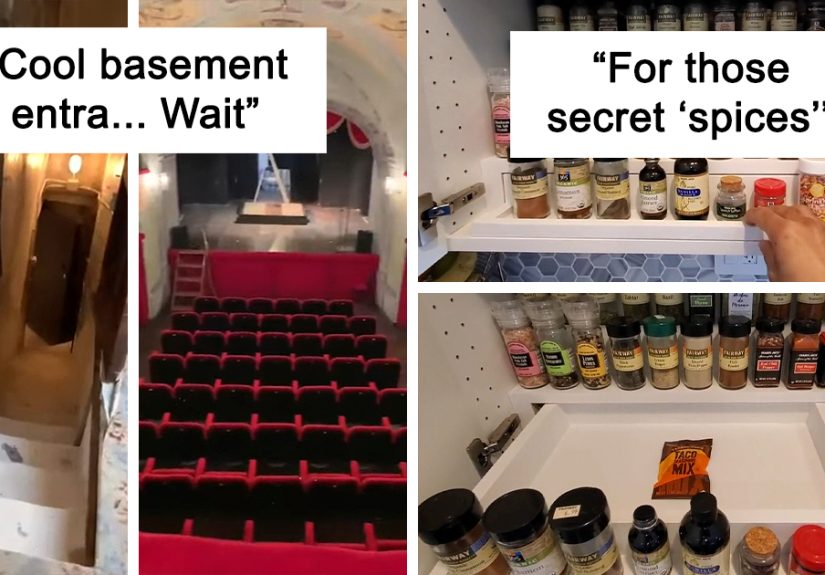
This is the classic crowd-pleaser for a reason. A bookcase door can conceal a home office, safe room, reading nook, or wine storage area while looking like a normal built-in shelf. It is equal parts smart storage and instant conversation starter.
2. Under-stair drawers
The triangle of wasted space under a staircase is basically begging for a renovation. Pull-out drawers can hold shoes, pet gear, tools, board games, or winter accessories. It turns awkward architecture into everyday storage with almost no visual fuss.
3. Stair riser compartments
Some homeowners go one step further, literally, by making individual stair risers or treads pop open. These compartments are perfect for smaller items like gloves, dog leashes, flashlights, and extra keys. They feel sneaky in the best possible way.
4. Toe-kick drawers in the kitchen
The narrow space beneath lower cabinets often gets ignored, but toe-kick drawers can quietly store baking sheets, placemats, pet bowls, or flat kitchen tools. They are one of those hidden storage ideas that make you wonder why every kitchen does not come with them.
5. False-bottom drawers
A shallow tray or fake base inside a drawer can create a second layer for passports, keepsakes, emergency cash, or documents. From the top, the drawer looks ordinary. Underneath, it becomes a private compartment that does not advertise itself.
6. Wall safes behind framed art
Artwork is already meant to draw attention, which makes it a perfect disguise. A framed print or mirror can swing aside to reveal a recessed wall safe. This works especially well in hallways, bedrooms, or studies where wall décor looks completely natural.
7. Mirror cabinets that look decorative
A full-length mirror can do more than reflect your outfit choices and your questionable decision to buy another black hoodie. Many are built with hidden shelving or jewelry storage behind them, making them ideal for bedrooms, closets, or dressing areas.
8. Lift-top coffee tables
From the outside, it is just a stylish coffee table. Lift the top and suddenly there is storage for remotes, chargers, magazines, blankets, and the mysterious cable nobody can identify but nobody wants to throw away. It is one of the easiest secret compartments to add without remodeling.
9. Storage ottomans and benches
These are the quiet heroes of hidden home storage. A bench at the foot of the bed, in an entryway, or under a window can hide blankets, shoes, toys, or guest linens. Because the lid lifts, access is easy and the mess disappears fast.
10. Sofa arms with hidden cubbies
Some custom sofas and sectionals include secret compartments inside wide arms or under seat cushions. They are perfect for remotes, game controllers, charging bricks, or snack stashes you may or may not wish to share.
11. Window seats with hidden compartments
Window benches are already charming, but add lift-up lids or deep drawers and they become hardworking storage machines. They can hold books, seasonal décor, kids’ toys, or extra pillows while still giving the room that cozy built-in look.
12. Banquette seating in breakfast nooks
Dining banquettes often look like a design choice first and a storage solution second, which is exactly why they work so well. Under-seat compartments can hide table linens, serving pieces, party supplies, and small appliances that do not need daily access.
13. Kitchen islands with hidden back panels
The back of a kitchen island, especially the side facing stools, can conceal slim cabinets or deep cubbies. These hidden compartments are useful for placemats, cookbooks, chargers, and pantry overflow that you do not want cluttering countertops.
14. Pull-out shelves beside the refrigerator
That skinny space next to the fridge may look useless, but it can become a narrow pull-out pantry. It is ideal for spices, canned goods, foil, wraps, or cleaning supplies. Small gap, big win.
15. Sink tip-out trays
Many kitchens and bathrooms have a fake drawer front in front of the sink. Converting it into a tip-out tray creates a perfect hidden place for sponges, scrubbers, and small toiletries. It is tiny, but it saves precious counter space.
16. Hidden storage inside a fireplace mantel
A chunky mantel shelf can be built to open from the top or side, creating a tucked-away spot for remotes, matches, small keepsakes, or backup batteries. It is subtle, functional, and delightfully overachieving.
17. Cabinets disguised as wall paneling
In traditional or modern homes alike, millwork can conceal doors and storage panels so neatly they disappear into the wall. This trick works beautifully in living rooms, hallways, libraries, or dining rooms where visible cabinetry would feel too heavy.
18. Secret compartments behind headboards
A headboard can include hidden cubbies, side shelving, or lift-up panels for books, chargers, journals, and bedtime essentials. It keeps the bedroom streamlined while freeing up nightstand space for, you know, an actual glass of water.
19. Under-bed platforms with deep drawers
Traditional under-bed bins get the job done, but platform beds with integrated drawers look neater and feel more intentional. They are excellent for off-season clothing, extra bedding, shoes, or anything bulky that normally hijacks a closet.
20. Wardrobes that conceal another doorway
Sometimes an armoire or closet system does more than store clothes. In older homes and creative remodels, wardrobes can be used to disguise a passage to an adjacent room, closet expansion, or reading nook. It sounds storybook-ish because, frankly, it is.
21. Laundry hampers with false bottoms
A built-in hamper can include a lower hidden compartment for backup toiletries, detergent pods, paper goods, or emergency supplies. It is especially practical in bathrooms or mudrooms where every square inch matters.
22. Medicine cabinets hidden behind art
In powder rooms and guest baths, a piece of framed art can swing open to reveal a recessed cabinet. It keeps medicine, first-aid basics, and grooming supplies nearby without making the room look clinical or overstuffed.
23. Secret drawers in bathroom vanities
Many vanities have awkward interior space around plumbing. Custom hidden drawers can fit around pipes and tuck away hair tools, extra soap, cosmetics, and backup toothbrushes. Nothing glamorous, but deeply useful.
24. Floor hatches beneath rugs
In some homes, a flush floor compartment under a rug or movable piece of furniture stores documents, heirlooms, or an anchored safe. This one requires careful planning, but it is one of the most invisible hidden storage ideas available.
25. Hollow newel posts and entry columns
The chunky post at the bottom of a staircase or a decorative interior column can be transformed into a hidden compartment. These small spaces can hold spare keys, flashlights, dog bags, or other items that are handy but not pretty.
26. Slim cabinets behind doors
The back of a door, or the narrow wall space beside it, can support a shallow cabinet that blends into trim or paint. It is a great place for cleaning products, wrapping paper, toiletries, or office supplies that would otherwise float around the house.
27. Secret shelves behind oversized wall art
Instead of using art only as decoration, some homeowners mount large pieces over shallow shelving or pegboard cabinets. The artwork lifts or slides to reveal hidden storage for office supplies, collectibles, or electronics.
28. Hidden desk compartments
Desks with concealed drawers, sliding tops, or fold-down panels are ideal in homes where work areas need to disappear after hours. They help keep paperwork, devices, and cords out of sight so the room does not look like a tax deadline exploded.
29. Built-in benches in mudrooms
Mudroom benches often look simple, but many hide deep storage below the seat for shoes, sports gear, umbrellas, and reusable bags. That means less pileup by the front door and fewer frantic morning searches for one missing sneaker.
30. Hidden pet zones inside cabinetry
Litter boxes, pet beds, and feeding stations are not exactly known for improving interior design. Hidden pet compartments built into laundry rooms, mudrooms, or side cabinets keep those necessities functional without putting them center stage.
31. Deck or porch steps with storage inside
Outdoor spaces get in on the act too. Hollow steps or bench seating on a porch or deck can store gardening tools, cushions, pet supplies, or outdoor toys while protecting them from weather and visual clutter.
32. Planter benches with secret storage
A built-in planter box can double as a hidden chest for hose nozzles, small tools, gloves, or patio accessories. It keeps outdoor essentials nearby without making the yard look like a hardware aisle.
33. PVC pipe compartments in garages or basements
Some homeowners install capped PVC sections among ordinary plumbing or workshop materials to store small valuables or emergency backups. Because they blend into utility spaces, they tend to look boring, which is exactly the point.
34. False air vents and disguised wall grilles
A decorative vent cover can conceal a shallow compartment for papers, spare cash, or tiny valuables. This idea works best when it is integrated carefully and not placed anywhere that interferes with actual HVAC systems.
35. Safe compartments hidden inside ordinary cabinets
Sometimes the smartest secret place is not the fanciest one. A small safe hidden inside a pantry cabinet, closet cabinet, or workshop cupboard behind normal-looking contents can be more effective than a dramatic trick. Boring often beats obvious.
What makes a hidden compartment actually smart
The best hidden compartments do not just disappear visually; they fit the way people actually live. Good hidden storage is easy enough to access that you will use it, but subtle enough that guests or casual observers will never think twice. It should also be appropriate to the item being stored. Everyday clutter belongs in furniture, benches, or cabinets. Important documents and valuables belong in better-protected compartments, ideally with a properly secured safe. In other words, hide the board games however you want, but maybe do not trust your grandmother’s jewelry to a hollow throw pillow.
Design lessons from these secret places
If there is one big lesson from all these compartments, it is this: people do not just want more storage. They want calmer rooms, cleaner surfaces, and homes that feel thoughtful rather than crowded. Hidden places work because they let a room stay beautiful while still doing the messy work of real life. That is the magic. A breakfast nook stores table linens. A stair hides boots. A mirror hides jewelry. A bench hides chaos. Everyone wins, including your blood pressure.
Experiences people often have with hidden compartments at home
Living with secret storage is a surprisingly specific kind of joy. At first, it feels clever. Then it becomes practical. Eventually, it turns into one of those home features you cannot imagine living without. Ask people who have hidden compartments in their homes, and the stories are rarely about showing off. They are usually about relief. Relief that the entryway no longer looks like a shoe store exploded. Relief that the kitchen island can swallow random papers before company arrives. Relief that the living room still feels calm, even when real life is happening at full volume.
One common experience is that hidden storage changes behavior. When a compartment is easy to access and makes sense in the room, people actually put things away. A lift-top coffee table makes remotes disappear in seconds. A mudroom bench turns shoe piles into an organized routine. A window seat in a child’s room quietly trains everyone to toss toys inside instead of leaving them underfoot like tiny plastic booby traps. The storage is hidden, but the lifestyle shift is very visible.
Another big experience is how custom these spaces feel. Even small hidden compartments can make a house seem more personal. A secret drawer built into a desk feels different from a generic organizer tray. A bookshelf door feels different from a standard closet. These features add character because they reflect how a family actually uses the home. Maybe the hidden cubby near the kitchen holds lunch money, chargers, and mail. Maybe the secret bathroom cabinet stores backup toiletries for guests. Maybe the porch bench hides dog towels and muddy-leash supplies. The details are ordinary, but the solution feels tailored.
There is also the fun factor. Hidden compartments tap into something playful that adults never fully outgrow. People love pressing a panel and hearing a latch click open. They love telling a friend, “Watch this,” before revealing that the staircase is actually full of drawers. They love a room that has a little mystery without turning into a movie set. The best examples are not flashy. They are smooth, believable, and just dramatic enough to make everyday life more enjoyable.
Of course, there is a learning curve. Owners of hidden storage sometimes joke that they have created such a good system that they forget where they put things. That emergency cash? Extremely safe, perhaps a little too safe. The winter table runner? Somewhere brilliant, but currently unknown. The lesson there is simple: secret storage still needs organization. Labels, routines, and a little memory support go a long way.
In the end, people tend to love hidden places in their homes for the same reason they love any great design feature: it solves a problem without creating a new one. The room looks better. The clutter calms down. The house works harder. And every now and then, when a drawer opens where nobody expected one, it still feels a little magical.