Table of Contents >> Show >> Hide
- How cutting calories works (without turning into a spreadsheet)
- Drinks: the easiest calories to cut (because you don’t chew them)
- Portions: same foods, fewer calories
- 6. Use smaller plates and bowls
- 7. Serve your meal, then put leftovers away immediately
- 8. Start with “half now, half later” at restaurants
- 9. Learn one quick hand-portion shortcut
- 10. Stop eating straight from the bag (yes, even “healthy” chips)
- 11. Make seconds “vegetables-only” most of the time
- 12. Eat slower on purpose
- 13. Don’t eat in front of a screen
- Build meals that are naturally lower-calorie (and still satisfying)
- 14. Start meals with a broth-based, veggie-heavy soup
- 15. Make half your plate non-starchy vegetables
- 16. Prioritize protein at breakfast
- 17. Choose higher-fiber carbs more often
- 18. Add “volume boosters” to your favorites
- 19. Use leaner cooking methods by default
- 20. Measure oils at least once a day
- 21. Use nonfat Greek yogurt as a creamy swap
- 22. Make sauces and dressings “on the side”
- 23. Choose “one rich thing” per meal
- 24. Use the “plate method” as an easy structure
- Snacks and sweets: keep them, but make them work for you
- Grocery and label tactics that save calories all week
- Real-life experiences: what usually happens when you try these (and how to keep going)
- Bottom line
If you’ve ever tried to “just eat less,” you already know the problem: hunger shows up like an uninvited houseguest and starts rearranging your plans.
The good news is you can cut a surprising number of calories without living on sad lettuce or developing a personal feud with bread.
The trick is to make small, boring changes that add upbecause boring habits are the easiest to repeat (and therefore the most effective).
This guide is packed with practical, real-world swapsthings you can do at home, at restaurants, and during those “I’m not hungry, I’m just emotionally attached to snacks” moments.
None of these require counting every crumb. They’re designed to lower calories while keeping meals satisfyingso you can stick with it long enough to actually see results.
(And if you have a medical condition or a history of disordered eating, talk with a clinician first. Your body deserves a plan, not a punishment.)
How cutting calories works (without turning into a spreadsheet)
Weight change is mostly driven by energy balance: taking in fewer calories than your body uses over time tends to lead to weight loss.
But the “over time” part matters. Your job isn’t to be perfect for three days; it’s to be consistent for months.
That’s why the best calorie-cutting strategies are the ones that reduce the most “invisible calories” (drinks, oils, add-ons, oversized portions) while increasing fullness (protein, fiber, water-rich foods).
Drinks: the easiest calories to cut (because you don’t chew them)
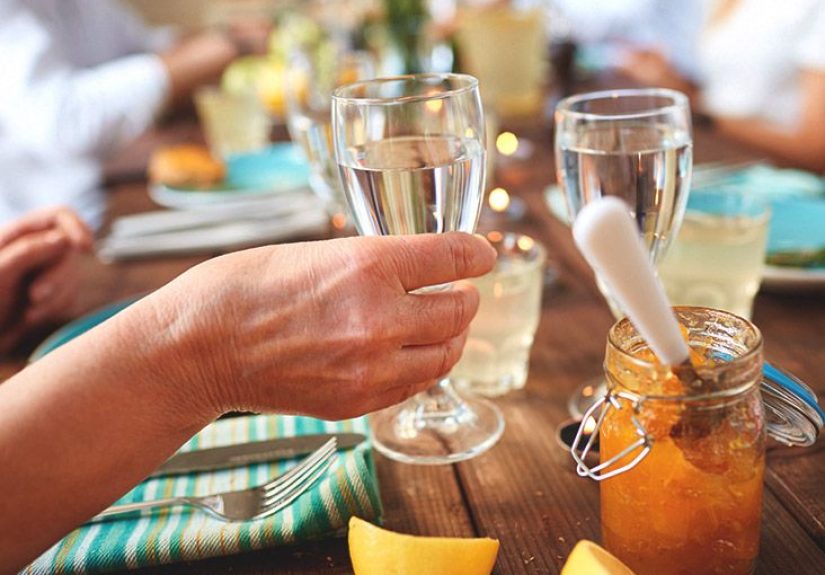
1. Make water your default
If you do one thing, do this. Swap soda, sweet tea, and sugary coffee drinks for water most of the time.
Start with one “water-first” rule: drink water before you drink anything else.
Add lemon, cucumber, or berries if plain water makes you feel like you’re doing chores.
2. “Half-sweet” your iced tea or coffee order
You don’t have to go from caramel-blast to black coffee overnight.
Order half the syrup, half the sweetener, or half sweet tea / half unsweet.
Your taste buds adapt faster than you thinkand your calories drop immediately.
3. Choose sparkling water when you want “fun”
Lots of people miss the fizz more than the sugar. Sparkling water scratches that itch.
If you’re a soda person, keep a few flavored seltzers around so “I want bubbles” doesn’t automatically mean “I want 150+ calories.”
4. Watch the “healthy” liquid calories
Smoothies, juice, and fancy coffee drinks can sneak in big calories fast.
If you love them, make them smaller, less frequent, or more filling: add protein, use more whole fruit, and skip extra sweeteners.
It’s not betrayal; it’s boundaries.
5. Put alcohol on a “planned, not automatic” schedule
Alcohol calories add up, and the snack decisions afterward often get…creative.
Try a simple rule: drink only on specific days, choose lower-calorie options, and alternate each drink with water.
You’ll likely sleep better toowhich helps appetite control.
Portions: same foods, fewer calories
6. Use smaller plates and bowls
Oversized dishes make normal portions look tiny, which makes your brain feel personally offended.
A smaller plate can help your meal look satisfying with less food.
This is not mind controljust basic optics for your appetite.
7. Serve your meal, then put leftovers away immediately
Family-style meals are delicious… and dangerously refillable.
Plate your portion in the kitchen, then store the rest.
If seconds require a standing trip, you’ll take them only when you truly want them.
8. Start with “half now, half later” at restaurants
Restaurant portions are often built for someone who just finished running from a bear.
Ask for a to-go box early and pack half before you begin.
You still get your favorite mealtwice.
9. Learn one quick hand-portion shortcut
You don’t need a food scale, but you do need a reality check sometimes.
A palm-sized portion of protein and a fist-sized portion of carbs is a decent starting point for many people.
Adjust based on hunger, activity, and goals.
10. Stop eating straight from the bag (yes, even “healthy” chips)
“I’ll just have a few” is not a serving strategy.
Put one serving on a plate or in a bowl and close the container.
Your future self will still be allowed to have morejust not by accident.
11. Make seconds “vegetables-only” most of the time
Still hungry? Greatadd volume with vegetables, broth-based soup, or salad.
This keeps you full without turning dinner into a calorie pile-up.
If you still want more after that, you’ll know it’s real hunger.
12. Eat slower on purpose
Fullness signals take time to catch up.
Try a timer: give yourself at least 15–20 minutes for a meal.
Put your fork down between bites, take a sip of water, and let your body speak up before you out-eat it.
13. Don’t eat in front of a screen
Screens make it easy to miss fullness cues and keep grazing.
Try one distraction-free meal a day.
It won’t be perfectand it doesn’t need to bebut it’s a big calorie-saver over time.
Build meals that are naturally lower-calorie (and still satisfying)
14. Start meals with a broth-based, veggie-heavy soup
Soup is a cheat code: lots of volume, lots of warmth, relatively few calories when it’s broth-based.
Add beans, vegetables, and a whole grain like barley to make it stick with you.
Creamy soups can be deliciousjust not the everyday option.
15. Make half your plate non-starchy vegetables
Vegetables add fiber and volume for fewer calories.
Roast a tray of broccoli, peppers, or zucchini once or twice a week so you always have a quick side.
The goal is not “eat like a rabbit,” it’s “eat like someone who wants to stay full.”
16. Prioritize protein at breakfast
Protein helps with fullness and can reduce the urge to snack nonstop by 10 a.m.
Examples: eggs with veggies, Greek yogurt with berries, cottage cheese, or a protein-forward smoothie.
Even oatmeal can become more filling with added Greek yogurt or protein powder.
17. Choose higher-fiber carbs more often
Whole grains, beans, lentils, and fruit tend to be more filling than refined carbs.
Swap white bread for whole grain, white rice for brown (or mix them), and add beans to salads, soups, and tacos.
Small swaps, big payoff.
18. Add “volume boosters” to your favorites
Love pasta? Keep itbut stretch it.
Add sautéed mushrooms, spinach, zucchini, or roasted tomatoes so the bowl stays big while the calories stay reasonable.
You’re not removing joy; you’re adding plants.
19. Use leaner cooking methods by default
Bake, grill, air-fry, steam, roast, or sauté with minimal added fat.
You’ll still get flavorespecially if you lean on spices, garlic, citrus, vinegar, and herbs.
Save deep-frying for special occasions, not Tuesday.
20. Measure oils at least once a day
Oils are healthy fats, but they’re calorie-dense.
A “quick splash” can quietly become several tablespoons.
Use a measuring spoon occasionally or switch to a mister/spray for some meals.
21. Use nonfat Greek yogurt as a creamy swap
Try it instead of sour cream, heavy mayo, or some of the cheese in dips.
Add lime, salt, and garlic and it becomes a legit taco-topper.
Your taste buds will cooperate once they realize it’s still creamy.
22. Make sauces and dressings “on the side”
Sauces are often the hidden calorie boss fight.
Dip your fork, drizzle lightly, or request dressing on the side at restaurants.
You’ll still get flavorbut you’ll choose the amount.
23. Choose “one rich thing” per meal
Trying to cut calories doesn’t mean cutting everything you like.
Pick one: fries or dessert, creamy sauce or cheesy topping, cocktail or appetizer.
This keeps meals enjoyable without becoming a calorie parade.
24. Use the “plate method” as an easy structure
A simple setup helps avoid accidental overeating: half vegetables, a quarter protein, a quarter carbs.
It’s flexible, works in most cuisines, and doesn’t require tracking apps.
Think of it as meal training wheelshelpful even if you’re an adult.
Snacks and sweets: keep them, but make them work for you
25. Snack only when you’re actually hungry
Boredom hunger is loud and dramatic; real hunger is steady.
If you’re unsure, drink water and wait 10 minutes.
If you’re still hungry, choose something with protein and fiber.
26. Build “200-calorie-ish” snack defaults
Create a short list you can repeat: an apple + peanut butter, Greek yogurt + berries, veggies + hummus, popcorn, or a small handful of nuts.
Repeating snacks isn’t boringit’s decision fatigue prevention.
27. Pre-portion your snack foods
Portion out chips, crackers, nuts, or trail mix into small containers.
It turns “I’ll just have some” into “I chose this amount.”
Bonus: it makes snacks feel intentional instead of accidental.
28. Keep sweets… but make them smaller and better
If you love dessert, plan it.
Choose a small portion of something you truly enjoy instead of mindlessly eating cookies you don’t even like that much.
Quality over quantity is a surprisingly effective calorie strategy.
29. Put fruit first when cravings hit
Fruit can satisfy a sweet craving with fewer calories plus fiber and water.
Try frozen grapes, berries with yogurt, or a sliced apple with cinnamon.
If you still want dessert after, you can decide with a clearer head.
30. Replace “dessert every night” with “dessert sometimes”
Frequency matters as much as portion size.
Try a simple schedule: dessert on Friday and Saturday, or dessert every other day.
You’re not quitting dessert; you’re putting it on a calendar like a responsible adult who still has fun.
Grocery and label tactics that save calories all week
31. Start with serving size and servings per container
Nutrition labels are helpful, but only if you notice the serving size.
A “small” package can still contain multiple servings, and calories add up fast when “one serving” becomes “the whole thing.”
Make the label work for you, not against you.
32. Choose foods lower in added sugars most of the time
Added sugars can pile onto your day without making you full.
Check labels and compare brandsespecially for cereal, yogurt, granola, sauces, and drinks.
Aim to keep added sugars in check while still enjoying treats intentionally.
33. Keep high-volume staples ready to go
Stock the basics that make lower-calorie meals easy: frozen vegetables, bagged salad, canned beans, broth, tuna/salmon packets, and fruit.
When “easy food” is also “good food,” calorie cutting becomes almost automatic.
34. Make your kitchen environment do the work
Put the healthiest choices at eye level: fruit on the counter, yogurt in front, cut veggies ready to grab.
Hide the snack traps: chips and candy can live on a high shelf like they’re grounded.
You’ll still have themjust not on autopilot.
35. Plan one “fallback meal” you can repeat
Everyone needs an emergency meal that prevents takeout chaos.
Examples: rotisserie chicken + salad kit, eggs + veggie scramble, bean-and-veggie tacos, or a quick soup + sandwich on whole-grain bread.
Repeating one solid meal a few times a week can cut a lot of calories without drama.
Real-life experiences: what usually happens when you try these (and how to keep going)
When people start using simple calorie-cutting habits, the first surprise is often how much “extra” intake came from drinks, add-ons, and portionsnot from main meals.
Swapping one sugary drink a day for water or sparkling water can feel almost too easy, which is the point: easy changes stick.
Many people also notice that once they reduce sweet drinks, their taste buds recalibrate. Foods that used to taste “normal” suddenly taste very sweet, and plain coffee or lightly sweetened tea becomes tolerable (sometimes even preferred).
The next common experience is the “portion reality check.” Using smaller plates or plating snacks in a bowl can feel sillyuntil you realize how often you were eating past comfortable fullness.
Eating slower is a weirdly powerful experiment. The first few times, it can feel like you’re waiting for your stomach to send an email.
But after a week or two, many people report they naturally stop earlier, feel less stuffed, and snack less laterbecause their brain finally got the memo that the meal already happened.
There’s also a predictable “restaurant moment.” You order your usual, but you box half before you start.
At first, it feels like you’re breaking a social rule. Then you realize you still had the same meal, enjoyed it just as much, and you magically have tomorrow’s lunch.
That single habit can save hundreds of calories without changing what you orderjust how you portion it.
One of the biggest make-or-break experiences is what happens on stressful days.
Stress doesn’t just increase cravings; it reduces patience for complicated plans.
That’s why the “fallback meal” strategy matters so much. When decision fatigue hits, having a default that’s filling and reasonably low-calorie keeps you from sliding into the “whatever, I’ll just eat everything” zone.
People who keep a few high-volume staples (frozen veg, salad kits, canned beans, broth, eggs, yogurt, fruit) find it easier to recover quickly after a chaotic day.
Finally, a truth that feels unfair but helps: perfection is not requiredpatterns are.
If you cut 150–300 calories most days through small choices (drink swaps, sauce control, more vegetables, fewer mindless snacks), you can create meaningful change over time without feeling like you’re constantly “on a diet.”
When progress slows, the best move usually isn’t “try harder.” It’s “tighten one habit”measure oil once a day, reduce alcohol frequency, or make dessert smaller and planned.
The goal is to build a lifestyle you can live in, not a temporary punishment you escape from.
Bottom line
Cutting calories doesn’t have to mean cutting joy. Focus on the biggest, easiest wins: drink fewer calories, control portions, build filling meals with protein and fiber,
and keep “accidental eating” from turning into a daily hobby. Pick 3–5 tips from this list, run them for two weeks, then add a few more.
You’ll get better results from a plan you can repeat than from a plan you can only tolerate.