Table of Contents >> Show >> Hide
- Why Weather Can Make Breathing Harder
- 1. Know Your Triggers Before the Weather Knocks You Flat
- 2. Condition the Air Before It Hits Your Airways
- 3. Adjust Your Timing, Pace, and Activity Level
- 4. Use Breathing Techniques, Hydration, and Airway-Friendly Habits
- 5. Have an Action Plan and Know When to Get Medical Help
- Extra Experiences: What This Looks Like in Real Life
- Conclusion
Some people step outside and feel fine. Others walk into a blast of icy air or a wall of humid heat and instantly think, “Ah yes, my lungs have filed a formal complaint.” If that sounds familiar, you are far from alone. Hot weather, cold weather, dry air, humidity, smoke, pollen, and air pollution can all make breathing feel harder, especially if you have asthma, COPD, allergies, or another respiratory condition.
The good news is that breathing easier in extreme temperatures is often less about heroics and more about strategy. You do not need to out-stare the weather like you are in an action movie. You need a plan. The right habits can reduce irritation, help you avoid flare-ups, and make everyday life more comfortable whether the forecast says heat wave or deep freeze.
Below are five practical, evidence-based tips to help you breathe easier in hot or cold weather, plus real-world experiences that show how small changes can make a surprisingly big difference.
Why Weather Can Make Breathing Harder
Before we get to the tips, it helps to know what is going on. Cold air is usually drier air, and dry air can irritate sensitive airways. That irritation may trigger coughing, wheezing, chest tightness, or shortness of breath. Hot weather can be just as annoying. Heat and humidity can make the air feel heavy, and hot, humid air may narrow already sensitive airways. Add in summertime ozone, wildfire smoke, spring pollen, or winter indoor dust, and your respiratory system may feel like it is trying to work overtime.
That is why a smart breathing plan should not focus only on temperature. It should also consider humidity, air quality, allergens, exertion, and how your body usually reacts. Think of weather as one ingredient in the respiratory stew. Not the whole pot, but definitely a strong flavor.
1. Know Your Triggers Before the Weather Knocks You Flat
The first tip is simple and powerful: learn what actually makes you feel worse. Some people struggle most in cold, dry air. Others get winded in hot, humid conditions. Some do fine with temperature itself but react badly when heat combines with ozone or when winter cold arrives with wood smoke.
Common hot-weather breathing triggers
- High humidity
- Hot air that feels thick or oppressive
- Ozone pollution, which often rises on hot sunny afternoons
- Wildfire smoke or haze
- Pollen and mold
Common cold-weather breathing triggers
- Cold, dry air
- Fast mouth breathing during exercise
- Indoor allergens from sealed-up homes
- Respiratory viruses that circulate more in colder months
- Smoke from fireplaces, heaters, or poor ventilation
Keep a simple symptom log for a couple of weeks. Write down the weather, your activity, how the air felt, and what symptoms showed up. You may notice patterns fast. Maybe your chest tightens when you jog on cold mornings. Maybe your breathing worsens when the heat index climbs and the air quality dips. That kind of information is gold because it helps you plan instead of guess.
Also, check the forecast like a person who respects their lungs. Look at temperature, humidity, pollen, and the Air Quality Index. This is especially important if you already have asthma, COPD, or frequent shortness of breath. A quick weather-and-air check can save you from turning a routine walk into a dramatic performance titled Why Am I Wheezing in the Parking Lot?
2. Condition the Air Before It Hits Your Airways
Your lungs are fans of moderation. Not too dry. Not too polluted. Not too scorching. Not too icy. One of the best ways to breathe easier is to soften extreme air before it reaches your airways.
In cold weather
Try breathing through your nose when possible. Your nose naturally warms and humidifies the air better than your mouth. If you are heading outside, loosely cover your nose and mouth with a scarf or cold-weather face covering. That little barrier can help warm the air and reduce the shock of cold, dry breathing.
If you exercise outdoors in winter, do a longer warm-up than you think you need. Starting hard in freezing air is basically sending your lungs an unpleasant surprise package. Ease in, build gradually, and consider moving workouts indoors on especially cold or windy days.
In hot weather
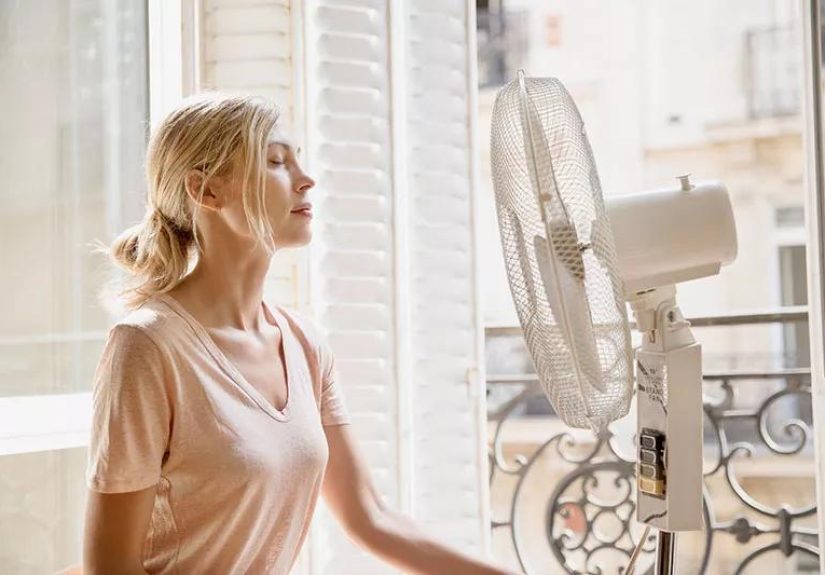
Use air conditioning if you can, especially during extreme heat or poor air quality days. It does double duty by cooling the air and often lowering humidity. Fans may help you feel cooler, but when air quality is bad or the heat is intense, cooler indoor air can be more helpful than just moving hot air around.
At home, try to keep indoor humidity in a comfortable range. Too much moisture can encourage mold and dust mites. Too little can dry out your airways and make your nose and throat feel cranky. In many homes, the sweet spot is around 30% to 50% relative humidity. A basic humidity gauge can help you know whether you need a humidifier in winter or a dehumidifier in summer.
This tip matters because “outdoor breathing” and “indoor breathing” are part of the same story. If your home air is dry, dusty, moldy, or smoky, your airways may already be irritated before you even step outside.
3. Adjust Your Timing, Pace, and Activity Level
You do not always have to cancel activity. Sometimes you just need to stop acting like every weather pattern is ideal for peak performance.
Pick the better part of the day
When it is hot, aim for morning or later evening if the air quality is better. Ozone pollution often gets worse in the afternoon and early evening on sunny, warm days. Midday yard work during a heat advisory is not a badge of honor. It is a very sweaty negotiation with your respiratory system.
When it is cold, pay attention to wind as much as temperature. A calm chilly day may feel easier than a windy one that seems determined to slap the moisture right out of your lungs.
Scale back intensity when needed
If you are walking, shorten the route. If you are exercising, slow the pace. If you are cleaning, gardening, or shoveling, take more breaks. Heavy exertion makes you breathe faster and deeper, which can pull more irritating air into the lungs. That matters in both heat and cold.
This is especially important for people with asthma or COPD. A modest adjustment in pace can mean the difference between finishing comfortably and spending the next hour trying to recover.
Use the warm-up strategically
A gradual warm-up can be particularly helpful before exercise, especially in cold weather. Going from zero to sprint is fun only if you are a cartoon character. For everyone else, easing in lets your body adapt and may reduce the chances of weather-triggered breathing symptoms.
4. Use Breathing Techniques, Hydration, and Airway-Friendly Habits
When the weather is rough, small habits can make your lungs much happier.
Try pursed-lip breathing
If you feel short of breath, especially with COPD or breathlessness during exertion, pursed-lip breathing may help you slow down and feel more in control. Inhale gently through your nose, then exhale slowly through pursed lips as if you are blowing out a candle very politely. This is not magic, and it is not a substitute for prescribed treatment, but it can help reduce the sensation of breathlessness for some people.
Stay hydrated
Hydration matters in both summer and winter. Hot weather increases fluid loss, and dry winter air can leave your airways feeling irritated. Drinking enough fluids helps your body function well overall and may help keep mucus from feeling overly thick. Warm beverages may also feel soothing in cold weather, though they are more comfort measure than cure.
Reduce extra irritants
When weather is already making breathing harder, do not pile on more triggers. Avoid smoke, strong fragrances, harsh cleaning products, dusty chores, and unnecessary exposure to traffic fumes. If wildfire smoke is present, keep indoor air as clean as possible and avoid activities that add particles indoors, like burning candles or vacuuming during smoky periods.
Keep your nose happy
Your nose does a lot of work to protect your lungs. If congestion, allergies, or dryness are making nasal breathing difficult, managing those problems can help you breathe more comfortably overall. That may mean better allergy control, cleaner indoor air, or simply noticing when your environment is drying you out.
5. Have an Action Plan and Know When to Get Medical Help
If weather affects your breathing regularly, the smartest move is not to “tough it out.” It is to have a plan. People with asthma or COPD should follow the treatment plan they have already been given and make sure rescue medicines, maintenance medicines, and inhaler technique are up to date. If your symptoms tend to flare with cold air, heat, humidity, exercise, pollen, or smoke, talk with your healthcare professional about how to prepare.
Your action plan should include
- Your known triggers
- Which activities to reduce during extreme weather
- When to use prescribed rescue medication
- When to move indoors
- What symptoms mean you should call your clinician
- What symptoms mean you should seek emergency care
Get urgent medical attention if breathing trouble is severe, getting worse quickly, or comes with symptoms like chest pain, fainting, confusion, or other signs of a medical emergency. Shortness of breath is not always “just the weather.” It can also signal a serious lung or heart problem, so do not dismiss it if it is intense or unusual for you.
Extra Experiences: What This Looks Like in Real Life
Advice is useful. Real-life experience makes it stick. Here are a few situations that bring these tips to life.
Case 1: The winter dog walker. A man with mild asthma noticed that he coughed every morning when he took his dog out in freezing temperatures. He assumed the problem was exercise. It was not. The bigger trigger was cold, dry air hitting his lungs first thing in the morning. Once he started wearing a scarf over his nose and mouth, breathing through his nose, and waiting a few minutes before walking fast, his symptoms improved. Same dog. Same sidewalk. Much less drama.
Case 2: The summer gardener. A woman loved gardening but found herself short of breath on hot afternoons in July. The problem turned out to be a triple stack of triggers: heat, humidity, and poor air quality. She switched her gardening time to early morning, took more breaks, and stopped pushing through the sticky afternoon air like it was a personal challenge. Her garden still thrived, and her lungs stopped acting like offended roommates.
Case 3: The “it’s just inside” surprise. Another person struggled more in winter even though he stayed indoors most of the time. It turned out his home air was overly dry, dusty, and a little too enthusiastic about scented cleaning sprays. Once he adjusted indoor humidity, reduced irritants, and cleaned with gentler products, his breathing became noticeably easier. Outdoor weather had been the obvious suspect, but indoor air had been quietly causing problems too.
Case 4: The fast-start exerciser. A teenager with exercise-induced symptoms would run hard right out of the gate during cold-weather practice and then wheeze five minutes later. After building in a gradual warm-up and paying attention to cold-air exposure, those symptoms became easier to manage. This is a good reminder that how you begin activity can matter almost as much as the activity itself.
Case 5: The person who thought they were “out of shape.” Many people blame themselves for breathing discomfort. They assume they are just tired, lazy, stressed, or getting older. Sometimes that is partly true. Often, though, weather-related breathing issues are real and predictable. Once people track the pattern, they realize that the bad days are not random. They are tied to cold snaps, humid afternoons, smoky skies, pollen spikes, or indoor dryness.
That realization can be empowering. It means there is something to work with. You may not be able to control the forecast, but you can control when you go out, how hard you push, what kind of air you breathe indoors, and whether you have a plan when symptoms start creeping in.
The emotional side matters too. Struggling to breathe can make people anxious, and anxiety can make breathing feel even worse. That is one reason simple techniques like slowing down, using pursed-lip breathing, and moving to cleaner, more comfortable air can help. They reduce both the physical strain and the sense of panic. Calm is not a cure, but it can create enough breathing room to make better decisions.
One of the most useful lessons from real experience is that small adjustments work better than grand resolutions. You do not need a perfect lifestyle makeover. You need practical moves that fit your routine: checking the AQI before a walk, choosing mornings over afternoons, keeping indoor humidity balanced, using a scarf in winter, staying hydrated, and knowing when symptoms are crossing the line from annoying to dangerous.
Weather may always affect some people more than others. That part is not fair, but it is real. The encouraging part is that breathing easier often comes down to preparation, pattern recognition, and a little humility. Sometimes the smartest respiratory decision is not “push through.” Sometimes it is “not today, swamp air.”
Conclusion
Breathing easier in hot or cold weather is rarely about one miracle trick. It is about understanding your triggers, preparing your airways, adjusting your activity, improving the air around you, and knowing when to get help. If you do those five things consistently, you give your lungs a far better chance to stay calm, steady, and cooperative in weather that is anything but.
In other words, you cannot control the forecast, but you can absolutely stop letting it boss your lungs around.