Table of Contents >> Show >> Hide
- 1) Honey Oak and Warm Wood Tones
- 2) Wallpaper Borders and Statement Wallpaper
- 3) Glass Block Walls and Partitions
- 4) Chrome and Silver Finishes
- 5) Overstuffed, Deep-Seated Sofas (Comfort Is Back)
- 6) Natural Textures: Rattan, Wicker, Cane, and Seagrass
- Putting It All Together: The “Modern ’90s” Formula
- Experiences From the Real World: What the ’90s Revival Looks Like in Homes Right Now
- Conclusion
The ’90s are having a momentand not just in the “I found my old Tamagotchi” way. Home design is cyclical, and right now the decade is back with a glow-up:
the same ideas, but smarter materials, better color choices, and far fewer dust-collecting faux grapevines on top of kitchen cabinets.
Why the revival? Two big reasons. First, the nostalgia cycle: designers and homeowners tend to “rediscover” the aesthetics they grew up around. Second, the
current vibe shift away from stark minimalism is making room for warmth, comfort, personality, and texture. The ’90s had plenty of all fourit just needed
an edit.
Below are six iconic ’90s home decor trends that are officially back in style, plus exactly how to pull them off today without making your living room look
like it’s waiting for a dial-up connection.
1) Honey Oak and Warm Wood Tones
Let’s start with the most controversial comeback: honey oak. For years, warm oak cabinets and trim got treated like the design equivalent of a bad yearbook
photosomething people tried to “fix” with gray paint and regret. But the pendulum has swung back. Warm wood reads cozy, lived-in, and grounded, which is
basically the emotional support animal of modern interiors.
What it looked like in the ’90s
Honey oak cabinets, oak baseboards, oak stair rails, oak everything. The wood was often paired with shiny brass hardware and busy granite or laminate
patterns. The overall effect: warm, but sometimes loud.
Why it works now
Today’s approach is calmer: honey oak becomes a natural “neutral” when you pair it with softer wall colors, cleaner lines, and simpler finishes.
Plus, keeping existing wood can be more budget-friendly and less wasteful than ripping out perfectly good cabinetry.
How to do it in 2026 without the “builder basic” feel
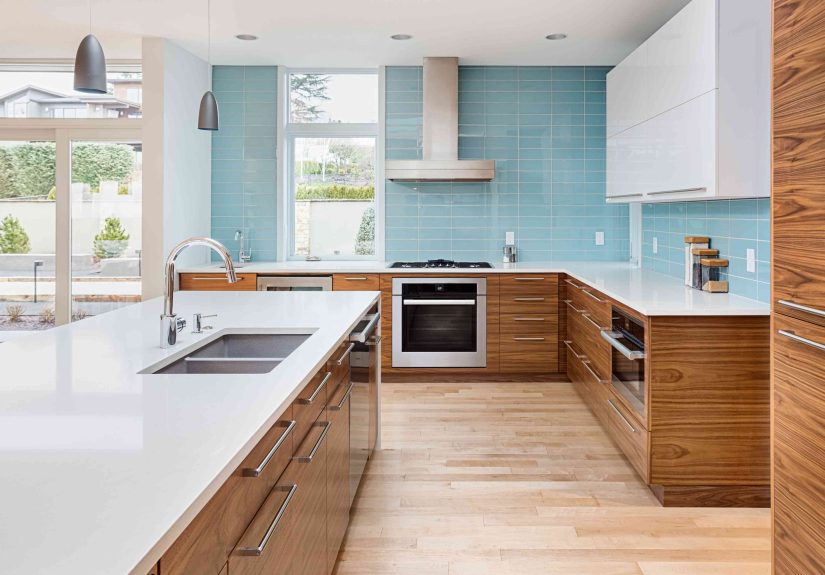
- Balance the warmth: Try creamy whites, warm off-whites, soft sage, muted blue-gray, or clay tones on walls.
- Swap the hardware: Modern pulls in matte black, brushed nickel, or aged brass instantly update oak cabinets.
- Reduce visual noise: Keep counters and backsplash quieterthink solid surfaces, zellige-style tile, or subtle stone patterns.
- Add contrast: One dark accent (like a black faucet or charcoal pendant lights) makes warm wood feel intentional, not accidental.
The secret is simple: treat honey oak like a design feature, not a problem to apologize for. When the wood is the “main character,” everything else can be
the supportive cast.
2) Wallpaper Borders and Statement Wallpaper
Wallpaper never really left, but borders? Borders were exiled. Yet here they areback with a makeover. Instead of cartoonish geese or fruit motifs, today’s
borders are cleaner, more graphic, and used like architectural trim you can peel off when you change your mind (which, historically, you will).
What it looked like in the ’90s
Borders ran along the top of walls like a decorative victory lap. Kitchens, bathrooms, kids’ roomsno space was safe. Often paired with sponged paint,
stencils, or heavily patterned wallpaper.
Why it works now
Designers are leaning into layered, personal spaces again. Borders add detail without requiring full-room wallpaper commitment. And with modern printing,
peel-and-stick options, and better color palettes, the results can feel crisp instead of chaotic.
Modern ways to use borders (yes, seriously)
- Frame a room: Use a thin border to highlight crown molding lines or the transition between wall paint and ceiling color.
- Make ceilings interesting: Add a border where the wall meets the ceiling for a subtle “finished” lookespecially in dining rooms.
- Create faux paneling: Pair a border with chair-rail height and paint below it to mimic wainscoting.
- Use it like art: Apply a border inside a picture-frame molding or around a mirror for a custom detail.
If you’re nervous, start small: powder rooms, laundry rooms, or a kid’s room are perfect “low stakes, high payoff” spaces. Worst case? You peel it off and
pretend it never happened.
3) Glass Block Walls and Partitions
Glass blocks are the ultimate “Wait… that’s kind of cool now?” trend. They were once the hallmark of ’90s bathrooms and entrywaysproviding privacy while
still letting light through. In a world obsessed with bright interiors, they’re back as a surprisingly practical design tool.
What it looked like in the ’90s
Big glass block windows in showers. Glass block half-walls. Sometimes a whole glass block corner situation that screamed: “We renovated in 1997 and we were
very proud.”
Why it works now
Today’s layouts often want the best of both worlds: openness and separation. Glass block gives you light and privacy without a heavy wall. Modern
installations can also look cleaner and more architecturalespecially when paired with simple tile and streamlined fixtures.
Where glass block shines in modern homes
- Showers: A glass block panel can replace a curtain or frosted glass, keeping light while shielding sightlines.
- Entry partitions: Create a subtle boundary between entry and living room without closing off the space.
- Staircases or hallways: Use it as a light-sharing wall where windows are limited.
- Outdoor privacy: In patios or outdoor showers, it’s a sleek alternative to fencing.
Style tip: glass block looks best when the surrounding finishes are simplethink warm neutrals, clean grout lines, and fewer competing patterns.
Let it be the sculptural moment.
4) Chrome and Silver Finishes
Chrome is back, and it’s not asking permission. After years of matte black and warm brass dominating hardware and lighting, shiny silver finishes are
returning as the “jewelry” of a roomreflective, versatile, and oddly refreshing.
What it looked like in the ’90s
Polished chrome faucets, mirrored accents, shiny light fixtures, and sometimes a bit of that “space-age” optimism. In some homes, chrome ended up looking
cold because everything else was also cool-toned.
Why it works now
The modern version uses chrome in smaller doses and pairs it with warm elementswood, textured fabrics, earthy paint, and softer lighting. The goal isn’t
“shiny everything.” It’s “shiny on purpose.”
How to bring chrome in without turning your house into a toaster
- Start with accents: A table lamp base, a vase, a mirror frame, or cabinet pulls are easy entry points.
- Mix finishes thoughtfully: Chrome + warm brass can look great if you repeat each finish at least twice in a room.
- Use it where light matters: Chrome bounces lightperfect for darker corners, small bathrooms, or north-facing rooms.
- Choose softer shapes: Curved or sculptural chrome pieces feel modern, not clinical.
If brass feels like a cozy sweater, chrome is a crisp white tee. You can build an outfit around itor just use it to make everything else look sharper.
5) Overstuffed, Deep-Seated Sofas (Comfort Is Back)
The ’90s understood one truth: sitting should be comfortable. Not “perch politely” comfortablesink in and forget your problems comfortable.
That’s why plush, deep sofas and big sectionals are trending again, especially as homes double as workspaces, movie theaters, and snack-based social clubs.
What it looked like in the ’90s
Oversized sofas, puffy arms, deep cushions, and sectionals big enough to host a full sleepoversometimes in colors that can only be described as “mall beige.”
Why it works now
People are prioritizing comfort and durability, and furniture brands have improved materials. Today’s deep sofas often come in performance fabrics, modular
shapes, and cleaner silhouettesso you get the comfort without the “giant blob” effect.
How to style a big comfy sofa so it still looks intentional
- Choose structure: Look for a sofa with a tailored base or slimmer arms if your room is small.
- Upgrade the fabric: Bouclé, textured weaves, linen blends, and performance velvet add polish.
- Use “anchor” pieces: A substantial rug and a coffee table with presence keep the sofa from overpowering the room.
- Layer pillows strategically: Two to four pillows is usually enoughavoid the pillow mountain that requires a separate storage unit.
A deep sofa is basically a lifestyle choice. The good news: it’s the kind that improves your daily life and doesn’t require a subscription.
6) Natural Textures: Rattan, Wicker, Cane, and Seagrass
Natural textures were everywhere in the ’90sespecially in coastal-inspired rooms, sunrooms, and casual living spaces. They’re back again because they
instantly add warmth, depth, and a relaxed vibe that plays nicely with modern design.
What it looked like in the ’90s
Wicker furniture, rattan accents, cane-front cabinets, and plenty of woven baskets. Sometimes it leaned a little “beach rental,” but the core idea was solid:
texture makes a space feel inviting.
Why it works now
Modern interiors are embracing organic materials and tactile surfaces. Natural fibers also help soften sleek roomsespecially those with lots of straight lines,
smooth paint, and hard flooring.
Easy ways to add natural texture (without turning your home into a tiki hut)
- Lighting: Try a woven pendant or rattan lamp shadeinstant cozy.
- Storage: Use baskets for blankets, toys, or laundry. Practical and pretty.
- Furniture accents: A cane-front sideboard, a rattan chair, or a woven bench adds texture without dominating the room.
- Layering: Seagrass or jute rugs under a softer rug creates depth and keeps spaces from feeling flat.
Natural textures are the design equivalent of adding salt to food: you might not notice it immediately, but you’ll definitely notice when it’s missing.
Putting It All Together: The “Modern ’90s” Formula
The difference between “trendy throwback” and “time capsule” is editing. Pick one or two nostalgic elements as your headline, then keep the supporting pieces
modern: calmer paint colors, cleaner lines, and fewer competing patterns. If you love multiple trends, unify them with a consistent palette and repeat
materials intentionally (for example: warm wood + chrome + one graphic wallpaper moment).
Most importantly, don’t chase the exact replica of a decade. The goal is to borrow what workedwarmth, comfort, personalityand leave the rest in the same
place you left your butterfly clips: honored, remembered, and not necessarily worn daily.
Experiences From the Real World: What the ’90s Revival Looks Like in Homes Right Now
One of the most interesting things about the ’90s decor comeback is how it’s showing up in everyday decision-makingnot just glossy “after” photos.
Homeowners renovating or simply refreshing rooms often describe a similar journey: they start out thinking they need to erase the ’90s, then realize a lot of
those features are actually… good.
In kitchens, warm oak cabinetry is a prime example. People who planned to paint everything white sometimes pause after living with the space for a while.
They notice the oak makes the room feel welcoming, especially in the morning light. Instead of painting, they update around it: swapping dated pulls for modern
hardware, choosing a quieter backsplash, adding better lighting, and picking wall colors that flatter the wood rather than fight it. The “experience” becomes
less about demolition and more about stylinglearning how small changes can shift a room’s mood.
Wallpaper borders are another surprise pivot. Many homeowners remember the old versions and expect to hate them. But after seeing modern borders used as a crisp
line near the ceiling or as a frame around a nook, they start to view borders as a toolalmost like trim. The most common experiment is in a small space:
a powder room gets a playful border, or a laundry room gets a thin stripe that makes the ceiling feel taller. People report that these “tiny” changes are often
the most satisfying because the commitment is manageable and the payoff is immediate.
Glass block, too, tends to win people over when privacy and light collide. In bathrooms, especially, homeowners love the feeling of brightness without the
fishbowl effect. The experience isn’t just aesthetic; it’s functionalmore daylight, fewer blinds, and a calmer atmosphere. In entryways or stairwells, glass
block feels like a clever fix for dark areas that can’t easily add windows. The result often gets described as “retro in a cool way,” which is basically the
highest compliment nostalgia decor can receive.
Chrome’s comeback is often experienced as a “design palate cleanser.” People who feel tired of matte black everywhere find that a touch of chrome makes a room
feel lighter and more energized. The most successful stories follow the same pattern: chrome gets introduced in small pieces first (a lamp, a mirror frame,
a faucet), then repeated once or twice so it looks intentional. The lesson homeowners learn is that shiny doesn’t have to be coldit can be crisp, especially
when balanced with wood, soft textiles, and warm lighting.
And then there’s comfort. Deep sofas and plush sectionals are one of the most “felt” trendsliterally. People upgrading from slim, modern seating often say
the biggest difference is how they use the room: they lounge more, host more casually, and actually want to spend time there. The experience tends to shift
from “my living room looks nice” to “my living room works.” Paired with natural textureswoven baskets, rattan lighting, jute rugsspaces end up feeling
relaxed but still styled, like the house is ready for both friends and a nap.
The overall experience of the ’90s revival is less about copying a decade and more about reclaiming what was comforting and practicalthen refining it with
better materials, smarter color choices, and a little self-awareness. Nostalgia, but with taste. The dream.
Conclusion
The best ’90s decor comebacks aren’t about recreating the pastthey’re about reusing the parts that still make sense today: warm wood, light-friendly
partitions, cozy seating, layered texture, and pattern used with intention. Choose one or two trends that genuinely fit your home and your life, update the
surrounding details, and enjoy the fact that “back in style” doesn’t have to mean “back exactly as it was.”