Table of Contents >> Show >> Hide
- 1. Clarify Your “Why” and Your Lifestyle (Before You Buy Anything)
- 2. Budget Like a Realist (Not Like an HGTV Episode)
- 3. Learn the Legal Landscape: Zoning, Codes, and Where You Can Actually Live
- 4. Land, Location, and Utilities: The Not-So-Tiny Details
- 5. Design, Layout, and Storage: Every Inch Has a Job
- 6. Wheels or Foundation? Pick the Right Tiny-Home Lifestyle
- Real-Life Experiences and Lessons Learned
- Conclusion: Dream Big, Build Small (and Smart)
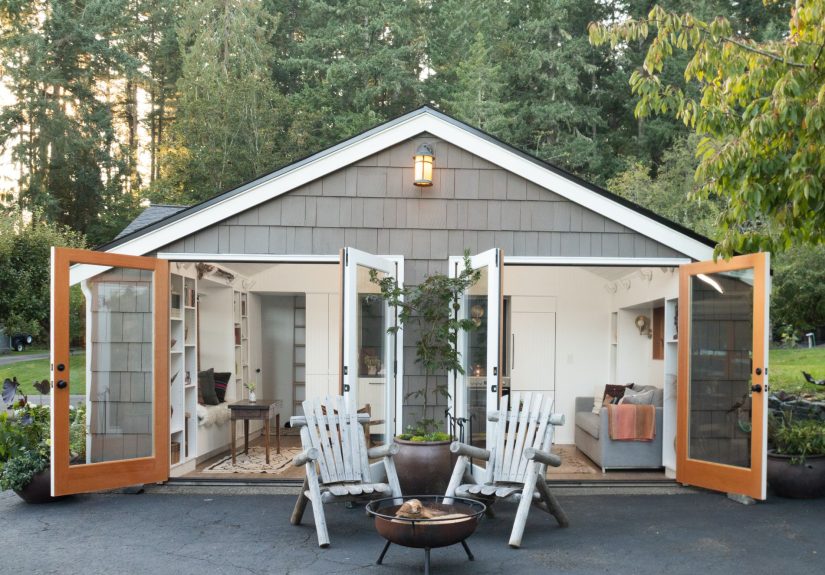
Tiny homes look adorable on Instagram: a cedar-clad cabin, fairy lights on the deck, a mug of coffee bigger than the kitchen sink. But behind every “living large in a tiny house” photo is a mountain of planning, permits, and “wait, where do we put the shoes?” moments. Before you order a trailer or start sketching floor plans on napkins, it’s worth slowing down and looking at the bigger picture behind a smaller home.
In this guide, we’ll walk through six big things to consider before building a tiny home: your lifestyle, your budget, legal issues, land and utilities, design and storage, and whether your house should roll or rest on a foundation. Think of it as your tiny-home reality checksupportive, honest, and just a little bit sassy.
1. Clarify Your “Why” and Your Lifestyle (Before You Buy Anything)
The first question isn’t “What size trailer do I need?” It’s “Why do I actually want a tiny home?”
People are drawn to tiny homes for all kinds of reasons: lower housing costs, eco-friendlier living, flexibility to move, or a deep desire to stop cleaning 2,000 square feet of floors every weekend. Research shows that tiny living can reduce living costs, simplify possessions, and support a more minimalist, eco-friendly lifestyle. But those benefits only happen if your day-to-day life truly fits inside a small footprint.
Questions to ask yourself
- Who’s living here? Just you? You and a partner? Kids? Pets that act like toddlers with claws?
- How do you actually live? Work from home, or gone most of the day? Love cooking, or live on takeout?
- What can you realistically live without? A full-size oven, a king bed, a soaking tub, a walk-in closet?
- How much privacy do you need? Two introverts can thrive in a tiny home. Two loud extroverts with different sleep schedules may…not.
It’s also smart to test-drive tiny living before committing tens of thousands of dollars. Rent a tiny house on Airbnb for a weekend. Pay attention to where you feel cramped or annoyed, what works beautifully, and what you absolutely need to change in your own design.
Bottom line: if your “why” is clear and your lifestyle genuinely fits a small space, everything else becomes easier to design and prioritize.
2. Budget Like a Realist (Not Like an HGTV Episode)
One of the biggest myths about tiny homes is that they’re always “cheap.” Smaller can mean more affordable, but it’s not automatically a bargain. A well-built tiny home still needs framing, insulation, windows, roofing, plumbing, and electricaljust like a bigger house, but packed into fewer square feet.
Cost estimates from home-improvement and building sources suggest that materials for a tiny house can easily run from around $15,000 to $50,000+ depending on size and finishes, with appliances adding several thousand dollars more. If you hire professionals for part or all of the build, labor can rival or exceed material costs.
Key costs to plan for
- Structure: Trailer or foundation, framing, roofing, windows, doors.
- Systems: Electrical, plumbing, HVAC or mini-split, water heater, ventilation.
- Interior finishes: Insulation, wall finishes, flooring, cabinetry, fixtures.
- Appliances: Fridge, cooktop or range, possibly washer/dryer combo.
- Soft costs: Permits, design help, inspections, transportation, utility hookups.
- Ongoing costs: Land rent or mortgage, insurance, maintenance, utilities, propane.
Financial experts also warn about “tiny home money traps,” such as underestimating the price of land, utility hookups, and transportation, or discovering that your tiny home doesn’t qualify for a traditional mortgage, which pushes you toward RV loans or personal loans with different terms.
Financing reality check
Many tiny homes are financed via:
- Cash from selling a larger home or downsizing belongings.
- Personal loans (often higher interest, shorter terms).
- RV or chattel loans for tiny homes on wheels.
- Home-equity loans if your tiny home is an accessory dwelling unit (ADU) on existing property.
Before you fall in love with a builder’s photo gallery, list every potential expense you can think of (land, build, site work, transport, utilities, furnishings) and add a generous contingency. Tiny homes are small. Cost overruns are not.
3. Learn the Legal Landscape: Zoning, Codes, and Where You Can Actually Live
Tiny homes are cute. Zoning codes are not. The legal side of tiny living is where many dreamy Pinterest boards go to die.
In the U.S., tiny home regulations vary dramatically from state to stateand often from city to city. Some places have embraced tiny houses by adopting tiny-home-friendly sections of the International Residential Code (IRC), like Appendix Q for houses under 400 square feet. Others still treat tiny homes on wheels as RVs, limiting where and how long you can live in them.
Key legal questions to answer early
- Is a tiny home legal housing in your area? It might be classified as an RV, an ADU, a manufactured home, or a single-family home on a foundation.
- What’s the minimum square footage? Some codes specify a minimum size for dwelling units; tiny-home-friendly regions may allow living spaces around 400 square feet or less.
- What if it’s on wheels? In many places, tiny houses on wheels must be registered as RVs and can’t be occupied full-time outside of RV parks or specific zones.
- What about lofts and ceiling height? Regulations can dictate minimum ceiling height and emergency escape routes, especially for sleeping lofts.
The safest move: talk to your local planning and building departments before you design or buy anything. Ask how tiny homes are classified, what codes apply, where they can be placed, and what permits you’ll need.
It’s also worth looking into tiny-home communities or RV parks that already have zoning approval. These communities may provide legal placement, utility hookups, and a built-in group of neighbors who understand why you own exactly four dinner plates and no full-size couch.
4. Land, Location, and Utilities: The Not-So-Tiny Details
Where your tiny home lives matters just as much as how it’s built. A gorgeous design won’t feel so magical if it’s parked on a muddy lot with no power or sits in a climate your insulation can’t handle.
Land and placement
Before you commit to a build, decide whether your tiny home will:
- Go in your backyard as an ADU (subject to local rules).
- Be placed on rented land in a tiny-home or RV community.
- Sit on rural property you own, potentially off-grid.
Each option has its own zoning, permitting, and cost implications. For example, some cities now adjust minimum lot sizes and square-footage requirements to allow tiny homes on smaller, previously “unbuildable” lotsoften as a response to housing shortages.
Utilities and infrastructure
Decide early whether you want to be fully connected, partially off-grid, or as independent as possible. Key systems include:
- Water: City water connection, well, or water tank.
- Sewage: Sewer hookup, septic system, composting toilet, or holding tank.
- Power: Grid connection, solar panels with batteries, generator backup.
- Heating/cooling: Mini-split, propane heater, wood stove (with safe venting and clearances), fans, and proper ventilation.
Utility setup is a frequent “hidden cost” for new tiny homeowners. Trenching, installing septic, or upgrading electrical service can quickly add thousands of dollars to your project.
Climate and comfort
A tiny house in Arizona faces different challenges than one in Minnesota. Extreme cold requires serious insulation, airtight construction, and condensation control. Hot, humid climates need great shading, ventilation, and cooling strategies. If you plan to move with the seasons, your design and systems need to handle a wider range of conditions.
5. Design, Layout, and Storage: Every Inch Has a Job
In a tiny home, every square inch has a résumé. If a space can’t justify its existence by doing at least two jobs, it’s probably not earning its keep.
Think in zones, not rooms
Instead of thinking “bedroom, dining room, office,” think:
- Sleep zone: Loft or main-floor bed, with safe access and headroom.
- Work zone: Fold-down desk or table that doubles as dining space.
- Cook zone: Compact kitchen with smart storage and enough counter space to actually chop a vegetable.
- Chill zone: A spot where you can sit comfortably, read, or watch TV without constantly moving cushions or gear.
Smart storage ideas
- Stairs that double as drawers or cabinets.
- Toe-kick drawers under kitchen cabinets.
- Slim wall-mounted shelves instead of bulky furniture.
- Loft or ceiling-hung storage for seasonal items.
- Outdoor storage boxes or a small shed for tools, gear, and off-season equipment.
Be honest about your stuff. If you’re a hobby personbikes, skis, musical instruments, crafting suppliesyou’ll either need very creative storage or a nearby shed or garage. The tiny home itself rarely handles everything.
It can help to tape off your planned tiny house footprint on the floor of a garage or living room, then “live” in that taped area for an afternoon with mock furniture positions. It looks ridiculous. It’s also very revealing.
6. Wheels or Foundation? Pick the Right Tiny-Home Lifestyle
One of the biggest decisions is whether your tiny home will be:
- A tiny house on wheels (THOW) built on a trailer.
- A tiny house on a permanent foundation classified as a standard dwelling or ADU.
Tiny house on wheels (THOW)
Pros:
- Mobilitycan be moved, resold, or relocated more easily.
- Often built to RV standards, which some lenders and insurers understand.
- Great if you want to try different locations or live seasonally.
Cons:
- Often treated as an RV, with restrictions on full-time residence in many areas.
- Requires a capable tow vehicle or professional transportation service.
- Must consider road weight limits, height, and width when designing.
Tiny house on a foundation
Pros:
- More straightforward to connect to utilities and meet traditional building codes.
- May qualify as a legal ADU or small home, opening more financing and insurance options.
- Often feels more stable and permanent, especially in extreme weather.
Cons:
- Locked to one spotno rolling away if your neighbors start a drum circle.
- Subject to local minimum square-footage and setback rules.
- Site work and foundation costs can add up quickly.
Many people start out imagining that they’ll move their tiny home constantly, then discover that traveling a lot with a large, heavy trailer is stressful and expensive. In reality, most tiny houses move a few times at most, or only seasonally. Be realistic about how often you’ll actually moveand design accordingly.
Real-Life Experiences and Lessons Learned
Tiny homes aren’t just a concept; they’re real spaces where real people live, work, argue, nap, and accidentally elbow each other while making coffee. Learning from other people’s experiences can save you time, money, and regrets.
What actual tiny-home owners say
People who’ve downsized to tiny homes often report big benefits: lower monthly expenses, less clutter, more time spent outdoors, and a greater sense of control over their lives. Some owners say their stress levels dropped significantly after moving into a well-designed small space. Others appreciate being closer to familyfor example, one homeowner in her late 50s moved a tiny home onto her parents’ rural property to reduce housing costs while helping care for them.
But tiny living isn’t all sunsets and succulents. Common challenges include:
- Underestimating the emotional side of decluttering. Letting go of furniture, collections, and sentimental items can be exhausting. Some people need a year or more to realistically downsize.
- Discovering layout flaws only after moving in. For example, ladders to the sleeping loft that feel fine in your 30s may be miserable when you’re sick, injured, or just had a long day.
- Noise and privacy. In 300 square feet, there’s nowhere “away” from someone’s Zoom call or movie night except maybe the porch.
- Weather and seasonal changes. A tiny home that feels perfect in mild weather may feel cramped during a long, cold winter when you’re stuck indoors.
Practical “experience-based” tips
Based on common stories from tiny-house owners and builders, here are some experience-driven lessons you can steal:
- Don’t skip the mock-up phase. Before finalizing your design, use painter’s tape, cardboard boxes, and cheap furniture to create a full-scale mock-up of your layout. Pretend to cook, work, and get ready for bed in that footprint. You’ll quickly find out if that “cute” spiral staircase is a tripping hazard.
- Plan for real-life mess, not magazine photos. Ask where laundry baskets go, where muddy shoes land, where your dog’s bed fits, and where work bags live. Design permanent homes for everyday clutter.
- Prioritize headroom and movement paths. People almost never say, “I wish my loft were shorter.” They do complain about bonked heads, cramped lofts, and layouts that force them to twist awkwardly around furniture all day.
- Think about aging, injuries, and guests. If you plan to live in your tiny home long-term, consider a main-floor sleeping option (even a convertible bed) and easy-access bathroom. If friends and family will visit, ask where they’ll sleep and what level of privacy everyone will have.
- Expect your first year to be an adjustment period. Many owners describe the first months as a learning curve: figuring out storage systems, adjusting routines, and deciding what really belongs in the house. You may rearrange things more than onceand that’s normal.
- Have an exit plan. Life changes. Jobs shift, relationships evolve, and health needs come up. Before you build, think about what you’d do if tiny living stops working for you: Could you rent the home out, sell it, or repurpose it as a guest house or office?
Finally, remember that tiny homes are a lifestyle, not just a cheaper building project. The happiest tiny-home owners are usually those who actively wanted a simpler, more intentional lifenot those who felt forced into a smaller space as a last resort.
Conclusion: Dream Big, Build Small (and Smart)
Building a tiny home can absolutely change your lifein good ways, if you plan carefully. Before you jump in, take time to:
- Clarify your reasons for going tiny and make sure your lifestyle fits small-space living.
- Create a realistic budget that includes land, utilities, and hidden costs.
- Research legal requirements, zoning, and building codes where you want to live.
- Choose the right land and utility setup for your climate and comfort level.
- Design a layout that prioritizes function, storage, and comfort over trendy features.
- Decide whether a tiny house on wheels or a tiny house on a foundation matches your long-term plans.
Tiny homes can offer lower costs, a smaller environmental footprint, and a more intentional way of livingbut only if you treat them like real houses with real responsibilities. Go in with open eyes, a solid plan, and a clear sense of what “home” means to you, and your tiny house won’t just be small. It’ll be just right.