Table of Contents >> Show >> Hide
- Before You Roll: A Quick “Will This Surface Hate Me?” Checklist
- 1) Dust Lampshades Without Turning Your Room Into a Dust Snow Globe
- 2) Pet Hair Patrol: Couches, Chairs, Throw Blankets, and Pet Beds
- 3) Refresh Curtains and Drapes Without Taking Them Down
- 4) Clean Window Screens (Yes, Really) Without a Full Scrub Session
- 5) Spot-Clean Crumbs and Grit on Rugs, Carpeted Stairs, and Entry Mats
- 6) Craft and Holiday Glitter Cleanup (AKA: Defeating the Sparkle Tax)
- 7) Safer Cleanup for Tiny Glass Shards (After You Sweep First)
- Lint Roller FAQ: The Quick Answers You Actually Need
- of Real-Life “Lint Roller Moments” (So You’ll Actually Use These Tricks)
- Conclusion: Small Tool, Big “Why Didn’t I Do This Sooner?” Energy
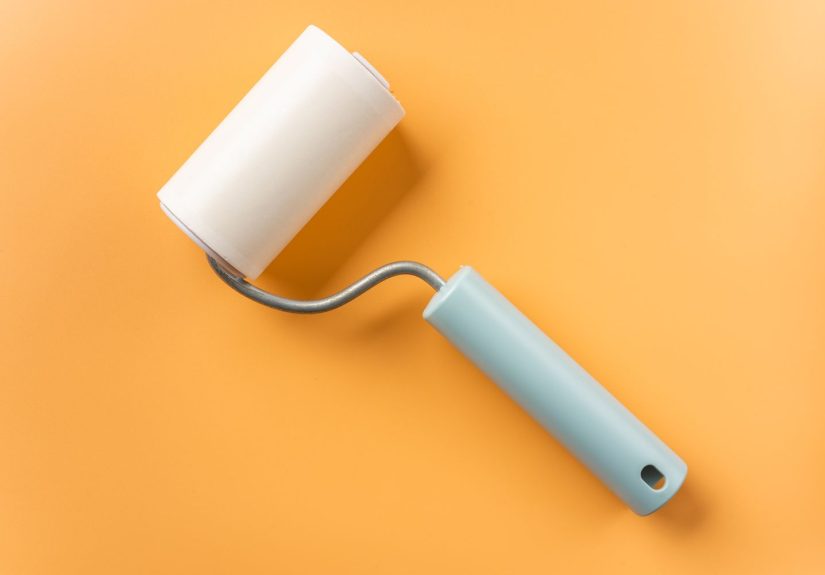
A lint roller is basically a tiny, portable “sticky vacuum” that costs a few bucks and lives in the junk drawer like it pays rent.
Most people only grab it when they’re wearing black and suddenly become a magnet for white fuzz. But that tacky little roll can do
way more than rescue your outfitit can rescue your sanity.
The magic is simple: the adhesive layer grabs lightweight debris (hair, dust, crumbs, pollen, glitteraka the confetti of chaos)
and lifts it off textured surfaces that are annoying to wipe or vacuum. Think of it as the cleaning tool for people who want results
without dragging out The Big Equipment and accidentally starting a full-house cleaning spiral.
Before You Roll: A Quick “Will This Surface Hate Me?” Checklist
Lint rollers are safe on many everyday surfaces, but they’re not a universal remote. Use this quick checklist to avoid sticky regrets:
- Do a tiny test first on anything delicate (paper shades, antique fabrics, raw wood). If it tugs, stop.
- Go gentle on loose weaves (some knits, fringe, shag, faux fur). The adhesive can pull fibers or get stuck.
- Don’t press hard on mesh (window screens). Light pressure prevents stretching or poking holes.
- Swap sheets oftena dirty sheet just smears debris around like a toddler “helping” clean.
- Avoid wet surfaces. Sticky + moisture = gunk you didn’t order.
1) Dust Lampshades Without Turning Your Room Into a Dust Snow Globe
Lampshades collect dust quietly, like they’re training for a secret career in archaeology. Fabric shades also attract pet hair and lint,
and they’re awkward to wash. A lint roller gives you a fast, low-drama cleanupespecially for pleats, trim, and textured fabric.
How to do it
- Turn the lamp off and let the bulb cool completely.
- Hold the shade steady and roll in gentle, vertical strokes from top to bottom.
- For pleats or seams, angle the roller and use lighter pressure so you don’t dent the frame.
- Flip the shade (or change your angle) and roll the inside toodust hides in there like it knows you’re busy.
Pro tip: If your lampshade is paper-thin, fragile, or vintage, skip the roller and use a soft brush or vacuum attachment instead.
The goal is cleannot “accidentally redecorated with rips.”
2) Pet Hair Patrol: Couches, Chairs, Throw Blankets, and Pet Beds
If you have a dog or cat, you already know: pet hair is not a mess. It’s a lifestyle. And while vacuums are great, they don’t always grab
hair woven into upholstery or snagged in seams. A lint roller is excellent for targeted “hot zones” like couch arms, cushion edges,
and that one chair your cat has claimed as a throne.
Where a lint roller shines
- Upholstery seams and piping (hair loves those creases)
- Throw blankets before guests arrive
- Pet beds between washes
- Cat trees and fabric perches (quick pass, big difference)
Make it work better (without working harder)
- Roll in one direction first, then cross-roll lightly if hair is stubborn.
- For larger areas, consider a wide or extendable lint roller designed for floors or furniture.
- If the fabric pills easily, use lighter pressure and shorter passes to avoid pulling fibers.
Reality check: If your couch is basically a fur sweater, a lint roller won’t replace deep cleaningbut it will make “company-ready”
possible in under five minutes. And that’s a win.
3) Refresh Curtains and Drapes Without Taking Them Down
Curtains are giant fabric air filters. They trap dust, pollen, and pet hair… and then politely hang there pretending nothing happened.
Washing or dry-cleaning them is a whole event, so a lint roller is perfect for quick maintenanceespecially during allergy season or
right before you open the windows for “fresh air” and accidentally invite in the outside world.
How to roll curtains the smart way
- Pull the curtain taut with one hand (not yankingjust steady).
- Roll top to bottom in smooth strokes, focusing on edges and the lower portion where dust settles.
- Replace sheets oftencurtains can load up a roller fast.
Pro tip: If you have delicate sheers, use extremely light pressure and test a small corner first. If the fabric grabs or pulls,
switch to a soft brush.
4) Clean Window Screens (Yes, Really) Without a Full Scrub Session
Window screens collect fuzz, pollen, pet hair, and whatever the wind felt like mailing you. A lint roller won’t replace a deep wash,
but it’s a fantastic dry pre-cleanand often enough for quick touch-ups so your windows stop looking like they’re wearing a sweater.
Quick method
- Use very light pressure and roll in vertical strokes.
- Work in sections, swapping sheets when the roller loses grip.
- For tall screens, use a roller with a handleor carefully roll from a stable step stool.
Bonus: This is especially satisfying if you live near cottonwood trees or deal with seasonal pollen. Your roller will come away looking
like it just fought a tiny, fluffy monster. Which, honestly, it did.
5) Spot-Clean Crumbs and Grit on Rugs, Carpeted Stairs, and Entry Mats
Sometimes you don’t need a full vacuum sessionyou need a “why is there cereal here?” solution. Lint rollers are surprisingly good at
picking up small crumbs, hair, and gritty bits on low-pile rugs, carpeted stairs, and doormats. They’re also helpful when you’re trying
to avoid waking up a napper, a baby, or a dog who will treat the vacuum as a personal enemy.
Where it works best
- Low-pile rugs (especially around dining areas)
- Carpeted stairs where crumbs love to hide near corners
- Entry mats for quick touch-ups between deep cleans
What to avoid
- Shag, high-pile, and sheepskin-style rugsthe roller can snag and pull fibers.
- Wet spillsuse a cloth first, then roll once it’s dry.
Pro tip: For quick “crumb control” under a high chair or snack zone, roll first, then do a fast sweep or vacuum later.
It’s a two-step strategy: immediate relief now, deep clean when you feel emotionally ready.
6) Craft and Holiday Glitter Cleanup (AKA: Defeating the Sparkle Tax)
Glitter is forever. Not metaphoricallyliterally. You’ll find it in places you didn’t even craft in. Lint rollers are one of the easiest ways
to pick up glitter, confetti, thread snippets, and paper dust from tables, fabric chairs, and even your clothes before you sit down and
become a human disco ball.
Smart places to roll after crafting
- Tablecloths and fabric runners (shake first, then roll)
- Chair seats where confetti hides in plain sight
- Gift-wrap stations to pick up stray ribbon fuzz and paper scraps
- Kids’ craft mats (when dry) for quick cleanup between projects
Pro tip: If you’re dealing with tiny beads or sequins, roll gently to corral themthen peel the sheet over a trash can and remove
stuck pieces by hand. It’s oddly efficient and deeply satisfying, like you just outsmarted a very small tornado.
7) Safer Cleanup for Tiny Glass Shards (After You Sweep First)
When a glass breaks, you usually catch the big piecesbut the tiny shards are the problem. They bounce into corners, settle into grout lines,
and wait patiently for a bare foot to wander by. A lint roller can help grab those micro-shards in tight spots after you’ve already
removed the large pieces safely.
A safer approach
- Put on shoes and, if possible, gloves.
- Pick up large pieces carefully and dispose of them properly.
- Sweep the area thoroughly.
- Use the lint roller to press lightly into corners, along baseboards, and over grout lines where tiny shards hide.
- Peel off the used sheet directly into a trash bag (don’t carry it around the house like a dangerous trophy).
Important: This is an extra safety stepnot a substitute for careful cleanup. If you broke glass near a rug or deep carpet,
consider vacuuming afterward and emptying the vacuum safely.
Lint Roller FAQ: The Quick Answers You Actually Need
Should I buy disposable or reusable?
Disposable rollers are convenient and great for heavy-duty hair and dust. Reusable rollers can be rinsed and reused, which is handy if you
lint-roll often (pet households, craft households, black-shirt enthusiasts). Many people keep both: a disposable for gnarly messes and a reusable
for daily touch-ups.
How often should I replace the sheet?
Anytime the roller stops grabbing debris easily, swap it. A fresh sheet works faster and prevents re-depositing dust back onto the surface.
Can a lint roller replace vacuuming?
Not for whole-room cleaning. But for targeted “right now” messespet hair hot spots, visible dust, crumbs by the couchabsolutely. It’s a spot-cleaning tool
that keeps your home looking maintained between deeper cleanups.
of Real-Life “Lint Roller Moments” (So You’ll Actually Use These Tricks)
Here’s the thing about cleaning hacks: they sound great until you’re standing in your kitchen at 9:47 p.m. wondering why you own fifteen cleaning sprays
but can’t find the energy to use a single one. That’s exactly where the lint roller wins. It’s low effort, low noise, and doesn’t trigger the dreaded
“If I start cleaning, I’ll be cleaning forever” chain reaction.
A common scenario: someone texts, “We’re nearbycan we stop in?” You glance at the couch and realize your pet has been shedding with the enthusiasm of a
snow machine. In that moment, you don’t need perfection; you need triage. A lint roller lets you hit the most visible areascouch arms, cushions,
and the throw blanket that’s basically a fur collectorso the room looks instantly calmer. It’s the difference between “We live here” and “We live here
and also run a small-scale alpaca farm indoors.”
Another everyday moment: the “mystery crumbs” problem. Maybe it’s popcorn during movie night, maybe it’s crackers in the car, maybe it’s a toddler who
treats snacks like confetti. Pulling out the vacuum for a handful of crumbs can feel ridiculous, but leaving them there guarantees you’ll step on them
later (and somehow they’ll always be the sharpest crumb in existence). A lint roller is perfect for quick, targeted passesespecially on carpeted stairs
and entry mats where crumbs love to wedge into corners.
If you’ve ever decorated for the holidays, you know glitter has a way of traveling farther than most adults do all year. You wrap gifts, you sprinkle a
little sparkle, you feel festive… and then you find glitter on the dining chair in March. Using a lint roller right after crafting or decorating makes a
huge difference because it grabs the tiny stuff before it gets walked through the house. It’s also oddly satisfying to see the sheet turn into proof that
you prevented a long-term sparkle infestation.
Then there’s the “I opened the windows and now everything is dusty” experience. Dust and pollen don’t politely stay outside; they drift onto curtains,
screens, and soft surfaces. A quick lint-roll of window screens and curtain edges can make your home feel fresher without committing to a full wash cycle.
It’s especially helpful if you’re sensitive to allergens and want to reduce what’s floating (and landing) around your living space.
Finally, the lint roller earns its hero cape during small accidentslike when a glass breaks and you’re pretty sure you got everything… but you also like
walking barefoot and prefer not to gamble with your feet. After sweeping and removing the big pieces, rolling the corners and grout lines is a smart “just
in case” move. It’s not dramatic, it’s not glamorous, but it’s the kind of practical habit that quietly makes a house safer.
The best part? Once you start keeping a lint roller somewhere convenientlaundry room, kitchen drawer, coat closetyou’ll use it more often because it’s
frictionless. And in housekeeping, frictionless is basically the highest compliment.
Conclusion: Small Tool, Big “Why Didn’t I Do This Sooner?” Energy
Lint rollers are one of those simple tools that feel almost too basicuntil you use them for lampshades, screens, upholstery, crumbs, crafts, and those
tiny messes that somehow become giant annoyances. Keep one where you’ll actually grab it, use light pressure on delicate surfaces, and treat it like a
quick-fix sidekicknot a replacement for deep cleaning. Your home will look tidier, faster, and you’ll spend less time arguing with dust bunnies.