Table of Contents >> Show >> Hide
- What You’ll Learn
- Why 70s Dressers Are Worth Saving
- Before You Start: Diagnose What You’ve Got
- Safety First: Dust, Strippers, and the Lead Question
- The Step-by-Step Makeover Blueprint
- Step 1: Remove hardware and label everything
- Step 2: Clean like you mean it
- Step 3: Fix the boring stuff (so the pretty stuff looks professional)
- Step 4: Veneer repair (the “please don’t sand yet” moment)
- Step 5: Decidestrip or scuff-sand?
- Step 6: Sand in a smart progression
- Step 7: Prime to prevent bleed-through and peeling
- Step 8: Paint or stainchoose your vibe
- Step 9: Let it cure (dry ≠ cured)
- Design Upgrades That Make a 70s Dresser Look Custom
- Hardware: The Small Change That Screams “Custom”
- Topcoats That Don’t Quit: Wax vs Poly and What to Use Where
- Common Mistakes (and How to Fix Them Without Crying)
- Cost, Time, and “Is It Worth It?”
- Quick FAQ: 70s Dresser Makeover Questions People Actually Ask
- The Part Nobody Tells You: of Real-Life “70s Dresser Turns Masterpiece” Experiences
- Final Thoughts
Every decade has its design quirks. The 1970s gave us shag carpet, lava lamps, andquietly, sturdily
some seriously hardworking bedroom furniture. If you’ve ever spotted a chunky, low-slung dresser at a thrift
store and thought, “This is either a time capsule… or a crime scene,” congratulations: you’ve found the
perfect makeover candidate.
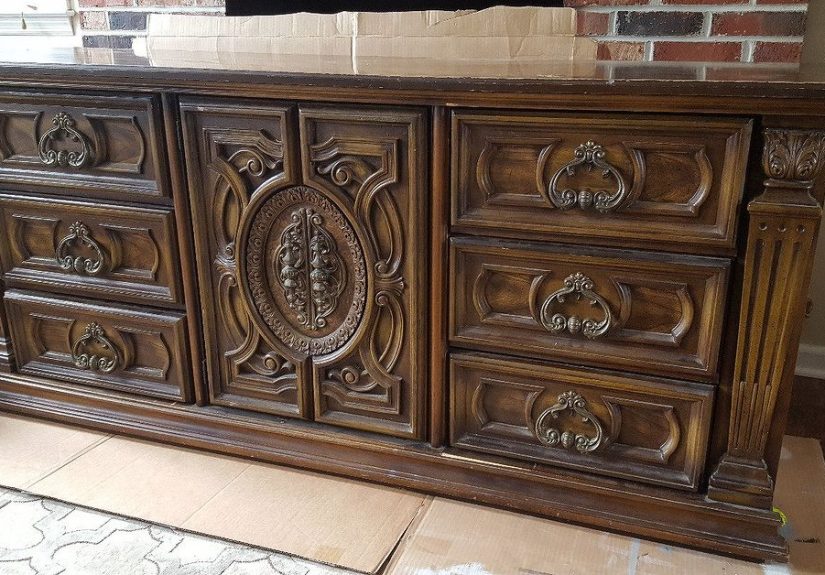
A 70s dresser makeover is one of the most satisfying DIY transformations because the “before” can be
aggressively meh, but the bones are often excellent. With the right prep, a few smart repairs, and a finish
that can survive real life (sticky fingers, jangly jewelry, and the occasional drawer slam), that retro box can
become a modern masterpiecewithout looking like you dipped it in craft-store glitter and prayed.
Why 70s Dressers Are Worth Saving
Here’s the secret: plenty of 1970s case goods were built to last longer than a trend cycle. Even when the
exterior looks dated, the frame may be solid wood or thick veneer over stable panels. Drawers often run
smoothly, and the piece tends to be heavier than today’s fast-furniture equivalentsbecause it’s not
made of hopes and compressed sawdust alone.
That said, 70s pieces can be tricky in one specific way: veneer. Many dressers from that era use wood veneer
(thin real wood) over engineered cores. Veneer is totally refinishable, but it demands a gentler touch than
solid lumber. The good news? With the right approach, veneer is also how you get that “designer furniture”
look without paying designer prices.
Finally, an upcycled dresser is an eco-friendly win. Refinishing keeps bulky furniture out of landfills, and it
lets you choose lower-VOC finishes, better hardware, and a style that actually matches your spacerather than
whatever the internet decided you should like this week.
Before You Start: Diagnose What You’ve Got
A masterpiece starts with a quick reality check. Spend 10 minutes “reading” the dresser before you buy supplies.
You’re looking for four things: material, finish type, structural issues, and moisture damage.
1) Material: solid wood, veneer, laminate, or MDF?
- Solid wood shows continuous grain on edges and inside corners.
- Veneer has real wood grain, but edges may show a thin layer or seams.
- Laminate is usually perfectly uniform and may feel plasticky.
- MDF/particleboard is heavy, smooth, and can swell if it’s been wet.
Why this matters: solid wood can handle aggressive sanding. Veneer cannotsand through it and you’ll
invent new words you can’t say in front of toddlers.
2) Finish: paint, stain, varnish, or “mystery amber?”
If the surface is glossy and yellowed, you’re likely dealing with older varnish or lacquer. If it’s chalky and
dull, it could be paint or a worn finish. You don’t have to identify it perfectly, but you do need to decide
whether you’ll strip it or scuff-sand and seal it.
3) Structure: drawers, rails, and wobble
Open and close every drawer. If drawers rack (shift diagonally), check for loose joints or broken drawer slides.
Minor wobble is fixable. A dresser that looks like it’s doing the limbo? Still fixable, but that’s a bigger project.
4) Water damage and smells
Swollen corners, bubbling veneer, or a basement odor may require extra sealing and repairs. Smell matters
if you can’t stand it now, your bedroom won’t magically love it later.
Safety First: Dust, Strippers, and the Lead Question
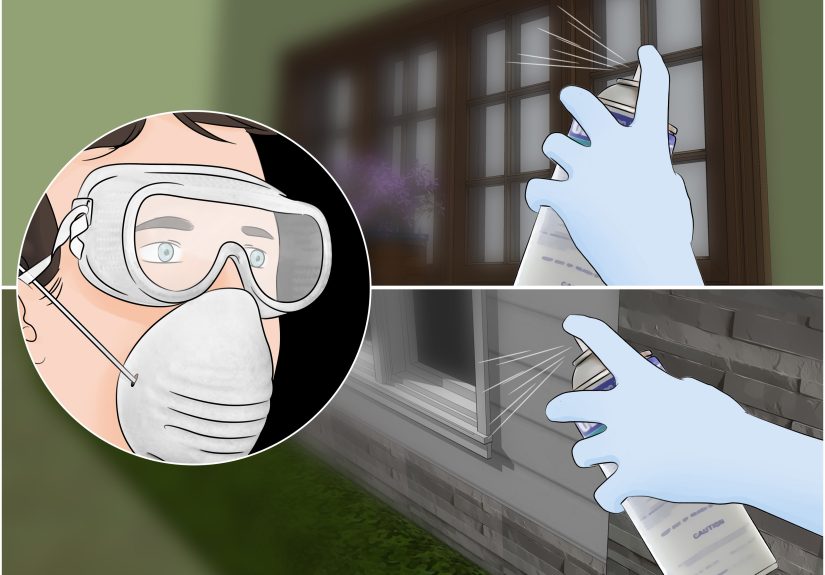
Refinishing furniture is fun until you treat it like a confetti cannon of dust and chemicals. Do yourself a favor:
set up safety once, correctly, and enjoy the project instead of coughing your way through it.
Lead-based paint: what to know
In the U.S., lead-based paint was banned for residential use in 1978, which means older painted surfaces can
be a risk when sanded or scraped. A 1970s dresser is near that cutoff. If you’re disturbing old paint (especially
with power sanding), consider using an EPA-recognized test kit or taking lead-safe precautions: contain dust,
wet-clean, and avoid creating airborne debris. When in doubt, treat it as “possibly lead” and work carefully.
Strippers and solvents
Chemical stripping can be a lifesaver for detailed trim or thick finishes, but it’s also “chemistry class with consequences.”
Work in a well-ventilated area, protect skin and eyes, and use a respirator appropriate for organic vapors when needed.
Keep pets and kids away. (Yes, your cat will absolutely try to sit on the drop cloth like it’s a luxury spa.)
Dust control
- Use a shop vacuum with a good filter and vacuum often.
- Wipe surfaces with a tack cloth or a damp microfiber cloth after sanding.
- Let dust settle before topcoatingfloating particles love wet finish like toddlers love wet paint.
The Step-by-Step Makeover Blueprint
Below is a workflow that works whether you’re doing a natural wood restoration, a painted dresser makeover,
or a hybrid two-tone look. The goal is simple: make the surface stable, smooth, and sealedthen make it gorgeous.
Step 1: Remove hardware and label everything
Take off pulls, knobs, and any decorative plates. Bag screws by drawer and label them. If there’s a “mystery screw”
left over at the end, you’ll sleep better knowing exactly which mystery it belongs to.
Step 2: Clean like you mean it
Furniture collects wax, oil, hand grime, and whatever that sticky spot is (don’t ask). Clean thoroughly before sanding.
Degrease the surface so your primer and paint don’t cling to an invisible layer of “previous owner’s life.”
Step 3: Fix the boring stuff (so the pretty stuff looks professional)
- Tighten joints: reglue loose corners and clamp until cured.
- Repair drawer issues: wax runners or adjust slides for smoother movement.
- Fill dings: use a paintable, sandable wood filler for chips and dents.
Step 4: Veneer repair (the “please don’t sand yet” moment)
If veneer is lifting, reglue it before sanding. Carefully lift the loose area, clean out old crumbly glue if needed,
apply adhesive, then clamp with a flat caul (a scrap board) so pressure stays even. For missing chunks, patch veneer
or use filler if you’re painting. Veneer repair first prevents edges from tearing laterand saves your sanity.
Step 5: Decidestrip or scuff-sand?
Strip if the finish is thick, peeling, gummy, or deeply scratched and you want stained wood.
Scuff-sand if the surface is intact and you’re painting. Most painted dresser makeovers succeed with
a thorough clean, a light degloss/scuff-sand, and a high-adhesion primer.
Step 6: Sand in a smart progression
Sanding isn’t about muscle; it’s about sequence. Start with a grit that removes flaws, then move up to refine.
For many dresser projects, a common path is:
- 80–100 grit for removing stubborn finish or leveling repairs (use lightly on veneer).
- 120–150 grit for smoothing and shaping.
- 180–220 grit for final prep before primer, paint, or stain.
Always sand with the grain where possible. On veneer, use gentle pressure and stop the second you see a change
in color or pattern that suggests you’re nearing the veneer layer’s limit.
Step 7: Prime to prevent bleed-through and peeling
If you’re painting, primer is your insurance policy. On tricky surfaces (glossy finishes, MDF edges, knots, or
tannin-rich wood), a shellac-based or stain-blocking primer can be the difference between “masterpiece” and
“why is it turning yellow?” Apply thin coats, let them dry fully, then lightly sand with a fine grit to smooth.
Step 8: Paint or stainchoose your vibe
Paint: Great for bold color, modern looks, and hiding patched veneer. Use a quality enamel or cabinet-style
paint for durability. Apply multiple thin coats rather than one thick coat (thick coats love to wrinkle and drip).
Stain: Best when the wood grain deserves the spotlight. If stripping to bare wood feels like too much,
gel stain can be a forgiving middle path on some projects. Stain needs careful wipe-down and even sanding to avoid blotchiness.
Step 9: Let it cure (dry ≠ cured)
Paint can feel dry in hours but still be soft underneath. Avoid heavy use, drawer loading, or sticky drawer liners
until the finish has had time to harden. Your future self will thank you when the top doesn’t imprint with a hair clip.
Design Upgrades That Make a 70s Dresser Look Custom
The fastest way to elevate a thrifted dresser is to do one intentional design movejust onethat looks like it
came from a boutique, not a weekend scramble.
Two-tone modern
Paint the body a deep neutral (charcoal, navy, olive) and keep drawer faces in stained wood. The contrast reads high-end,
especially with warm brass hardware.
Cane webbing inserts
Cane gives instant texture and a designer feel. You can replace drawer panel inserts or add cane to door fronts.
Tip: cane webbing is easier to work with when it’s soaked so it becomes flexible, then stapled or secured as it dries tight.
Fluted or slatted drawer fronts
Add thin half-round trim or slats to create vertical linesan easy nod to vintage style that still feels fresh.
Paint the whole front after the trim is attached for a seamless, intentional look.
Pattern, but make it grown-up
If you want bold, choose one controlled area: drawer interiors, a single stripe, or a subtle geometric stencil.
A little pattern is “wow.” Too much pattern is “I am living inside a scrapbook.”
Hardware: The Small Change That Screams “Custom”
New hardware is the cheapest luxury upgrade you can buy. It’s also the easiest way to modernize a 70s dresser
without touching the finish (though pairing new pulls with a fresh finish is the real power move).
- Measure the hole spacing (center-to-center) if you want a direct swap.
- Change the scale for drama: longer pulls instantly look more modern.
- Mix materials like brass + wood or matte black + leather for depth.
- Filling old holes? Use wood filler, sand smooth, and drill new holes with a template so rows stay aligned.
Pro tip: hardware is like jewelry. Even a simple outfit looks expensive with the right earrings. Your dresser is no different.
Topcoats That Don’t Quit: Wax vs Poly and What to Use Where
Durability is where many furniture flips go to die. The dresser looks amazing… until someone puts a water glass on it
and it leaves a ring that looks like a ghost tried to sign its name.
When to use a topcoat
If the dresser top gets daily use (keys, lotions, perfumes, humid bathroom-adjacent life), a protective topcoat is smart.
Some paints cure hard enough on their own, but a compatible clear coat adds confidenceespecially on horizontal surfaces.
Water-based polyurethane and polycrylic
Water-based clear coats are popular because they dry faster and stay clearer (less ambering than some oil-based products).
Apply multiple thin coats. Lightly sanding between coats (often around 320 grit) helps layers bond and keeps the finish smooth.
Wax finishes
Wax can look beautiful and feel buttery, but it’s typically less resistant to heat, water, and chemicals than a polyurethane-style topcoat.
Wax is better for low-wear pieces or for achieving a specific vintage patinarather than for a dresser that doubles as a landing pad for everything.
The underrated secret: cure time
Most clear coats and paints need time to reach full hardness. Be gentle during that window: no heavy drawer loading,
no rubber shelf liner, and no leaving a damp towel on top “just for a minute” (famous last words).
Common Mistakes (and How to Fix Them Without Crying)
Problem: brush marks and texture
Fix: use a foam roller for flat areas, thin coats, and light sanding between coats. If it’s already dry, sand smooth and repaint.
Problem: peeling paint
Fix: this is usually prep. Clean, scuff-sand, and prime properly. High-adhesion primer is your best friend on glossy old finishes.
Problem: yellow/brown stains bleeding through
Fix: switch to a stain-blocking primer (often shellac-based) and repaint. Bleed-through is common on some woods and older finishes.
Problem: wrinkling or sticky finish
Fix: thick coats, incompatible products, or bad drying conditions can cause this. Let it cure, sand down the affected area, then apply thinner coats.
Problem: sand-through on veneer
Fix: stop sanding immediately. If it’s minor, you may be able to blend with stain or toner. If it’s obvious, painting the surface or applying new veneer
may be the cleanest solution. (And yes, this is the moment you earn your DIY merit badge.)
Cost, Time, and “Is It Worth It?”
A DIY 70s dresser makeover can be surprisingly affordable if the structure is solid. Many projects land in the “one weekend plus drying time” category,
with a materials budget that often sits far below the cost of a new, sturdy dresser. Your biggest costs are typically primer, paint, topcoat, and hardware.
If you’re considering professional refinishing, expect higher costsespecially if repairs and stripping are involved. That route can absolutely be worth it
for a high-quality heirloom or a uniquely built piece, but for a standard thrift find, DIY often delivers the best value and the most creative control.
Worth it comes down to three questions:
- Do the drawers work? (Fixable issues are fine; missing drawer boxes are harder.)
- Is the frame stable? (If yes, you’re golden.)
- Do you love the size? (A perfect-fit dresser is worth extra effort.)
If you answered “yes” to at least two, you’re not just refinishing furnitureyou’re upgrading your home in a way that actually feels personal.
Quick FAQ: 70s Dresser Makeover Questions People Actually Ask
Do I have to strip a dresser before painting?
Not usually. If the existing finish is stable, thorough cleaning, scuff-sanding, and a good primer can be enough. Strip when the finish is failing or
when you want a stained wood look.
What paint is best for a dresser?
Look for durable enamels or cabinet-style paints intended for high-touch surfaces. Thin coats and proper cure time matter as much as the paint brand.
Should I seal painted furniture?
Often, yesespecially on the top and drawer fronts. A compatible clear coat helps resist scratches and makes cleanup easier.
How do I update a 70s dresser without painting it?
Swap hardware, refresh the finish with careful cleaning and a suitable topcoat, or do a two-tone update that keeps wood visible while modernizing the body color.
The Part Nobody Tells You: of Real-Life “70s Dresser Turns Masterpiece” Experiences
The first time you bring home a 70s dresser, you will feel optimistic. It will sit in your garage like a chunky vintage promise, and you’ll imagine yourself
finishing it in a single weekend while sipping iced coffee and casually glowing with competence. Then you’ll remove the top drawer and discover a small ecosystem
of dust, a lonely bobby pin from 1989, and what appears to be fossilized lotion. Welcome. You’re one of us now.
Experience #1: cleaning is not optionalit’s the whole plot. I used to think sanding was the “real work.” Nope. Cleaning is where the magic starts, because it’s
when the dresser stops being a thrift-store mystery and becomes a project you control. The first wipe-down is always alarming, like the dresser is shedding its past.
But it’s also satisfying: you can literally see the surface change from dull and greasy to ready-for-action.
Experience #2: veneer teaches humility. If you’ve only worked with solid wood, veneer feels like a prank. You sand, it looks fine, you sand a little more, and suddenly
you’ve hit the “oops layer.” The lesson is gentle pressure, sharp scraper blades, and patience. The win is that veneerwhen respectedlooks incredibly refined.
Once I stopped trying to sand it into obedience and started treating it like a finish layer, my results looked ten times more professional.
Experience #3: hardware will mess with your emotions. You’ll think, “These new pulls are cute.” Then you’ll hold them up and realize the old holes don’t match, the new
pulls are slightly longer, and your drawer fronts are now an accidental math problem. The fix is simplefill, sand, measure, drill with a templatebut the feeling is real:
the moment you realize every “quick change” has two extra steps. The upside? The first time you install hardware that actually fits the scale of the dresser, the whole
piece instantly looks custom, like it came from a curated showroom rather than the back corner of a thrift store.
Experience #4: paint has moods. Some days it levels out like a dream. Other days it drags, bubbles, or shows every brush stroke like it’s trying to win an award for
“Most Dramatic Finish.” That’s usually a combo of temperature, humidity, and impatience. I learned to use thinner coats, to stop “fixing” paint while it’s drying,
and to sand lightly between coats. Sanding between coats feels like extra work until you see the final smoothnessthen it feels like cheating.
Experience #5: the moment it becomes a masterpiece is never when you expect. It’s not the first coat of paint. It’s not even the second. It’s usually when you put the
drawers back in, step back, and notice how the color and hardware change the entire vibe of the room. A 70s dresser can go from “retro leftover” to “intentional statement”
with a few thoughtful choices. And that’s the best part: you didn’t just refinish furnitureyou edited it. You took something overlooked and made it feel wanted again.
Also, yes: you will find at least one more bobby pin. It’s basically tradition.