Table of Contents >> Show >> Hide
- Why Craigslist Car Scams Work So Well
- 1. Spot Trouble in the Listing Before You Contact the Seller
- 2. Verify the Car, the VIN, the Title, and the Seller
- 3. Refuse Risky Payments, Fake Escrow, Shipping Stories, and Pressure
- Quick Red-Flag Checklist for Craigslist Car Buyers
- What to Do If You Suspect a Craigslist Car Scam
- Experience Section: Practical Lessons From Real Craigslist Car-Shopping Situations
- Conclusion
Buying a used car on Craigslist can feel like treasure hunting with a steering wheel. One minute you are dreaming about a clean Honda Civic with low miles; the next minute a “seller” is asking you to wire money to a mysterious shipping company named something like Premium Global Auto Safe Escrow Express LLC. That is usually the moment your inner alarm should start honking.
Craigslist can still be a useful place to find local used cars, private sellers, older trucks, project vehicles, commuter cars, and budget-friendly deals. But because private-party car sales involve large amounts of money, scammers love the platform. They know buyers are excited, prices are high, and a “great deal” can make even a careful person act faster than they should.
This guide breaks the topic into three simple but powerful methods: evaluate the listing, verify the car and seller, and protect your payment. These steps are based on real consumer-safety patterns reported by U.S. consumer protection agencies, automotive safety resources, marketplace safety guidance, and used-car buying experts.
Note: This article is for consumer education, not legal or financial advice. Rules for titles, registration, emissions, and private-party vehicle sales vary by state, so always check your local DMV requirements before buying.
Why Craigslist Car Scams Work So Well
Car scams on Craigslist work because they mix hope with urgency. A buyer sees a clean vehicle, a low price, and a seller with a believable story. Maybe the seller says they are moving, deploying overseas, handling a divorce, settling an estate, or selling for a relative. The story may sound emotional enough to explain the cheap price and urgent enough to make you hurry.
That is the trap. Scammers rarely begin by saying, “Hello, I am here to steal your money.” Very rude. Instead, they create a listing that looks normal at first glance. They use attractive photos, a price just low enough to make you curious, and a script designed to move the conversation away from Craigslist. Once you are texting or emailing directly, they pressure you to pay a deposit, use a fake escrow service, buy a vehicle history report from a shady website, or send a verification code.
The safest mindset is simple: Craigslist is local by design. A real private-party vehicle deal usually includes a local seller, an in-person inspection, a matching VIN, a real title, a test drive, and payment only after you are satisfied. When the seller avoids those normal steps, you are not being picky. You are being smart.
1. Spot Trouble in the Listing Before You Contact the Seller
The first way to spot car scams on Craigslist is to study the listing like a detective with a coffee problem. Many scams reveal themselves before the first message is sent. Look closely at the price, photos, description, location, and seller behavior.
The Price Is Far Below Market Value
A low price is not automatically a scam. Sometimes a seller needs fast cash, the car has cosmetic damage, or it needs repairs. But when the price is dramatically lower than similar vehicles in your area, slow down. Compare the listing with values from reputable pricing tools and other local ads for the same year, make, model, trim, mileage, and condition.
For example, if most 2018 Toyota Camry listings near you are priced between $14,000 and $18,000, but one Craigslist ad shows a spotless Camry for $5,200, do not let excitement drive the bus. Ask why the price is low. A real seller can explain the reason clearly. A scammer usually gives a dramatic story or avoids specifics.
The Photos Look Too Perfector Too Generic
Scammers often steal photos from old listings, dealership websites, auction pages, or social media posts. Watch for images that look professionally staged, show different backgrounds, hide the license plate in every shot, or do not match the seller’s claimed location. Snowy driveway photos in a listing supposedly posted from Phoenix in July? That car may be doing more traveling than you are.
Ask for a new photo with something specific: the car next to today’s date written on paper, the odometer, the VIN plate on the dashboard, the driver-side door jamb sticker, the title with sensitive personal details covered, or a close-up of a scratch mentioned in the ad. A legitimate seller may not love doing homework, but they can usually provide reasonable proof that the car exists.
The Description Is Vague, Recycled, or Overly Emotional
A good used-car listing usually includes useful details: mileage, title status, mechanical condition, recent repairs, known problems, reason for selling, VIN availability, and whether the car can be inspected. Scam listings often lean on emotional language instead of facts. You may see phrases like “must sell immediately,” “car is perfect,” “no time for questions,” “shipping included,” or “I am out of state but the vehicle is ready to be delivered.”
Also watch for copy-and-paste language. If the same wording appears in multiple listings for different cars or locations, that is a red flag. A scammer can post the same fake vehicle in several cities, waiting for one buyer to bite.
The Seller Wants to Move Off Craigslist Immediately
It is normal for buyers and sellers to eventually exchange phone numbers. But if the first reply says, “Email my sister,” “Text my agent,” or “Contact the shipping department,” be careful. Scammers often want to avoid Craigslist’s mail relay and safety tools. They may also send links to fake payment pages, fake escrow companies, or fake vehicle report websites.
A safer approach is to keep early communication simple and focused. Ask direct questions about the car. Where is it located? Is the title in the seller’s name? Can you meet in person? Can the vehicle be inspected by a mechanic? Is the VIN available? A real seller should be able to answer without turning the conversation into a soap opera.
2. Verify the Car, the VIN, the Title, and the Seller
The second way to spot car scams on Craigslist is verification. Do not buy the story. Verify the car. A scammer’s best friend is a buyer who falls in love with photos and skips the boring paperwork. Unfortunately, the boring paperwork is where the truth usually lives.
Ask for the VIN and Check It Carefully
The Vehicle Identification Number, or VIN, is the car’s fingerprint. Before you spend money, ask for the VIN and compare it in multiple places: the dashboard near the windshield, the driver-side door jamb sticker, the title, registration, insurance card, and vehicle history report. The numbers should match exactly.
Use trusted VIN resources to check for warning signs. A vehicle history report may reveal accident history, title brands, odometer issues, previous ownership, salvage records, or major inconsistencies. Government-backed title-history resources can help identify title problems, and free theft or salvage checks can add another layer of protection. A recall lookup can also show whether the vehicle has open safety recalls.
No single report is perfect. A clean report does not guarantee a perfect car, and a missing record does not mean everything is fine. But if the seller refuses to provide the VIN, gives a VIN that does not match the vehicle, or says you can only see the VIN after sending a deposit, walk away.
Watch for Vehicle History Report Scams
Vehicle history reports are useful, but scammers use them too. One common trick targets sellers, but buyers should understand it as well: a fake buyer asks the seller to purchase a report from a specific website. The website may steal the seller’s credit card information or charge for a worthless report. In buyer scams, the seller may push you toward a fake report that looks official but hides bad information.
Use well-known, trusted vehicle history sources. Be suspicious of a seller who insists on one strange website, especially if the domain name looks like a discount version of a real company. “SuperOfficialVINTruthNow.biz” is not where you want your credit card doing gymnastics.
Confirm the Title Is Real and in the Seller’s Name
A private seller should normally have a valid title or a clear explanation of the lien payoff process. The name on the title should match the seller’s ID. If the seller says the title is “coming soon,” “in my cousin’s name,” “lost but easy to replace,” or “not needed in this state,” pause and verify with your DMV.
Title problems can create expensive headaches. The vehicle could be stolen, salvaged, flood-damaged, still under a lien, or title-washed across state lines. Title washing happens when a damaged or branded vehicle is moved through paperwork systems to hide its history. That shiny SUV could have spent last year impersonating a submarine.
For the safest transaction, meet at a DMV office, bank, credit union, police safe-exchange zone, or another public place where paperwork and payment can be handled carefully. If the car has a lien, consider completing the deal at the lender’s office so the payoff and title process are documented.
Insist on an In-Person Inspection and Test Drive
Never buy a Craigslist car you cannot see in person unless you are using a highly trusted, professionally managed process with strong buyer protection. For normal private-party deals, inspect the car yourself and hire an independent mechanic for a pre-purchase inspection. This is especially important for high-mileage vehicles, rebuilt titles, luxury cars, trucks used for towing, and anything that seems suspiciously cheap.
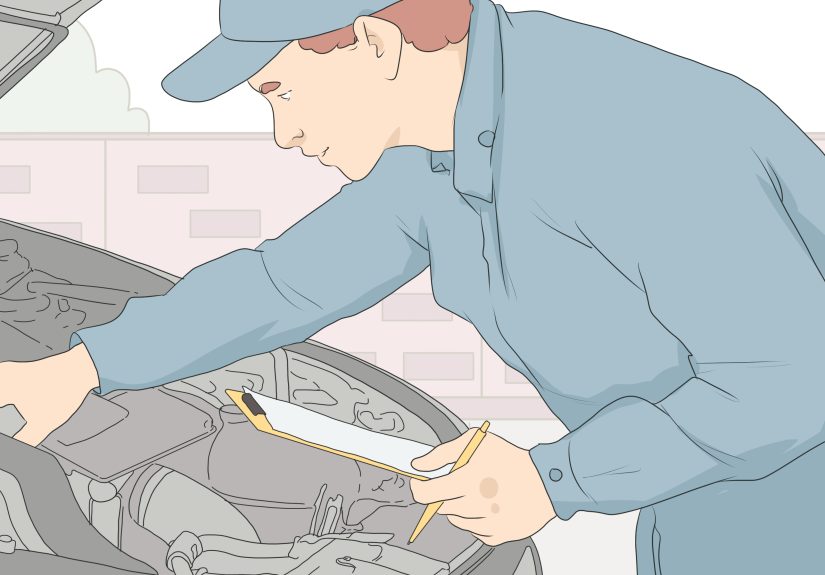
During the inspection, look for mismatched paint, uneven body gaps, rust, dashboard warning lights, worn pedals that do not match the mileage, fluid leaks, strange engine noises, smoke from the exhaust, weak brakes, and tires with uneven wear. Test every basic feature: windows, locks, air conditioning, heat, lights, wipers, infotainment, backup camera, and seat adjustments. A scam is not always a fake car; sometimes it is a real car hiding very expensive problems.
3. Refuse Risky Payments, Fake Escrow, Shipping Stories, and Pressure
The third way to spot car scams on Craigslist is to watch how the seller wants to be paid. Payment behavior often exposes the scam. Real sellers want a safe, clear exchange. Scammers want irreversible money.
Do Not Pay Before Seeing the Car
A major rule for Craigslist car buying is simple: do not send money before meeting in person, inspecting the vehicle, verifying the title, and agreeing on the deal. Scammers may ask for a small deposit to “hold” the car because many buyers are interested. They may say the deposit is refundable. They may even send a fake invoice. Once the money leaves, the seller disappears faster than your motivation to clean the garage.
Be especially cautious with wire transfers, gift cards, cryptocurrency, payment apps sent to strangers, cashier’s check schemes, and any payment method that is difficult to reverse. If the seller says you must pay through a special shipping company, escrow service, or payment processor they chose, assume danger until proven otherwise.
Fake Escrow and Shipping Scams Are Classic Traps
Fake escrow scams are common in online car sales. The seller claims the vehicle is in another city, at a military base, in storage, or ready to ship through a third-party company. You are told to send money to an escrow service that will hold the funds until the car arrives. The website may look professional, complete with logos, tracking numbers, customer service emails, and official-sounding language.
Then nothing arrives. No car, no refund, no helpful customer service representative named “Mark from Logistics.” The escrow company was fake, the seller was fake, and the listing photos were stolen.
Real escrow services do exist, but you should never use one selected and controlled by an unknown Craigslist seller. If a transaction truly needs escrow, choose a legitimate service independently, verify it through trusted channels, and understand every fee and condition before sending money.
Beware of Verification Code Scams
Another red flag is a request for a code. A seller or buyer may claim they need to verify that you are real. They send a code to your phone and ask you to read it back. That code may be connected to one of your online accounts, a phone number verification system, or a payment app. If you share it, the scammer may use it to take over an account or create a fraudulent account in your name.
No legitimate Craigslist car deal requires you to share a verification code sent to your phone. Keep codes private, just like passwords. The only thing you should be verifying is whether the car actually exists.
Pressure Is Part of the Script
Scammers use urgency because it stops people from thinking. “I have five buyers waiting.” “The shipping company needs payment in one hour.” “My deployment starts tomorrow.” “The escrow link expires tonight.” These lines are designed to make you move before you verify.
A real seller may want a quick sale, but they should still allow basic due diligence. If asking for the VIN, title, inspection, or safe meeting place makes the seller angry, that is useful information. A legitimate deal can survive reasonable questions. A scam often cannot.
Quick Red-Flag Checklist for Craigslist Car Buyers
- The car is priced far below similar local vehicles.
- The seller is out of state, unavailable, deployed, traveling, or communicating through a third party.
- The listing uses stock-looking photos or images from different locations.
- The seller refuses an in-person meeting, test drive, or mechanic inspection.
- The VIN is missing, hidden, incorrect, or does not match the title.
- The title is absent, not in the seller’s name, branded, altered, or “coming soon.”
- The seller asks for a deposit before you see the car.
- The seller requests wire transfer, gift cards, cryptocurrency, or payment through an unfamiliar escrow site.
- The deal involves shipping, movers, or a “guaranteed” payment service controlled by the seller.
- You are asked to share a verification code, banking login, Social Security number, or unnecessary personal information.
What to Do If You Suspect a Craigslist Car Scam
If a listing feels suspicious, do not argue with the scammer. Save screenshots, emails, phone numbers, payment requests, VINs, and any links they sent. Flag the Craigslist post. If you lost money or shared personal information, report the scam to the appropriate consumer protection and law enforcement channels, contact your bank or payment provider immediately, and consider freezing or monitoring your credit if sensitive information was exposed.
If you are unsure whether a vehicle is legitimate, take a step back. Compare the price, run the VIN, ask for proof, and get a mechanic involved. The best used-car deal is not the one you grab the fastest. It is the one that still looks good after you check the details.
Experience Section: Practical Lessons From Real Craigslist Car-Shopping Situations
Many Craigslist car scams are easy to recognize after the fact, but in the moment they can feel surprisingly believable. A buyer might begin with a normal search: “used truck under $8,000,” “reliable commuter car,” or “cheap SUV near me.” After scrolling through overpriced vehicles with mystery stains and dashboard lights glowing like a Christmas tree, one listing appears: clean photos, low mileage, excellent price, and a seller who replies quickly. That fast reply feels encouraging. In reality, fast replies are not always a good sign. Scammers often respond instantly because they are running a script.
A common experience starts with the seller saying they cannot meet because they recently moved, are serving in the military, are selling after a family emergency, or already shipped the car to a storage facility. The story may sound personal and polite. The seller may even send extra photos, a scanned title, or a professional-looking invoice. The buyer feels reassured because the scammer appears organized. But the key problem remains: the buyer cannot touch the car, inspect it, test-drive it, or verify the seller’s identity face-to-face.
Another common situation involves a seller who agrees to meet but avoids direct answers. You ask for the VIN, and they say, “I’ll send it later.” You ask whether the title is clean, and they reply, “Yes, everything is good.” You ask if your mechanic can inspect the car, and suddenly they have another buyer coming in 30 minutes. This is where experience teaches a useful rule: vague answers are answers. If a seller cannot provide basic details about a vehicle they supposedly own, the safest move is to leave the deal alone.
Experienced buyers also learn not to become emotionally attached too early. The moment you imagine yourself driving the car, parking it in your driveway, and naming it “Big Blue,” your judgment gets softer. Scammers depend on that emotional jump. They want you to think, “I cannot miss this deal.” A better phrase is, “I cannot afford to skip verification.” There will always be another car. There may not be another chance to recover money sent to a fake escrow site.
One smart habit is to create a buying routine before contacting anyone. First, compare the price with similar listings. Second, ask for the VIN and title status. Third, request an in-person meeting in a safe public place. Fourth, schedule a mechanic inspection. Fifth, handle payment only when the title and vehicle check out. When you use the same routine every time, scammers have fewer chances to rush you. A legitimate seller may think you are careful. A scammer will think you are inconvenient, which is perfect.
It also helps to bring another person. A friend may notice mismatched paint, nervous seller behavior, missing paperwork, or a strange payment request while you are busy listening to the engine. Buying a used car is exciting, but excitement is not a substitute for a second set of eyes. Even a simple comment like “Let’s slow down and check the VIN again” can save thousands of dollars.
The biggest lesson from Craigslist car shopping is that scams usually ask you to break normal rules. Normal rule: see the car before paying. Scam rule: send a deposit first. Normal rule: verify the title. Scam rule: trust the story. Normal rule: meet locally. Scam rule: use shipping. Normal rule: choose trusted payment methods. Scam rule: wire money, send gift cards, or click a strange escrow link. Once you recognize those rule changes, the scam becomes much easier to spot.
Conclusion
Spotting car scams on Craigslist does not require professional detective training, a magnifying glass, or a dramatic trench coat. It requires patience, verification, and the courage to walk away from a deal that feels wrong. Start by studying the listing. Then verify the VIN, title, seller, and vehicle condition. Finally, protect your money by refusing deposits, fake escrow services, shipping stories, verification-code requests, and high-pressure payment demands.
Craigslist can still connect buyers with real local sellers and fair used-car deals. But the safest buyers treat every listing as unproven until the facts line up. If the car exists, the title is clean, the VIN matches, the seller meets in person, the mechanic approves, and the payment process is secure, you may have found a solid deal. If not, keep scrolling. Your future selfand your bank accountwill thank you.