Table of Contents >> Show >> Hide
- First, What Exactly Is a “Masseria”?
- The Remodelista Case Study: Masseria Moroseta Near Ostuni
- Traditional Influences You Can Actually Feel
- The Modern Moves: Minimalism That Doesn’t Feel Cold
- The Courtyard Is the Real Living Room
- Why Puglia’s Vernacular Keeps Winning
- Design Takeaways You Can Steal (Without Moving to an Olive Grove)
- If You Go: The Puglia Shortlist (Ostuni and Beyond)
- of Experience: A Day in a Modern Masseria (So You Can Picture It)
- Conclusion
There are houses that look good in photos, and then there are places that make your shoulders drop about two inches the second you walk in.
A well-done masseria in Puglia (the “heel” of Italy) is usually the second kindequal parts farm, fortress, and slow-living machine.
And when it’s modernized the right way, you get the rarest design flex of all: minimalism that still feels warm, lived-in, and local.
Remodelista’s feature on Masseria Moroseta near Ostuni is a masterclass in that balance: modern lines, traditional materials,
and the kind of restraint that makes everything elseolive trees, stone, sunlightdo the talking.
First, What Exactly Is a “Masseria”?
In Puglia, “masserie” aren’t just cute countryside rentals with good linen and better aperitivos. Historically, they were working agricultural
estatesoften fortified, built for productivity and protection. Today, many have been adapted into boutique stays, but the DNA is the same:
thick walls, courtyards, a close relationship to the land, and architecture that treats summer heat like an enemy worth planning for.
Even contemporary travel guides still describe Puglia as “famous for its masserie,” typically framed as ancient fortified farmhouses turned into hotels.
That evolution is exactly why modern renovations can work so well here: the originals were already built with climate, materials, and daily life in mind.
The best updates don’t fight thatthey sharpen it.
The Remodelista Case Study: Masseria Moroseta Near Ostuni
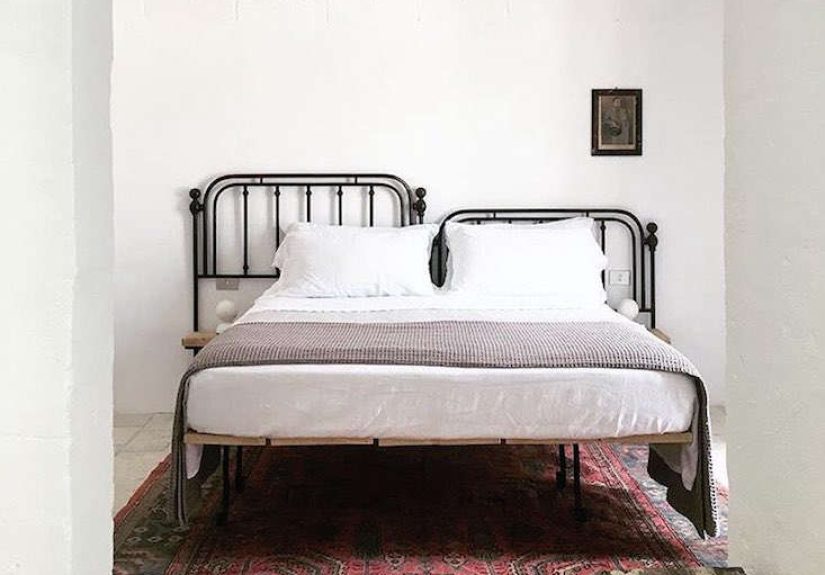
Masseria Moroseta was designed by architect Andrew Trotter (also known for Openhouse Magazine) for owner Carlo Lanzini, set on an olive grove outside Ostuni.
It’s not a “museum renovation.” It’s a working placean agricultural setting with suites for guests, designed to feel calm instead of curated.
Six suites, courtyards, and a plan that makes sense
The layout is the quiet hero: rooms are arranged around a central courtyard, and the suites open onto private courtyards.
That’s a classic masseria moveprivacy, shade, and a natural rhythm to the day. You wake up, open your doors, and the building immediately
puts you in “outside mode,” which is the whole point of Puglia.
Rustic + modern, without the “themed hotel” energy
Remodelista notes a mix of rustic and modern furnishingsthink vintage farm table energy alongside contemporary seating.
That blend matters, because a masseria should feel like it belongs to the landscape, not like it was installed there last Tuesday by a branding team.
Traditional Influences You Can Actually Feel
“Traditional influences” can sound like a line from a brochure, so let’s make it concrete. In Moroseta, tradition isn’t a decorative motif.
It shows up in materials and building logicchoices that affect temperature, acoustics, light, and how you move through space.
Stone that stays cool: chianca floors and local tufo
Thick stone and smart surfaces are basically Puglia’s original air-conditioning plan. Moroseta uses chianca stone floors and vaulted ceilings
to help keep interiors cooler in hot months, and the project leans heavily on local tufo (a regional stone).
The effect is both practical and aesthetic: muted texture, soft reflection of light, and a sense that the walls are part of the place rather than a backdrop.
White surfaces with a job to do
Puglia is famous for whitewashed architecture, and it’s not just because white looks great next to a lemon tree. Mineral finishes like limewash have a long history in
Mediterranean building because they’re breathable and compatible with masonryhelpful when heat and humidity are regular characters in your daily story.
Translation: the surface isn’t only pretty; it can support the health and longevity of the building.
The Modern Moves: Minimalism That Doesn’t Feel Cold
Modernizing a masseria goes wrong when someone decides the goal is to “erase” the past. The smarter approach is what Moroseta does:
keep the essential Puglian bones, then edit everything else until the building feels crisp, calm, and intentional.
Steel-framed windows and indoor-outdoor flow
One of the most obvious contemporary elements is the use of steel-framed windows that open to the outdoors.
That choice creates a clean visual line and helps the interiors feel airy, without changing the building’s fundamental relationship to sun and shade.
It’s modern, but not loudlike wearing a perfectly tailored black blazer with ancient jeans (don’t ask how old; just respect them).
Graphic moments, used sparingly
A fun detail from the Remodelista feature: a half-tiled wall creates a headboard effect in one suite.
This is the design equivalent of eyelinersmall, intentional, and suddenly the whole face makes sense.
The lesson: you don’t need twenty statement pieces. You need one or two good ones that know when to stop talking.
Reclaimed and DIY details that don’t scream “DIY”
The bathrooms include reclaimed marble sinks and simple hardware made using copper plumbing parts,
plus showers clad in rustic terracotta tile.
This is how you do “authentic” without going full costume: reuse materials that already have history, then pair them with straightforward forms.
If it’s honest, it reads as refined.
The Courtyard Is the Real Living Room
A masseria isn’t designed for you to sit inside scrolling through weather apps you ignore. It’s built around the courtyarda climatic and social buffer
that holds shade, breeze, and a slower schedule.
Minimal landscaping, maximum atmosphere
Moroseta’s landscaping is intentionally restrained; the courtyards are paved in crushed gravel, and the entry emphasizes stacked stone.
That simplicity is a power move. With the palette dialed down, every olive leaf shimmer becomes “decor.”
Nature stops being the view and becomes the design partner.
Why Puglia’s Vernacular Keeps Winning
If you’ve ever wondered why Puglia looks like it has a monopoly on dreamy summer architecture, it’s because the region’s building traditions evolved to solve real problems:
heat, sun, limited water, and rural life. That vernacular includes masserie and also iconic forms like trulli in the Valle d’Itriastone buildings with conical roofs,
many dating back centuries and still shaping how designers think about “old meets new.”
Modern travel and design outlets keep coming back to the same idea: thick stone walls, simple silhouettes, and outdoor space aren’t trends herethey’re the baseline.
When a renovation respects that baseline, modern additions feel natural instead of forced.
Design Takeaways You Can Steal (Without Moving to an Olive Grove)
Not everyone can buy a farmhouse in Puglia. (Also, your group chat would never recover from the jealousy.)
But you can borrow the principles behind the lookespecially if you focus on materials, light, and restraint.
1) Build a “quiet palette” and let texture do the work
- Start with whites, warm stone tones, and sun-faded neutrals.
- Layer texture: plaster-like walls, matte finishes, linen, terracotta, wood with visible grain.
- Add one graphic element (tile, stripe, a bold lamp) and stop there.
2) Choose finishes that feel mineral, not plastic
Limewash and other mineral coatings are popular for a reason: they create depth, variation, and a soft chalky finish that reads “old-world” without looking distressed on purpose.
Even if you’re not limewashing a brick villa, the broader rule holds: matte and breathable-looking surfaces feel closer to nature.
3) Make the outdoor area the “main room”
Puglia living is outdoor living. Create a courtyard vibe wherever you are:
a gravel zone, a shaded table, one sturdy chair you actually like, and lighting that makes evenings feel intentional.
The goal isn’t perfectionit’s a space that invites you to stay.
If You Go: The Puglia Shortlist (Ostuni and Beyond)
Moroseta sits near Ostuni, the famously white hill town that makes you want to take 900 photos of the same staircase and call it “research.”
Puglia rewards wandering: coastal towns, baroque cities, and inland countryside that smells like rosemary and sun-warmed stone.
What to eat (because you will ask anyway)
Start with orecchiette, Puglia’s signature “little ears” pastaoften paired with greens, hearty sauces, or sausage.
The point isn’t just the dish; it’s the rhythm: long lunches, local olive oil, and meals that make “quick bite” feel like an insult.
What to look for when booking a masseria stay
- Courtyards and shade: outdoor space that’s actually usable in summer.
- Material honesty: stone, plaster, woodless glossy “resort finish.”
- Connection to place: working farm elements, local food, or regional craft details.
If you’re browsing options, major travel outlets regularly highlight masserie as a defining part of the region’s hotel cultureoften in rural settings near towns like Ostuni, Monopoli, and the Valle d’Itria.
of Experience: A Day in a Modern Masseria (So You Can Picture It)
Morning starts quietlynot “silent” in a spooky way, more like the building has decided to protect your peace.
You open the door to your private courtyard and the first thing you notice is the light: bright, but not harsh, because white walls and pale stone
bounce it around like they’re paid by the reflection. The air still has that early-coolness that disappears by lunchtime, and the floor under your feet
feels slightly chilledstone doing what stone has always done in hot climates.
Breakfast isn’t a buffet battlefield. It’s the soft routine of countryside living: fruit, coffee, bread, maybe something sweet,
and olive oil that tastes like someone distilled a whole grove into a green-gold sentence. (You’ll try to describe it. You’ll fail.
You’ll keep dipping bread anyway.)
As the day warms up, you start to understand why courtyards exist. You drift between sun and shade without thinking about it.
The building guides you: a shaded niche for reading, a brighter edge for drying off after a swim, a cool interior when the heat peaks.
You don’t “plan” comfort. The architecture quietly schedules it for youthick walls, vaulted ceilings, and surfaces that aren’t fighting the climate.
Afternoon becomes a choose-your-own-adventure of Puglia: drive into Ostuni for a walk through white lanes, or cut across to nearby countryside
where olive trees look ancient enough to have opinions about modern life. If you detour through the Valle d’Itria, you’ll spot trulli forms and dry-stone
walls that make you realize: this region’s design language was here long before anyone coined the term “Mediterranean minimalism.”
Back at the masseria, evening is the payoff. The light gets honeyed, shadows stretch, and everything looks more cinematic
without anyone adding a filter. Someone sets out a simple tablenothing fussy, just solid and rightand suddenly dinner feels like a small festival.
Pasta shows up, maybe orecchiette, and you understand why people travel for food: it’s not novelty, it’s clarity.
Night is the final lesson. A well-designed masseria doesn’t entertain youit restores you.
You sit outside a little longer than you meant to, because the courtyard makes “one more minute” feel reasonable.
Then you head inside, where the minimalism doesn’t feel emptyit feels like space given back to you.
And if you catch yourself thinking, “I could live like this,” don’t panic. That’s the architecture working.
Conclusion
A modern masseria done right isn’t about making an old building look newit’s about making a timeless building feel inevitable.
Masseria Moroseta shows how traditional Puglian materials and forms (stone floors, vaults, courtyards, white surfaces) can support
a modern, minimal lifestyle without losing warmth or regional identity.
The takeaway is simple: when you start with local logicclimate, materials, and the rhythms of outdoor livingmodern design doesn’t have to shout.
It can whisper. And in Puglia, that whisper usually sounds like: “Stay for dinner.”