Table of Contents >> Show >> Hide
- What “Vintage Chic” Really Means (And What It Doesn’t)
- Step 1: Start With a Mood Board and a “Hero” Vintage Piece
- Step 2: Choose a Color Palette That Feels Aged-In, Not Aged-Out
- Step 3: Add Architectural Charm Without Remodeling the Whole House
- Step 4: The BedLayer Like a Designer, Sleep Like a Human
- Step 5: LightingSwap the “Ceiling Big Light” for Vintage Glow
- Step 6: Mix Old and New Like You Mean It
- Step 7: Vintage Chic Storage That Doesn’t Kill the Vibe
- Step 8: StylingThe Details That Make It Look Collected
- Budget-Friendly Sourcing Guide
- Common Mistakes (And How to Avoid a “Theme Park” Bedroom)
- Final Walk-Through Checklist
- Conclusion: A Room That Feels Like YouOnly More Rested
- Real-Life Experiences: Lessons From a Vintage Chic Master Bedroom Makeover
If your master bedroom currently feels like a “sleep happens here” zone (and not in a glamorous way),
welcome. A vintage chic master bedroom makeover is the design equivalent of upgrading from
instant coffee to a real lattestill practical, but now you feel like the main character.
“Vintage chic” isn’t about turning your room into a museum, nor is it about distressing everything until it
looks like it survived a tornado and three toddlers with markers. It’s about a curated mix of old and new:
timeworn textures, warm metals, charming silhouettes, and modern comfort where it counts (like the mattress…
because we’re not animals).
What “Vintage Chic” Really Means (And What It Doesn’t)
Vintage chic is the sweet spot between romantic nostalgia and functional, grown-up living.
Think: an antique dresser paired with clean-lined nightstands, a vintage rug under a modern bed, or brass
lighting that looks like it has storiesbut still works with your phone charger.
- It is: collected, layered, warm, personal, a little imperfect in a charming way.
- It’s not: matchy-matchy bedroom sets, dusty clutter, or “Grandma’s attic” cosplay.
Step 1: Start With a Mood Board and a “Hero” Vintage Piece
The fastest way to make your room look intentional is to pick one anchor item that leads the design.
Call it your “hero,” your “statement,” your “I found this and now I must redesign my entire personality.”
Any of these works.
Great hero pieces for a vintage bedroom makeover
- An antique or vintage-inspired bed frame (brass, iron, carved wood, or upholstered with curves)
- A vintage dresser or chest with solid wood construction
- An armoire or wardrobe that adds height and old-world charm
- An oversized gilded or carved mirror
Once the hero piece is chosen, pull 3–5 supporting cues from it: metal finish (brass, bronze, nickel),
wood tone (walnut, oak), color family (warm neutrals, dusty rose, sage), and a repeating shape
(arches, curves, fluting). That’s how you get cohesion without looking like you bought the entire display room.
Step 2: Choose a Color Palette That Feels Aged-In, Not Aged-Out
Vintage chic color palettes usually land in the “soft but not boring” zone. Warm whites, creamy taupes,
muted blush, powdery blues, smoky greenscolors that look like they’ve been politely living in a home for decades.
Start with a calm base, then add contrast through textiles and accents.
A simple palette formula that won’t betray you later
- Base: warm white, ivory, greige, soft putty
- Secondary: dusty pink, faded denim blue, sage/olive, clay
- Accent: aged brass, matte black, deep walnut, oxblood, navy
If you’re indecisive (a proud and common condition), choose one “quiet” wall color and let pattern do the talking:
a delicate floral wallpaper, a stripe, or a subtle damask. Pattern reads vintage fastwithout forcing you to commit
to painting everything avocado green like it’s 1974.
Step 3: Add Architectural Charm Without Remodeling the Whole House
Vintage rooms often feel special because they have architectural detail: molding, paneling, picture rails,
or wallpaper that looks like it belongs in a period home. The good news: you can fake a lot of that with
weekend-level projects.
Easy upgrades that instantly elevate a primary bedroom
- Picture-frame molding: adds “historic” structure even in newer homes.
- Wainscoting or beadboard: great behind a bed for depth and charm.
- Wallpaper (even just one area): inside closets, behind shelves, or above wainscoting.
- Hardware swaps: brass knobs and pulls on dressers and nightstands = instant glow-up.
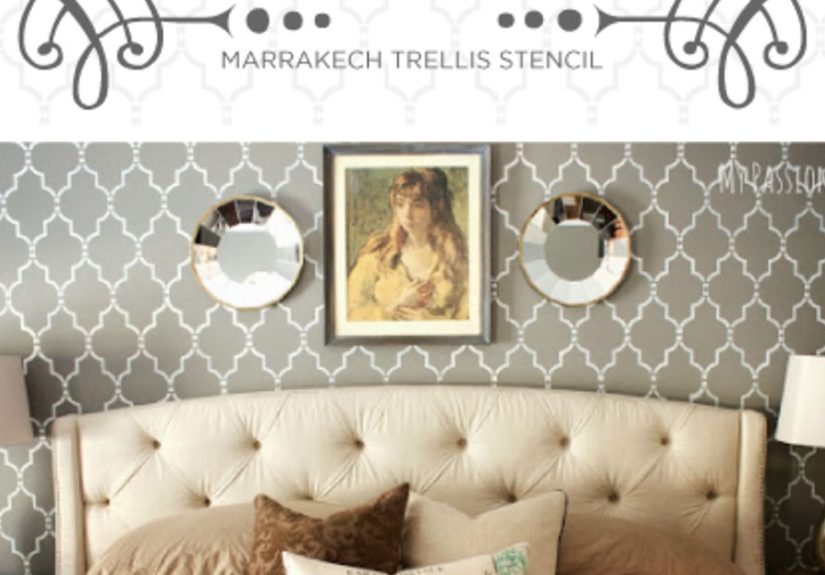
If you want the look of a French country bedroomsoft romance, textured layers, and heirloom vibesmix
painted finishes with rich wood tones, then add one dramatic textile moment (like full drapes or a statement quilt).
Step 4: The BedLayer Like a Designer, Sleep Like a Human
In a master bedroom makeover, the bed is the billboard. It should look inviting at 2 p.m. and still function at 2 a.m.
The secret is layering textures so the room feels collected: crisp cotton, linen, velvet, matelassé, a worn-in quilt,
and one “this is why we have a job” throw pillow.
A no-drama layering recipe
- Foundation: fitted sheet + flat sheet (or skip the flat sheet if it makes you angry).
- Warmth: duvet with a relaxed cover (linen or cotton percale works beautifully).
- Vintage texture: add a quilt, coverlet, or crocheted throw folded across the foot.
- Pillows: two sleeping pillows, two shams, and (optional) one lumbar for polish.
- Finishing touch: a throw in mohair, chunky knit, or faded wool for that cozy, lived-in look.
Want the bed to feel more vintage without becoming scratchy? Pair modern bedding with one heritage-style textile:
a patchwork quilt, a floral coverlet, or a matelassé layer. It gives “collected over time,” not “bought everything in one cart.”
Step 5: LightingSwap the “Ceiling Big Light” for Vintage Glow
If your bedroom lighting currently feels like an interrogation, it’s time. Vintage chic loves warm, flattering light.
Use layered lighting so you can shift the mood: bright for finding socks, soft for winding down, and dim for
pretending you’re in a movie montage.
Lighting layers that make a room feel expensive
- Ambient: a pendant, semi-flush fixture, or small chandelier (bonus points for aged brass).
- Task: bedside lamps or wall sconces for reading.
- Accent: a picture light, a small lamp on a dresser, or candle-style bulbs.
Pro tip: put everything on dimmers or smart bulbs. You’ll get hotel-level control without hotel-level mini soaps.
Step 6: Mix Old and New Like You Mean It
The secret to “vintage chic” is contrast. Too much vintage and the room can feel heavy. Too much modern and you lose the romance.
The goal is a balanced blend: let vintage bring soul, and let modern bring breathing room.
Three mixing rules that keep things cohesive
- Repeat finishes: if you choose brass, echo it 3–5 times (lamp, mirror, hardware, frame).
- Mind the scale: pair ornate pieces with clean lines so the room doesn’t feel visually noisy.
- Use a “base” style: keep big items simpler (bed, rug, curtains), then add vintage in accents and art.
Example: a modern upholstered bed looks instantly vintage chic when paired with an antique mirror, a vintage rug,
and a pair of classic lampswithout you having to sleep on a historically accurate mattress stuffed with straw.
Step 7: Vintage Chic Storage That Doesn’t Kill the Vibe
Bedrooms need storage. Vintage chic just wants the storage to have a little personalitylike it might have once
held love letters instead of tangled charging cords.
Storage ideas that feel charming, not clinical
- A vintage trunk at the foot of the bed (blankets inside, drama outside)
- An armoire for clothing if your closet is basically a rumor
- Woven baskets for shoes, throws, or “things I will deal with later”
- A dresser with real drawers (not the kind that squeak like a haunted violin)
If you’re buying vintage case goods, look for solid wood, strong joints, and drawers that glide well.
Minor scratches are finecharacter, even. Structural wobble is not “patina.” It’s a problem.
Step 8: StylingThe Details That Make It Look Collected
Styling is where the magic happens. It’s also where people accidentally create clutter piles that look like a
“still life of unpaid bills.” The fix: style in small groups, vary heights, and leave negative space.
Small vintage decor moves with big impact
- Art: mix vintage frames with newer prints; landscapes and portraits read especially classic.
- Mirrors: an ornate mirror bounces light and adds instant old-world charm.
- Textiles: lace, linen, velvet, needlepoint pillows, or a faded patterned rug.
- Nightstand moment: lamp + small tray + book + one personal object (not seventeen).
- Greenery: a simple plant softens the look and makes everything feel alive.
Budget-Friendly Sourcing Guide
A vintage chic bedroom doesn’t require a trust fund or a mysterious rich aunt. It requires patience, good photos,
and the willingness to walk away from something that smells like it survived a basement flood.
Where to find vintage bedroom decor
- Estate sales: best for quality furniture, mirrors, lamps, and textiles.
- Thrift stores: lamps, frames, baskets, small decor, and occasional furniture gems.
- Online marketplaces: great for specific searches (“brass headboard,” “vintage dresser walnut”).
- Antique shops: pricier, but often curated and in better condition.
How to shop vintage without regret
- Check drawers and backs for water damage, mold, or warping.
- Look for real wood and sturdy joinery; avoid pieces that flex when you lightly shake them.
- For lamps: budget for rewiring if needed (worth it for safety and reliability).
- Don’t split pairstwo matching nightstands or lamps can be harder to find later.
Common Mistakes (And How to Avoid a “Theme Park” Bedroom)
1) Buying a complete matching set
Vintage chic thrives on contrast. Mix finishes and eras, but keep a consistent palette so it still feels calm.
2) Overdoing distressed finishes
One weathered piece looks storied. Six weathered pieces looks like your furniture has been through a breakup.
Balance worn items with clean, crisp textiles.
3) Forgetting comfort
Prioritize the mattress, pillows, and lighting. You want “old-world charm,” not “old-world back pain.”
Final Walk-Through Checklist
- One hero vintage piece anchors the room
- A calm base palette + 1–2 accent colors
- Layered bedding with at least one vintage-texture element (quilt/coverlet/throw)
- Three lighting layers (ambient, task, accent)
- Repeated finishes (especially metals) for cohesion
- Storage that looks intentional (trunk, armoire, baskets)
- Styled surfaces with breathing room
Conclusion: A Room That Feels Like YouOnly More Rested
A vintage chic master bedroom makeover is less about rules and more about balance: old + new, soft + structured,
beauty + comfort. Start with one meaningful piece, build a layered foundation, and let the room evolve as you find
better treasures (and fewer impulse buys).
And remember: the goal isn’t perfection. The goal is walking into your bedroom and thinking, “Yes. This is the vibe.”
Then immediately taking a deep breath because the lighting is finally flattering.
Real-Life Experiences: Lessons From a Vintage Chic Master Bedroom Makeover
Here’s the part nobody puts on the mood board: vintage chic looks effortless in photos because the messy part
happens off-camera. My first “vintage chic” attempt began with a confident marketplace messagethen escalated
into me trying to fit an antique dresser into a hatchback like I was auditioning for a furniture-themed action movie.
I got it home, admired it for thirty seconds, and realized the drawers smelled faintly like 1987. (A smell can be a
time machine, but sometimes you don’t want to travel there.)
Lesson one: plan for cleanup. Vintage pieces often need a gentle scrub, airing out, and occasionally a new coat of
wax or oil. That’s normal. What’s not normal is discovering the previous owner stored “mystery liquids” inside.
Open drawers, check the back, and don’t be shy about asking questions. The happiest vintage purchases are the ones
that come with honest photos and a seller who doesn’t write, “Probably fine,” like it’s a medical diagnosis.
Lesson two: one hero piece is plenty. I thought I needed a brass bed, a carved mirror, an armoire, and a chandelier
that looked like it came from a Parisian ballroom. In the room, it didn’t read “Paris”it read “props department.”
Once I scaled back to one statement (the mirror), everything else got easier. A simpler bed frame made the mirror
feel intentional, not competitive. Vintage chic is like a good dinner party: invite a few interesting guests, not the
entire city.
Lesson three: textiles do more heavy lifting than you think. The day the room finally clicked wasn’t the day I bought
furnitureit was the day I layered the bed properly. A linen duvet cover, a lightly patterned quilt, and a throw at
the foot turned “nice bed” into “I might cancel plans.” I also learned that a rug matters in a way people underestimate:
stepping onto something soft and beautiful in the morning changes the whole feel of the space. It’s the difference
between “bedroom” and “retreat.”
Lesson four: lighting is emotional. I used to rely on the overhead light because it was there, like a default setting.
Then I added two bedside lamps and a warm bulb, and suddenly the room felt calmer. My nighttime routine improved
instantlymostly because I stopped feeling like I was under fluorescent scrutiny while trying to relax. If you do one
“upgrade that changes everything,” make it lighting. It’s the fastest way to make vintage pieces look romantic instead
of dusty.
Final lesson: let the room evolve. Vintage chic is a collected look, so it should be collected over timeone great frame,
one good lamp, one textile you genuinely love. The best compliment I got wasn’t “Your room looks expensive.” It was
“This feels like you.” That’s the whole point. A vintage chic master bedroom makeover isn’t about copying a photo.
It’s about building a space that feels warm, personal, and restfullike your favorite version of home, with better pillows.