Table of Contents >> Show >> Hide
When it comes to emergencies, every second counts. Knowing how to respond quickly and effectively can make the difference between life and death. This is why having basic first aid skillsespecially CPR (Cardiopulmonary Resuscitation)is crucial. Whether you’re at home, work, or out in public, accidents can happen at any moment. Understanding the ABCs of first aid can empower you to act decisively and confidently in emergencies. In this article, we’ll break down the rules for CPR and other first aid situations, giving you the tools you need to be a lifesaver.
What is ABC First Aid?
ABC First Aid is a simple acronym that stands for the essential steps in responding to an emergency situation. These steps are designed to guide you through the process of assessing and managing the patient’s immediate needs.
The ABCs stand for:
- A – Airway: Ensure the victim’s airway is open.
- B – Breathing: Check if the person is breathing.
- C – Circulation: Assess the victim’s pulse and circulation.
These three steps form the foundation of your response, and mastering them can help you act quickly and efficiently in an emergency.
The ABCs of First Aid in Detail
A – Airway
The first step in any first aid situation is ensuring that the person’s airway is clear. If the airway is blocked, the body cannot get enough oxygen, which can lead to brain damage or even death. To check the airway:
- Gently tilt the head back and lift the chin to open the airway.
- If the person is unconscious and not breathing, check for any obstruction (like food, vomit, or other blockages) and clear it out if possible.
- If the airway is clear, proceed to the next stepchecking for breathing.
B – Breathing
Once the airway is open, it’s time to check for breathing. This is where CPR comes into play if the person is not breathing:
- Look for chest movement or listen for breathing sounds.
- If the person is not breathing or is only gasping, begin CPR immediately. Chest compressions and rescue breaths are crucial.
- If the person is breathing but unconscious, place them in the recovery position and continue monitoring their breathing until emergency help arrives.
C – Circulation
The final step in the ABC first aid sequence is to assess the victim’s circulation, specifically by checking their pulse. This step is vital for determining whether CPR is needed.
- Check the pulse by placing two fingers on the neck (carotid artery) or wrist (radial artery).
- If you cannot detect a pulse, begin chest compressions immediately. Use the heel of your hand, placed on the center of the chest, and push hard and fastabout 2 inches deep at a rate of 100-120 compressions per minute.
- If the pulse is present but weak, or if the person is bleeding heavily, apply pressure to control bleeding and keep monitoring the pulse until medical help arrives.
CPR: When and How to Perform It
CPR is performed when a person has stopped breathing or has no pulse. Early CPR, especially chest compressions, is critical for maintaining blood circulation to vital organs like the brain and heart until emergency medical services arrive.
Steps for CPR:
- Check for unresponsiveness: Tap or shake the person and call out to see if they respond.
- Call for help: If the person is unresponsive, call 911 or your local emergency number.
- Begin chest compressions: Place the heel of one hand on the center of the chest, with the other hand on top. Press down hard and fastabout 2 inches deep and at a rate of 100-120 compressions per minute.
- Give rescue breaths: After every 30 chest compressions, give 2 rescue breaths if trained to do so. Ensure the person’s airway is open, pinch their nose, and breathe into their mouth until their chest rises.
- Continue CPR: Keep performing CPR until the person starts breathing or help arrives.
Other Essential First Aid Techniques
Dealing with Bleeding
When someone is bleeding heavily, you need to stop the bleeding as quickly as possible. Follow these steps:
- Apply pressure directly to the wound using a clean cloth or bandage.
- If the bleeding continues, raise the injured limb above the level of the heart.
- For severe bleeding, use a tourniquet above the wound if you have one, but only as a last resort.
Choking
If someone is choking, it’s essential to act fast:
- Encourage them to cough if they can still breathe.
- If they cannot breathe and are unable to cough, give abdominal thrusts (Heimlich maneuver). Stand behind the person, make a fist with one hand, place it just above the navel, and use the other hand to press inward and upward.
- If the person becomes unconscious, begin CPR while looking for the obstruction in their airway.
Experiences from the Field: What Can Go Wrong
When responding to emergencies, it’s important to remember that no situation is exactly the same. Real-life experiences can vary, but here are a few lessons learned from people who have used first aid in real-world emergencies:
1. Be Calm Under Pressure
Many people panic when faced with an emergency, and this can lead to mistakes. In one case, a person started CPR on a family member who had collapsed but mistakenly gave too many rescue breaths. This caused some complications. Remember: If you’re unsure, it’s better to do something than nothing. Even chest compressions alone can save lives.
2. Always Call for Help
Even if you’re performing CPR, always call emergency services. In one case, a person hesitated to call 911, thinking they could manage the situation themselves. It wasn’t until too much time passed that they realized how much more efficient emergency services could have been. Don’t delay help!
3. First Aid Kits Matter
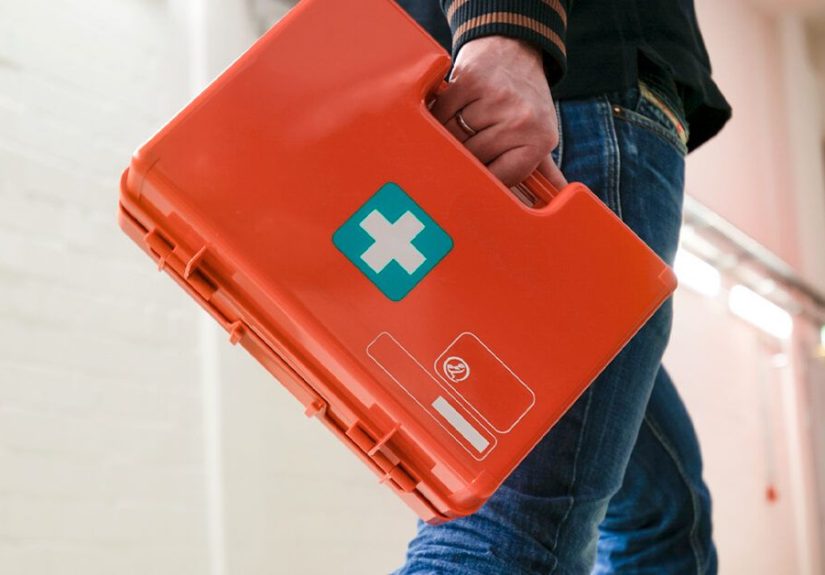
Having a well-stocked first aid kit nearby can make a big difference in emergency situations. In a real-world example, a person was able to stabilize a family member with a heavy bleed using gauze, bandages, and antiseptic from their first aid kit, which allowed the victim to survive until paramedics arrived.
4. Learn CPR in Person
While online resources are helpful, there’s no substitute for in-person CPR training. One individual shared that after attending a hands-on CPR course, they felt much more confident and capable in a real emergency. Knowing the techniques in a controlled environment can boost your confidence when it matters most.
Conclusion
Mastering the ABCs of first aidAirway, Breathing, and Circulationcan help you stay calm and make life-saving decisions when emergencies arise. Whether it’s performing CPR, managing a choking victim, or stopping heavy bleeding, knowing what to do can save lives. The more prepared you are, the more effective your response will be. Keep in mind that first aid training is an ongoing process, and refresher courses can help keep your skills sharp. Be ready, be aware, and be a lifesaver!
sapo: In life-threatening situations, every second counts. Learn the ABCs of first aidAirway, Breathing, and Circulationand how they apply to CPR, choking, and bleeding. Be prepared to act fast and save a life!