Table of Contents >> Show >> Hide
- What Are Acquatinta Pendant Lights?
- Why Designers Keep Coming Back to This Shape
- Finishes: The Secret Sauce (Pick the One That Matches Your Personality)
- Key Specs (In Human Terms)
- Where Acquatinta Pendant Lights Look Best
- Hanging Height and Spacing (The Part That Saves You From Bonking Your Head)
- Layer Your Lighting (Because One Pendant Is Not a Whole Lighting Plan)
- Styling Ideas: Make It Look Like You Meant It
- Care and Cleaning (Yes, Even the Pretty Things Need Maintenance)
- Shopping Checklist: How to Choose the Right Acquatinta Setup
- Final Thoughts
- Real-World Experiences With Acquatinta Pendant Lights (What to Expect Day-to-Day)
Some pendant lights try way too hard. They show up like, “Hello, I’m a chandelier, please applaud.”
Acquatinta pendant lights do the opposite: they quietly float in, look impossibly clean,
and then make your room feel more expensive… without shouting about it.
If you’re shopping for a fixture that’s minimalist but not boring, modern but not cold, and “designer”
without becoming the only thing anyone can talk about at dinner, Acquatinta is worth your attention.
Let’s break down what it is, why it works, where to hang it, and how to avoid the classic pendant-light mistakes
(yes, there are classicsthis is interior design, not baseball, but the stats still matter).
What Are Acquatinta Pendant Lights?
Acquatinta is a pendant light design associated with Produzione Privata and
credited to designer Michele De Lucchi (with collaborations noted in some editions).
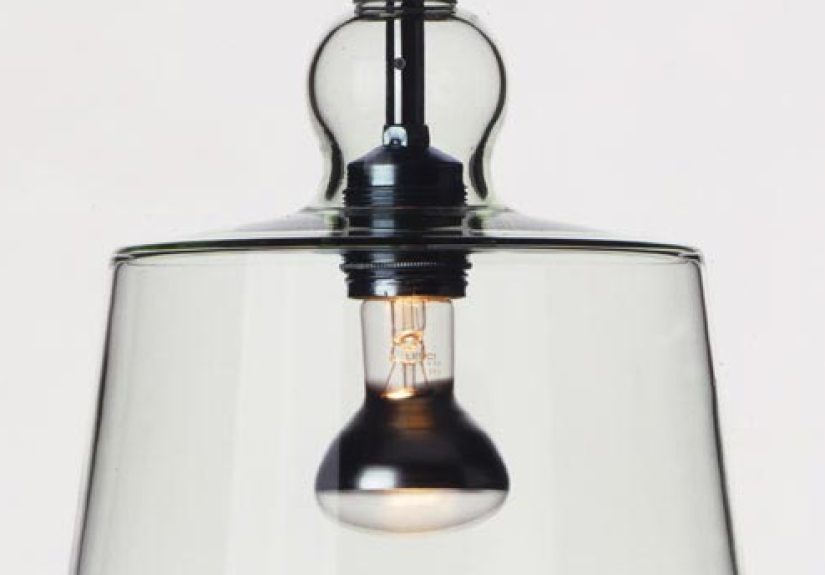
The form is refreshingly simple: a rounded, hand-blown glass shade suspended by a clean cable and canopy.
The vibe is “Italian glass artistry meets modern restraint.”
The glass is the star. These pendants are known for Murano-style mouth-blown glasswhich is a fancy
way of saying you’ll get subtle variations from piece to piece. Not “oops, defective,” but “yep, a human made this.”
In a world full of copy-paste fixtures, that’s the kind of imperfection that actually feels luxurious.
Why Designers Keep Coming Back to This Shape
The Acquatinta silhouette is basically the “white T-shirt” of pendant lighting: it works with almost everything.
The shade reads as soft and sculptural, but it’s not ornate. It can live comfortably in:
- Modern kitchens with flat-front cabinets
- Warm transitional spaces with wood, linen, and textured stone
- Industrial-leaning rooms where glass helps lighten the visual weight
- Minimalist interiors that still need one “interesting” object
And because the fixture isn’t aggressively complicated, it doesn’t lock you into one design era.
If you swap bar stools, repaint cabinets, or switch hardware finishes later, the pendant still fits.
That’s what we call a “future-you won’t hate present-you” purchase.
Finishes: The Secret Sauce (Pick the One That Matches Your Personality)
Acquatinta pendants are commonly offered in a few signature glass finishes. Each one changes the mood
more than people expectbecause glass isn’t just “clear” or “not clear.” It’s a whole lighting personality test.
Transparent / Clear Glass
The most airy option. Great if you want the pendant to feel light visuallyespecially over a kitchen island
where you don’t want to block sightlines. Clear glass also shows the bulb more, so choose a bulb you won’t mind seeing
(more on that soon).
Glazed White
This finish is the “soft focus” filter of pendants. It diffuses light more gently and looks clean against almost any palette.
If your kitchen is already busycountertop veining, statement backsplash, open shelvingwhite glaze helps keep the ceiling calm.
Black Glass
Moody and modern. Black glass can anchor a space the way a black-framed window does.
It’s especially good when your room needs contrast: white cabinets, pale oak floors, light stone counters.
This finish reads bold without being clunky.
Silver Mirror / Reflective Finishes
This is where Acquatinta turns into a conversation piece. Reflective glass bounces the room back at you, adds sparkle,
and looks incredible in the evening. It’s also less forgiving of smudgesso if fingerprints are your sworn enemy,
just know you’re signing up for a little upkeep (worth it for many people, though).
Green Glass (Subtle Tint)
A slight tint can add depth without screaming “colored lighting.” This can be gorgeous in spaces with lots of natural materials:
walnut, olive-toned textiles, warm white walls, natural stone. Think understated, not novelty.
Key Specs (In Human Terms)
Exact specs vary by retailer and version, but Acquatinta is typically a compact-to-medium pendant
around the “roughly 9-inch” neighborhood in both diameter and heightbig enough to read as a real fixture, small enough
to cluster in multiples without turning your ceiling into an airport runway.
Most versions are designed for a single bulb and standard residential voltage.
That’s good news: you’re not hunting for exotic light engines or proprietary parts.
Bulb Choice: Don’t Let a Bad Bulb Ruin a Great Pendant
Your bulb choice controls everything: brightness, warmth, glare, and whether the pendant feels cozy or clinical.
Here’s a simple approach that works in most homes:
- Color temperature: aim for warm white (often around the 2700K–3000K range) for kitchens, dining, and living spaces.
- High color rendering (CRI): higher CRI makes food, skin tones, and wood finishes look betteryour kitchen deserves that respect.
- Glare control: if the shade is clear, use a frosted bulb (or a bulb with a softer diffusion) to avoid harsh “bare bulb” vibes.
- Dimmable: choose dimmable bulbs if you plan to use a dimmer (you should).
One more pro move: keep color temperatures consistent in the same open space. Mixing a warm pendant with cooler recessed
lights can make the room feel visually “off,” like your lighting is arguing with itself.
Where Acquatinta Pendant Lights Look Best
Over a Kitchen Island
Acquatinta shines (politely) over islands because it balances task lighting and decor.
You get functional light where you chop, prep, and inevitably scroll on your phone while pretending you’re “just checking a recipe.”
Common setups:
- One pendant for a small island or peninsula (especially if you already have recessed or under-cabinet lighting)
- Two pendants for medium islands (classic, symmetrical, hard to mess up)
- Three pendants for longer islandsjust size and spacing them correctly so it doesn’t look crowded
Over a Dining Table
If your dining area is more “eat, talk, linger” than “formal banquet hall,” Acquatinta fits beautifully.
The glass keeps things visually light, and the shape feels intentional without being fussy.
In a Bedroom as a Pendant Night Light
Hanging pendants beside the bed frees up nightstand space (goodbye, lamp base) and adds a boutique-hotel feel.
A glazed or softly diffusing finish is especially forgiving hereno one wants to be interrogated by their lighting at bedtime.
In an Entry or Hallway
A single Acquatinta in a small entry creates a “welcome moment.” In a hallway, a short row of them can feel gallery-like,
especially if the glass finish is reflective or subtly tinted.
Hanging Height and Spacing (The Part That Saves You From Bonking Your Head)
Pendant placement is where good intentions go to die. The fixture can be gorgeous and still feel wrong if it’s hung too low,
too high, or too close together.
The Reliable Starting Point
- Kitchen islands/counters: start with about 30–36 inches from the counter surface to the bottom of the pendant.
- Dining tables: a similar 30–36 inches from tabletop to fixture bottom is a classic starting point.
- Taller ceilings: you’ll often raise the fixture a bit as ceiling height increases so it still looks proportional.
Spacing Multiple Pendants
If you’re using two or three Acquatinta pendants, leave enough breathing room so each one reads as its own object.
A practical guideline is keeping pendants at least around 24 inches apart (and often more, depending on size).
Also leave a little clearance from the ends of the island so the fixtures don’t feel like they’re about to slide off.
And pleaseuse a dimmer. Bright task lighting for cooking, softer light for eating, and a gentle glow for late-night
“I’m just getting water” missions. One fixture, multiple moods.
Layer Your Lighting (Because One Pendant Is Not a Whole Lighting Plan)
Even the best pendant light can’t do everything. The most comfortable rooms use layers:
- Ambient lighting: overall room light (recessed, ceiling fixtures, or indirect sources)
- Task lighting: focused light where you work (pendants over islands, under-cabinet strips, desk lamps)
- Accent lighting: atmosphere and highlights (wall sconces, picture lights, directional spots)
In kitchens especially, pendants look amazingbut under-cabinet lighting is what keeps you from chopping vegetables in your own shadow.
If your goal is a kitchen that looks good and works well, pair Acquatinta with thoughtful task lighting elsewhere.
Styling Ideas: Make It Look Like You Meant It
Modern Minimal Kitchen
Pair a glazed white Acquatinta with warm wood stools and simple hardware.
Keep the bulb warm. Let the pendant be the soft sculptural note that makes the room feel finished.
Industrial or Loft-Inspired Space
Use black glass or a slightly reflective finish against concrete, steel, or dark cabinetry.
The glass adds refinement so the room doesn’t lean too “warehouse at 2 a.m.”
Transitional Dining Room
A clear or subtly tinted Acquatinta over a wood table works beautifully with linen, ceramic, and natural textures.
Add a dimmer and suddenly your Tuesday leftovers feel like a restaurant.
Small Space, Big Impact
In smaller apartments, one pendant can do the visual work of “zoning” a spacedefining the dining nook or kitchen area
without walls. Acquatinta is ideal because it adds shape without bulk.
Care and Cleaning (Yes, Even the Pretty Things Need Maintenance)
Glass pendants are easy to keep beautifulif you do small maintenance instead of waiting until it looks like a mystery haze.
Quick tips:
- Turn the fixture off and let it cool before cleaning.
- Use a soft microfiber cloth; avoid abrasive cleaners that can scratch finishes.
- For reflective glass, handle with clean hands and do quick wipe-downs to prevent fingerprint buildup.
- If you’re changing bulbs, support the shade gentlydon’t torque the glass like you’re opening a jar of pickles.
Shopping Checklist: How to Choose the Right Acquatinta Setup
- Measure your surface: island length, table width, and the walking paths around them.
- Choose quantity: one, two, or three pendants depending on surface size and your overall lighting plan.
- Pick a finish: clear for airy, glazed for soft, black for drama, reflective for sparkle.
- Plan the bulb: warm, high-quality light with glare control if the glass is transparent.
- Think controls: dimmer switch = instant upgrade.
- Confirm safety/installation needs: check your local requirements and whether you need a licensed electrician.
Final Thoughts
Acquatinta pendant lights are for people who want something quietly special:
a designer-feeling fixture with genuine craft, a shape that stays relevant, and light that can be practical or atmospheric
depending on how you install it and what bulb you choose.
The best part? When you do it right, nobody says, “Nice pendant.”
They say, “Your kitchen feels amazing,” and then they hang out longer. That’s the real win.
Real-World Experiences With Acquatinta Pendant Lights (What to Expect Day-to-Day)
If you’ve only experienced pendant lights in showrooms, here’s the honest truth: living with them is different.
In a showroom, everything is stagedperfect ceiling height, perfect background, perfect bulbs. At home, you’ve got real life:
steam from pasta water, fingerprints from curious guests, and a ceiling junction box that may or may not be exactly centered
(because homes love a little chaos).
One of the most common “first impressions” people have with Acquatinta is how the glass changes throughout the day.
In bright daylight, clear or lightly tinted glass can nearly disappear, making the fixture feel airy and architectural.
At night, the shade becomes more presentespecially with reflective finishescreating a soft halo effect that makes the room feel warmer.
It’s the same pendant, but the vibe shifts with your lighting layers and the time of day.
Another experience people often mention is the satisfaction of small imperfections that read as craftsmanship.
Mouth-blown glass isn’t factory-perfect, and that’s kind of the point. You may notice tiny variations in thickness,
subtle ripples, or slight differences between two shades. Instead of looking “wrong,” it tends to look more reallike ceramics
you actually want to keep on open shelves. If you’re the type who wants everything identical down to the molecule, you may need to
make peace with artisanal variation. If you like objects that feel human-made, you’ll probably love it.
Then there’s the “bulb moment.” People underestimate how much the bulb matters until the first night they turn the pendant on and think,
“Why does this feel like an interrogation?” With clear glass, a harsh bulb can create glare and throw sharp shadows.
Once you swap to a softer bulb (often frosted and warm), the pendant suddenly looks like the product photos.
It’s not that the fixture changedit’s that the light quality did. Many owners end up keeping a few bulb options around until they find the
sweet spot for their space (bright for cooking, warm and dim for late dinners).
Over kitchen islands, people frequently report that Acquatinta works best when it’s treated as part of a whole lighting recipe.
Pendants alone can look pretty but still leave shadows on cutting boards if you don’t have under-cabinet lighting or recessed ambient light.
Once the layers are in place, the pendant becomes the “hero” piece it’s meant to bedoing task lighting while also defining the room.
Finally, there’s the social experience: Acquatinta tends to invite compliments that aren’t really about the light.
Guests might say the room feels “calm,” “clean,” or “finished.” That’s because the pendant’s shape is simple enough to support your design
instead of fighting it. It’s a fixture that makes your space feel more intentionallike you thought about it, but you also have hobbies.
That balance is rare.
So if you’re considering Acquatinta, expect it to feel understated in the best way: not a trendy flex, but a long-term design choice.
Get the hanging height right, choose a bulb with good light quality, put it on a dimmer, and you’ll get the kind of everyday enjoyment
that makes a “nice light” quietly become one of your favorite parts of the room.