Table of Contents >> Show >> Hide
- Let’s start with the honest answer (then the hopeful one)
- COPD in plain English: what you’re actually fighting
- What acupuncture is (and what it’s not)
- So… can acupuncture help COPD symptoms?
- What the evidence says (without the hype)
- If acupuncture doesn’t “fix” the lungs, why might it help?
- What to expect if you try acupuncture for COPD
- How to combine acupuncture with the COPD treatments that work best
- Safety: who should be careful (and what red flags matter)
- FAQ: quick answers to common questions
- Real-World Experiences: What People Notice (and What They Don’t)
- Bottom line
Medical note: This article is for educational purposes and doesn’t replace care from your clinician. If you have COPD and are considering acupuncture, talk with your pulmonologist (especially if you use oxygen, take blood thinners, or have frequent flare-ups).
Let’s start with the honest answer (then the hopeful one)
If by “strengthen the lungs” you mean regrow damaged air sacs or permanently reverse airflow limitation, acupuncture isn’t that kind of superhero.
COPD (chronic obstructive pulmonary disease) involves long-term airway inflammation and structural changes that don’t simply “undo” themselves.
But if “strengthen the lungs” means something more practicallike breathing feeling easier, less panic when you’re short of breath,
better stamina, and more confidence moving aroundthen acupuncture becomes an interesting side character.
Not the main plot. But possibly a helpful supporting role.
COPD in plain English: what you’re actually fighting
COPD is a chronic lung disease that makes it harder to move air in and out of your lungs. Common symptoms include chronic cough (sometimes with mucus),
wheezing, chest tightness, frequent respiratory infections, and the star of the show: shortness of breath, especially with activity.
The symptoms often creep in slowly, which is rude and also why some people chalk it up to “just getting older.”
Smoking is the biggest risk factor, though long-term exposure to irritants (including secondhand smoke and some workplace exposures) can also contribute,
and some people with COPD have never smoked.
There’s no cure, but there are proven ways to manage COPD: quitting smoking, inhaled medications, vaccinations, pulmonary rehabilitation, exercise training,
and oxygen therapy for those who need it. Think of it as building a “breathing toolkit”not a single magic fix.
What acupuncture is (and what it’s not)
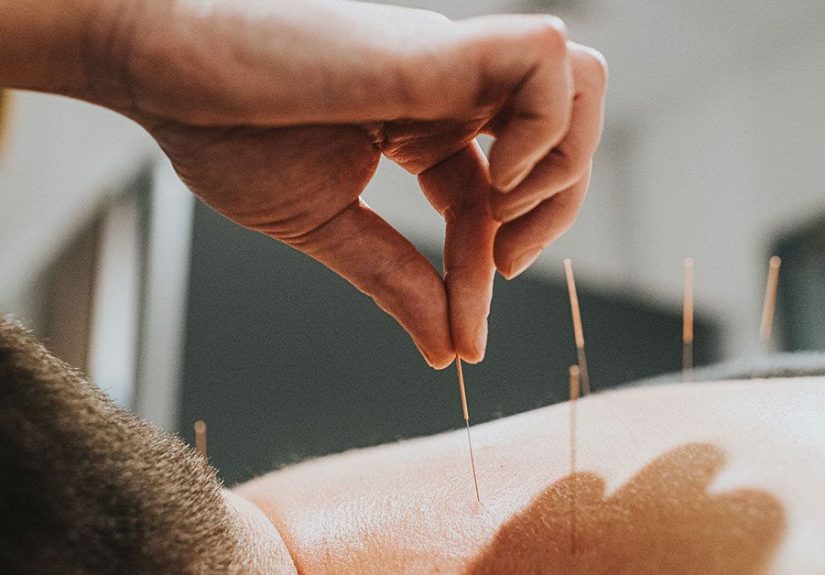
Acupuncture is a mind-body therapy where a trained practitioner inserts very thin needles into specific points on the body.
In modern clinical settings, needles are typically sterile, single-use, and disposable.
It’s not “stabbing pain out of the body,” “detoxing lungs,” or “recharging your oxygen crystals.”
(If your acupuncturist says your lungs are low on moonlight, consider running.)
Safety basics
When performed by a competent, certified practitioner using sterile technique, acupuncture is generally considered low risk.
The most common side effects are minor: soreness, small amounts of bleeding, or bruising at needle sites.
Serious complications are uncommon but can occur (more on that in the safety section, because your lungs deserve respect).
So… can acupuncture help COPD symptoms?
The best way to think about acupuncture for COPD is this:
It’s an adjunct therapysomething that may help symptoms and function alongside standard COPD care,
not something to swap in place of inhalers, rehab, or smoking cessation.
What researchers usually measure
COPD studies often focus on outcomes that matter day-to-day:
- Dyspnea (breathlessness), including dyspnea on exertion (that “why is a small staircase my enemy?” feeling)
- Exercise capacity, commonly the 6-minute walk test
- Quality of life scores (such as CAT or SGRQ)
- Lung function measures like FEV1 (how much air you can forcefully exhale in 1 second)
- Exacerbations (flare-ups that may require steroids, antibiotics, or hospitalization)
What the evidence says (without the hype)
1) Randomized trials: promising signals, not a slam dunk
One of the most cited clinical trials (published in a major internal medicine journal) compared real acupuncture to sham acupuncture in people with COPD.
The real acupuncture group showed improvements in dyspnea on exertion and also improved 6-minute walk distancesuggesting better exercise tolerance.
That’s meaningful because many COPD patients don’t just want numbers on a spirometry sheet; they want to walk to the mailbox without feeling like they’re auditioning for a dramatic fainting scene.
Still, even in encouraging studies, acupuncture isn’t typically shown to “cure” COPD or consistently produce large changes in lung function across all studies.
Benefits, when present, often show up more in symptom perception and functional capacity than in dramatic spirometry transformations.
2) Reviews and meta-analyses: “maybe helpful,” but quality varies
Systematic reviews looking at acupuncture techniques for COPD tend to land on a cautious conclusion:
results are mixed, and study quality varies. Some analyses report improvements in breathlessness, exercise capacity, and certain symptom scores,
while others point out limitations like small sample sizes, differences in treatment protocols, and challenges designing truly convincing “sham” acupuncture.
Translation: there’s enough signal to justify interest, but not enough certainty to declare acupuncture a standard COPD therapy the way pulmonary rehab is.
It’s closer to “could help some people” than “works for everyone.”
3) Acu-TENS and electro-stimulation approaches: a related branch
Some studies look at acu-TENS (transcutaneous electrical nerve stimulation applied over acupuncture points), including in settings like acute exacerbations.
These approaches may reduce dyspnea for some patients and are sometimes investigated as add-ons to usual care.
As with needle acupuncture, the evidence is still developing, and benefitsif presentare generally modest and variable.
If acupuncture doesn’t “fix” the lungs, why might it help?
COPD breathlessness isn’t purely a lung mechanics issue. It’s also a brain-and-body experience shaped by inflammation, muscle conditioning,
anxiety, air trapping, and how the nervous system interprets respiratory effort.
Acupuncture may influence several of these layers:
Neuromodulation and the “breathlessness alarm system”
Breathlessness has a big sensory componentyour nervous system decides how threatening the sensation feels.
Acupuncture may modulate pain/sensation pathways and autonomic balance (the “fight-or-flight” vs “rest-and-digest” systems),
which can make breathing discomfort feel less intense or less panicky for some people.
Stress, sleep, and the COPD-anxiety loop
Many people with COPD recognize the loop: you get short of breath, you panic, panic makes breathing worse, and suddenly your chest feels like it’s negotiating with a boa constrictor.
If acupuncture helps reduce anxiety or improves sleep quality in an individual, the indirect effect can be realless tension, better coping, and better tolerance of activity.
Exercise tolerance (the underrated superpower)
COPD management is often about improving what your body can do with the oxygen it gets.
If acupuncture helps reduce perceived exertion or leg fatigue (as some research explores),
it might allow you to train more effectivelyespecially when paired with pulmonary rehabilitation.
What to expect if you try acupuncture for COPD
Step 1: Keep the basics (seriously)
If you remember one thing, let it be this: acupuncture is not a replacement for evidence-based COPD care.
Continue prescribed inhalers, oxygen (if you use it), vaccinations, and your clinician’s plan for flare-ups.
Acupuncture is a “yes, and…” not a “no, instead.”
Step 2: Find a qualified practitioner
Look for licensing/credentialing appropriate for your state, and don’t be shy about asking:
- Do you use sterile, single-use needles?
- What’s your experience working with respiratory patients?
- How do you handle patients on blood thinners or with fragile skin?
- Do you coordinate with medical care (pulmonary rehab, PT, or physician guidance)?
Step 3: Give it a fair trial (but not an endless one)
Many acupuncture protocols in studies use multiple sessions over weeksoften something like 1–2 visits per week for 6–12 weeks.
A reasonable approach is to define a checkpoint:
After 4–6 sessions, ask: Do I feel less breathless with activity? Am I walking farther? Sleeping better? Less anxious?
If nothing changes, it’s okay to move on. Your time, energy, and copays are also part of your health.
How to combine acupuncture with the COPD treatments that work best
Pulmonary rehabilitation: the MVP
Pulmonary rehab is one of the most effective non-drug interventions for COPD. It combines supervised exercise training, education,
breathing techniques, and supportoften improving dyspnea and quality of life.
If acupuncture helps you feel calmer and more capable, pairing it with rehab can be a smart strategy:
use acupuncture to reduce symptom “noise,” then use rehab to build real functional gains.
Vaccinations and infection prevention: boring, effective, essential
Respiratory infections can trigger COPD exacerbations and set you back hard.
Staying up to date on recommended vaccines (like influenza and pneumococcal vaccines, and others your clinician recommends) is one of those “not glamorous but lifesaving” moves.
Smoking cessation: the closest thing to a disease-slowing switch
If you smoke, quitting is one of the most powerful steps to slow COPD progression and reduce symptoms over time.
No needle can out-acupuncture a cigarette habit. (Yes, that sentence was emotionally painful to write. It’s also true.)
Safety: who should be careful (and what red flags matter)
Acupuncture is generally low risk when done correctly, but COPD patients should take a few precautions:
Tell your practitioner if you:
- Take blood thinners or have a bleeding disorder (bruising/bleeding risk)
- Have a pacemaker or implanted device (relevant for electroacupuncture/acu-TENS)
- Have fragile skin, immune compromise, or active infections
- Have severe osteoporosis or conditions affecting tissue integrity
Pneumothorax: rare but serious
A very uncommon but important risk is pneumothorax (a collapsed lung), which can occur if a needle penetrates the chest wall.
This is rareespecially with trained practitioners using appropriate techniquebut it’s a reminder to choose credentials and clinical hygiene over “my cousin’s friend who watched a tutorial.”
Seek urgent care immediately if you develop sudden sharp chest pain, severe shortness of breath, or symptoms that feel dramatically worse after a session.
FAQ: quick answers to common questions
Will acupuncture improve my oxygen levels?
Some studies explore changes in physiological measures, but oxygen needs in COPD are typically addressed with medical evaluation and oxygen therapy when indicated.
If your oxygen saturation is low, treat that as a medical issuenot a wellness experiment.
Can acupuncture replace inhalers or steroids?
No. Inhaled bronchodilators and steroids (when prescribed) target airway mechanics and inflammation in ways acupuncture does not.
Consider acupuncture only as a complement for symptoms, stress, and function.
How soon would I notice a difference?
If acupuncture helps, people often report changes in symptom comfort, sleep, or anxiety within a few sessions.
Functional changes (walking farther, less exertional breathlessness) may take several weeksespecially if you’re also doing rehab.
What’s a realistic goal?
A realistic goal is not “new lungs,” but:
less breathlessness during activity, better stamina, improved coping, and
more consistent participation in exercise and rehab.
Real-World Experiences: What People Notice (and What They Don’t)
The following is a “boots on the ground” look at what people commonly describe when trying acupuncture alongside standard COPD care.
These are experiences, not proofand they vary widelybut they can help set expectations so you don’t walk in hoping for superhero lungs and walk out disappointed that you’re still human.
The first session often surprises people by being… boring. In a good way. Many expect dramatic sensations or instant breathing changes.
Instead, they notice the room is calm, the needles are thinner than expected, and the biggest challenge is staying still while your brain narrates:
“Is this working? Am I relaxed? Why am I thinking about tacos?”
Some people report a shift in the “tight chest” feeling. Not that their airways suddenly open like automatic doors, but the chest feels less clenched,
the shoulders drop, and breathing feels less like a battle. This can matter because COPD often recruits extra musclesneck, shoulders, upper chest
and that “always working” posture adds fatigue.
Sleep and anxiety are frequent early wins. People who struggle with nighttime breathlessness, racing thoughts, or the “I’m afraid I’ll wake up gasping” feeling
sometimes describe deeper sleep or fewer panic spikes after sessions. Even a small improvement in sleep can snowball:
better sleep → more energy → more movement → stronger muscles → less breathlessness with activity. COPD management loves a good domino effect.
Exercise tolerance is where acupuncture can feel most usefulif it helps at all. People who pair acupuncture with pulmonary rehab or a walking plan often describe
a subtle shift: they still get short of breath, but they recover faster; they can walk a little longer before needing to stop; or they feel less “alarmed” by normal exertional breathlessness.
That matters because the fear of breathlessness can become its own limiter. When that fear eases, consistency improves.
What usually doesn’t change overnight: spirometry numbers, chronic mucus habits, or the underlying reality that COPD is a long-term condition.
People who do best emotionally are the ones who treat acupuncture as part of a plan, not a rescue mission.
They keep inhalers, follow their flare-up instructions, stay vaccinated, and view acupuncture as a “symptom support tool” rather than a replacement engine.
There can be trial-and-error. Some people feel nothing at all and decide it’s not worth continuing.
Others feel better after a few sessions but plateau quickly, or they notice benefits fade when they stop.
A practical approach is to track something measurable: walking time, step count, perceived exertion, rescue inhaler use, or sleep quality.
If the numbers don’t budge and you don’t feel different, it’s okay to spend your resources elsewherelike rehab, nutrition support, or a home exercise setup.
People also learn what acupuncture can’t “cover up.” If you’re having frequent exacerbations, uncontrolled symptoms, or worsening breathlessness,
acupuncture shouldn’t be the bandage you slap on without medical review. Many patients describe acupuncture as most helpful when their COPD plan is stable and optimized,
and they’re using acupuncture to improve comfort, recovery, and confidencenot to avoid follow-up care.
In short: real-world experiences tend to be modest but meaningful when they happenless tension, better sleep, calmer breathing, and slightly improved stamina.
The most consistent “success stories” are rarely about needles alone. They’re about needles plus rehab plus a solid medical plan,
with realistic expectations and a focus on function: “What can I do this week that I couldn’t do last week?”
Bottom line
Acupuncture probably won’t “strengthen” COPD lungs in the literal sense of reversing structural damage.
But it may help some people with COPD feel less breathless during activity, improve exercise tolerance, reduce anxiety, and support participation in pulmonary rehab
especially when used as a safe, well-supervised adjunct to standard care.
If you try it, treat it like an experiment with guardrails: keep your medical treatments, pick a qualified practitioner, set measurable goals,
and reassess after several sessions. Your lungs don’t need hypethey need a plan.