Table of Contents >> Show >> Hide
- What is “agua de jengibre,” exactly?
- Potential benefits of ginger water
- 1) Nausea relief (the headline act)
- 2) Digestive comfort: bloating, gas, and “my jeans are mad at me”
- 3) Anti-inflammatory support (not a superhero cape, but helpful)
- 4) Pain: menstrual cramps and everyday soreness
- 5) Metabolic markers: blood sugar, cholesterol, and blood pressure (with an asterisk)
- 6) Antioxidants and general wellness
- How to make ginger water (and make it taste good on purpose)
- How much ginger water is “reasonable”?
- Risks, side effects, and who should be cautious
- Ginger water myths (politely escorted out)
- Bottom line
- Real-world experiences: what people notice when they start drinking ginger water
- 1) The “wow, that’s spicy” awakening
- 2) A calmer stomach (especially if you sip slowly)
- 3) Less “puffy” feelingsometimes because hydration improved
- 4) Heartburn surprises (usually from going too strong)
- 5) The “I replaced soda” win
- 6) Better consistency when it’s easy
- 7) The “my friend told me to take supplements” moment
Ginger water sounds like the kind of thing a wellness influencer would sip while whispering “align your gut chakra”
into a ring light. But agua de jengibre is also… just water with ginger. Which is kind of the charm:
it’s simple, inexpensive, and (when you don’t go overboard) pretty friendly to most humans.
In this guide, we’ll talk about what ginger water can actually do, what it can’t,
and why “natural” doesn’t automatically mean “risk-free.” Expect science, practical tips, and a little humorbecause
if your drink is spicy enough to make you blink twice, you deserve a laugh.
What is “agua de jengibre,” exactly?
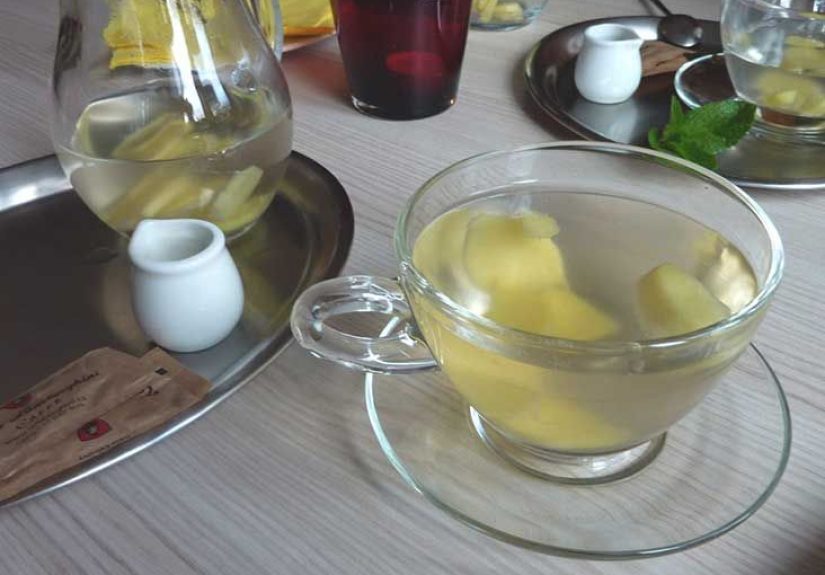
Ginger water is water infused with fresh ginger (sometimes simmered, sometimes steeped, sometimes
chilled like a spa day in a bottle). It’s closely related to ginger tea, but people often use “ginger water”
when it’s lighter, less “tea-ish,” and more “I want hydration with a kick.”
Ginger’s signature bite comes from compounds like gingerol (and its spicy cousins formed during
drying or heating). Those compounds are part of why ginger has a long history as a food and a traditional remedy.
Translation: your kitchen spice rack has been doing side quests for centuries.
One important clarification: ginger water is not the same as ginger ale. Many commercial ginger ales contain
little to no real gingerso if you’re drinking soda and calling it “digestive support,” your stomach might have
questions.
Potential benefits of ginger water
Let’s keep it real: most research focuses on ginger in food or supplement formnot specifically “ginger water.”
But ginger water can deliver ginger’s active compounds in a gentle, drinkable format, especially if you simmer or
steep fresh slices long enough.
1) Nausea relief (the headline act)
If ginger had a business card, it would say: “I help with nausea.” Evidence supports ginger for certain kinds of
nauseaespecially pregnancy-related nausea and nausea associated with some medical treatments.
It may help by supporting stomach emptying and calming signals in the gut that trigger the urge to vomit.
Practical takeaway: if you’re dealing with mild nausea, a warm mug of ginger water can be an easy first move.
If nausea is severe, persistent, or comes with red-flag symptoms (chest pain, severe dehydration, blood, fainting),
call a clinician. Ginger is a helper, not an emergency room.
2) Digestive comfort: bloating, gas, and “my jeans are mad at me”
Ginger is often discussed for digestive supportthings like bloating, intestinal gas, and sluggish digestion.
Some expert sources explain ginger’s role in supporting gastrointestinal motility
(how efficiently food moves along). If your stomach feels like it’s buffering on dial-up internet, ginger may help
it load the next page.
Ginger water also encourages hydration, and regular hydration alone can support digestionso the benefit here is
sometimes a one-two punch: ginger + more fluids.
3) Anti-inflammatory support (not a superhero cape, but helpful)
Ginger contains compounds with anti-inflammatory and antioxidant activity. That doesn’t mean ginger water “cures
inflammation,” but it may contribute to an overall anti-inflammatory dietary pattern.
Some discussions highlight ginger’s potential role in discomfort related to inflammatory conditions, including
aches that come with wear-and-tear situations.
A sensible way to think about it: ginger water is a supportive habit, not a replacement for medical care, physical
therapy, or a plan from your healthcare team.
4) Pain: menstrual cramps and everyday soreness
Ginger is frequently mentioned as a food that may help with certain types of pain, including menstrual cramps.
The best results in studies often come from consistent intake over multiple daysnot a single “Hail Mary” sip five
minutes before your meeting.
If you want to experiment, try ginger water as part of a routine during the days you typically get cramps or muscle
soreness. Keep your expectations realistic and your heating pad within reach.
5) Metabolic markers: blood sugar, cholesterol, and blood pressure (with an asterisk)
Some research and expert summaries discuss ginger’s potential to support blood sugar regulation
and improve related metabolic markersparticularly in people who already have metabolic concerns.
There’s also discussion around possible effects on cholesterol and blood pressure.
Here’s the asterisk: if ginger can nudge blood sugar or blood pressure downward, that’s exactly why it can
interact with medications for diabetes or hypertension. “Helpful” and “complicating” can be the
same thing depending on your prescription list.
6) Antioxidants and general wellness
Ginger contains antioxidants, which help the body manage free radicals (compounds that can damage cells when they
get out of control). That doesn’t mean ginger water is a fountain of youthbut it can be a smart swap if it nudges
you away from sugary drinks and toward something your body recognizes as “hydration.”
How to make ginger water (and make it taste good on purpose)
Basic ginger water recipe (warm infusion)
- Step 1: Wash a 1–2 inch piece of fresh ginger root.
- Step 2: Peel it (optional) and slice thinly.
- Step 3: Add slices to a mug, pour boiling water, cover, and steep 5–10 minutes.
- Step 4: Strain if you want. Sip slowly if you’re nausea-prone.
Want it stronger? Simmer the slices gently for 10–15 minutes instead of just steeping. Want it milder? Use fewer
slices or steep for a shorter time. Ginger is not here to prove how tough you are.
Cold ginger water (for people who like their spice with a chill)
- Add sliced ginger to a pitcher of cold water.
- Refrigerate for 2–4 hours (or overnight for bolder flavor).
- Serve over ice with citrus slices.
Flavor upgrades that don’t sabotage the mission
- Lemon or lime: Brightens flavor and makes it feel “clean” (in a taste way, not a detox way).
- Honey: Great for comfortjust don’t turn it into dessert water.
- Mint: Cooling contrast to ginger’s heat.
- Cinnamon stick: Cozy vibes, especially in winter.
How much ginger water is “reasonable”?
Many references discuss an upper daily ginger intake around 4 grams per day for adults as a common
safety boundary in general contexts. But that number can be slippery because “4 grams” depends on the form
(fresh vs. powdered vs. supplement) and concentration.
Ginger water is usually less concentrated than capsules or shots, but it can still pack a punch if you simmer a lot
of ginger into a small amount of water. A practical approach:
- Start with one small cup per day.
- If your stomach is happy, you can increase slowly.
- If you notice heartburn, burning, cramps, diarrhea, or mouth/throat irritation, reduce the strength or frequency.
Risks, side effects, and who should be cautious
Ginger is widely used and often well tolerated, but side effects happenespecially at higher doses or in supplement
form. Think of it like hot sauce: delightful in the right amount, regrettable when you treat it like a beverage
category.
Common side effects
- Heartburn or reflux: Ginger can worsen reflux in some peopleparticularly in higher amounts.
- GI upset: Abdominal discomfort, cramps, diarrhea, or gas can occur.
- Mouth/throat irritation: Especially with strong preparations.
- Allergy: Rare, but possible (rash, swelling, trouble breathing = urgent care).
Medication interactions (the “please don’t freestyle” section)
Ginger may interact with medications in ways that matter, especially if you’re taking:
- Blood thinners/anticoagulants or antiplatelet drugs (bleeding risk concerns).
- Diabetes medications (blood sugar could drop too low).
- Blood pressure medications (blood pressure could trend too low for some).
- Certain heart rhythm medications (potential concerns discussed by experts).
If you’re on any of these, talk to a clinician before making ginger water a daily habitespecially if you’re also
considering ginger supplements. Food-level ginger is usually less risky than concentrated capsules, but “usually”
isn’t the same as “always.”
Before surgery (and why your surgeon cares about your tea)
Some cancer-center guidance and perioperative discussions advise stopping ginger supplements before surgery because
of bleeding risk concerns. If you have surgery scheduled, disclose herbal products (including “natural” ones) to
your care team and follow their timeline. When it comes to anesthesia and bleeding, nobody wants surprise
ingredients.
Pregnancy and breastfeeding: ginger vs. ginger supplements
Ginger is commonly used for pregnancy-related nausea, and professional organizations have discussed it as a
nonpharmaceutical option for nausea and vomiting of pregnancy. At the same time, some oncology-focused guidance
is more cautious specifically about ginger supplements during pregnancy or lactation.
A safe, practical middle ground many clinicians use: food-level ginger or mild ginger water may be reasonable for
many people, but pregnancy is not the time for high-dose experimentation. If you’re pregnant, have a history of
bleeding issues, or take medications that affect clotting, get individualized guidance.
Gallstones and specific conditions
Some patient education materials advise avoiding ginger supplements in people with gallstones. Evidence is not
equally strong in every context, but if you have gallbladder disease, a bleeding disorder, chronic reflux, or a
complicated medical situation, treat ginger like any other “active” food: ask first, don’t guess.
Ginger water myths (politely escorted out)
Myth: “Ginger water detoxes your body.”
Your liver and kidneys are already running the detox departmentfull time, no weekends, no PTO. Ginger water can be
a healthier drink choice, but it doesn’t replace your organs’ job description.
Myth: “If a little is good, a lot is better.”
This is how people end up Googling “why does my throat burn” at 2 a.m. More ginger can mean more side effects and a
higher chance of medication interactions. Respect the spice.
Myth: “Store-bought ginger drinks are the same thing.”
Some bottled “ginger” beverages contain very little ginger and a lot of sugar. If your “ginger wellness drink”
tastes like candy and has a nutrition label that looks like a dessert menu, it might not be the upgrade you think.
Bottom line
Agua de jengibre is a simple habit that can be genuinely useful: it may help with nausea, support
digestion, and add a little anti-inflammatory flair to your daywhile also nudging you toward better hydration.
The biggest “risk” is usually overdoing it (hello, heartburn) or ignoring medication interactions.
If you’re generally healthy, ginger water is a low-drama experiment. Start mild, pay attention to your body, and
keep it in the “supportive habit” lanenot the “miracle cure” lane. Your body loves consistency more than hype.
Real-world experiences: what people notice when they start drinking ginger water
Below are common, very human experiences people report when they add ginger-infused water to their routine.
Not everyone will experience all of these, and none of them are medical promisesjust patterns that show up again
and again when an old-school remedy meets modern schedules, coffee habits, and “I forgot to drink water today”
energy.
1) The “wow, that’s spicy” awakening
Most first-timers make ginger water like they’re trying to season a pot of chili. Then they take a sip, blink
three times, and suddenly feel extremely alive. The fix is easy: use fewer slices, steep less time, or dilute it.
Ginger water should feel refreshing, not like it’s challenging you to a duel.
2) A calmer stomach (especially if you sip slowly)
People who drink ginger water for mild nausea often find that slow sipping works better than chugging. It’s the
difference between “gentle support” and “my stomach is now aware of my choices.” Warm ginger water can feel
especially comforting after a heavy meal or during travel days.
3) Less “puffy” feelingsometimes because hydration improved
A funny thing happens when you keep a pitcher of ginger water in the fridge: you actually drink it. Better
hydration can help digestion and reduce that sluggish, bloated sensation for some people. Ginger may contribute,
but the simple act of drinking more fluid often deserves some credit too. Your body is annoyingly practical like
that.
4) Heartburn surprises (usually from going too strong)
A common speed bump: people who already have refluxor who brew ginger water like a concentrated “ginger shot”
sometimes notice more burn. The solution is usually to reduce concentration, avoid drinking it on an empty stomach,
or switch to a milder steep. If reflux is frequent, ginger might not be your best daily ritual.
5) The “I replaced soda” win
One of the most consistent real-life benefits is behavioral: ginger water becomes a satisfying substitute for
sugary drinks because it has flavor, personality, and a little bite. People who make this swap often describe
fewer afternoon energy crashes and fewer “why am I still thirsty?” moments. That’s not magicjust less sugar and
more hydration.
6) Better consistency when it’s easy
The people who stick with ginger water don’t make it complicated. They slice ginger once, store it in the fridge,
and steep a few pieces when neededor keep a chilled infusion ready to pour. The less friction, the more you’ll
actually do it. Wellness rarely fails because of science; it fails because nobody has time for a 14-step beverage.
7) The “my friend told me to take supplements” moment
Many people start with ginger water, enjoy it, and then someone says, “You should take high-dose ginger capsules!”
That’s where it’s worth slowing down. Supplements can deliver higher doses that increase the chance of side effects
and interactionsespecially with blood thinners, diabetes medications, and blood pressure meds. For lots of folks,
food-level ginger is the sweet spot: benefits, fewer complications.
If you’re trying ginger water, treat it like a smart habit: start small, keep it consistent, and let it support
the basicshydration, digestion, and comfortwithout turning it into a cure-all. That’s where it shines.