Table of Contents >> Show >> Hide
- Nucleic Acids 101: DNA, RNA, and the “Nucleotide Lego Set”
- What Nucleic Acids Do in Your Body (Spoiler: A Lot)
- Are Nucleic Acids “Nutrients” You Need to Eat?
- Where Do Dietary Nucleic Acids Come From?
- What Happens When You Eat DNA and RNA?
- The Purine Connection: When “Nucleic Acid Foods” Become a Health Topic
- High vs. Low Purine Foods: What the Data Actually Suggests
- Beyond Purines: Other Diet Pieces That Influence Uric Acid
- So… Should You Eat More “Nucleic Acid Foods” for Health?
- Nucleotides in Infant Nutrition: Why This Topic Gets Real (Fast)
- What About “DNA/RNA” or Nucleic Acid Supplements?
- Practical, Not-Paranoid Tips for Everyday Eating
- FAQ: Quick Answers People Actually Want
- Experience-Based Perspectives: What This Looks Like in Real Life (About )
- Conclusion
If you’ve ever looked at a nutrition label and thought, “Where’s the DNA section?”same. Nucleic acids (DNA and RNA)
are in almost everything you eat that used to be alive (plants, animals, fungi… yes, even mushrooms with their
mysterious vibes). But nucleic acids rarely get the spotlight because your body is pretty good at handling them
unless you have a specific health reason to pay attention (hello, purines and uric acid).
This guide breaks down what nucleic acids actually do, what happens when you eat them, which foods contain more of
the “nucleic acid building blocks,” and why the topic shows up in conversations about gout, infant nutrition, and
“should I take this supplement I found online?” moments.
Nucleic Acids 101: DNA, RNA, and the “Nucleotide Lego Set”
Nucleic acids are big molecules made from smaller units called nucleotides. Each nucleotide is
like a tiny Lego piece with three parts: a sugar, a phosphate group, and a nitrogen-containing base. DNA uses the
bases A, T, C, and G; RNA uses A, U, C, and G. (Yes, RNA swaps T for Ubecause it likes being “different.”)
DNA: The storage drive
DNA is your long-term storage for genetic instructions. It holds the “how to build and run this body” manualdown to
tiny details like how cells make proteins and when to do it.
RNA: The busy messenger (and multitasker)
RNA is the working copy. Some RNA carries messages from DNA to the protein-making machinery, and other types of RNA
help assemble proteins, regulate genes, and do specialized cellular jobs.
Big takeaway: nucleic acids are about informationbut nucleotides are also about energy and
cell signaling, which is why they matter beyond genetics.
What Nucleic Acids Do in Your Body (Spoiler: A Lot)
1) Store and express genetic information
Your cells rely on DNA to store instructions and RNA to help read, copy, and translate those instructions into proteins.
Proteins do most of the “hands-on” work in the body: enzymes, hormones, structural tissue components, immune molecules,
you name it.
2) Power your cells with nucleotide “energy currency”
ATP (adenosine triphosphate) is a nucleotide and the closest thing biology has to a universal energy
coin. Cells spend ATP to contract muscles, transport nutrients, build new molecules, and generally keep the lights on.
When ATP breaks down, it releases energy that helps drive thousands of reactions.
3) Help run cellular “group chats” (signaling)
Some nucleotides act like signals. For example, cyclic AMP (cAMP) is made from ATP and helps cells respond to hormones
and stress signals. Think of it as your body’s internal notification systemminus the unread badge anxiety.
4) Build critical helpers like coenzymes
Several coenzymes used in metabolism include nucleotide parts (for example, NAD). These molecules help move electrons
aroundan essential part of turning food into usable energy.
Are Nucleic Acids “Nutrients” You Need to Eat?
In healthy adults, nucleotides are generally considered nonessential because the body can make them
(and also salvage and recycle pieces from normal cell turnover). That said, there are situations where dietary
nucleotides get more attentionespecially in infancy and certain medical contexts where growth,
gut development, or immune function are top priorities.
Here’s the nuance: you don’t need to chase “nucleic acid foods” like they’re a trendy superfood category. But understanding
where nucleotides and their components show up in food can help explain why some diets matter for specific conditions.
Where Do Dietary Nucleic Acids Come From?
Anywhere there are cells, there are nucleic acids. So foods naturally contain DNA and RNA in amounts that vary by:
- Cell density (organ meats, yeast, and certain seafood have lots of nucleic material)
- Processing (concentrated extracts can concentrate nucleic acid components)
- Portion size (a little goes a long waysometimes literally)
You won’t see “DNA grams” on a label. But you will see related concepts show up, especially as
purines, which are parts of nucleotides and become relevant to uric acid.
What Happens When You Eat DNA and RNA?
You are not absorbing a steak’s DNA and suddenly developing a talent for mooing. When you eat nucleic acids, your digestive
system breaks them down into smaller parts.
The digestion story in plain English
- Enzymes cut DNA and RNA into smaller fragments. Pancreatic nucleases and other enzymes help chop them up.
- More enzymes break those pieces into nucleotides, nucleosides, sugars, phosphates, and bases.
- Those components can be absorbed and either recycled into your own nucleotides or further broken down.
Your body can reuse these parts (salvage pathways are very “reduce, reuse, recycle”), or it can break them down further,
which brings us to the most famous dietary nucleic acid side quest…
The Purine Connection: When “Nucleic Acid Foods” Become a Health Topic
Purines are natural substances found in your body’s cells and in many foods. They’re also components of
nucleotides (and therefore nucleic acids). When the body breaks down purines, it produces uric acid.
Normally, uric acid dissolves in the blood, gets filtered by the kidneys, and exits the body in urine. But if uric acid
levels rise too highor the body can’t clear it efficientlyuric acid can form crystals. That’s the biological foundation
behind gout and some related issues.
This is why you often hear about “high-purine foods” rather than “high nucleic acid foods.” It’s the same neighborhood,
different mailbox.
High vs. Low Purine Foods: What the Data Actually Suggests
Purine content isn’t a moral judgment. It’s just chemistry. And in many cases, your overall dietary pattern matters more
than obsessing over a single ingredientespecially because the same food can be “high purine” and also have valuable nutrients.
Higher purine choices (often limited for gout)
These tend to have more nucleic acid components and are frequently advised to be limited if someone is managing gout:
- Organ meats (liver, kidney, sweetbreads)
- Certain fish/seafood (examples often include anchovies, sardines, some shellfish)
- Yeast and yeast extracts (especially concentrated forms)
- Meat extracts and gravies (concentrated can mean “purine-dense”)
Moderate purine foods (often “portion matters”)
- Red meat and some poultry
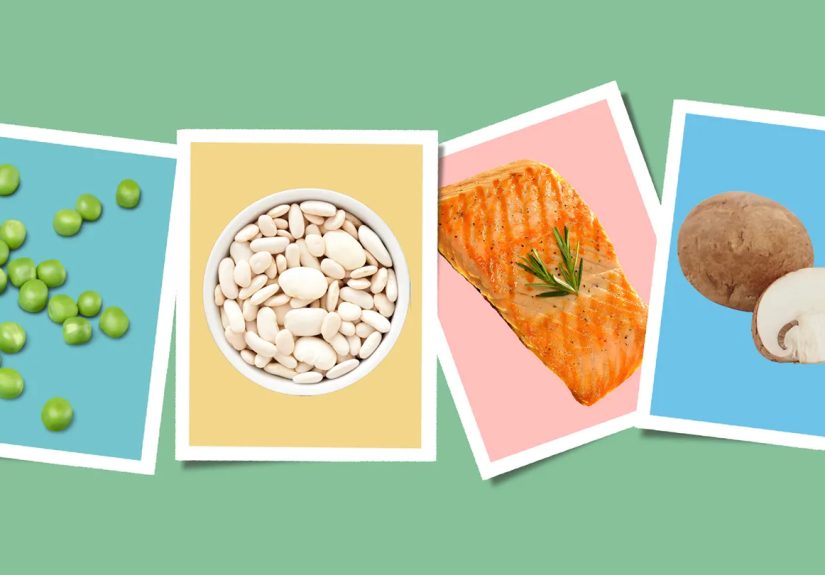
- Many legumes (beans, lentils, peas) depending on individual tolerance
- Certain fish that aren’t in the highest group
Lower purine foods (often easier fits)
- Dairy and eggs
- Most fruits and many vegetables
- Whole grains
What about plantsare “purine-rich vegetables” scary?
This is where nuance saves the day. Some research has found that purines from many plant foods don’t show the same
relationship to gout risk as purines from certain meats and seafood. That doesn’t mean “anything goes,” but it does mean
a plant-forward eating pattern is often compatible with uric acid management for many people.
Beyond Purines: Other Diet Pieces That Influence Uric Acid
If you only remember one thing, make it this: uric acid levels are affected by more than purines.
Alcohol
Alcohol (especially heavy intake) can raise uric acid and also affect how the body eliminates it. For people who get gout
flares, alcohol can be a practical trigger to watch.
Sugary drinks and high-fructose intake
Fructose can increase uric acid production in the body. That’s why many gout-oriented guidelines and expert resources
advise limiting sugar-sweetened beverages.
Body weight, metabolic health, and hydration
Excess weight and metabolic issues are strongly tied to gout risk in many populations. Hydration matters toobecause
uric acid leaves the body through urine. (No, you don’t need to live inside a water bottle. Just don’t treat dehydration
like a personality trait.)
So… Should You Eat More “Nucleic Acid Foods” for Health?
For most people, the “more nucleic acids!” approach doesn’t make much sensebecause nucleic acids are already present
in a normal diet, and your body can build what it needs. The better question is:
What goal are you trying to achieve?
If your goal is general wellness
Focus on a pattern that supports overall health: plenty of plants, adequate protein, fiber, hydration, and a reasonable
relationship with sugar and alcohol. Nucleic acids take care of themselves in the background like the world’s quietest
IT department.
If your goal is managing gout or high uric acid
A “low purine diet” might be helpful, but modern guidance often emphasizes overall eating patterns and personalized triggers.
Many reputable medical resources recommend limiting the highest-purine foods (organ meats, certain seafood), moderating
red meat portions, reducing alcohol, and cutting back on sugar-sweetened beverageswhile keeping the diet nutrient-dense.
If gout or high uric acid is on your radar, it’s smart to coordinate food choices with a clinicianespecially since
medication and kidney function can change the strategy.
Nucleotides in Infant Nutrition: Why This Topic Gets Real (Fast)
One place dietary nucleotides get legitimate attention is infancy. Human milk naturally contains
nucleotides, and some infant formulas include added nucleotides to better mimic aspects of human milk composition.
Research has explored potential effects on gut development, immune function, and the microbiome, though outcomes vary
and depend on formula composition, infant health, and study design.
Bottom line: dietary nucleotides are sometimes discussed as “conditionally important” in infancy, which is a very different
situation than a healthy adult trying to biohack their way into becoming a superhero.
What About “DNA/RNA” or Nucleic Acid Supplements?
Supplements marketed as “nucleic acids,” “RNA,” “DNA,” or “nucleotides” show up in the wellness world with big promises
and tiny disclaimers. In real life:
-
Evidence for broad benefits in healthy adults is limited compared with basic nutrition fundamentals
(sleep, protein adequacy, fiber, micronutrients, training consistency). - People with gout or high uric acid should be cautious about anything that could meaningfully increase purine load.
-
If you’re considering supplements for a specific medical reason (recovery, gut health, immune issues), it’s best to
discuss it with a healthcare professional who can weigh risks, benefits, and interactions.
Practical, Not-Paranoid Tips for Everyday Eating
1) Think “food pattern,” not “single molecule”
Nucleic acids are everywhere. A healthy diet doesn’t require a nucleic acid avoidance plan written in a leather-bound
notebook.
2) If gout is a concern, target the biggest levers
- Limit organ meats and the highest-purine seafood.
- Moderate red meat portions.
- Cut back on sugary drinks and high-fructose choices.
- Go easy on alcohol if it triggers symptoms.
- Stay hydrated and aim for sustainable weight management if needed.
3) Don’t fear legumes and vegetables by default
Many people do well with plant-forward diets even when watching uric acid. If a particular food triggers symptoms for
you, that’s useful informationbut it doesn’t automatically mean the entire plant kingdom is guilty.
4) Use data when possible
If you need specifics, credible databases and clinical guidance exist for purine content and gout management. When health
conditions are involved, accurate information beats “my cousin’s friend said.”
FAQ: Quick Answers People Actually Want
Are nucleic acids “bad” to eat?
No. They’re normal components of food and are broken down during digestion. They only become a special concern in
specific contextsmost notably when purines and uric acid management matter.
Do nucleic acids survive cooking?
Cooking can break cells down and change molecules, but your body still digests nucleic acid material into smaller units.
The health relevance usually comes from overall purine load and dietary patterns, not whether DNA stays “intact.”
What foods are the most “nucleic acid-heavy”?
Foods high in nucleic acid components often overlap with high-purine foods: organ meats, some seafood, and yeast-based
concentrates. But remember: “higher” doesn’t automatically mean “forbidden”context matters.
Is focusing on nucleic acids a good wellness strategy?
Usually no. It’s like reorganizing your sock drawer while your house is on fire. Most people get far more benefit from
fundamentals like diet quality, sleep, activity, and medical follow-up when needed.
Experience-Based Perspectives: What This Looks Like in Real Life (About )
“Nucleic acids” sounds like something you’d study under a microscope at 2 a.m. while surviving on vending machine pretzels.
But in the real world, people don’t typically talk about DNA and RNA at the dinner table. They talk about outcomes:
energy, digestion, inflammation, recovery, and whether that one food seems to start drama in their body.
One of the most common real-life experiences tied to nucleic acid foods is the “mystery flare” problem for people managing
uric acid or gout. Someone may eat a meal that feels totally normalthen later wonder why their body is acting like it
filed a formal complaint. Over time, many people discover that the biggest triggers are not random; they’re predictable:
a heavy serving of organ meat, a night with multiple alcoholic drinks, or a stretch of sugary beverages paired with
dehydration. What stands out is how often the solution isn’t a single magical “avoid this forever” rule, but a practical
pattern shiftsmaller portions, fewer high-risk choices clustered together, and more consistent hydration.
Another lived experience comes from people who try to “eat cleaner” and accidentally make things harder. For example,
someone hears “cut purines” and decides to slash protein across the boardthen ends up hungry, tired, and leaning on
refined carbs that don’t help metabolic health. Many people find better results when the focus becomes balance:
choosing leaner proteins, keeping plant foods prominent, and not treating the entire menu like a minefield.
Then there’s the label-reading phase. Parents of infants (and anyone who has ever stood in a baby aisle looking
overwhelmed) often encounter nucleotides in discussions about formula composition. The experience here is usually not
“I’m chasing nucleotides,” but “I’m trying to make a confident, safe decision.” Many parents describe relief when they
learn that added nucleotides are a studied ingredient in some formulas and that the broader pictureappropriate feeding,
pediatric guidance, and safetymatters more than any single line item.
Cooks and food lovers have their own nucleic acid-adjacent experiences tooespecially with yeast extracts and “umami
boosters.” Some people notice that concentrated yeast spreads or meat extracts can be both delicious and, for certain
individuals, a poor match. The lived lesson isn’t “flavor is bad,” but “concentrated foods can concentrate effects.”
A small amount used occasionally may feel different than a large, frequent intake.
Finally, there’s the supplement curiosity. Many people are drawn to “DNA/RNA” supplements because the marketing suggests
cellular renewal and energy. The experience many report, though, is that benefits are inconsistentwhile basics like
improved sleep, protein adequacy, and a consistent training routine deliver clearer returns. For most, the most
empowering shift is realizing that nucleic acids are already part of normal eating, and the smarter move is adjusting
the big, proven levers of health rather than chasing a molecule with a great PR team.
Conclusion
Nucleic acids aren’t a trendy new nutrientthey’re foundational molecules found in the cells of nearly every food you eat.
Your body breaks dietary DNA and RNA down into usable components, then reuses or processes them as needed. For most people,
“nucleic acid foods” don’t require special attention. The main exception is when purines (a key component
related to nucleotides) matter for uric acid and gout risk or symptom management. In that
case, the best approach is usually practical and personalized: limit the highest-purine foods, watch alcohol and sugary
drinks, prioritize an overall healthy diet pattern, and coordinate with a clinician when needed.