Table of Contents >> Show >> Hide
- What Makes the Original 1227 a Design Icon (and Why Brass Helps)
- Design Breakdown: The Parts That Actually Matter
- Key Specs: The Numbers You’ll Want Before You Pick Up a Drill
- Bulb and Light Quality: How to Make It Look Expensive (Even at 7 AM)
- Where the Anglepoise 1227 Brass Wall Light Works Best
- Installation and Placement Tips (So It Looks Intentional)
- Styling Ideas: Brass Without the “Gold Everything” Panic
- Durability and Sustainability: “Built to Last” That’s Not Just Marketing
- Pros, Cons, and Smart Alternatives
- Conclusion
Some wall lights just… hang out. They glow politely, they mind their business, and they never ask to be repositioned.
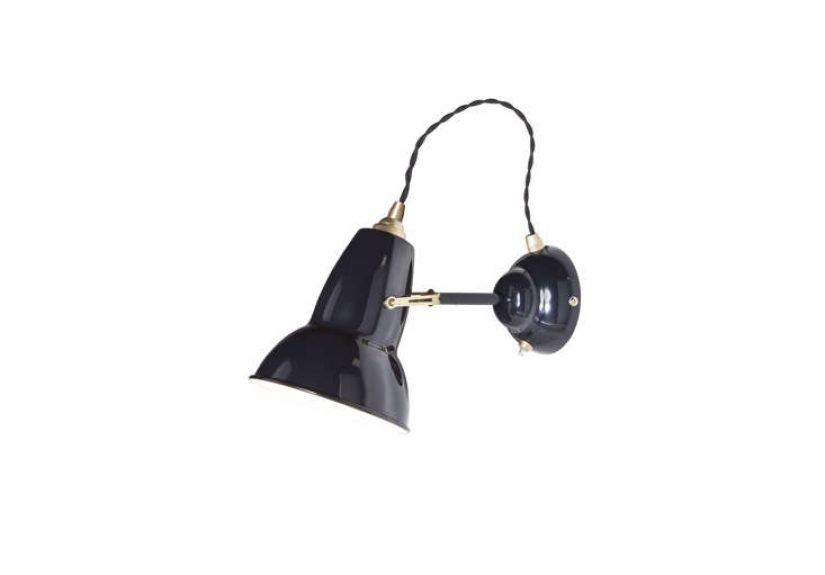
The Anglepoise Original 1227 Brass Wall Light is not that kind of fixture. This one is a classic task lamp
that ditched the desk, moved onto your wall, and kept its superpower: putting light exactly where you want it,
without turning your room into an operating theater.
If you’re shopping for an adjustable wall sconce that feels timeless (not trendy), looks sharp in both modern and
traditional spaces, and has that “design people nod approvingly” vibe, you’re in the right place. Let’s break down what it is,
why it works, and how to use it so it looks intentionalnot like you mounted a desk lamp to the wall during a late-night DIY spiral.
What Makes the Original 1227 a Design Icon (and Why Brass Helps)
A quick origin story: springs, engineering, and a very useful obsession
The “Anglepoise” idea starts with a spring-balanced mechanisman engineering solution designed to hold position with minimal effort.
Translation: you can nudge the lamp, aim the beam, and it stays put. That simple premise is why the Original 1227 shape became the
blueprint for task lighting for generations.
The Brass Wall Light version: same attitude, more jewelry
The Brass edition takes the recognizable shade-and-arm silhouette and upgrades the details: brass hardware, a glossy finish, and a
cleaner wall-mounted format. You still get focused, directional light, but the brass accents give it a warmer, more “finished” look.
Think of it as the classic wearing a tailored jacket instead of a hoodie.
Design Breakdown: The Parts That Actually Matter
1) The adjustable shade (aka: your beam control knob)
This is a directional wall light at heart. The shade adjusts so you can aim light downward for reading, angle it toward a work surface,
or bounce it slightly for softer glow. It’s the difference between “nice mood lighting” and “I can finally see what I’m chopping.”
2) Materials that feel substantial (without feeling bulky)
The fixture combines a gloss-painted metal shade and wall plate with brass fittings. The finish reads crisp and intentionalespecially in the
darker colorways, where the brass adds contrast without screaming for attention.
3) A wall plate switch that doesn’t ruin the vibe
A small, integrated switch on the wall plate is one of those “you’ll appreciate this daily” features. It keeps the setup practical:
reach, click, done. No fumbling for a cord switch like you’re playing hide-and-seek with electricity.
Key Specs: The Numbers You’ll Want Before You Pick Up a Drill
Specs are where you avoid the heartbreak of buying a beautiful light and realizing it either can’t reach your nightstand
or sticks out like a metal elbow in your hallway. Here are the practical highlights:
| Detail | What it means in real life |
|---|---|
| Shade size | Compact enough for bedside use, focused enough for task lighting |
| Max reach | Best for tight-to-medium reach needs (reading, desk nooks, kitchen stations) |
| Bulb base | E26 (standard U.S. medium base) |
| Recommended wattage | LED-only mindset: efficient light output without heat drama |
| Mounting | Designed for standard junction box installs (clean, built-in look) |
Translation: it’s a hardwired wall light that behaves like a task lampneat, controlled, and easy to live with.
If you want a long “swing arm across the room” reach, Anglepoise has other wall-mounted variants, but this particular model stays compact by design.
Bulb and Light Quality: How to Make It Look Expensive (Even at 7 AM)
Pick an LED that matches how you actually use the room
Because this wall light uses an E26 base, you have a huge LED ecosystem to choose from. For most homes, a 2700K warm white LED feels inviting.
If this is going into a workspace where color accuracy matters (art, design, cooking), consider 3000K for a slightly crisper look.
Don’t chase wattschase lumens
Modern LED bulbs can deliver strong brightness at low wattage, so “10W max” doesn’t mean “dim.” It means “efficient.”
For reading, aim for a bulb with enough lumens to be comfortable without glare. If you hate harsh light, choose a frosted bulb,
and let the shade do its job controlling the beam.
Dimming: what to expect
Many listings present this fixture as non-dimmable in its standard configuration (it’s built around a simple on/off approach).
If dimming is a must, treat it like a compatibility project: use a dimmable LED, confirm your dimmer type, and have an electrician
wire it appropriately. The goal is smooth dimmingno buzzing, no flicker, no “haunted lighthouse” effect.
Where the Anglepoise 1227 Brass Wall Light Works Best
Bedside reading light (the classic)
The compact reach and directional shade make it ideal above or beside a headboard. It keeps your nightstand free,
and it won’t blind your partner if you angle it responsibly (the same way you handle a flashlight in a tent).
Kitchen stations: coffee, prep, or open shelving
In a kitchen, this works like a mini spotlight you can aim. Mount it near a coffee setup, above a small prep zone, or beside shelves
where you want targeted light. The brass detail also pairs nicely with cabinet hardwareespecially if you’re mixing metals.
Home office and creative corners
If your desk is against a wall, a wall-mounted task light can be cleaner than a desk lampmore surface area for your keyboard,
sketchbook, or the pile of papers you swear is “organized by vibe.”
Hallways and accent moments
This can also behave as a focused accent light for art or a reading nook. Because it’s adjustable, you can fine-tune the beam
instead of hoping a fixed sconce lands in the right spot.
Installation and Placement Tips (So It Looks Intentional)
Plan the height before you commit
The easiest way to make a wall sconce look “off” is mounting it at the wrong height. A practical guideline for many interiors is
placing sconces around eye leveloften in the 60–72 inch range depending on the use case. Over a headboard, you’ll usually go lower
so it functions as a true reading light.
Think about the beam, not just the bracket
Because the shade directs light, stand where you’ll actually use it (on the bed, at the desk, at the counter), then visualize the beam.
You want light on the page or work surface, not blasting your face like you’re being interrogated by a very polite detective.
Hardwired vs. switched
One of the nice practical details is the switch on the wall plate, but the fixture can also be wired so it’s controlled by a wall switch,
depending on your setup. That flexibility is especially useful in bedrooms and hallways, where you may want “one switch controls everything.”
Styling Ideas: Brass Without the “Gold Everything” Panic
Jet black + brass: sharp, modern, and impossible to mess up
Black plus brass is the espresso-and-caramel combo of lighting: bold, warm, and always looks like you meant it.
Pair it with walnut, white walls, or warm neutrals for a clean contrast.
Elephant grey + brass: softer, calmer, quietly premium
If your room leans Scandinavian, transitional, or “I want it cozy but not cluttered,” grey with brass reads sophisticated.
It works especially well with linen bedding, matte paint, and natural textures.
Mixing metals: yes, you’re allowed
Brass doesn’t require a strict “all hardware must match” contract. The trick is repetition: echo brass once or twice elsewhere
(a mirror frame, cabinet pull, picture frame, or faucet). Then let the Anglepoise be the star without starting a metal family feud.
Durability and Sustainability: “Built to Last” That’s Not Just Marketing
Anglepoise leans hard into longevity: products are positioned as repairable and intended to stay in use, not cycle into landfill.
Their lifetime guarantee program (with registration) reinforces that long-term ownership model. If you’re trying to buy fewer,
better things for your home, this is the right kind of energy.
You’ll also see responsible signals across U.S. retailerslike listings that highlight recyclable packaging and the brand’s B Corp status.
That doesn’t magically make a lamp “perfect,” but it does suggest a company trying to build products with a longer life than your average trend piece.
Pros, Cons, and Smart Alternatives
Pros
- Iconic design: instantly recognizable, always relevant.
- Adjustable directional light: great for reading and task zones.
- Practical controls: switch on the wall plate keeps it simple.
- Quality materials: metal construction with brass details that elevate the look.
- Longevity mindset: built for long-term use and support.
Cons
- Not a long-reach swing arm: max reach is intentionally compact.
- Dimming isn’t plug-and-play: plan ahead if you want dimmer control.
- Premium pricing: you’re paying for design heritage and build quality.
- Best for dry interiors: it’s a task light, not a shower-side thrill seeker.
If you need more reach: consider the Wall Mounted variants
If your goal is a longer articulated arm (like reaching across a wide headboard or over a larger work surface), Anglepoise offers
wall-mounted versions designed for greater extension. Those models can give you the “bring the light to me” experience,
while the Brass Wall Light stays more compact and tidy.
Conclusion
The Anglepoise Original 1227 Brass Wall Light is what happens when a design classic grows up and moves into your home properly.
It’s compact, purposeful, and handsomean adjustable wall lamp that earns its keep every day. If you want a wall sconce
that’s more than decorationsomething that actually improves how you read, work, and livethis is a strong contender.
Real-World Experiences (The “Living With It” Section)
Here’s what tends to happen once this light is on the wall: people stop thinking about it as “a fixture” and start treating it like a tool.
That’s the Anglepoise magic. In a bedroom, it quickly becomes the quiet hero of the nightly routineespecially for readers.
You aim it at a book, the beam stays focused, and you don’t have to turn on the overhead light that makes everyone look like they’re
auditioning for a medical drama. If you share a room, the adjustable shade is your diplomacy device: point it down and slightly inward,
and you get your light without lighting up the entire bed like a stadium.
In workspaces, the experience is less “cute decor” and more “why didn’t I do this sooner.” A desk lamp takes up space and invites clutter.
A wall-mounted task light clears the surface and makes your setup feel intentionallike you planned your home office instead of
assembling it from leftover furniture and optimism. Because the light is directional, it’s also easier on the eyes than a bright ceiling fixture.
You can create a focused pool of light for writing, sketching, or laptop work, and leave the rest of the room comfortably dim.
People who do creative work often appreciate that the beam can be nudged precisely where neededtiny adjustments, big payoff.
Kitchens are where the “task light” identity really shows off. Mounted near a coffee station, it becomes the morning spotlight:
enough light to measure grounds, read labels, and locate the mug you swear was right there. Over a small prep area, it’s a practical upgrade
and unlike under-cabinet strips, it can be aimed. That matters when you’re dealing with shadows from your own body (the least helpful kitchen assistant).
In the evening, it can also function as a gentle accent if you angle it toward a backsplash or open shelving, giving the room warmth without glare.
The brass detail has its own “experience effect,” too. It tends to make the light look more expensive than a typical painted metal sconce,
especially when it catches ambient light. It’s not shiny in a costume-jewelry way; it’s more like a subtle highlight that makes the piece feel complete.
And because it’s a recognizable classic, it plays nicely with changing decor. Swap your bedding, repaint a wall, change the artthis light doesn’t get jealous.
It just keeps doing its job, quietly, like the friend who always shows up on time and never asks you to help them move.