Table of Contents >> Show >> Hide
- Why Anxiety Can Cause Chest Pain (Yes, Really)
- What Anxiety-Related Chest Pain Can Feel Like
- Anxiety Chest Pain vs. Heart-Related Chest Pain
- What to Expect If You Get Checked Out
- In-the-Moment Relief: What to Do When Anxiety Triggers Chest Pain
- Long-Term Management: How to Reduce Anxiety Chest Pain Over Time
- How to Talk to a Clinician (and Actually Get Useful Answers)
- of Experiences: What Anxiety Chest Pain Looks Like in Real Life
- Experience 1: “It’s always at night, and it’s always scary.”
- Experience 2: “It happens after coffee… and also after scrolling.”
- Experience 3: “Exercise triggers it, so I stopped working out.”
- Experience 4: “I went to the ER and felt embarrassed.”
- Experience 5: “My chest pain is real, but my fear is doing the amplifying.”
- Conclusion
- SEO Tags
Chest pain is one of those symptoms that makes your brain go full “breaking news” mode. And honestly? That reaction is understandable.
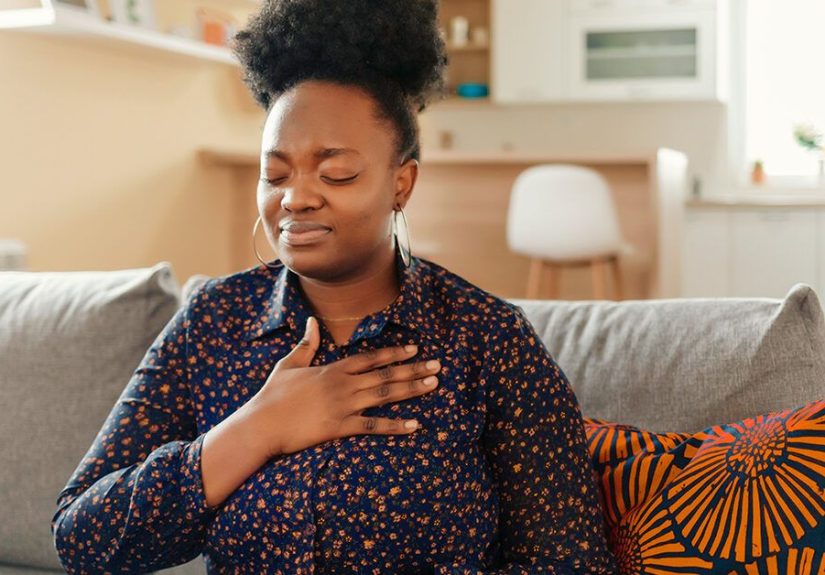
The tricky part is that anxiety can cause very real chest painbut so can heart, lung, digestive, and muscle issues.
This article will help you understand what anxiety-related chest pain can feel like, how it’s different (sometimes) from medical emergencies,
and what you can do in the moment and long term to manage it.
Important: If you have new, severe, or unexplained chest painor symptoms like shortness of breath, sweating, nausea,
fainting, or pain spreading to your jaw/arm/backseek emergency care. When it comes to chest pain, it’s better to be “overly cautious” than
“mysteriously brave.”
Why Anxiety Can Cause Chest Pain (Yes, Really)
Anxiety doesn’t live only in your thoughts. It sets off a whole-body alarm systemthe classic fight-or-flight response.
When your nervous system flips that switch, your body prepares to run from a bear… even if the “bear” is an unread email or an awkward social moment.
Common mechanisms behind anxiety chest pain
- Muscle tension: Stress can tighten the muscles of the chest wall, shoulders, neck, and upper back.
Tight muscles can ache, burn, or feel soreespecially after hours of “secretly” tensing without noticing. - Hyperventilation: Anxiety can make you breathe faster or shallower. That can cause chest tightness, dizziness, tingling,
and a “can’t get a deep breath” sensation. - Heart rate and adrenaline: A racing heart can feel like pounding, fluttering, or pressuresensations that are scary even when harmless.
- GI overlap (reflux/indigestion): Anxiety can worsen heartburn and stomach upset, which can also cause chest discomfort.
During a panic attack, the physical symptoms can be intensechest pain, shortness of breath, sweating, shaking, nausea, dizziness,
and a sense of doom. The irony is that the symptoms themselves often become the trigger: “My chest hurts → something is wrong → panic rises → chest hurts more.”
What Anxiety-Related Chest Pain Can Feel Like
Anxiety chest pain isn’t “fake” painit’s pain with a different source. People describe it in different ways, but common patterns include:
- Sharp or stabbing pain (sometimes localized to one spot)
- Tightness or pressure in the chest
- Burning sensation (which can overlap with reflux)
- Soreness that feels muscular (especially if pressing on the area makes it worse)
- Chest heaviness that comes with fast breathing or a racing heart
Anxiety chest pain may come on during stress, after a spike of worry, or seemingly “out of nowhere” (which is a signature move of panic).
It may improve as you calm down, change breathing patterns, or shift attentionthough not always instantly.
Anxiety Chest Pain vs. Heart-Related Chest Pain
Here’s the uncomfortable truth: you can’t reliably diagnose chest pain at home. Even clinicians don’t guessthey evaluate.
But understanding patterns can help you decide how urgently to seek care and what questions to ask.
Signs that can happen with both
- Chest discomfort (pressure, tightness, pain)
- Shortness of breath
- Sweating
- Nausea or stomach upset
- Dizziness or lightheadedness
- A feeling of dread (“something is very wrong”)
Clues that are more common in panic/anxiety
- Rapid onset with peak intensity within minutes (often linked with intense fear)
- Tingling or numbness in hands/face (often from hyperventilation)
- Chest pain that feels sharp and localized rather than diffuse pressure
- Symptoms that improve with calming strategies (slower breathing, grounding, reassurance)
Red flags: seek emergency care right away
Consider urgent evaluation if chest discomfort is new, severe, persistent, or paired with classic warning signs such as:
- Pressure, squeezing, fullness, or pain in the center of the chest that lasts or returns
- Pain spreading to the jaw, arm(s), back, neck, or stomach
- Shortness of breath (with or without chest discomfort)
- Cold sweat, nausea, fainting, or severe dizziness
If you’re thinking, “But what if I’m embarrassed and it’s just anxiety?”that’s a common thought, and it’s not a reason to delay care.
Medical teams would rather rule out something serious than miss it.
What to Expect If You Get Checked Out
If you go to urgent care or the ER with chest pain, clinicians typically focus on ruling out dangerous causes first.
Depending on your symptoms and risk factors, that may include an exam, an ECG/EKG, and sometimes blood tests and imaging.
If serious cardiac causes are ruled out, that can be reassuringand it can also be your “permission slip” to treat anxiety more directly,
instead of living in fear of every chest twinge.
In-the-Moment Relief: What to Do When Anxiety Triggers Chest Pain
If you’ve been medically evaluated before and were told your symptoms are anxiety-related (or you’re in a situation where emergency symptoms are not present),
these tools can help calm your body’s alarm system.
1) Reset your breathing (aim for slow, not perfect)
- Diaphragmatic breathing: Place a hand on your belly and breathe so your belly gently rises and falls.
Keep the inhale comfortable and the exhale a little longer. - Simple rhythm: Inhale 4 counts, exhale 6 counts, repeat for 2–5 minutes.
(If counting makes you more stressed, skip the counting. You have permission.)
2) Use grounding to pull your brain out of “catastrophe cinema”
Grounding techniques help you reconnect with the present moment so your mind stops treating sensations like a five-alarm fire.
One popular option:
- 5-4-3-2-1: Identify 5 things you see, 4 you can touch, 3 you hear, 2 you smell, and 1 you taste.
3) Relax the chest wall on purpose
- Drop your shoulders (seriouslycheck if they’re trying to become earrings).
- Unclench your jaw and loosen your tongue from the roof of your mouth.
- Try progressive muscle relaxation: tense then release muscle groups from feet to face.
4) Use “boring” self-talk (it works better than dramatic self-talk)
Anxiety loves big statements like “This is it.” Try calmer scripts:
- “My body is having a stress response. Uncomfortable, not necessarily dangerous.”
- “I can ride this out. My job is to slow down and breathe.”
- “I’m going to reassess in 10 minutes after I use my tools.”
5) Reduce stimulation
If you can, sit down, loosen tight clothing, sip water, and step away from caffeine or nicotine.
And yes, doom-scrolling “chest pain causes” is basically pouring gasoline on your nervous system.
Long-Term Management: How to Reduce Anxiety Chest Pain Over Time
Address the anxiety, not just the symptom
If anxiety is causing chest pain, you’ll get the best results by treating the anxiety itself.
For many people, that means a combination of therapy, skills practice, lifestyle changes, and sometimes medication.
1) Therapy (especially CBT)
Cognitive Behavioral Therapy (CBT) helps you notice anxiety-producing thoughts, test them, and build coping behaviors.
It can be especially helpful for panic symptoms because it teaches you to reinterpret body sensations and reduce avoidance.
2) Learn your patterns (the “anxiety dashboard” approach)
Track what’s going on when chest pain hits:
- What happened right before (stress, conflict, caffeine, poor sleep, skipped meals)?
- What did you think the sensation meant?
- What did you do next (Google, avoid activity, pace, breathe, call someone)?
- How long did it last, and what helped?
Over time, patterns show up. And when patterns show up, anxiety loses some of its spooky mystery.
3) Build a “nervous system routine”
- Movement: Regular activity can lower baseline stress and improve sleep.
- Sleep basics: A tired brain is basically an anxiety influencereverything feels urgent.
- Caffeine check: If your heart is already doing a drum solo, coffee can turn it into a full concert.
- News/social media breaks: Constant stress inputs keep your body on alert.
4) Medication (when appropriate)
Some people benefit from medicationoften alongside therapyespecially when anxiety is persistent, severe, or affecting daily life.
Options can include certain antidepressants (like SSRIs/SNRIs) that are commonly used as longer-term treatments for anxiety disorders.
Medication decisions should always be made with a licensed clinician who can consider your symptoms, age, medical history, and side effects.
5) Don’t accidentally train your anxiety
A common trap is “safety behaviors” that feel helpful but keep panic alivelike constantly checking your pulse, repeatedly seeking reassurance,
or avoiding all exercise because it raises your heart rate (which then makes a normal heart rate increase feel scarier later).
A therapist can help you reduce these behaviors safely and gradually.
How to Talk to a Clinician (and Actually Get Useful Answers)
If chest pain is recurring, talk to a healthcare professional. Consider bringing:
- A brief symptom timeline (when it happens, how long it lasts, what it feels like)
- Triggers (stress, caffeine, lack of sleep, exertion)
- What helps (breathing, rest, antacids, movement)
- Any associated symptoms (shortness of breath, palpitations, dizziness)
Helpful questions to ask:
- “What dangerous causes have we ruled out, and what should I watch for?”
- “Could reflux, muscle strain, or panic be contributing?”
- “What’s a plan for anxiety treatment if tests are normal?”
of Experiences: What Anxiety Chest Pain Looks Like in Real Life
Below are examples based on common patient-reported experiences and typical clinical patterns (details are blended and anonymized).
If you recognize yourself in these, you’re not aloneand you’re not “being dramatic.” Your body is reacting to stress in a body-ish way.
Experience 1: “It’s always at night, and it’s always scary.”
A lot of people notice anxiety chest pain when things finally get quietright at bedtime. During the day, you’re busy and distracted.
At night, your brain goes, “So… remember all those worries we postponed?” The chest tightness starts, then the mental spiral:
“Why is my chest tight? What if it’s my heart?” The fear ramps up, breathing gets faster, and suddenly the symptoms feel ten times worse.
The turning point for many is learning a routine: sit up, slow the exhale, ground with 5-4-3-2-1, and repeat a boring mantra like,
“This is my nervous system. I’m safe to breathe.” With practice, the fear-to-symptom loop loses power.
Experience 2: “It happens after coffee… and also after scrolling.”
Some people connect the dots between stimulants and symptoms. Coffee, energy drinks, pre-workout, nicotine, and even certain cold medicines
can increase heart rate and jitterinesssensations that mimic panic. Add a stressful TikTok rabbit hole or alarming headlines, and your body
is basically marinating in adrenaline. A small changeswitching to half-caff, drinking more water, eating breakfast, and taking news breaks
can noticeably reduce “random” chest discomfort.
Experience 3: “Exercise triggers it, so I stopped working out.”
This one is common: your heart rate rises during exercise (normal), but your brain interprets it as danger (not helpful).
People may quit activity and feel temporarily saferuntil walking up stairs becomes scary. With guidance, gradual exposure can help:
short walks, then slightly brisker walks, then gentle intervals. The goal isn’t to “push through panic” aggressively;
it’s to retrain your brain to accept normal sensations without sounding the alarm.
Experience 4: “I went to the ER and felt embarrassed.”
Many people feel ashamed when tests come back normal. But a normal cardiac workup is not “wasted.” It’s information.
It helps rule out dangerous causes and clears the path for anxiety treatment. People often say the most helpful moment was a clinician explaining,
kindly and clearly, that panic symptoms can mimic heart problemsand that it’s appropriate to get checked when you’re unsure.
The next step is using that reassurance to build a plan (therapy, coping skills, lifestyle, follow-up).
Experience 5: “My chest pain is real, but my fear is doing the amplifying.”
One of the most empowering realizations is that sensations and interpretations are different. Chest tightness might start at a 3/10.
Catastrophic thoughts can crank it to a 9/10. People who improve often learn to respond earlybefore panic peaks:
slow breathing, loosen muscles, label the feeling (“stress response”), and do one grounding task. Over time, the body learns:
“We don’t need the bear siren for this.”
Conclusion
Anxiety can cause chest pain through muscle tension, breathing changes, adrenaline, and stress-body feedback loops.
The symptoms can feel frighteningsometimes identical to medical problemsso it’s crucial to seek urgent care for new, severe,
or concerning chest pain. If anxiety is the cause, the good news is there are effective strategies:
in-the-moment tools like slow breathing and grounding, and longer-term solutions like CBT, lifestyle adjustments, and (when needed) medication.
Your chest doesn’t have to be the stage for your nervous system’s worst improv show.