Table of Contents >> Show >> Hide
- What counts as an “energy drink,” anyway?
- Why kids reach for energy drinks (and why it’s so understandable)
- What do medical and public-health experts say?
- Why energy drinks are riskier for kids than adults
- 1) Kids are smaller, and “dose” matters
- 2) Sleep is not optional for kidsenergy drinks can wreck it
- 3) Anxiety, irritability, and “why are we yelling?”
- 4) Heart and blood pressure effects are a real concern
- 5) “Extra ingredients” don’t automatically make it safer
- 6) Sugar is its own problem (even if caffeine is the headline)
- How much caffeine is “too much” for kids?
- Energy drinks vs. sports drinks: not the same thing
- Red flags your child has had too much caffeine
- What the data says: poison centers are hearing about this more
- So what should kids drink instead?
- Practical parent strategy: how to handle energy drinks without a daily argument
- The bottom line: are energy drinks for kids a good idea?
- Real-World Experiences: What Families and Clinicians Commonly See (and What Helps)
- Experience #1: The “I’m just tired” middle-schooler
- Experience #2: The teen athlete who mixes up sports drinks and energy drinks
- Experience #3: The “study fuel” cycle during exams
- Experience #4: The accidental exposure problem (the younger sibling situation)
- Experience #5: The child with anxiety or ADHD symptoms who reacts strongly
- A final experience-based takeaway
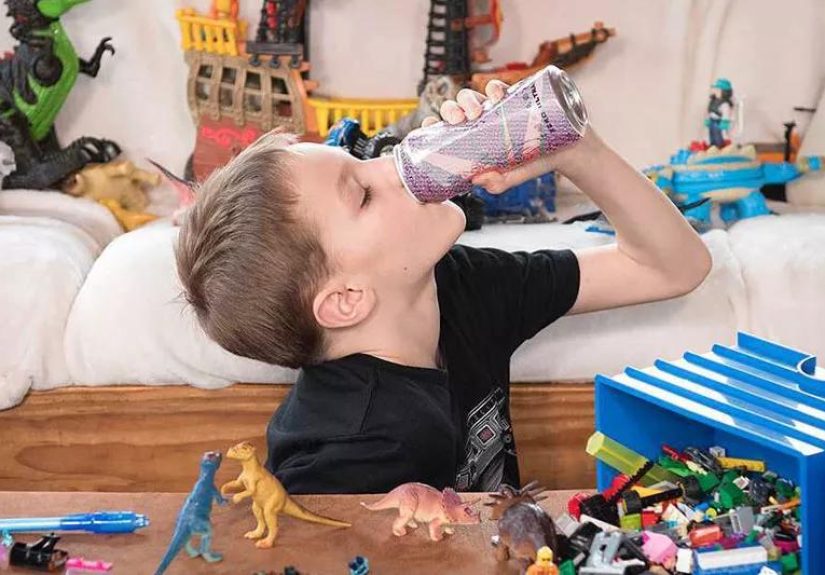
Energy drinks are basically the beverage version of yelling “LET’S GOOO!”in a can. They promise quick energy, sharper focus,
and “extreme” everything. For adults, that’s already a mixed bag. For kids and teens (whose brains, bodies, sleep cycles, and
impulse control are still under construction), it’s a much bigger deal.
So, are energy drinks for kids a good idea? In most cases, no. Major pediatric and public-health groups consistently advise
that children and adolescents should avoid energy drinks because of their stimulant content (especially caffeine), plus the
added sugar and other ingredients that can pile on unwanted effects. And real-world datalike poison-center trendssuggests
the “oops, that was too much” scenario is happening more often than many parents realize.
What counts as an “energy drink,” anyway?
An energy drink is typically a beverage marketed for energy and alertness and may contain:
- Caffeine (sometimes very high amounts)
- Other stimulants like guarana (which can add more caffeine), yerba mate, or similar
- Amino acids like taurine
- Herbal blends (ginseng, etc.)
- High sugar (though “zero sugar” versions can still be stimulant-heavy)
- B vitamins and other add-ins that sound healthy, even when they’re not the main issue
The tricky part: “Natural caffeine” is still caffeine. And some products list caffeine clearly, while others make it easier to miss
by emphasizing “energy blend” language or using multiple stimulant sources.
Why kids reach for energy drinks (and why it’s so understandable)
Kids don’t wake up plotting to stress their parents out. Most of the time, energy drinks happen for normal reasons:
- They’re tired (late homework, early school, sports practice, scrolling at 1 a.m.pick your fighter).
- They want to perform (games, tests, workouts).
- They see marketing everywhere (bright cans, “gamer” vibes, influencer hype, convenience-store placement).
- They confuse them with sports drinks (very common, and the labels don’t always help).
The goalmore energyis reasonable. The methodhigh-stimulant drinksis the part that’s questionable.
What do medical and public-health experts say?
The strongest, most consistent message from pediatric-focused organizations is simple: energy drinks and kids don’t mix.
The American Academy of Pediatrics (AAP) has stated that caffeine and other stimulants in energy drinks have no place in the diets of
children and adolescents, and its clinical guidance has long distinguished energy drinks from sports drinks and highlighted the risks of misuse.
The CDC also emphasizes that energy drinks can be harmful for children and teens and points back to pediatric guidance warning against
energy drinks for youth. The FDA similarly warns that too much caffeine can cause issues like increased heart rate, palpitations, high blood
pressure, anxiety, sleep problems, and moreeffects that can hit kids and teens especially hard.
In 2025, an expert panel convened by Healthy Eating Research (with participation from major health and dental organizations) released beverage
recommendations for ages 5–18 that advise avoiding beverages with caffeine or other stimulants as part of a healthy routine.
Why energy drinks are riskier for kids than adults
1) Kids are smaller, and “dose” matters
Caffeine doesn’t land the same way in a 90-pound middle schooler as it does in a 190-pound adult. Smaller bodies can experience stronger effects
with lower amounts. And tolerance matters, toomany kids haven’t built up caffeine tolerance (which is not a life goal, by the way).
2) Sleep is not optional for kidsenergy drinks can wreck it
One of the most common problems with caffeine is sleep disruption. That matters for everyone, but especially for kids and teens who need sleep
for growth, mood regulation, learning, and mental health. The irony is brutal: a teen drinks an energy drink because they’re exhausted, then
sleeps worse, then needs another energy drink. Congratulations, you’ve discovered the Caffeinated Doom Carousel.
3) Anxiety, irritability, and “why are we yelling?”
Caffeine stimulates the nervous system. In some kidsespecially those prone to anxietythis can show up as restlessness, jitteriness, racing thoughts,
irritability, or mood swings. Some clinical resources for families also warn that caffeine can worsen anxiety and disrupt emotional regulation in youth.
4) Heart and blood pressure effects are a real concern
High caffeine intake can raise heart rate and blood pressure, and energy drinks have been associated with palpitations and abnormal heart rhythms in
susceptible individuals. Cardiovascular researchers and heart-health organizations have highlighted that energy drinks can affect heart electrical activity
and blood pressureespecially when consumed quickly or in large amounts.
5) “Extra ingredients” don’t automatically make it safer
Taurine, herbal blends, and “proprietary energy matrices” may sound like advanced science, but for many combinations, we simply don’t have strong,
kid-specific safety dataespecially for frequent use. Even if a single ingredient looks harmless alone, combinations plus high caffeine can intensify
effects for some people.
6) Sugar is its own problem (even if caffeine is the headline)
Many energy drinks are high in added sugar. That can contribute to dental issues and excess calorie intake, and it can create a quick spike-and-crash
feeling that encourages more snacking or another drink. “Zero sugar” versions remove that piece, but they don’t solve the stimulant issue.
How much caffeine is “too much” for kids?
Here’s the honest answer: there isn’t a universally agreed-upon “safe” caffeine threshold for all children, because age, body size, medical history,
medications, and sensitivity vary widely. That’s one reason pediatric guidance takes a conservative stanceespecially on energy drinks, which can pack
caffeine in a fast, easy-to-chug format.
Some youth-focused clinical resources advise that children under 12 should avoid caffeine and that adolescents should keep caffeine low (often cited around
100 mg/day as a cautious ceiling in some guidance). But energy drinks can blow past that quicklysometimes in a single can, and sometimes even faster when
a “serving” is half the container and nobody reads that part.
Energy drinks vs. sports drinks: not the same thing
This mix-up causes a lot of trouble. Sports drinks are designed (at least in theory) to replace fluids and electrolytes during prolonged, intense activity.
Energy drinks are designed to stimulate alertness. If your kid is sweaty after practice, the solution is typically waterand occasionally a sports drink for
specific athletic scenariosnot a caffeinated “energy” beverage.
Pediatric sports medicine guidance has emphasized that these products should not be used interchangeably and that energy drinks are not appropriate for
children and adolescents.
Red flags your child has had too much caffeine
If a child or teen has an energy drink (or multiple caffeinated products) and you notice any of the following, take it seriously:
- Rapid heartbeat, palpitations, chest discomfort
- Shaking, tremors, intense restlessness
- Severe anxiety, panic-like symptoms
- Nausea, vomiting, stomach pain
- Confusion or unusual behavior
- Severe headache
- In extreme cases: fainting or seizures
If you’re worried about caffeine toxicity or a child accidentally consumed a highly caffeinated product, contact your pediatrician or call Poison Help
(in the U.S., the Poison Control number is widely promoted as 1-800-222-1222). Poison-control organizations have specifically raised alarms about pediatric
exposures to energy drinks.
What the data says: poison centers are hearing about this more
This isn’t just theoretical. Research using U.S. poison-center data has examined pediatric exposures to caffeine “energy” products across multiple years,
and pediatric hospitals have highlighted increasing exposure rates in recent years. America’s Poison Centers has also issued alerts and guidance for families
about youth energy drink exposures, including prevention steps like keeping these drinks out of reach and teaching kids how to spot caffeine on labels.
Translation: kids are getting into these drinkssometimes intentionally, sometimes accidentallyand the outcomes are serious enough to generate calls for help.
So what should kids drink instead?
If the goal is energy, focus on what actually creates energy in a growing body: sleep, nutrition, hydration, and movement. That may sound less exciting than
a neon can, but it works better and doesn’t come with a side of jitters.
Better options for everyday hydration
- Water (yes, the boring MVP)
- Plain milk (if tolerated and appropriate for the child)
- Limited 100% juice (in age-appropriate amounts)
These line up with the 2025 beverage recommendations for school-aged children and teens that prioritize water and plain milk while discouraging stimulant-containing
beverages.
Better options for a “boost” without the chaos
- A snack with protein + carbs (like yogurt with fruit, peanut butter on toast, cheese and crackers)
- A short walk outside (light + movement can increase alertness)
- A 15–25 minute power nap (for teens, when feasible)
- Earlier bedtime (the least popular option, and often the most effective)
Practical parent strategy: how to handle energy drinks without a daily argument
1) Start with curiosity, not a courtroom drama
Ask: “What made you want it?” If it’s fatigue, that’s a solvable problem. If it’s peer pressure, that’s a coaching moment. If it’s taste, you can find
alternatives that don’t come with 200 mg of caffeine.
2) Teach label reading like it’s a life skill (because it is)
Show them where caffeine is listed. Explain that guarana often means extra caffeine. Point out serving sizes. This helps teens make smarter choices when
you’re not standing next to the refrigerator like a hydration bouncer.
3) Watch for “stacking” caffeine
A coffee in the morning, a soda at lunch, chocolate after school, then an energy drink before practice can add up fast. The problem is often the total
daily caffeine load, not just the one can.
4) Consider extra caution for certain kids
If your child has anxiety, sleep disorders, heart conditions, or takes certain medications (including some ADHD meds), caffeine can hit harder or create
more problems. This is a great place to ask your pediatrician what’s appropriate for your child specifically.
The bottom line: are energy drinks for kids a good idea?
For most kids and teens, energy drinks are not a good idea. They can disrupt sleep, increase anxiety and irritability, raise heart rate and
blood pressure, andin some casescontribute to serious symptoms that require medical attention. Public-health agencies and pediatric organizations routinely
advise that children and adolescents should avoid energy drinks.
If your teen is asking for energy drinks, treat it as useful information: they’re tired, stressed, overscheduled, or chasing performance. Address the root
cause with sleep, food, hydration, and realistic routines. That’s the kind of “energy plan” that doesn’t come in a canand doesn’t turn bedtime into a
nightly hostage negotiation.
Real-World Experiences: What Families and Clinicians Commonly See (and What Helps)
I can’t try energy drinks in a kid’s body (and nobody should), but we can learn from the patterns families, school nurses, pediatricians, and poison
centers describe again and again. Think of the following as a set of realistic, composite “what tends to happen” storiesbased on common scenarios reported
in clinics and schoolsplus the practical fixes that usually work better than a simple “because I said so.”
Experience #1: The “I’m just tired” middle-schooler
A parent finds an empty can in a backpack and assumes rebellion. The kid insists it was “just once” because they were exhausted. After a few questions,
the real picture shows up: homework took longer than expected, bedtime drifted later, and the morning started too early. The energy drink was a shortcut
to get through a day that already felt like a marathon.
What helps: shifting the conversation from “You did a bad thing” to “You need more sleep.” Many families have success with a simple experiment:
move bedtime earlier by 20–30 minutes for a week, tighten the screen cutoff, and add a filling afternoon snack (protein + carbs). The “need” for energy drinks
often drops when the basic energy systemsleep and foodisn’t running on fumes.
Experience #2: The teen athlete who mixes up sports drinks and energy drinks
This one is extremely common: a teen sees “performance” branding and assumes it’s for practice. They grab an energy drink before a game, then feel shaky,
nauseated, or strangely short-tempered. Sometimes they blame nerves. Sometimes they “push through,” then crash hard afterward and can’t sleep.
What helps: a two-minute education session: sports drinks (sometimes) replace fluids/electrolytes after prolonged intense activity; energy drinks
stimulate the nervous system. Coaches and parents who keep cold water available and normalize simple hydration often see fewer “mystery jitters” before games.
Families also do well setting a clear rule: if it has caffeine, it’s not a practice drink.
Experience #3: The “study fuel” cycle during exams
A high schooler uses energy drinks to power late-night study sessions, then wakes up groggy, repeats the habit, and ends up sleeping poorly for days. The result
can be worse focus, more anxiety, and a feeling of being “wired but tired.” Parents often describe it as a mood roller coaster: intense productivity for an hour,
then irritability, then a crash, then insomnia.
What helps: building a study plan that respects how brains actually learn. Shorter study blocks (like 25–30 minutes), breaks with movement, and
consistent sleep do more for memory than last-minute caffeine surges. Some families swap the “night-before” strategy for a “two-days-before” strategy and add
a rule: no caffeine after early afternoon. Teens often resist at firstthen notice they feel calmer and test performance improves.
Experience #4: The accidental exposure problem (the younger sibling situation)
Not every energy drink incident is intentional. Many families keep energy drinks in the fridge for adults, and a younger child grabs one thinking it’s a sweet
soda. Later, the child seems unusually hyper, complains of a headache or stomachache, can’t settle down, and won’t sleep.
What helps: treating energy drinks like you’d treat anything not meant for kids: store them out of reach, don’t keep them in the “kid-access”
zone, and use a very clear family label: “Adults only.” Some parents also switch to less kid-appealing packaging for their own caffeine (like plain coffee
or tea at home) so the bright can isn’t even part of the environment.
Experience #5: The child with anxiety or ADHD symptoms who reacts strongly
Some kids are more caffeine-sensitive than others. Families sometimes notice that even one caffeinated drink can increase anxiety, agitation, or sleep trouble.
In kids already dealing with attention challenges or anxious feelings, caffeine can make it harder to self-regulate.
What helps: tracking patterns without blame. Parents who keep a simple “food/drink + mood + sleep” note for a week often spot a strong correlation.
Then the conversation becomes objective: “When you have caffeine, you sleep worse and feel more on edge. Let’s protect your sleep and see if you feel better.”
If medication is involved, families often bring the question to the pediatrician to get personalized guidance.
A final experience-based takeaway
In many households, energy drinks aren’t really about the drink. They’re a signal that something else needs attention: sleep debt, packed schedules, stress,
performance pressure, or a misunderstanding of what “hydration” means. When families address the underlying causeand make the home environment support better
defaultsenergy drinks usually stop looking like a solution and start looking like what they are: a risky shortcut.