Table of Contents >> Show >> Hide
- Who Is Axel Vervoordt, Exactly?
- What Wabi (and Wabi-Sabi) Really Mean
- Inside the Book: What Makes “Wabi Inspirations” Special
- Iconic Examples of Vervoordt’s Wabi World
- Key Design Themes in “Wabi Inspirations”
- How to Bring “Wabi Inspirations” into Your Own Home
- Why “Wabi Inspirations” Still Matters Now
- Living the Philosophy: Experiential Wabi Inspirations
- Conclusion
Some coffee table books are pretty to flip through once, then quietly retire to dust-collecting duty.
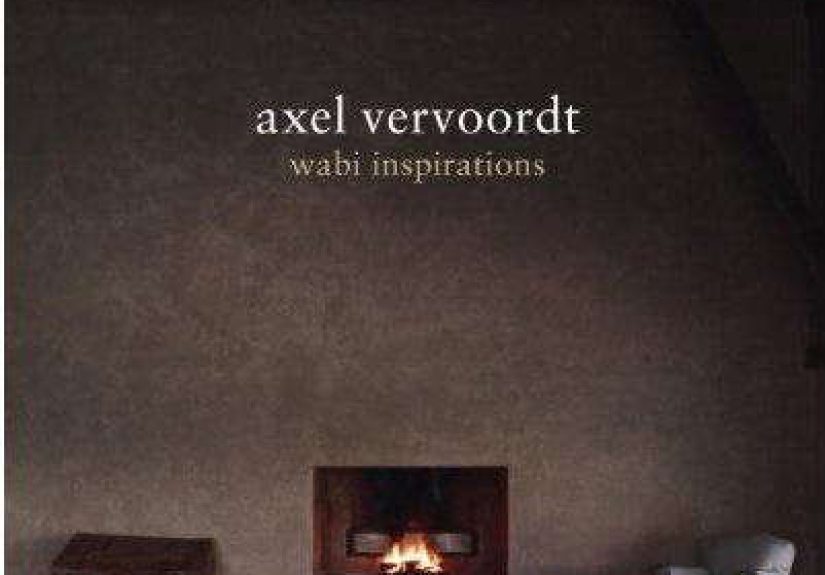
Axel Vervoordt: Wabi Inspirations is not that book. It’s more like a quiet design mentor sitting on your table,
gently suggesting you remove half your stuff, dim the lights, and let that crack in the plaster be the star of the show.
Created by Belgian designer, art dealer, and legendary collector Axel Vervoordt, this volume explores how the Japanese
philosophy of wabi (often folded into wabi-sabi) translates into real homesfrom rustic farmhouses and monastic lofts to
serene hotel penthouses. The result is a visual and philosophical guide to interiors that are simple, soulful, and
wonderfully imperfect.
Who Is Axel Vervoordt, Exactly?
If you’ve ever saved a photo of a weathered plaster wall, a linen sofa, and a low wooden table and thought,
“I want my whole life to look like this,” there’s a decent chance Axel Vervoordt was behind it.
Based in Belgium, Vervoordt built his career as an antiquaire and gallerist, curating art and objects with a focus on
patina, history, and emotional resonance. Over the decades, his interior design work evolved into a full-blown global
empire, spanning private homes, galleries, and hospitality projects.
He’s especially admired for his wabi-sabi inspired interiorsspaces that feel calm, spare, and grounded, yet never cold
or minimal in a sterile way. Rough-hewn wood beams, pale plaster walls, lived-in linen, and timeworn objects all show up
in his projects, often arranged with almost meditative care. Architectural Digest has highlighted his work as a defining
force in today’s minimalist-meets-artisanal aesthetic, particularly in projects near his own Castle of ’s-Gravenwezel in
the Belgian countryside.
What Wabi (and Wabi-Sabi) Really Mean
Wabi and sabi come from an ancient Japanese aesthetic philosophy. The terms are often combined as “wabi-sabi,” but in
Vervoordt’s work the emphasis is frequently on wabia concept rooted in rustic simplicity, humility, and the
rejection of anything artificial or excessive.
The Origins of Wabi
Developed around the 12th century, wabi is closely linked with Zen Buddhism and the Japanese tea ceremony. It values:
- Simplicity and humility – choosing the essential over the ornate.
- Natural materials – clay, wood, stone, paper, linen.
- Imperfection – asymmetry, patina, weathering, and handmade irregularities.
- Silence and emptiness – space to breathe, pause, and reflect.
In interiors, wabi-sabi has been translated as “perfectly imperfect”rooms that don’t fuss over flawless finishes, but
feel deeply human and lived-in. Designers and educators in the U.S. have embraced it as an antidote to trend-driven,
overly polished decor, emphasizing authenticity, natural materials, and emotional comfort.
Inside the Book: What Makes “Wabi Inspirations” Special
Published by Flammarion in 2010, Axel Vervoordt: Wabi Inspirations is a 256-page deep dive into this philosophy
as translated through Vervoordt’s own work and eye. The book features essays by Michael Paul and contributions from
architect Tatsuro Miki, one of Vervoordt’s long-time collaborators, with atmospheric photography by Laziz Hamani.
From Japan and Korea to Belgium and Switzerland
Rather than focusing on a single project, the book travelsfrom traditional structures in Japan and Korea to homes in
Belgium and Switzerland. Each space demonstrates how wabi can adapt across cultures while keeping its core values:
simplicity, nature, and time. Rizzoli and other booksellers describe the imagery as a tour of interiors shaped by
natural light, raw materials, and objects that show their age with grace.
You’ll see:
- Rooms where a single ceramic bowl on a rough wooden table becomes the focal point.
- Floors and beams that clearly have lived a previous lifesalvaged, repurposed, and allowed to keep their scars.
- Bare walls in soft earth tones, textured by lime or clay plaster, catching low, slanting light.
Spaces That Feel Like Haiku
The photographs evoke a quiet, almost haiku-like mood. It’s not about “style” in the trend sense; it’s about atmosphere.
The rooms appear spare at first glance, but the longer you look, the more you noticesubtle color shifts in the plaster,
a hairline crack in a vessel, the way a window frames a lone tree in the distance.
Vervoordt himself often talks about “distilling beauty to its purest form,” and that idea runs through the book: remove
the visual noise until what’s left feels almost inevitable.
Iconic Examples of Vervoordt’s Wabi World
The Greenwich Hotel Penthouse, New York City
One of the most famous real-world expressions of these ideas is the penthouse and spa at The Greenwich Hotel in lower
Manhattan. Designed with the wabi principle that “beauty is found in imperfection and authenticity,” the penthouse uses
reclaimed wood, stone, and humble materials treated as if they were priceless art.
The layout is intentionally slow and contemplativemore sanctuary than showpiece. Rooms open to gardens and terraces;
the textures of aged beams, hand-troweled walls, and linen-covered seating create a quiet, cocoon-like atmosphere even in
the middle of New York City. Design journalists often describe it as the definition of wabi-sabi in a hospitality space.
A Poetic Home in the Belgian Countryside
In a more recent residential project near his own castle in Belgium, Vervoordtagain working with Tatsuro Mikirenovated
a 19th-century gardener’s house and added a barn-like structure. The home uses hemp, clay walls, salvaged wood beams from
old Dutch barns, and natural plasters in quiet shades of blue and green that reflect the sky and surrounding landscape.
The result is deeply wabi: nothing shiny, nothing shouty, everything tuned to comfort and calm. The clients describe
arriving home to a “zen feeling” and a sense of spiritual balanceexactly the emotional response Vervoordt is known for
creating.
Key Design Themes in “Wabi Inspirations”
1. Natural Materials with Visible Life
Wabi interiors lean heavily on organic materialsstone, raw or reclaimed wood, linen, clay, paper, wool. In the book’s
photographs, tabletops are scratched, beams are knotted, and floors look like they’ve hosted a century of footsteps.
These marks aren’t defects; they’re the whole point. Wabi sees time as a collaborator, not an enemy.
2. Muted, Earthy Color Palettes
Forget neon accent walls. Vervoordt’s spaces live in a palette of soft whites, mushroom grays, clay browns, warm
charcoals, and the palest hints of blue and green. These colors echo stone, earth, weathered wood, and sky. Contemporary
guides to wabi-sabi interiors recommend exactly that: natural neutrals with gentle shifts in tone, occasionally
deepened by a single dark or inky accent.
3. Emptiness as a Design Tool
One thing that stands out in Wabi Inspirations is how much “nothing” there is. Long stretches of bare floor,
uncluttered walls, a single piece of furniture holding an entire wall. In Western design, people often panic when a room
isn’t “filled”; Vervoordt leans into the gaps. That empty space is where you feel the calm.
4. Objects with Soul, Not Just Style
The book shows plenty of art and objects, but rarely anything that feels trendy or disposable. Instead, there are
ceramics with rough glazes, worn baskets, abstract paintings, sculpture, and antique furniture whose age is obvious.
Many wabi-sabi guides suggest thinking of each object as a small storyand curating your home like a collection of
meaningful narratives, not just “decor.”
How to Bring “Wabi Inspirations” into Your Own Home
You don’t need a castle in Belgium or a penthouse in Tribeca to borrow from Vervoordt’s wabi playbook. Start small and
think in layers: material, light, emptiness, and meaning.
1. Declutter with Kindness
Wabi interiors aren’t harshly minimalist; they’re edited with compassion. Instead of tossing everything, ask:
“Does this object bring quiet joy or just visual noise?” Keep what feels honest and let the rest gowith gratitude and,
if necessary, a deep breath.
2. Choose Honest Materials
When you have a choice, opt for materials that feel close to nature:
- Wood with visible grain instead of heavy synthetic veneers.
- Linen or cotton instead of shiny high-sheen polyester.
- Ceramic, clay, or stone accessories instead of plastic decor.
Imperfections like knots, color variation, and hairline cracks are not flaws to be hiddenthey’re visual proof that the
material has a life of its own.
3. Soften the Light
Study the photography in Wabi Inspirations and you’ll notice the light is always softindirect, filtered, or
bouncing off plaster and stone. At home, you can channel this by using paper lanterns, fabric shades, sheer wabi-style
curtains, and multiple small lamps instead of a single overhead spotlight. Warm-toned bulbs go a long way here.
4. Leave Some Surfaces Bare
Try a radical experiment: clear off a console or coffee table and put only one or two beloved items back. Maybe a simple
vase with a single branch, or a favorite bowl. Live with that emptiness for a week; notice how it feels when you walk
into the room. That sense of “aaah” is precisely what Vervoordt is after.
5. Think in Moments, Not Just Rooms
Wabi design isn’t just about how something looks in a photo. It’s about how it feels to inhabit a space over time. Add a
chair by a window that gets morning light, with a small table for tea. Place a cushion on the floor where you like to
stretch or meditate. These tiny “moments” build a home that supports how you actually live, not just how your home
performs on social media.
Why “Wabi Inspirations” Still Matters Now
Design trends come and goremember millennial pink everything?but the ideas in Axel Vervoordt: Wabi Inspirations
age very differently. In a world of constant notifications, fast furniture, and overstuffed closets, the suggestion to do
less, buy less, and notice more feels surprisingly radical.
Wabi-inspired interiors naturally align with sustainability: salvaged beams, reclaimed wood, long-lasting materials,
and fewer, better objects. Vervoordt’s projects demonstrate that a home can be both eco-conscious and deeply luxurious,
not in a shiny way, but in a “my nervous system just relaxed” way.
Ultimately, this book is less about copying a “look” and more about learning to seelight, time, texture, and the quiet
beauty of things that will never be perfect, but can be profoundly right.
Living the Philosophy: Experiential Wabi Inspirations
To really understand why Vervoordt’s work resonates, it helps to imagine the lived experience inside a wabi-inspired
home. The book hints at these sensory details; let’s bring them into sharper focus with a few everyday scenes.
Morning Light on a Bare Table
Picture an early winter morning. The house is quiet, and the sun is barely up. Instead of a cluttered kitchen island
filled with mail and chargers, you have a simple wood table, its surface marked with years of use. A handmade ceramic
mug leaves a faint ring of coffee as you set it down. The grain of the wood catches the low light; a small chip in the
mug’s rim has been smoothed by time and use.
Nothing about this moment is “perfect” in the showroom sense, but it feels grounded. The table doesn’t demand attention;
it supports your life. This is the essence of wabi-livingobjects as companions in daily rituals, not props for
performance.
A Wabi Corner in a City Apartment
Even if you live in a tiny apartment with a view of fire escapes instead of rice fields, you can still borrow from
Vervoordt’s world. Clear one corner of the living room. Add a low chair or floor cushion, a small side table, and one
lamp with a soft, warm bulb. On the wall, hang a single artworkmaybe a photograph with lots of negative space or an
abstract painting that feels quiet rather than loud.
Keep this corner intentionally analog: no chargers, no laptops, no TV remote. This becomes your reading spot, your
journaling nook, your five-minutes-of-doing-nothing zone. Over time, the cushion compresses slightly, the table shows a
faint coffee stain, the page edges of your favorite book ripple. Those changes mean the space is working exactly as
intended.
Entertaining, Wabi-Style
Now imagine inviting friends over. Instead of a table loaded with ornate centerpieces and perfectly matching serveware,
you layer simple elements: a linen runner that’s a little wrinkled, mismatched ceramic plates, a big wooden board piled
with bread, olives, and seasonal produce.
The lighting is dimmer than typical overhead brightness; candles flicker in roughly glazed holders. People linger longer,
talk softer, instinctively lower their phones. The room doesn’t shout “look at me”it quietly whispers, “stay a while.”
That’s the hospitality side of wabi: making guests feel relaxed, not impressed.
Learning to Love Patina
A wabi life also means unlearning the urge to constantly refresh and replace. The book’s interiors show beams older than
anyone in the room, tiles salvaged from old barns, and furniture that’s been reupholstered instead of retired. You can
echo this in small ways: repair a favorite chair instead of buying a new one, keep a slightly cracked bowl as a fruit
dish, or live with a limewashed wall whose color isn’t perfectly uniform.
Over years, your home records your life in tiny marks and shifts. Instead of trying to erase them, you start to see them
as your version of what Vervoordt celebrates: time as the ultimate designer.
Everyday Mindfulness Without the Yoga Studio
Finally, wabi-inspired living turns mundane tasks into opportunities for presence. Washing dishes in a deep stone sink,
folding soft, slightly faded linens, opening a wooden window that sticks just a bit in humid weathereach action invites
you to engage with texture, weight, and sound.
The beauty of Axel Vervoordt: Wabi Inspirations is that it doesn’t just show you rooms to envy; it offers a
blueprint for this kind of quietly attentive life. You might start with a single ceramic vase or a cleared-off shelf,
but the deeper shift is psychological: accepting imperfection, valuing calm, and choosing things that age with you.
In that sense, the book earns its place on your coffee table not as decor, but as a long-term companionone that, like a
favorite piece of pottery, becomes more meaningful the more time you spend with it.
Conclusion
Axel Vervoordt: Wabi Inspirations is more than a portfolio of beautiful interiors. It’s a meditation on how to
live with fewer things but richer experiences; with quieter rooms but stronger emotional resonance. By embracing the
wabi ideals of simplicity, authenticity, and time-worn beauty, Vervoordt shows that interior design can move beyond
trend-chasing and into something closer to a spiritual practice.
Whether you’re designing a country retreat, refreshing a one-bedroom apartment, or just rethinking your coffee table,
this book offers an enduring source of calm, tactile inspirationand a gentle reminder that imperfect can be exactly
right.
Sources: