Table of Contents >> Show >> Hide
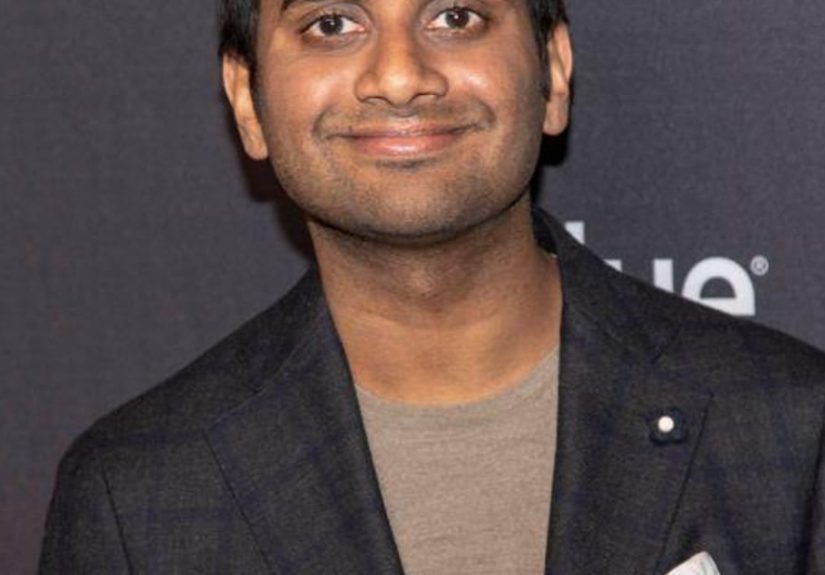
Aziz Ansari’s career has had more plot twists than one of his own Master of None episodes: early stand-up hustle, sitcom breakout, prestige Netflix darling, a very public reckoning, quiet rebuilding, and now a full-on movie director era.
If you’re trying to figure out where he currently sits in the comedy universe – and which of his projects are must-watch versus “only if you’re folding laundry” – this guide ranks his most important work and offers some blunt, good-faith opinions along the way. Think of it as a nerdy power ranking of all things Aziz: shows, specials, books, and the post-controversy comeback tour.
Who Is Aziz Ansari in 2025, Exactly?
Aziz Ansari is an American comedian, actor, writer, and director born in Columbia, South Carolina, in 1983. He started doing stand-up in New York while at NYU, then moved into sketch comedy with MTV’s Human Giant before landing his breakout role as aspirational entrepreneur Tom Haverford on NBC’s Parks and Recreation.
From there, he co-created and starred in Netflix’s Master of None, a half-hour dramedy that blended romance, immigrant-family stories, and questions about identity, racism, and modern dating. The show won multiple Emmys and a Golden Globe, making Ansari one of the first Asian American actors to win a Golden Globe for television acting.
In the mid-to-late 2010s, his stand-up specials and his book Modern Romance turned him into a kind of pop-culture anthropologist of millennial relationships. Then a 2018 sexual misconduct allegation dramatically altered how audiences interpreted both his work and his persona. He addressed it most directly in his 2019 Netflix special Right Now, and he has continued to perform, tour, and create since, including the 2022 special Nightclub Comedian and his 2025 feature film Good Fortune.
Ranking Aziz Ansari’s Signature Projects
Rather than ranking every cameo and late-night set, let’s focus on the projects that define his career and shape public opinion about him.
1. Master of None – The Career-Defining Statement
If you watch only one Aziz Ansari project, it should be Master of None. The series, co-created with Alan Yang, follows Dev, a working actor in New York (and later Italy and London), navigating dating, work, and family expectations. Critics praised the show for its cinematic style, willingness to slow down, and thoughtful episodes about racism, immigration, aging parents, and queer identity.
Episodes like “Parents,” “Indians on TV,” and “Thanksgiving” are often singled out as modern TV classics. They take familiar sitcom beats – awkward dinner, career mishap, messy relationship – and stretch them into something almost essayistic. You can feel Ansari and Yang using the Netflix freedom to say, “Okay, but what if we actually sit with this topic for 30 minutes?”
From a rankings standpoint, this is #1 because:
- It shows Ansari not just as a performer, but as a writer and storyteller.
- It pushed conversations about representation and immigration into mainstream comedy TV.
- It’s the project most likely to still be discussed 10–15 years from now.
Even critics who have cooled on Ansari personally still tend to acknowledge Master of None as his most substantial work.
2. Tom Haverford in Parks and Recreation – The Breakout Role
Before Dev Shah, there was Tom Haverford: the ideas guy with a terrible business plan and an even worse sense of what the word “mogul” means. On Parks and Recreation, Ansari carved out a specific lane – vain, hustling, chaotic, but somehow still charming. His one-liners (“Treat yo’ self”) helped cement the show’s meme-ready legacy.
Why is Tom ranked second?
- It’s the role that made him a household name in the U.S.
- The character shows his timing, energy, and ability to steal scenes even in a stacked ensemble cast.
- Parks fans who don’t follow stand-up still know and quote him.
Tom is a “high-impact, low-responsibility” role: he doesn’t carry the show, but he upgrades almost every scene he’s in. If Master of None is the thesis, Tom is the calling card.
3. The Stand-Up Specials – A Mini Ranking
Ansari’s stand-up has evolved from hyperactive, pop-culture-obsessed bits to more introspective material about aging, fame, and regret. Depending on your taste, you might prefer one era over another, but taken together, the specials trace a clear arc.
3.1 Right Now (2019)
Right Now, directed by Spike Jonze, is arguably his most important special, though not his funniest. Filmed in an intimate setting, it addresses the misconduct allegation early on and then shifts into material about his family, race, and the shifting line of what’s “acceptable.” Critics called it vulnerable and uneasy in equal measure – a mix of apology-adjacent reflection and carefully curated contrition.
As a piece of comedy, it’s solid; as a cultural artifact, it’s essential to understanding how he tried to move forward. In a rankings sense, it sits high because of its weight, not just its jokes.
3.2 Buried Alive (2013) and Live at Madison Square Garden (2015)
These are the “big stadium energy” specials, full of riffs about marriage, adulthood, and absurd everyday behavior. They capture peak-2010s Aziz: confident, manic, obsessed with how people communicate, and fond of ending a bit with “What is happening?!” These shows are often the ones long-time fans rewatch when they want pure laughs.
3.3 Intimate Moments for a Sensual Evening and Dangerously Delicious
Earlier stand-up like Intimate Moments and Dangerously Delicious feels looser and more anecdotal – bits about Kanye, R. Kelly, and club culture. They may not be as refined or thematically cohesive as his later specials, but they laid the groundwork for his observational style and his love of oddly specific stories (e.g., talking way too much about one ridiculous text thread).
3.4 Nightclub Comedian (2022)
Nightclub Comedian marks a smaller-scale return: darker wardrobe, lower-key stage, more reflective tone. He’s still funny, but more subdued, talking about mortality, culture wars, and the weirdness of fame. It doesn’t hit as hard as his early specials, yet it’s a key part of the “post-scandal” phase and shows a comic trying to adjust to a changed world and a changed audience.
4. Good Fortune – Ambitious, Flawed, and Very 2025
Good Fortune, Ansari’s feature directorial debut, is a fantasy comedy about an exhausted gig worker, a tech billionaire, and an angel who decides to swap their lives to teach them something about class and gratitude. The film stars Ansari, Keanu Reeves, Seth Rogen, and Keke Palmer and draws inspiration from classic films that used screwball setups to critique wealth inequality.
Opinions here are split:
- Pros: Inventive premise, committed performances (especially from Reeves and Palmer), and a clear desire to say something about money, privilege, and modern “wellness” culture.
- Cons: Critics argue the script doesn’t fully land its big ideas and that the tonal shifts between goofy fantasy and serious social critique can feel jarring.
In the rankings, Good Fortune lands in the middle: more ambitious than some stand-up, less fully successful than Master of None. But it signals that Ansari wants to be seen not just as “the guy from Parks,” but as a writer-director with something to say about the broader system we’re all stuck in.
5. Modern Romance – The Thinky Side Quest
Co-written with sociologist Eric Klinenberg, Modern Romance blends stand-up energy with data, interviews, and case studies about texting, dating apps, and commitment. It’s part comedy, part pop science, and part travelogue. Readers who enjoy Ansari’s voice but want fewer Netflix episodes and more charts tend to enjoy it.
As a ranked work, it’s a strong supporting piece: not his greatest achievement, but a cool example of a comedian trying to go beyond the stage, do real research, and still remain funny. It also deepened the “Aziz as relationship analyst” persona that shaped expectations around Master of None.
How the Misconduct Allegation Reshaped the Conversation
Any honest ranking of Aziz Ansari’s work has to acknowledge the 2018 sexual misconduct allegation that triggered intense debate about consent, power, and what “bad dates” mean in a #MeToo context. He addressed the situation briefly in live shows and then more directly in Right Now, where he talks about feeling scared, embarrassed, and changed by the accusation.
Critics and audiences split into rough groups:
- Some felt he demonstrated enough reflection to keep watching, viewing his post-2019 work as part of a larger cultural conversation about accountability and growth.
- Others felt his handling was too self-protective – discussing the impact on his career more than the impact on his accuser – and chose to step away from his work.
Practically, this means his “rankings” now depend heavily on your own ethics and boundaries. For some viewers, Master of None and the earlier specials remain important works; for others, they’re permanently overshadowed. That tension doesn’t erase the craft, but it does change how people talk about it – and whose opinions they prioritize when deciding whether to watch.
Where Aziz Ansari Fits in the 2025 Comedy Landscape
In 2025, Ansari occupies a complicated niche:
- Veteran status: He’s been performing for over two decades and has done everything from underground shows to arena tours.
- Hybrid creator: He’s not just a stand-up, but also a showrunner, author, and director – a common template for modern comedians.
- Rebuilding mode: The “Hypothetical Tour” and the continued rollout of Good Fortune show that there’s still demand, but also that he has to work harder to justify his presence.
Compared with peers:
- He’s less incendiary than some comics who lean into culture-war topics as their brand.
- He’s more introspective and formally adventurous than straight-ahead joke machines.
- He’s more polarizing than he was in the early 2010s, when he read as mostly “awkward millennial guy who loves food and texting.”
So the short version: creatively relevant, ethically contested, and still trying to figure out what kind of comedian-filmmaker he wants to be in this new phase.
500-Word Experience: What It’s Like to Watch Aziz Ansari in Real Time
Watching Aziz Ansari’s career unfold over the last fifteen-plus years feels a bit like binging a prestige dramedy where every season has a slightly different tone. If you started with Parks and Recreation, your “Season 1” impression was simple: this guy is hilarious, talks way too fast, and says “treat yo’ self” like it’s a legally binding life philosophy.
Then you hit the Master of None era – the “Season 2” turn. Suddenly, you’re seeing lush long takes of Italy, beautifully shot scenes with immigrant parents, and conversations about racial stereotyping on TV. A lot of viewers had that quiet moment of surprise: “Oh, he’s not just the funny side character. He can actually build a world.” The show invited you to slow down and watch him try to be thoughtful, not just funny, about the same topics he’d once joked about onstage.
Seeing him live (or even in smaller-room specials) adds another layer. His best stand-up has always felt conversational, like listening to a very animated friend rant about technology or dating. There’s a looseness in the way he sets up stories, taking detours and callbacks that make a 10-minute bit feel like a mini short film. You can tell he loves the rhythm of people’s weird behavior – the too-long text, the awkward pause, the uncle who says something absolutely unhinged at dinner.
Then, of course, the allegation hit, and the experience of watching him changed overnight. Jokes that once read as “honest oversharing” started to carry a different weight. For some fans, watching Right Now became less about, “Is this funny?” and more about, “Does this feel genuine? Does this feel enough?” You weren’t just listening for punchlines; you were listening for accountability, or at least a kind of emotional honesty that matched the seriousness of what had happened.
That tension is still there in 2025. When you see him promoting Good Fortune or adding new dates to a tour, part of your brain is probably cataloging: “Okay, where did I land with him? Am I still in? Am I out? Am I somewhere in the messy middle?” For a lot of people, the answer is complicated. They might press play on Master of None again because the storytelling still resonates, while deciding that buying expensive tickets for a live show doesn’t feel right. Others go the opposite route. Some step away entirely.
From a purely creative perspective, though, it’s fascinating to watch an artist attempt a pivot in public. You see him experiment with tone – less swagger, more introspection. You notice how new work like Nightclub Comedian and Good Fortune leans harder into themes of regret, second chances, and the way wealth and power distort human behavior. You can almost feel him trying to figure out: “Okay, what do I talk about now, knowing what’s happened and how people see me?”
That doesn’t erase harm or resolve every question, but it does make his body of work unusually layered to watch. In a way, your personal “Aziz Ansari rankings” are also a ranking of your own comfort level – where you draw lines, what you’re willing to revisit, and how you think artists should navigate serious mistakes. And whether you’re firmly out or cautiously curious, his career is a live case study in what happens when a beloved comedian’s story stops being just about jokes and starts being about what those jokes mean in the context of real people’s lives.
Conclusion: So, How Should You Rank Aziz Ansari?
If we strip it down to creative output alone, the ranking looks something like this:
- Master of None – the most ambitious and enduring work.
- Tom Haverford in Parks and Recreation – the breakout role and purest source of joy.
- Right Now, Buried Alive, and Live at Madison Square Garden – his strongest stand-up, depending on whether you value introspection or big laughs more.
- Good Fortune – thematically bold, uneven in execution, but important in his evolution.
- Modern Romance and earlier specials – valuable context and fan favorites, especially if you enjoy his analytical side.
Once you factor in the misconduct allegation and the debates around his response, those rankings become more personal. Some people will never separate artist from action; others will build their own ethical “watch list.” That’s okay. What matters is being deliberate about it – understanding what he’s made, what happened, and how that aligns (or doesn’t) with your own values.
In other words: you don’t just rank Aziz Ansari’s work. You end up ranking how you feel about second chances, accountability, and what it means for a comedian to grow up in public while the cameras are still rolling.