Table of Contents >> Show >> Hide
- What Is Bahia Grass, Really?
- Is Bahia Grass Right for Your Yard?
- Choosing a Type: Pensacola vs. Argentine (and Why It Matters)
- Soil and Site Prep: Give It the Conditions It Actually Likes
- How to Plant Bahia Grass (Seed or Sod)
- Mowing Bahia Grass: Height, Frequency, and the Seedhead Situation
- Watering: “As-Needed” Is Not a VibeIt’s a Strategy
- Fertilizing Bahia Grass: Less “Buffet,” More “Balanced Meal”
- Weed Control: The Best Herbicide Is a Dense Lawn
- Pests and Diseases: The Usual Suspects (and the Unusual Ones)
- Thatch, Aeration, and Renovation
- Seasonal Care Calendar (Simple, Practical, and Not a Second Job)
- Troubleshooting Guide: When Your Bahia Grass Looks… Off
- FAQs (Because Bahia Grass Always Raises Questions)
- Conclusion: The Best Way to “Win” With Bahia Grass
- Experiences & Real-World Lessons From Growing Bahia Grass (Extra 500+ Words)
Bahia grass (also called bahiagrass) is the lawn equivalent of that friend who shows up in flip-flops,
never stresses, and still somehow looks fine in every photo. It’s tough, heat-loving, and famously tolerant of sandy,
low-fertility soilsmaking it a go-to option across the Southeast and Gulf Coast when homeowners want a lawn that can
handle “real life” (aka: summer heat, occasional neglect, and a mower that may or may not have seen a blade sharpening
since 2019).
But here’s the deal: bahiagrass isn’t a “perfect carpet” grass. It’s a “practical, resilient, doesn’t-need-a-spa-day”
grass. If you care for it the way it prefersmow high, water smart, feed lightly, and keep it denseit’ll reward you
with a hardy lawn that doesn’t demand constant babysitting. This guide walks you through everything: choosing the right
type, planting, mowing height, watering rhythm, fertilizing, weed control, and troubleshooting. Then we’ll end with
real-world experiences (the good, the gritty, and the “why are there so many seedheads?”).
What Is Bahia Grass, Really?
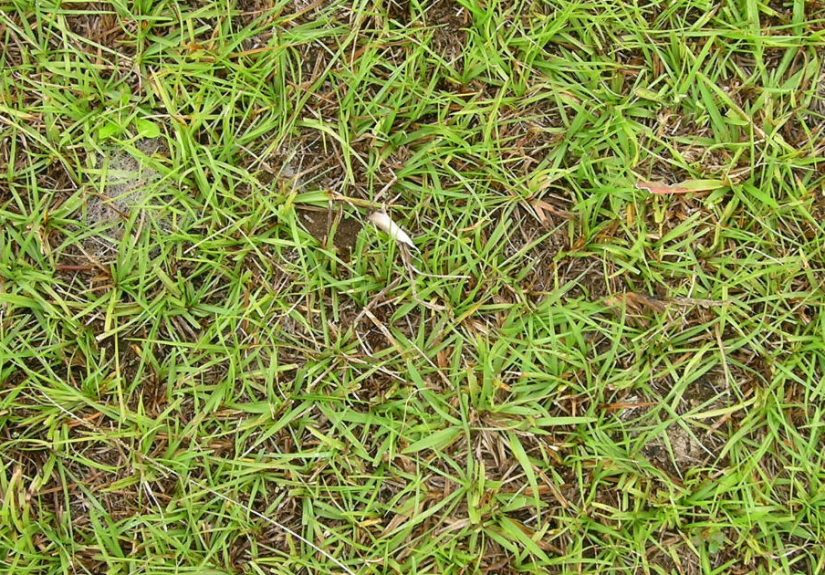
Bahiagrass (Paspalum notatum) is a warm-season perennial grass widely used for lawns, roadsides, and pastures in
the southern U.S. It spreads primarily through rhizomes (underground stems) and also produces lots of seedheadsoften in
a distinctive “Y” shape. It’s known for deep rooting, solid drought tolerance, and the ability to survive where fussier
turfgrasses throw a tantrum.
Why homeowners like it
- Low fertilizer needs compared to many warm-season grasses.
- Handles poor, sandy soils better than most “show-off” lawn grasses.
- Drought tolerant (it may brown and go dormant, then rebound when water returns).
- Generally fewer serious pest/disease issues than some common alternatives.
Why some homeowners don’t
- Seedheads happen… a lot during active growth, which can look “weedy” if you prefer a uniform look.
- Coarser texture and a less “plush” feel than premium turf options.
- Not a fan of heavy shade (thin turf invites weeds).
- High soil pH can cause yellowing (iron deficiency is common in alkaline conditions).
Is Bahia Grass Right for Your Yard?
Think of bahiagrass as a great match for sunny yards where you want durability and lower upkeep, not a golf-course
finish. It’s especially useful when your soil is sandy, your summers are hot, and you’d rather spend weekends living
your life than calculating nitrogen decimals.
Great fit if you have:
- Full sun (the more, the better).
- Sandy or low-fertility soil that other grasses struggle in.
- Long, hot summers and occasional drought.
- Moderate expectations for “lawn perfection.”
Consider another grass if you have:
- Significant shade from trees or buildings.
- Very alkaline soil (high pH) that stays stubbornly high.
- Salt exposure near coastal areas (bahiagrass typically isn’t a top pick for salty conditions).
- High traffic from sports, pets, and constant wear in the same paths.
Choosing a Type: Pensacola vs. Argentine (and Why It Matters)
Not all bahiagrass is the same. Two names you’ll hear most often for lawns are Pensacola and
Argentine.
Pensacola bahiagrass
- Pros: Often more cold tolerant; widely available; commonly used for lawns and roadsides.
- Tradeoffs: Can look lighter green and less dense than some other types.
Argentine bahiagrass
- Pros: Tends to be darker green and can form a denser sod; can perform well in wetter or poorly drained spots.
- Tradeoffs: Typically less cold tolerant; may have a shorter growing season in cooler parts of its range.
If you live where winters can surprise you, Pensacola is commonly favored. If you want a slightly “richer” look and your
winters are mild, Argentine may be appealing. Your local extension office or reputable seed supplier can help confirm
what performs best in your county.
Soil and Site Prep: Give It the Conditions It Actually Likes
Sunlight
Bahiagrass is happiest in full sun. If your lawn gets only a few hours of direct light, bahiagrass may thin outand thin
turf is basically an engraved invitation for weeds.
Soil pH (this one matters)
Bahiagrass tends to struggle in high-pH (alkaline) soils. In alkaline conditions, iron becomes less available to plants,
and bahiagrass may turn pale or yellow. If your soil pH runs high, you can sometimes manage color with foliar iron, but
it’s also a sign you may be fighting the site instead of matching the grass to it.
Soil test = fewer regrets
Before planting (or if your established lawn always looks “meh”), get a soil test. It will tell you if you need lime
(to raise pH), sulfur (to nudge pH down), or nutrients like phosphorus and potassium. Bahiagrass can tolerate lean soil,
but it still responds to smart, targeted fertilityespecially when you’re trying to establish it.
How to Plant Bahia Grass (Seed or Sod)
Best time to plant
For most warm-season regions, late spring to early summer is prime timewhen soil is consistently warm. Many guides
point to soil temperatures in the mid-60s °F to low-70s °F range for reliable germination. Planting too early can slow
establishment and increase weed pressure.
Seed vs. sod: which should you choose?
-
Seed is cheaper and fine for larger areas, but bahiagrass is famously slow to germinate and fill in.
You’ll need patience and consistent moisture. -
Sod costs more but gives instant coverage, faster weed suppression, and less erosion risk on slopes.
Always inspect sod for weeds before accepting it.
Step-by-step: planting from seed
- Clear the area: Remove existing weeds/grass and rake out debris.
- Loosen the top layer: Lightly till or rake so seed can contact soil (seed-to-soil contact is everything).
- Spread seed evenly: Follow your seed label, but common lawn rates often fall in the range of several pounds per 1,000 sq. ft.
- Cover lightly: Bahiagrass seed should be planted shallowthink “barely covered,” not “buried treasure.”
- Keep consistently moist: Light, frequent watering during germination, then gradually reduce frequency as roots establish.
- First mow: Once the grass is rooted and growing steadily, mow high (details below).
Step-by-step: laying sod
- Prep the soil: Grade for drainage, remove rocks, and loosen the surface.
- Lay tightly: Stagger seams like bricks and press sod firmly into contact with soil.
- Water immediately: Water right away and keep the soil moist while roots knit in.
- Ease into normal care: After a few weeks, transition to deeper, less frequent watering.
Mowing Bahia Grass: Height, Frequency, and the Seedhead Situation
Ideal mowing height
Most university lawn guidance lands in the 3–4 inch range for bahiagrass. Mowing higher supports deeper
roots, better drought tolerance, and fewer weeds. Mowing low is basically telling your lawn, “Please get stressed and
let crabgrass move in.”
The one-third rule (your lawn’s favorite boundary)
Never remove more than one-third of the leaf blade in a single mowing. This avoids shock and keeps the grass growing
steadily instead of sulking.
How often should you mow?
During active growth, mowing every 7–14 days is common. But bahiagrass is sneaky: mowing cycles are often
dictated by seedhead production. If seedheads bother you, you may mow a bit more frequently during peak
seedhead periods. Keep blades sharpthose seed stems are tough and can turn a dull blade into a leaf-shredding machine.
Should you bag clippings?
Usually, no. Leaving clippings helps recycle nutrients and does not typically create a thatch problem in bahiagrass when
mowing is done correctly.
Watering: “As-Needed” Is Not a VibeIt’s a Strategy
Once established, bahiagrass does best with deep, infrequent watering rather than daily sprinkles.
It can survive drought by going dormant (browning), then recovering when water returns. If you want it green and growing,
water when it shows stress.
Signs your bahiagrass actually needs water
- Leaf blades fold or look thin and rolled.
- The lawn shifts to a bluish-gray tint.
- Footprints linger after you walk across it.
How much water per irrigation?
A common guideline for established bahiagrass is around 1/2 to 3/4 inch per watering, applied in a single
session so moisture reaches the primary root zone. Then wait until the lawn shows stress again before watering.
New seed/sod watering (short-term intensive, then taper)
Establishment is the exception: keep the topsoil consistently moist while seed germinates or sod roots in, then reduce
frequency gradually so roots learn to grow downward.
Fertilizing Bahia Grass: Less “Buffet,” More “Balanced Meal”
Bahiagrass generally needs less fertilizer than many warm-season lawns. Over-fertilizing can push excess growth,
increase mowing pressure, and sometimes invite disease issuesso the goal is enough for density, not
“let’s see how fast it can grow.”
How much nitrogen does bahiagrass need?
In many warm, humid regions, annual nitrogen guidance for bahiagrass lawns is often modest. For example, Florida guidance
commonly recommends about 1–2 pounds of nitrogen per 1,000 sq. ft. per year, split into 1–3 applications
during active growth (with timing adjusted by region and local rules). If your lawn is thriving with less, don’t force it.
Timing tips
- Start after spring green-up once growth is active.
- Avoid very early fertilization in frost-prone areas.
- Don’t fertilize late after growth slows for the season.
- New lawns: wait until the grass is established before feeding heavily (often 30–60 days after planting).
What about phosphorus and potassium?
These are best guided by a soil test. Many established lawns don’t need routine phosphorus unless soil tests show a
deficiency. Potassium can matter for stress tolerance, especially on sandy soils.
Iron for color (especially in higher pH soils)
If your bahiagrass looks yellow but isn’t necessarily starving for nitrogen, iron can sometimes help green it up without
stimulating aggressive growth. Follow product labels carefully; foliar iron is commonly used for cosmetic color
improvement when iron availability is limited.
Weed Control: The Best Herbicide Is a Dense Lawn
The most effective weed control is cultural: mow correctly, water wisely, and fertilize modestly so bahiagrass forms a
thick stand. When bahiagrass gets thin, weeds don’t “invade” so much as “move in and redecorate.”
Prevention checklist
- Mow at 3–4 inches to shade the soil surface.
- Water deeply and only when needed (overwatering encourages weeds).
- Fix thin spots quickly (seed or patch with sod) so weeds don’t claim the space.
- Edge beds and hardscapesbahiagrass seed can wander.
If you use herbicides…
Use only products labeled for bahiagrass and follow label directions exactly. As an example of common strategies, many
homeowners use preemergent weed preventers before annual grassy weeds germinate and postemergent broadleaf herbicides
later when broadleaf weeds are actively growing. Timing varies by region and climatewhen in doubt, your county
extension office is your best friend.
Pests and Diseases: The Usual Suspects (and the Unusual Ones)
Mole crickets
Mole crickets are a major pest concern in some areas. They burrow and damage roots, causing rapid wilting and thinning.
A classic detection trick is a “soap flush” in a small area: water plus a small amount of dish soap can bring them to the
surface in a few minutes. If you confirm activity and damage, management options include labeled insecticides and, in
some regions, biological controls.
Armyworms (occasional but dramatic)
Fall armyworms can show up fast and chew aggressively. If you see rapid defoliation or lots of caterpillars, act quickly
with an appropriate labeled control product.
Dollar spot and other diseases
Bahiagrass typically has fewer severe disease problems than many lawns, but dollar spot can occur,
especially during warm, humid stretches. It often shows as small, roundish patches. Good mowing practices, avoiding
excessive nitrogen, and improving airflow can reduce pressure. Fungicides are an option when labeled and truly needed
but cultural correction usually comes first.
Thatch, Aeration, and Renovation
Does bahiagrass get thatch?
Bahiagrass is not typically a heavy-thatch builder compared to some turf types. Leaving clippings generally won’t create
a thatch crisis if you mow properly. If you do notice a spongy feel, poor drainage, or uneven growth, the issue is often
soil compaction rather than classic thatch.
When to aerate
Consider core aeration during active growth if:
- Water runs off instead of soaking in.
- The soil feels hard and roots stay shallow.
- High-traffic areas thin out repeatedly.
Renovating thin spots
Thin spots should be repaired quicklybecause weeds love vacancies. Lightly rake, add a thin layer of soil if needed,
seed shallowly, and keep consistently moist until seedlings establish. For larger bare areas, patching with sod can be
faster and more reliable.
Seasonal Care Calendar (Simple, Practical, and Not a Second Job)
Spring
- Wait for consistent green-up before heavy fertilizing.
- Begin mowing high (3–4 inches) once growth starts.
- Spot-fix thin areas early so summer weeds don’t win the race.
Summer
- Mow every 7–14 days (or as seedheads dictate), following the one-third rule.
- Water only when the lawn shows stress; apply a deeper soak rather than daily sprinkles.
- Apply light fertilizer only if needed for density and color (avoid overdoing it).
- Watch for mole crickets and caterpillars if thinning or chew marks appear.
Fall
- Reduce fertilization as growth slows (avoid pushing tender growth late).
- Continue mowing as needed, then gradually back off as dormancy approaches.
- Patch thin areas early enough to establish before cooler conditions.
Winter
- Expect dormancy or slowed growth depending on climate.
- Avoid heavy traffic on dormant turf when possible.
- Plan soil testing and spring projects now (future-you will be smugly grateful).
Troubleshooting Guide: When Your Bahia Grass Looks… Off
| Symptom | Most Likely Cause | What to Do |
|---|---|---|
| Yellowing lawn (overall) | Low nitrogen or iron unavailability (often higher pH) | Soil test first; apply modest nitrogen if deficient; consider foliar iron for color if pH is high. |
| Thin turf + weeds showing up | Mowing too low, shade, overwatering, or poor establishment | Mow higher, fix watering schedule, improve sun exposure where possible, patch thin spots quickly. |
| Brown but not dead during drought | Drought dormancy | Water deeply when stress symptoms appear (if you want green); otherwise let it restavoid heavy fertilizing. |
| Small round patches in warm, humid weather | Dollar spot or similar disease pressure | Improve mowing practices, avoid excess nitrogen, water earlier in the day; use labeled fungicide only if needed. |
| Wilting + thinning with tunnels/mounds | Mole cricket damage | Confirm with inspection/flush; treat with an appropriate labeled method if damage is significant. |
FAQs (Because Bahia Grass Always Raises Questions)
Will bahia grass spread and fill in bare areas?
It can spread through rhizomes and seed, but it’s not the fastest “fill-in” grass in the world. It’s more of a steady,
long-game type. If you want quick coverage, sod or patching thin spots helps.
Can I overseed bahiagrass with something else?
Some homeowners overseed warm-season lawns with a cool-season grass for winter color in mild climates. Just know that
overseeding can complicate spring green-up and may increase management needs. If your main goal is low maintenance, you
may decide winter brown is not a personal attack.
Why does it produce so many seedheads?
That’s bahiagrass being bahiagrass. Seedheads are part of its natural growth habit. Mowing can reduce their height and
visibility, but you likely won’t eliminate them completely.
Conclusion: The Best Way to “Win” With Bahia Grass
Bahiagrass is at its best when you embrace what it’s built for: sunny, warm conditions; leaner soils; and homeowners who
want sturdy turf without endless inputs. The winning formula is simple:
mow high, water only when needed, fertilize lightly, and keep it dense.
Do those four things consistently, and bahiagrass will usually outcompete weeds, tolerate drought, and give you a lawn
that looks good without acting like a high-maintenance diva.
Experiences & Real-World Lessons From Growing Bahia Grass (Extra 500+ Words)
Let’s talk about what it’s actually like to live with bahiagrassbecause real lawns don’t exist in textbooks. They exist
next to driveways, under kids’ bikes, beside dog zoomies, and in that one corner where your sprinkler coverage is
suspiciously “optional.”
1) The “Seedhead Season” Reality Check
Almost everyone new to bahiagrass has the same moment: the lawn looks decent… then suddenly it’s waving seedheads like
tiny green antennae trying to contact aliens. The first instinct is to mow it like a putting green and “teach it a
lesson.” That’s when bahiagrass teaches you a lesson: scalp it, and it thins; thin turf invites weeds; then you
spend summer arguing with spurge instead of enjoying your yard.
The homeowners who get the best results usually do something boringbut effective: they keep mowing height in the
3–4 inch zone, mow a bit more often during peak seedhead periods, and keep the mower blade sharp. It doesn’t erase
seedheads, but it keeps the lawn tidy without stressing the turf. Think “manage,” not “eliminate.”
2) Mowing High Feels Wrong… Until It Feels Brilliant
If you’re coming from bermuda or you grew up believing “short grass = fancy grass,” mowing bahiagrass high can feel like
you’re doing lawn care incorrectly. But the real-world payoff shows up in August: lawns mowed higher tend to stay denser,
greener (or at least less crispy), and more weed-resistant. Homeowners often notice that once they stop scalping, they
stop fighting the same weeds every year in the same thin spots. It’s not magicjust shade and healthier roots.
3) Watering Is Where People Accidentally Ruin a Good Thing
One of the most common “oops” stories goes like this: “I watered every day because it was hot, and now my lawn is weedy
and patchy.” Daily shallow watering keeps moisture at the surface, encourages shallow roots, and can boost weed pressure.
Many bahiagrass owners who switch to deep, as-needed watering say the lawn becomes more resilient within a seasonfewer
soggy areas, fewer weed outbreaks, and fewer hours spent dragging sprinklers like it’s a fitness plan.
4) The Color Question: “Why Isn’t It Emerald Green?”
Bahiagrass is not always the darkest grass on the block. Some homeowners chase color with heavy nitrogen and end up
mowing constantly. The more satisfying approach tends to be: fertilize modestly for density, then accept that bahiagrass
has a naturally practical vibe. In higher pH soils, people often discover that iron can improve color without turning the
lawn into a fast-growing monster that needs mowing twice a week. The “aha” moment is realizing that density
matters more than a perfect shade of greendense turf looks better from the street than a thin lawn that’s technically
“greener.”
5) Patch Early, Patch Fast, Patch Like You Mean It
Bahiagrass can be slow from seed, so bare spots can linger. Homeowners who stay happiest with bahiagrass usually patch
thin areas early in the growing seasonbefore summer weeds take over the vacancy. A quick rake, a sprinkle of seed (or a
sod patch), and consistent moisture can save you from a three-month weed saga. The motto here is: “If you can see soil,
weeds can see soil.”
Bottom line from the trenches: bahiagrass rewards calm, consistent care. Don’t overwater it, don’t scalp it, don’t
overfeed it, and don’t expect it to behave like a boutique turfgrass. Treat it like the durable, low-maintenance lawn
it isand it will usually deliver.