Table of Contents >> Show >> Hide
- What Is a Banquette, Exactly?
- Why Banquettes Are Suddenly Everywhere
- The Design Details That Make Banquettes So Good
- How to Plan a Banquette Without Regret
- Where Banquettes Work Best
- When a Banquette Might Not Be the Right Move
- The Real Reason People Love Banquettes
- Experiences That Explain the Banquette Obsession
- Conclusion
Some home trends arrive with a whisper. Banquettes arrive like the most charming guest at a dinner party: stylish, cozy, unexpectedly practical, and somehow making everyone else wonder why they didn’t think of it first. One minute you are admiring a breakfast nook in a magazine, and the next minute you are mentally measuring that awkward corner by your kitchen window and thinking, “Well, that could absolutely become the cutest seat in the house.”
That is exactly why banquettes are having a moment. They do not just look good in photos. They solve real-life problems. They can squeeze more seating into a small footprint, make a dining area feel more intimate, and turn a random corner into a destination. They also hit the sweet spot between comfort and polish. A standard dining chair says, “Please eat your pasta.” A banquette says, “Please eat your pasta, stay for dessert, then tell me your life story.”
In other words, banquettes are not just another pretty dining trend. They are a smart design move for people who want their homes to feel warmer, more social, and more efficient. Whether you live in a tiny apartment, a busy family home, or a place where the kitchen doubles as command center, homework station, coffee bar, and occasional emotional support room, banquette seating can make the whole setup work harder and look better doing it.
What Is a Banquette, Exactly?
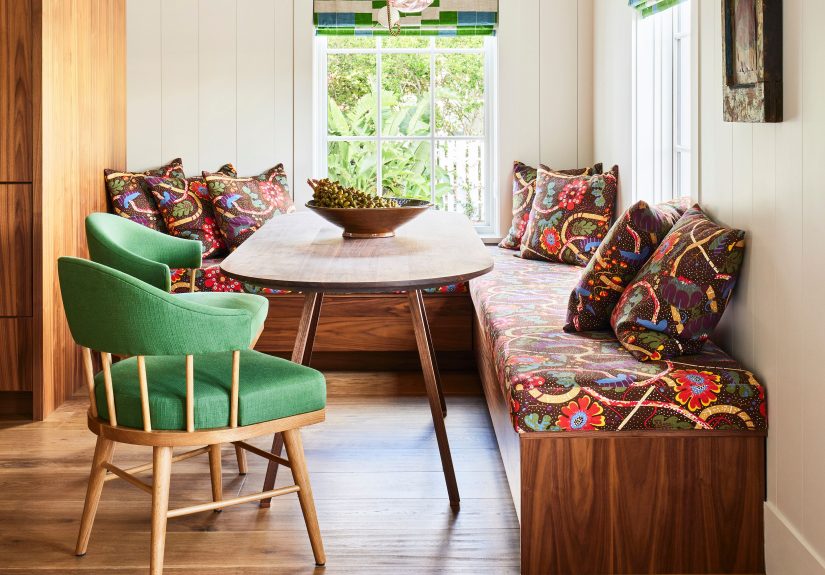
A banquette is built-in or freestanding bench seating designed to work with a dining table. Think restaurant booth energy, but upgraded for home life. Some banquettes are fully custom and wrapped along a wall or window. Others are simple benches with upholstered backs. Some are sleek and tailored. Others are layered with cushions and pillows until they practically beg you to cancel your plans and stay in.
What sets a banquette apart from an ordinary bench is the intention behind it. It is designed to create a dining nook, maximize space, and make the seating itself feel integrated into the room. That is why banquettes are often tucked into corners, bay windows, or under windows, where they can take advantage of architecture that might otherwise go underused.
Why Banquettes Are Suddenly Everywhere
1. They make small spaces look smarter
One of the biggest reasons banquette seating is trending is simple: it helps rooms do more with less. Traditional dining chairs need clearance on all sides. Banquettes hug the wall, tuck neatly into corners, and free up visual space. That instantly makes a small dining room, breakfast nook, or eat-in kitchen feel less crowded.
This is especially useful in homes where every square foot has to earn its keep. A corner banquette can turn a dead zone into a functional dining area. A window seat can become everyday seating with the right table. Even narrow kitchen layouts can suddenly feel workable when the furniture stops floating around like it is trying to start a traffic jam.
2. They create that cozy, café-inspired mood
Banquettes also fit perfectly into the cozy, lived-in aesthetic people want right now. Call it café-core, call it soft domestic glamour, call it “I want my kitchen to feel like a charming little neighborhood bistro.” Whatever the label, the appeal is the same. People want dining spaces that feel intimate, relaxed, and a little romantic. Banquettes deliver.
A tucked-in bench, a round table, a pendant light, maybe a striped cushion or a moody paint color, and suddenly breakfast feels cinematic. Not “Oscar-winning monologue in the rain” cinematic, but definitely “morning coffee in the prettiest spot in the house” cinematic. That is powerful stuff.
3. They are comfortable enough for real life
Dining chairs are fine. Banquettes invite lingering. That matters because modern dining areas are not just for dinner. They are for laptop work, casual lunches, homework marathons, game nights, birthday cake, and late-night chats that begin with “just one more minute” and end two hours later.
Upholstered seating, padded backs, and the option to add pillows make banquettes feel more relaxed than many standard dining setups. Families love them because kids can pile in more easily. Hosts love them because guests naturally settle in. Design lovers love them because comfort and style rarely get along this well without charging a cover fee.
4. They can hide storage in plain sight
Banquettes are overachievers. In addition to seating people, they can store table linens, seasonal dishes, board games, pet supplies, cookbooks, and all the random household objects that do not belong anywhere but somehow live everywhere. Lift-up seats and built-in storage turn a banquette into a hard-working piece of furniture rather than a decorative luxury.
That dual purpose is part of the trend’s staying power. In a time when homeowners want fewer wasted inches and more thoughtful storage, banquettes feel not only stylish but sensible.
The Design Details That Make Banquettes So Good
Round tables are their best friend
If banquettes are the star, round or pedestal tables are the perfect supporting cast. Round tables soften the hard edges of a nook, improve circulation, and make getting in and out easier. Pedestal bases help even more because no one has to perform an awkward shin-dodging maneuver around table legs. Your guests will thank you, even if only silently and while chewing.
This combination also helps a dining nook feel welcoming rather than rigid. A curved or circular table paired with banquette seating gives the setup a natural sense of flow, which is one reason it works so well in compact kitchens and breakfast areas.
Fabric does a lot of the heavy lifting
The upholstery choice can completely change the personality of a banquette. Linen and cotton blends feel light and classic. Leather and faux leather are durable and easy to wipe down. Performance fabrics are the heroes of messy family life, especially in homes where spaghetti night is less a meal and more an event.
Pattern is another powerful tool. A striped or floral fabric can make a simple nook feel custom. A tonal, tailored fabric can make the banquette look elegant and architectural. Channel tufting, piping, skirted bases, or a contrast welt can push the design further without requiring a full-scale renovation.
Built-ins look elevated, but freestanding options work too
Custom built-ins are often the dream because they make the room feel intentional and maximize every inch. But not every great banquette has to be built from scratch. Freestanding banquettes, benches, or even dining-friendly sofas can create a similar effect, especially in rentals or budget-conscious homes.
The key is proportion. You want seating that supports an upright posture for dining, rather than a deep lounge seat that turns every meal into a reclining activity. Comfortable is good. Feeling like you are eating soup from a beanbag chair is not.
How to Plan a Banquette Without Regret
Start with measurements, not mood boards
Yes, inspiration photos are fun. Yes, you absolutely should save twelve of them. But before you fall in love with tufted emerald velvet, make sure the setup will actually work. A typical dining seat height is around 18 inches, with standard dining tables landing around 28 to 30 inches high. You also need enough space between the table and seat for comfortable movement, usually somewhere in the range of 9 to 12 inches.
Seat depth matters, too. Around 18 inches can work for a firm dining perch, while deeper banquettes with back cushions may land closer to 24 inches. For seating width, plan roughly 21 inches per person so dinner does not become an elbows-only sport.
Choose the right shape for the room
L-shaped banquettes are perhaps the classic choice because they fit corners beautifully and feel tucked-in without eating up too much space. Straight banquettes work well along a single wall. U-shaped layouts can seat a crowd, but they need more room and thoughtful planning so no one feels trapped in the corner like the last slice of pizza.
If your home has a bay window, curved wall, or recessed alcove, a banquette can make that architecture feel intentional rather than tricky. This is one of the reasons designers love them so much: they transform “odd” spaces into standout ones.
Do not forget back support
A banquette that looks gorgeous but feels like sitting against a wall in a train station is not a success story. Backrests matter. So do cushions with enough support to keep people upright at the table. Decorative pillows can help, but they should not be doing all the work. If the seat is built-in, a slightly angled back can improve comfort dramatically.
Think about cleaning before you commit
If the banquette is in a high-traffic kitchen or family dining area, practical finishes matter. Stain-resistant upholstery, wipeable materials, and easy-to-clean bases will save your sanity. Boxed-in bases are often easier to maintain than benches with legs, since crumbs cannot roll under and form their own civilization.
Where Banquettes Work Best
The obvious answer is the breakfast nook, but banquettes are surprisingly flexible. They work in eat-in kitchens, open-concept homes that need a defined dining zone, small apartments with no formal dining room, mudroom-adjacent seating areas, and even combined living-dining spaces where every piece needs to multitask.
They are especially effective under windows, where they can take advantage of natural light and feel like a destination. They also shine in corners that would otherwise get filled with a lonely accent chair and a plant that may or may not be thriving. With a banquette, that same corner becomes useful, social, and memorable.
When a Banquette Might Not Be the Right Move
As lovable as they are, banquettes are not perfect for every household. If you rearrange furniture constantly for fun, a fully built-in banquette will not support your spontaneous “what if the table lived over there now?” energy. If mobility is a concern, sliding in and out of bench seating may be less convenient than standard chairs. And if your dining room is already huge, formal, and well-proportioned, you may not need a space-saving solution at all.
Still, even in larger homes, banquettes can add softness and intimacy that a standard dining setup sometimes lacks. They are not only for small spaces; they are for anyone who wants a room to feel more welcoming.
The Real Reason People Love Banquettes
At the center of this trend is not just design logic. It is emotion. Banquettes make people want to gather. They encourage coffee that turns into conversation, dinner that turns into dessert, and mornings that feel slightly less chaotic. They create a sense of enclosure and comfort that many open-plan homes are missing.
That may be why they feel so timely. For years, homes leaned hard into expansive layouts, oversized islands, and furniture that looked beautiful but sometimes felt a little distant. Banquettes bring back intimacy. They make the kitchen feel like the heart of the home again, not just the room where everyone hovers while looking for snacks.
And because they can be traditional, modern, farmhouse, vintage-inspired, or quietly luxurious, they fit into almost any design language. The trend is not one look. It is one feeling: come sit here awhile.
Experiences That Explain the Banquette Obsession
Talk to people who live with banquettes, and the praise usually sounds less like a design review and more like a small love letter to daily life. One homeowner might tell you the banquette became the unofficial family headquarters within a week of installation. Breakfast happens there, yes, but so does homework, online shopping, bill paying, and the occasional dramatic retelling of somebody’s terrible group chat. The space starts as a dining solution and ends up functioning like a soft landing pad for the entire household.
In small homes, the difference can feel even bigger. A compact apartment with a banquette often seems more organized and more intentional because the dining area finally has an anchor. Instead of a table floating awkwardly in the room with chairs shoved in at odd angles, the nook feels designed. The bench keeps the layout visually calm. People can tuck themselves in, and the room suddenly has structure. It is one of those rare upgrades that makes a home feel larger without actually giving you one extra inch.
There is also the restaurant-booth nostalgia factor. Plenty of people love banquettes because they bring back the comfort of slipping into a booth at a favorite diner, café, or neighborhood bistro. There is something psychologically nice about being a little tucked away. You feel less exposed than you do in open dining chairs, which makes the whole meal feel more relaxed. Even coffee alone somehow feels fancier when it happens in a cushioned corner with sunlight hitting the table.
For hosts, banquettes are often a surprise hit. Guests naturally gravitate toward them. Children pile onto them. Friends stay longer in them. There is less scraping of chairs and less jockeying for the “good seat,” because the good seat is basically the whole bench. If the banquette includes storage underneath, that is a bonus people tend to mention with almost smug satisfaction. Extra placemats, candles, serving bowls, and games can disappear under the seat, which makes entertaining easier and clutter less visible.
Even the styling experience gets people attached. Once a banquette is in place, it becomes very tempting to fuss over it in the best way: a new cushion, a striped pillow, a pendant light, a moody paint color, a little round table that suddenly makes the whole corner sing. It is an area that rewards attention. And unlike some trends that look amazing online but feel impractical in real life, banquettes tend to improve with use. The more life happens there, the more convincing the trend becomes.
That is probably why the conversation around banquettes has grown so quickly. They are photogenic, sure, but they are also deeply livable. People are not just talking about how they look. They are talking about how they changed the rhythm of the room. That is a much harder trend to ignore.
Conclusion
Banquettes are the dining trend everyone is talking about because they solve multiple design problems at once. They maximize seating, save floor space, soften a room, create a cozy mood, and often add storage while they are at it. They can make a tiny apartment feel thoughtful, a family kitchen feel warmer, and an overlooked corner feel like the most desirable place in the house.
Most trends ask you to choose between style and practicality. Banquettes, annoyingly for every other piece of furniture, manage to offer both. If you want a dining area that looks custom, feels inviting, and works harder every single day, this is one trend worth pulling up a seat for.