Table of Contents >> Show >> Hide
- What Are Barkley Sunglasses, Exactly?
- The Barkley Look: Why It Reads “Classic” Without Feeling Costume-y
- Lenses: The Part That Actually Does the Work
- UV Protection: Don’t Let “Dark” Fool You
- Polarized or Not? Choose Based on Your Real Life
- Fit: The Difference Between “My Sunglasses” and “That Pair I Never Wear”
- Picking a Colorway: Azure Crystal vs. Black Matte Eclipse vs. Antique Shale Fade
- Buying Barkley Sunglasses: What You Get Beyond the Frame
- Care and Longevity: Keep Them Looking New(ish)
- FAQ: Quick Answers People Actually Want
- Real-Life Barkley Sunglasses Experiences (The “Okay, But How Does It Feel?” Section)
“Barkley sunglasses” sounds like something your golden retriever would wear to judge your life choices
at the dog park. In reality, Barkley is a specific sunglasses frame styleclean, confident, and just retro
enough to feel intentional (not “I found these in a drawer from 2009”).
This guide breaks down what Barkley sunglasses are, how they fit, which lens options actually matter,
and how to buy a pair you’ll wear every sunny daynot just on that one beach trip you keep rescheduling.
What Are Barkley Sunglasses, Exactly?
Barkley is a sunglasses frame style sold by Warby Parker. The brand describes Barkley as managing to look
“at once midcentury and contemporary”which is a fancy way of saying: it works with jeans and a tee,
but it also doesn’t panic when you put on a blazer.
Quick spec snapshot (the practical stuff)
- Starting price: $95 for non-prescription sunglasses.
- Prescription options: single-vision, progressives, and readers are available.
- Frame material: hand-polished cellulose acetate, plus durability-focused screws.
- Included perks: UV-blocking lenses, scratch-resistant coating, case, and a lens cloth.
- Fit system: Warby Parker lists “frame width” (overall width in mm) as Narrow/Medium/Wide/Extra Wide.
In Barkley’s case, you’ll typically see Medium (136 mm) and Wide (147 mm) offered in some colors, with
certain colorways also spanning Narrow (131 mm) and Extra Wide (150 mm). That range is a big deal if you’ve ever
loved a frame in theory and hated it the moment it pinched your temples in practice.
The Barkley Look: Why It Reads “Classic” Without Feeling Costume-y
Barkley sits in that sweet spot: a structured silhouette with a calm, grown-up vibe. The acetate material
tends to give frames a richer look than flimsy plastic, and it can hold color beautifullyespecially in
lighter or translucent tones. Translation: Barkley can look “quiet luxury” even if your budget is more
“quietly checking your bank app.”
Who Barkley tends to flatter
Style isn’t math, but it does have patterns:
- Round or oval faces: angular frames add structure and balance.
- Square faces: Barkley can still workjust focus on comfort and width so the frame doesn’t look too “box on box.”
- Heart-shaped faces: a balanced frame can help visually “meet” a narrower chin without swallowing your face.
The bigger story is proportion. If the frame is too narrow, it’s uncomfortable and looks tense. If it’s too wide,
it can slide and make your face look smaller than it is (which can be a vibe, but usually not the goal).
Lenses: The Part That Actually Does the Work
Barkley’s “frame” gets the compliments. The lenses earn the repeat wear. Warby Parker sunglasses come with UV-blocking
lenses and a scratch-resistant coating included at the base pricenice, because eye safety shouldn’t be a premium add-on.
Prescription and non-prescription options
- Non-prescription: from $95.
- Single-vision prescription sunglasses: from $195.
- Readers (sun readers): from $195.
- Progressives: from $425.
If you’re debating “prescription sunglasses vs. contacts + sunglasses,” here’s a practical rule:
if you drive, commute, or run errands in bright conditions often, prescription sunglasses quickly start
feeling like a daily quality-of-life upgradenot a splurge.
Lens material: polycarbonate vs. 1.67 high-index
Warby Parker’s default is polycarbonate, a common choice because it’s impact resistant (helpful if you live
a life where sunglasses regularly get introduced to pavement). If you have a stronger prescription, 1.67 high-index
can be thinner and is offered as an upgrade.
One notable detail: Warby Parker’s sunglasses lens guide notes that its 1.67 high-index sun lenses come polarized.
That’s a big win if glare drives you bananas (or if you drive a lot, spend time near water, or live in a world with
aggressively shiny cars).
Lens coatings: “classic” vs. anti-reflective
Anti-reflective (AR) coating is about cutting reflections on the lens surfacesespecially annoying ones when light hits
your lenses at angles. If you’ve ever had your sunglasses reflect your own eyeballs back at you in a photo, AR can help.
It can also make your vision feel a bit cleaner in bright, reflective environments.
UV Protection: Don’t Let “Dark” Fool You
Here’s the part experts repeat like a broken record because people still buy sunglasses like they’re choosing a paint color:
darkness is not the same as UV protection.
What you want is “100% UVA/UVB protection” or “UV400.” The FDA specifically warns against assuming darker lenses mean better
protectionlabels matter. The American Academy of Ophthalmology echoes that guidance and points out that “UV absorption up to 400 nm”
is another way brands may communicate full protection.
Coverage matters too
Bigger lenses and more wrap can reduce stray light entering from the sides and top. That doesn’t mean you need “ski goggle chic”
for a coffee runbut if you’re outdoors a lot, coverage is comfort.
Polarized or Not? Choose Based on Your Real Life
Polarized lenses reduce glare from horizontal surfaces like roads, water, and snow. That’s why they’re so popular for driving,
fishing, boating, and generally existing near anything reflective.
When polarization is a slam dunk
- Driving: less road glare, less squinting, more relaxed eyes.
- Water and beach days: glare control can make everything feel clearer.
- Snow or high-albedo environments: reflected light is intense, and polarization helps tame it.
When you might skip it
- Trail running or fast-changing terrain: some athletes prefer non-polarized lenses for certain depth cues.
- Screen-heavy moments: polarized lenses can sometimes make certain screens look dim or rainbow-y.
The key point: polarization is about comfort and claritynot UV protection by itself. You still need that UV400/100% UVA/UVB label.
Fit: The Difference Between “My Sunglasses” and “That Pair I Never Wear”
Sunglasses can be gorgeous and still fail you if they don’t fit. REI’s fit advice is refreshingly simple:
frames should sit snugly without pinching, distribute weight evenly, and your eyelashes shouldn’t smack the lenses.
It’s practical, and it works.
How to pick Barkley’s width the smart way
- Start with your current favorites: if you have a pair you love, note how wide it feels across your face.
- Use face width as the “first filter”: if you often find frames tight, start at Wide/Extra Wide.
- Check temple comfort: pressure at the sides is the fastest way to turn a good-looking frame into a drawer resident.
- Think about coverage: if you’re outside a lot, slightly wider can help block side light.
Warby Parker’s width guide uses overall frame width (in millimeters) and notes you won’t find that number printed on glasses
it’s meant as a practical sizing guide rather than a spec you hunt for on the frame.
Picking a Colorway: Azure Crystal vs. Black Matte Eclipse vs. Antique Shale Fade
Color is where Barkley gets to show personality. Here’s how the common Barkley color options tend to “read” in the wild.
(And yes, you can absolutely own more than one pair. That’s not a problem. That’s a strategy.)
Azure Crystal
Bright, modern, and a little playful. Azure Crystal is the “I have taste, but I also have hobbies” choice.
It pairs well with neutrals and looks especially good in summer light. If you’re worried about a translucent frame feeling loud,
remember: the lenses do a lot of the visual heavy liftingthis usually reads fresh, not flashy.
Black Matte Eclipse
The reliable classic. Matte black tends to look intentional and clean, and it hides minor wear better than glossy finishes.
If you want one pair that goes with everything from gym clothes to a wedding guest outfit, this is the safest bet.
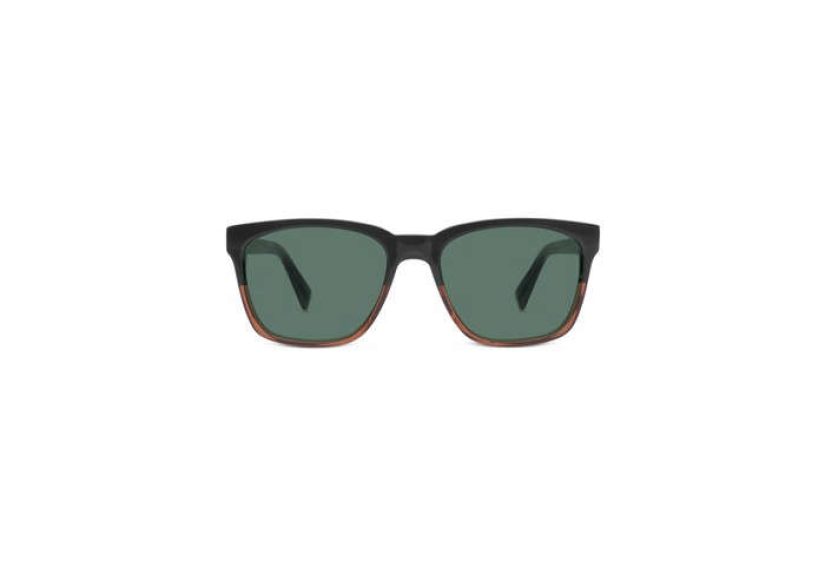
Antique Shale Fade
Warmer, softer, and a little more “heritage.” If you like earth tones, vintage-inspired fits, or you just want a frame
that feels less stark than black, this is the easy winner.
Buying Barkley Sunglasses: What You Get Beyond the Frame
Sunglasses shopping often turns into a scavenger hunt for return policies, shipping fees, and what’s included.
On Barkley’s product page, Warby Parker lists several practical perks: free shipping, free returns/exchanges within 30 days,
and a case plus lens cloth. It also notes a free scratched lens replacement guarantee for prescription lenses within six months
of purchase.
If you’re using insurance, the site notes FSA/HSA and insurance acceptance, plus a claim about average savings with insurance.
There’s also a standing brand program (“Buy a Pair, Give a Pair”) tied to distributing glasses to someone in need.
Care and Longevity: Keep Them Looking New(ish)
Do
- Use the included cloth (or a clean microfiber) to avoid micro-scratches.
- Rinse dust off before wiping if you’ve been outsidegrit is basically sandpaper.
- Store them in the case. Your bag is not a gentle place.
Don’t
- Leave them baking on a car dashboard; heat can warp frames and mess with coatings.
- Clean lenses with your T-shirt hem unless you enjoy “mystery smears.”
- Assume “scratches add character.” They mostly add glare.
FAQ: Quick Answers People Actually Want
Are Barkley sunglasses good for driving?
Yesespecially if you choose polarized lenses (great for road glare). Just make sure you’re getting full UV protection too.
Can I get Barkley as prescription sunglasses?
Yes. Warby Parker lists single-vision, progressives, and readers as options, with different starting prices depending on lens type.
Do they block UV rays?
Warby Parker states its sunglasses lenses block 100% of UV rays, and experts recommend looking for “100% UVA/UVB” or “UV400”
labeling when buying sunglasses in general.
Is polarization worth it?
If glare bothers you, you drive often, or you’re near water/snow a lot, polarization can feel like upgrading your eyeballs.
If you mostly wear sunglasses for short city walks or screen-heavy errands, it may be less essential.
Real-Life Barkley Sunglasses Experiences (The “Okay, But How Does It Feel?” Section)
Let’s talk about the real-world moments where Barkley sunglasses either become your daily uniformor end up living a quiet life in a drawer
next to old chargers and the emotional support pen you stole from a bank in 2016.
Morning commute: This is where fit and glare control become instantly obvious. A frame that’s even slightly too narrow will
announce itself in the first ten minutestemples squeeze, you adjust them, they slide, you adjust again, you start negotiating with the universe.
In a Medium or Wide width that actually matches your face, Barkley sits steady enough that you can forget it’s there (the highest compliment
eyewear can receive). If you’re driving into low, angry sunlight, polarization can make the road feel calmerless squinting, fewer “why is the sun
personally attacking me” thoughts.
Errands in bright parking lots: Parking lots are basically glare laboratories. Light bounces off windshields, chrome,
glossy paint, and the world’s most reflective crosswalk lines. A UV-protective lens matters here because “bright” isn’t the same as “safe.”
The practical win is comfort: you’ll notice you’re not scrunching your face as much, and you’re less likely to get that tired-eye feeling
after bouncing between outdoor sun and indoor fluorescents.
Weekend patio life: Barkley’s midcentury-meets-modern vibe really shows up when you’re not dressed like you’re escaping
a rainstorm. The matte black version reads crisp and effortless; the lighter and faded colorways look more relaxed and a bit artsy.
And because Barkley is acetate, it tends to look “finished” even with casual outfitslike you planned the look, even if you absolutely did not.
Beach or lake days: This is where polarization earns its fan club. Water glare can be brutal, and polarized lenses often make
the view feel sharper and less blinding. People describe it as a “turning the volume down” effect on reflections. Bonus: slightly wider frames
can help reduce side light, which matters when sunlight is bouncing in from every direction like it’s playing pinball.
Hikes and long walks: Outdoors, comfort becomes more than a style preferenceit’s endurance. If the sunglasses pinch,
you’ll take them off. If they slip, you’ll keep pushing them up and eventually resent them. This is where paying attention to width pays off,
and it’s also where having a case matters; if you’re switching between shade and sun, you’ll want somewhere safe to stash them without
grinding your lenses against keys, snacks, and whatever else is in your bag.
Events and photos: A sneaky benefit of a cleaner lens (and optional anti-reflective coating) is that your sunglasses look better
in pictures. Less weird reflection on the lens surface means your eyes don’t look like they’re trapped behind a shiny windshield.
Barkley’s classic silhouette also tends to photograph well because it has structure without looking overly trendy.
The overall “experience” takeaway is simple: Barkley works best when you pick it like a tool, not a toystart with UV protection,
choose the right width for comfort, and then decide whether glare reduction (polarization) fits your daily life. Get those right, and Barkley
stops being a fashion accessory and becomes that rare thing: something you reach for without thinking.