Table of Contents >> Show >> Hide
The 2000s had a special talent: making kids’ TV that felt like candy on the outside and surprisingly nutritious on the inside.
You’d tune in for slapstick, secret identities, and jokes that made zero sense until you became an adult with bills… and suddenly it all clicked.
If your streaming watchlist is feeling a little too “serious prestige drama,” consider this your permission slip to go back to a simpler timewhen the
biggest crisis was getting grounded, missing the school dance, or accidentally unleashing a chaotic magical wish.
Below are some of the best kids shows from the 2000s that are genuinely worth a rewatchwhether you’re revisiting them solo, introducing them to a younger sibling,
or doing a family “one episode after homework” ritual. Expect big laughs, heartfelt moments, and the occasional “Wait… this is actually clever.”
Why 2000s Kids TV Still Holds Up
A lot of 2000s kids shows were built like a good sandwich: fun on top, comfort in the middle, and a little meaning tucked in so you didn’t notice until later.
Writers got away with layered humor (kid-friendly up front, grown-up wink in the back), characters had real emotional arcs, and episodes weren’t afraid to be weird.
Also, the decade was a sweet spot for varietyanimated adventures, live-action sitcom chaos, and shows that mixed both without asking anyone’s permission.
Rewatching now is also a reminder that “kids’ TV” doesn’t mean “low effort.” Some of these series are tightly written, beautifully animated, or structured like mini
coming-of-age stories. Translation: you can enjoy them even if you’re not eight years old and sitting on the living-room floor with cereal.
Best Animated Kids Shows of the 2000s
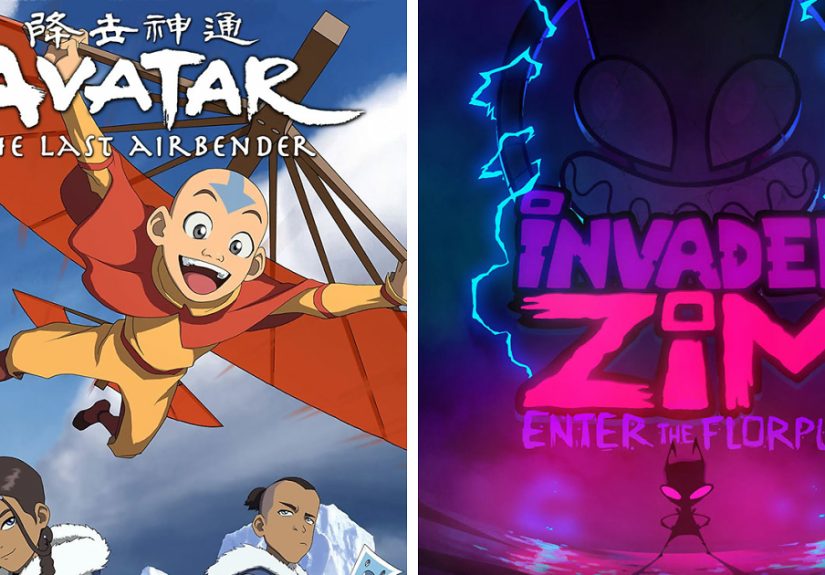
Avatar: The Last Airbender
If you missed this the first time, you’re in for a treat. Avatar balances big adventure with genuine character growth, and it somehow makes
“learning life lessons” feel like leveling up in a video game. The world-building is rich, the humor lands, and the story doesn’t talk down to the audience.
It’s the kind of show that makes you say, “How was this on a kids network?” and then immediately click “Next episode.”
Rewatch tip: pay attention to how often the show sets up emotional payoff earlytiny moments become huge later. It’s like the writers were quietly running a
long-term plan while the rest of us were just yelling “YES” at cool bending moves.
SpongeBob SquarePants
Yes, it technically started in the late ‘90sbut the 2000s era is where SpongeBob became a full cultural language. Even if you haven’t watched in years,
you probably still recognize the memes, the expressions, and the “this is fine” energy of Bikini Bottom. It’s fast, absurd, and weirdly comfortinglike the TV
version of a snack you didn’t know you missed.
Rewatch tip: sample episodes instead of starting from the beginning. This show is built for “just one more” viewingdangerous behavior, but in a wholesome way.
Kim Possible
A teen hero balancing school, friendships, and saving the world shouldn’t feel relatable… and yet. Kim Possible hits because it treats its lead like a
capable person, not just a punchline. The show is packed with action, clever comedy, and villains who are dramatic enough to deserve their own merch line.
Rewatch tip: notice how often the show flips expectations. It’s not just “girl power,” it’s “girl competence,” and that still feels refreshing.
Phineas and Ferb
Few shows are as reliably upbeat as Phineas and Ferb. The formula is simplebig summer projects, a sister trying to expose them, and a secret-agent pet
doing spy stuffbut the execution is ridiculously creative. It’s a masterclass in making repetition feel like a running joke instead of a limitation.
Rewatch tip: the musical moments are half the fun. Even if you don’t remember specific songs, you’ll remember the vibe: pure summer-brain optimism.
Teen Titans
Teen Titans is what happens when you let a superhero show have range. It can be funny, dramatic, and surprisingly heartfelt, sometimes in the same episode.
It also nails team dynamicsfriendship, loyalty, rivalry, and that “we annoy each other but we’re family” feeling that makes the best ensemble shows work.
Rewatch tip: this is a great “watch two episodes” showone for laughs, one for the heavier emotional punch it occasionally delivers.
The Fairly OddParents
The premise is basically “What if a kid had unlimited magical wish power?” which is also known as “What if chaos had a driver’s license.” The show thrives on
fast jokes, wild visual comedy, and the kind of wish logic that makes you laugh because it’s so obviously going to backfire. Underneath all that, it’s also about
loneliness, attention, and wanting life to feel fairbig themes for a show that includes, you know, floating fairy godparents.
Rewatch tip: the best episodes are the ones where Timmy learns something without the show turning into a lecture. Comedy first, meaning secondchef’s kiss.
Best Live-Action Kids Shows of the 2000s
Lizzie McGuire
Middle school is already dramatic; Lizzie McGuire just had the honesty to admit it. The show captures that awkward, earnest stage of life with humor that
doesn’t feel mean. It’s sweet without being syrupy, and it understands the intense emotions of small problemsbecause when you’re 13, “small problems” do not exist.
Rewatch tip: it’s a comfort watch. Perfect for when you want low-stress episodes with a side of nostalgia.
That’s So Raven
That’s So Raven is physical comedy, big reactions, and chaotic good energyplus a fantasy twist that keeps stories moving. The show’s “visions of the future”
setup creates hilarious misunderstandings, but it also leaves room for heart: friendships, family, and learning not to jump to conclusions. It’s loud in the best way.
Rewatch tip: watch for how often Raven’s plans go wrong for understandable reasons. It’s basically a guide to overthinking, but with better outfits.
Drake & Josh
Classic sitcom chemistry: two stepbrothers with opposite personalities, thrown into everyday teen situations that somehow escalate into full disaster.
Drake & Josh works because it commits to the comedy of “small choice → massive consequence.” It’s also a time capsule of early-2000s teen culture, in the
most delightfully corny way.
Rewatch tip: it’s best in quick bursts. Two episodes is the sweet spot before you start quoting it at people who did not sign up for that.
iCarly
Before “content creator” became a standard job title, iCarly was already playing with the idea of kids making a show for the internet.
It’s goofy, exaggerated, and full of sketches that feel like the ancestor of today’s short-form chaos. Rewatching now is extra fun because you can spot the early
“internet humor” DNAawkward, weird, fast, and surprisingly sticky.
Rewatch tip: focus on the friend-group dynamic. Even when things get absurd, the show’s engine is loyalty and shared nonsense.
Wizards of Waverly Place
A family sitcom plus magic plus sibling rivalry is a recipe for endless storylines. Wizards stands out because it’s not afraid to let characters be messy.
The siblings don’t just competethey care, they fail, they grow, and they occasionally choose chaos like it’s an after-school activity. The magical world is fun, but
the family dynamics are what make it rewatchable.
Rewatch tip: it’s a great “watch with someone else” showthere’s always something to react to, especially during sibling showdowns.
The Suite Life of Zack & Cody
Twins living in a hotel is already a sitcom premise that screams “mischief,” and Suite Life delivers. The show nails the rhythm of classic comedy:
running gags, lovable side characters, and episodes that spiral from harmless fun into a full-on disaster that somehow gets resolved by the end.
Rewatch tip: keep an eye on the supporting casthalf the best moments come from the grown-ups dealing with kid chaos like it’s their full-time job (because it is).
Honorable Mentions (Because the 2000s Were Stacked)
- Ben 10 (action-packed transformations and big imagination energy)
- Danny Phantom (supernatural teen hero vibes with strong storytelling)
- Foster’s Home for Imaginary Friends (odd, charming, and surprisingly smart)
- Codename: Kids Next Door (kid logic turned into spy-mission brilliance)
- Samurai Jack (stylish, cinematic animation that still looks amazing)
- Even Stevens, Zoey 101, Ned’s Declassified, Hannah Montana (peak live-action era picks)
- Arthur (not a 2000s debut, but a 2000s comfort staple that aged gracefully)
How to Rewatch Without Turning It Into a Homework Assignment
If you’re rewatching for nostalgia, don’t force a strict “start at Episode 1 and never skip” rule unless that’s genuinely fun for you.
A better approach is to pick a vibe:
- Comfort: Lizzie McGuire, Suite Life, SpongeBob
- Story + payoff: Avatar, Teen Titans
- Pure comedy chaos: Drake & Josh, iCarly, Fairly OddParents
- Optimism boost: Phineas and Ferb
And if you’re trying to figure out where a show is streaming, use a streaming guide (like a universal search tool) or a device search feature that checks multiple services.
It saves you from opening six apps just to learn you don’t have the right subscriptionan emotional journey nobody asked for.
Conclusion
The best kids shows of the 2000s weren’t just “something to watch after school.” They were tiny time capsulesfull of jokes, lessons, fashion choices we can’t unsee,
and characters who felt like friends. Rewatching now isn’t about pretending you’re a kid again; it’s about appreciating how much care went into making stories that
could entertain everyone in the room. Start with one show, pick a few favorite episodes, and enjoy the rare kind of TV that’s both silly and surprisingly sincere.
Bonus: of Rewatch Experiences You’ll Recognize
Rewatching 2000s kids shows is a very specific kind of time travel. It starts innocently: you see a familiar title card, you think, “Oh wow, I remember this,”
and suddenly you’re emotionally attached to a cartoon sponge and two teenagers arguing about who gets the bigger bedroom. The first “experience” most people notice
is how fast the memories come back. You might not recall the plot of an episode, but you remember the feelinggetting home, dropping your backpack, and catching
the show at exactly the right time like it was an appointment your whole household respected.
Then comes the second experience: the jokes hit differently. As a kid, you laugh at the obvious stuffthe slapstick, the exaggerated reactions, the magical wishes
that explode in someone’s face. As you rewatch, you start catching the layers: the sarcastic timing, the clever wordplay, the little social observations tucked into
the comedy. It can feel like the writers left secret notes for your future self. The show hasn’t changedyou have. That’s part of the fun.
A third rewatch experience is realizing how much heart these shows had. You go in expecting a comfort laugh, and suddenly you’re noticing the quiet moments:
a character owning up to a mistake, a sibling choosing loyalty over winning, a friend showing up when it matters. The emotional beats are usually simple,
but they’re honestespecially in shows that center everyday kid problems that still make sense now: wanting to fit in, worrying about embarrassment, feeling
misunderstood, learning boundaries, figuring out who you are.
If you rewatch with someone younger, that’s a whole other experience. You get the “translator” roleexplaining flip phones, web show culture, or why a particular
outfit was considered peak fashion at the time. But you also get to see the shows work in real time on a new audience. The best ones still land because the basics
are timeless: comedy rhythm, strong characters, and stories that respect kids as people. Plus, it’s honestly satisfying when a younger viewer laughs at the same
scene you loved years ago. It feels like passing a torch, but the torch is a remote control.
Finally, there’s the surprisingly relaxing experience of low-stakes TV. Modern content can be amazing, but it often asks for a lotdeep attention, emotional energy,
complicated lore. A 2000s kids show usually asks for one thing: show up and have a good time. And sometimes that’s exactly what you need.