Table of Contents >> Show >> Hide
- What Is a Bialetti Stovetop Espresso Maker, Really?
- A Quick History of the Bialetti Moka Express
- How the Bialetti Stovetop Espresso Maker Works
- Choosing the Right Bialetti Size and Model
- How to Use a Bialetti Stovetop Espresso Maker (Step by Step)
- Tips for Better Coffee from Your Bialetti
- Cleaning and Caring for a Bialetti Stovetop Espresso Maker
- Bialetti Stovetop Espresso Maker vs. Other Coffee Methods
- Why the Bialetti Stovetop Espresso Maker Still Matters
- Real-Life Experiences with the Bialetti Stovetop Espresso Maker
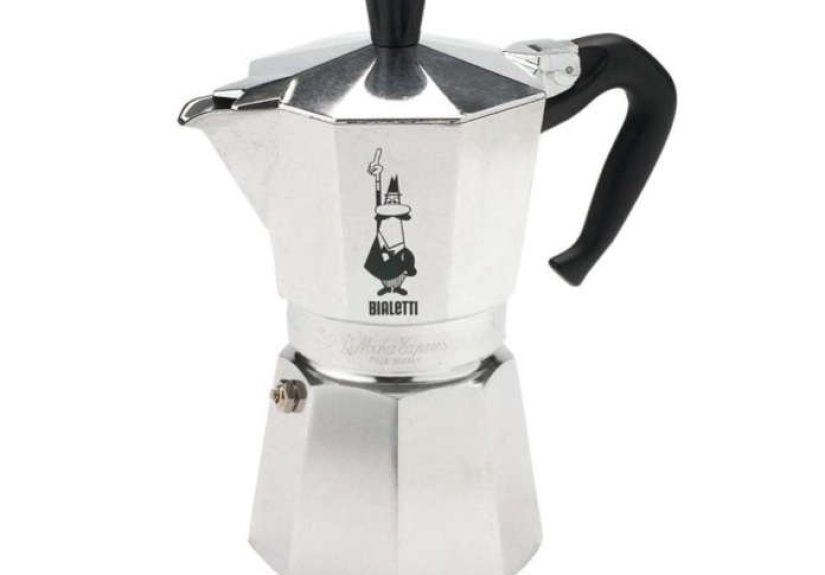
If you’ve ever seen a little silver octagonal pot bubbling away on a stove with a cartoon man sporting a mustache on the side, you’ve already met the Bialetti stovetop espresso maker. For millions of coffee drinkers, this isn’t just a gadgetit’s a daily ritual, a mini Italian vacation poured straight into a cup.
Often called a moka pot, the classic Bialetti Moka Express has been around since the 1930s. It still brews coffee the same way: by pushing hot water up through finely ground coffee using steam pressure. The result is a bold, espresso-like drink without the cost, counter space, or learning curve of a full-blown espresso machine.
What Is a Bialetti Stovetop Espresso Maker, Really?
Technically, the Bialetti Moka Express is a stovetop coffee maker that uses vapor pressure to brew. Water in the bottom chamber heats, turns to steam, and pushes hot water up through the coffee grounds into the upper chamber. You don’t need electricity, an app, or a barista certificatejust heat, water, and coffee.
Some key things that make the Bialetti stand out:
- Iconic octagonal shape: Designed in 1933, the Moka Express’s aluminum body and eight-sided form are so famous that it’s displayed in major design museums like MoMA.
- The “little man with the mustache” mascot: Bialetti’s logo, added in the 1950s, became a symbol of everyday Italian coffee culture.
- Aluminum body with a safety valve: Classic models use food-safe aluminum with a pressure safety valve on the lower chamber. Newer stainless steel lines (like the Venus or Kitty) offer similar brewing with induction-friendly bases.
- Multiple sizes: You can get anything from a 1-cup to a 12-cup model, with “cups” measured in espresso-style 1.5–2 ounce servings, not giant diner mugs.
A Quick History of the Bialetti Moka Express
The Bialetti story starts in Italy in the early 20th century, when the company originally worked with aluminum. Around 1933, engineer Luigi De Ponti designed the Moka Express for Alfonso Bialetti, inspired by the way early washing systems pushed water up through a central tube. The idea: make strong, café-style coffee available at home, even during hard economic times.
After World War II, Alfonso’s son Renato Bialetti turned that clever little pot into a cultural icon through smart marketing and the now-famous mustached mascot. Over the decades, more than 200 million moka pots in various forms have been sold worldwide, making the Bialetti stovetop espresso maker a staple in European and Latin American homes and an enduring symbol of Italian design.
Today, moka pots are having a comeback. Social media, especially TikTok and Instagram, has rediscovered them as an affordable, low-tech way to make rich coffee at home, and they’re still widely recommended by coffee pros as a budget-friendly “almost espresso” brewer.
How the Bialetti Stovetop Espresso Maker Works
The beauty of the Bialetti design is that it’s both simple and clever. Here’s what’s happening every time you brew:
- Water in the bottom chamber heats up. As the water approaches boiling, steam builds up and increases pressure inside the chamber.
- Pressure pushes hot water upward. That pressure forces the water up through the funnel-shaped filter basket packed with coffee grounds.
- Extracted coffee rises into the top chamber. The brewed coffee flows up through a central column and cascades into the upper chamber, ready to pour.
- The safety valve is there “just in case.” If something goes wronglike a clogged filter or overtightened potthe pressure release valve helps prevent dangerous buildup.
The result is intense, concentrated coffeestronger than typical drip coffee, not quite as concentrated as a true espresso shot, but perfect for cappuccino-style drinks, Americanos, and straight-up sips.
Choosing the Right Bialetti Size and Model
Understanding “Cup” Sizes
One of the first confusing things about Bialetti moka pots: the cup sizes. A “3-cup” Moka Express doesn’t make three big mugsit makes three small espresso-style servings. Roughly speaking:
- 1-cup: about 1–2 ounces of coffee
- 3-cup: about 4 ounces of coffee (perfect for one strong drink or two small espressos)
- 6-cup: about 9–10 ounces (great for two large cappuccinos or several small cups)
- 9-cup and up: for households where coffee is basically a group sport
Because moka pots work best when filled properly, it’s smart to choose a size that matches how much coffee you regularly drink or share. You can’t easily “half-batch” a Bialetti without tinkering with baskets and water levels.
Aluminum vs. Stainless Steel Bialetti Models
The classic Bialetti Moka Express is aluminum, which heats quickly and works beautifully on gas, electric coil, and many ceramic cooktops. However, aluminum isn’t induction-compatible, and it needs a little more care when cleaning.
Bialetti also makes stainless steel models like the Venus, Musa, and Kitty. These typically:
- Work on induction cooktops (always double-check the specific model)
- Are more resistant to scratches and discoloration
- Can usually tolerate gentler soap, depending on the manufacturer’s instructions
Flavor-wise, the brewing method is the same, so the difference is more about durability, aesthetics, and compatibility with your stove than radically different coffee.
How to Use a Bialetti Stovetop Espresso Maker (Step by Step)
Brewing with a Bialetti is easy, but a few details make the difference between “Wow, that’s smooth” and “Why does this taste like burnt rubber?” Here’s a practical guide.
1. Prep the Water
Fill the bottom chamber with fresh water up tobut not pastthe safety valve. Many home baristas like to start with hot or just-boiled water to shorten brew time and reduce the chance of scorching the coffee.
As a general ratio, aim for roughly 1:8 to 1:10 coffee to water by weight. In everyday terms: for a 3-cup Moka Express, about 15–18 grams of coffee to around 120–150 grams (4–5 ounces) of water is a solid starting point.
2. Grind and Fill the Basket
Grind your coffee to a medium-fine consistencyfiner than drip, coarser than espresso. If you’re using pre-ground “espresso” coffee from the store, it will typically work fine, though a fresh grind will taste better.
- Fill the filter basket loosely to the top.
- Level it with your finger or a flat tool.
- Do not tamp like you would for an espresso machine; tamping can create too much resistance and cause over-extraction or dangerous pressure buildup.
3. Reassemble and Heat
Insert the filled coffee basket into the bottom chamber, then screw the top on firmly but not aggressively. Make sure the rubber gasket is seated properly and the threads are clean so you get a good seal.
Place the moka pot on the stove over medium to medium-low heat. If using gas, keep the flame contained under the baseif it’s roaring up the sides, it’s too hot.
4. Watch and Listen for the Magic
As pressure builds, coffee will begin to flow into the upper chamber with a soft, gurgling sound. This should be steady, not explosive. When the top chamber looks nearly full and the sound turns more sputtery and airy, it’s time to remove the pot from the heat.
Some moka enthusiasts like to quickly cool the base under cold water to stop extraction and reduce bitterness, especially if the coffee is still bubbling aggressively.
5. Pour and Enjoy
Give the coffee in the upper chamber a gentle stir with a spoon before pouringthis helps mix the stronger early brew with the weaker later brew so each cup tastes balanced. Then serve as:
- Strong “espresso-style” shots
- A mini latte or cappuccino with steamed or frothed milk
- An Americano-style drink by adding hot water
Tips for Better Coffee from Your Bialetti
You don’t need perfectionist-level gear to get a great cup, but a few tweaks go a long way:
- Use fresh, good-quality beans. Medium or medium-dark roasts often work best. Super dark roasts can quickly taste burnt.
- Dial in your grind. If your coffee is bitter and harsh, try a slightly coarser grind. If it tastes weak and sour, grind a bit finer.
- Mind the heat. Too high and you scorch the coffee; too low and it may under-extract. Medium heat is usually the sweet spot.
- Stop before the angry sputter. Removing the pot from heat early keeps volatile, harsh compounds out of your cup.
- Experiment with ratios. Some people like a stronger 1:7 brew, others prefer 1:10. Let your taste buds decide.
Cleaning and Caring for a Bialetti Stovetop Espresso Maker
Proper cleaning keeps your coffee tasting great and extends the life of the pot. The good news: it’s simple.
Daily Cleaning Routine
- Allow the pot to cool down after brewing.
- Unscrew the top, remove the filter basket, and discard the used grounds.
- Rinse each part under warm running water.
- Skip the dishwasher for aluminum models. Harsh detergents and high heat can discolor and pit the metal.
- Dry all parts thoroughly before reassembling to avoid oxidation and stale coffee smells.
Many coffee lovers avoid using soap on aluminum moka pots because it can affect the surface and sometimes leave a residual taste. A gentle scrub with a soft brush and hot water is usually enough.
Occasional Deep Maintenance
Every so often, take a few extra minutes to inspect and refresh your Bialetti:
- Check the rubber gasket. If it looks cracked, stiff, or stained, it’s time to replace it.
- Inspect the filter and funnel. Make sure the tiny holes aren’t clogged with old coffee oils or grounds.
- Examine the safety valve. The valve should move freely and be clear of residue. If it looks damaged or stuck, replace the part or the entire potthis is a safety feature, not decoration.
Bialetti Stovetop Espresso Maker vs. Other Coffee Methods
If you’re wondering how the Bialetti fits into your coffee lineup, think of it as the middle child between drip coffee and espresso.
Compared to Espresso Machines
- Pressure: A moka pot uses lower pressure than a pump-driven espresso machine, so the coffee is a bit less concentrated and typically has less crema.
- Cost: A Bialetti is a fraction of the price of an espresso machine, with no need for complex maintenance or repairs.
- Skill level: There’s a learning curve, but it’s much gentler than dialing in a full espresso setup.
Compared to Drip or Pour-Over
- Strength: Moka coffee is more intense and syrupy than typical drip or pour-over.
- Body: Expect a heavier mouthfeel with more oils and a robust flavor profile.
- Versatility: Great as a base for milk drinks or as a strong straight shot, especially if you like bold flavor.
If you enjoy café-style drinks but don’t want to invest in a full espresso rig, a Bialetti stovetop espresso maker is a very reasonableand charmingmiddle ground.
Why the Bialetti Stovetop Espresso Maker Still Matters
Despite waves of coffee trendsfrom pods to smart machinesthe humble moka pot keeps hanging around. There are a few reasons for that:
- Affordability: You can buy a Bialetti for less than a month’s worth of café lattes.
- Longevity: With basic care, these pots can last for years, even decades.
- Portability: You can toss one into a suitcase or camping bin and have “espresso-style” coffee anywhere there’s a heat source.
- Design appeal: The retro-industrial look fits everything from modern minimalist kitchens to tiny studio apartments.
It’s also deeply ritualistic. Filling the base, leveling the grounds, listening to the first sputterthere’s something satisfying and grounding about the whole process that a single push-button machine just doesn’t replicate.
Real-Life Experiences with the Bialetti Stovetop Espresso Maker
If you talk to moka pot fans long enough, you’ll notice that everyone seems to have a story attached to theirs. The Bialetti isn’t just a coffee maker; it becomes part of people’s routines, travels, and even family memories.
For some, the Bialetti is their first “serious” coffee tool. Maybe they bought it as a broke college student who wanted café-style drinks without paying café-level prices. They learned, through trial and error, that a lower flame and a slightly coarser grind made the difference between bitter sludge and a rich, chocolatey cup. Over time, that little pot turned into a kind of teacher: patient, consistent, and brutally honest when you rushed the process.
Others discover the Bialetti on the road. It’s a favorite among travelers and campers because it weighs almost nothing, needs no electricity, and feels delightfully old-school. Imagine waking up in a cabin or tent, firing up a camp stove, and listening to that gentle gurgle as coffee rises into the top chamber. When the first sip hitsthick, warm, and a little intenseyou realize you don’t actually miss your café back home that much.
There are also families who practically inherit moka pots. Maybe a grandparent kept one permanently on the stove, slightly stained and perfectly seasoned. Kids watched the brewing ritual, eventually graduated to sipping the tiniest diluted cups, and later got their own Bialetti when they moved out. Every time they brew, they’re not just making coffee; they’re recreating a moment, a smell, a sound they grew up with.
On the more practical side, people often describe a progression: they start with drip coffee, move to a Bialetti for more intensity, flirt briefly with expensive espresso machines, then drift back to the stovetop moka because it’s just easier. The Bialetti doesn’t demand constant tweaking or expensive parts. It rewards consistency and attention, not perfectionism.
Of course, not every first experience is magical. Many people’s initial brew is too bitter, too hot, or too thin. But that’s part of the appeal: you don’t just push a button; you learn the pot’s personality. You adjust your grind, tweak your heat, maybe start using preheated water, and suddenly a week later you’re pulling off cups that taste like something from a cozy Italian café. When guests come over and you pour them a moka pot latte, you’re not just serving coffeeyou’re showing off a skill.
And that might be the secret charm of the Bialetti stovetop espresso maker: it makes you an active participant in your coffee, not just a consumer. You choose the beans, the grind, the heat, and the timing. When it all comes together, that little octagonal pot delivers something more than caffeineit delivers a small, daily victory.