Table of Contents >> Show >> Hide
- Quick Snapshot: What You’re Making
- Why Bread Pudding Works (A Tiny Bit of Delicious Science)
- Ingredients for a Classic Bread Pudding Recipe
- Step-by-Step: How to Make Bread Pudding
- Vanilla Sauce: The 10-Minute Glow-Up
- Flavor Variations (So You Don’t Get Bored)
- Common Problems (And How to Fix Them)
- Make-Ahead, Storage, and Reheating
- Serving Ideas (Beyond “Just Eat It Over the Sink”)
- Conclusion
- Experiences & Real-Life Notes: What Bread Pudding Teaches You (About Cooking and People)
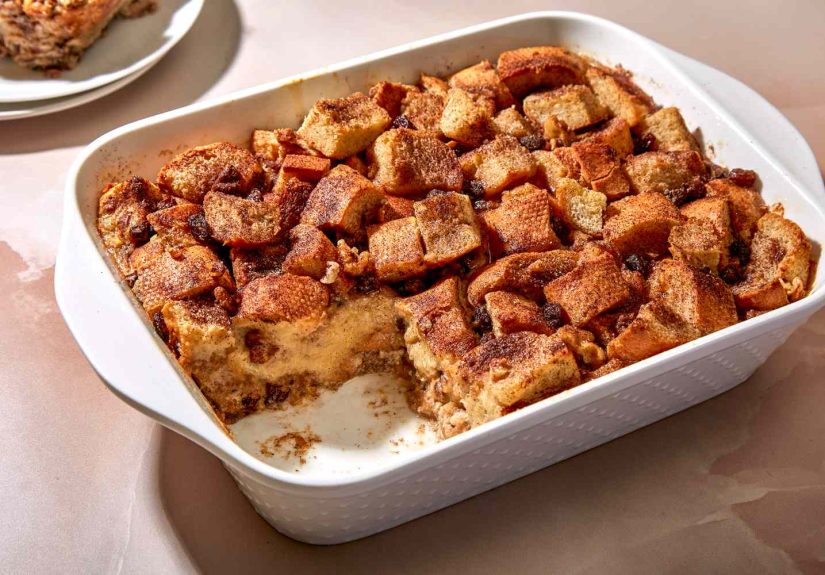
Bread pudding is what happens when “I should probably throw this bread away” meets “Waitthis could be dessert.”
It’s cozy, budget-friendly, and shockingly forgiving: cubes of stale bread soak up a sweet custard, then bake into
a dish that’s crisp on top and custardy underneath. Think French toast’s richer, more relaxed cousin who owns a casserole dish.
Below is a classic, foolproof bread pudding recipe (plus variations, troubleshooting, and make-ahead tips),
written for real kitchens with real ovens that sometimes run hot, cold, or emotionally unavailable.
Quick Snapshot: What You’re Making
- Texture: Soft and custardy inside, golden and lightly crisp on top
- Flavor: Vanilla-forward with warm cinnamon and a hint of nutmeg
- Best bread: Challah, brioche, French bread, or sturdy sourdough (slightly stale is ideal)
- Time: 20 minutes prep + 30 minutes soaking + 45–60 minutes baking
- Servings: 10–12 (in a 9×13-inch baking dish)
Why Bread Pudding Works (A Tiny Bit of Delicious Science)
Bread pudding is basically a controlled soak. Drier bread is more absorbent, which means it can drink up custard without
collapsing into mush. As it bakes, egg proteins set the custard into a tender structurelike a soft baked custard holding
hands with toasted bread. The top gets extra heat and air exposure, so it browns and crisps while the center stays creamy.
The secret isn’t fancy ingredients. It’s balance: enough custard to saturate the bread, enough eggs to set it,
and enough soak time to let the bread absorb before baking. Do that, and you’re basically unstoppable.
Ingredients for a Classic Bread Pudding Recipe
For the Bread Pudding
- 10–12 cups bread cubes (about 14–18 oz), 1-inch cubes; slightly stale is best
- 4 large eggs
- 2 large egg yolks (optional, but adds extra richness)
- 2 cups whole milk
- 1 1/2 cups heavy cream (or use half-and-half for a lighter version)
- 3/4 cup granulated sugar
- 1/4 cup light brown sugar (for deeper caramel notes)
- 2 tbsp unsalted butter, melted (plus more for greasing the pan)
- 2 tsp vanilla extract
- 1 1/2 tsp ground cinnamon
- 1/4 tsp ground nutmeg (freshly grated is extra nice)
- 1/2 tsp fine salt (yes, even dessert needs a pinch of reality)
- Optional mix-ins: 1/2–1 cup raisins, dried cherries, chopped pecans, or chocolate chunks
For a Simple Vanilla Sauce (Alcohol-Free)
- 1 1/2 cups milk (or half-and-half for richer sauce)
- 1/3 cup brown sugar
- 3 tbsp butter
- 1 egg (whisked well)
- 1 tbsp flour or cornstarch (for thickening)
- 1 tsp vanilla extract
- Pinch of salt + optional pinch of cinnamon
Bread choice tip: If you want a bakery-style custardy center, go with challah or brioche.
If you want more chew and structure, use French bread or sourdough. If you use soft sandwich bread, dry it well first
or it can turn “wet sponge” faster than you can say “what happened.”
Step-by-Step: How to Make Bread Pudding
1) Prep the bread
- Heat oven to 350°F. Grease a 9×13-inch baking dish with butter.
-
Spread bread cubes on a baking sheet. If your bread is fresh and soft, toast it for 10–15 minutes
(stir once) until it feels dry on the surface. If it’s already stale, you can skip this step.
2) Mix the custard
- In a large bowl, whisk eggs and yolks until smooth.
-
Whisk in milk, cream, sugars, melted butter, vanilla, cinnamon, nutmeg, and salt.
(If you’re adding mix-ins like raisins or nuts, you can fold them in later.)
3) Soak like you mean it
- Place bread cubes in the greased baking dish (or in a big bowl first if you prefer easier mixing).
- Pour custard evenly over the bread. Press bread gently so the top layer gets coated.
-
Let it soak for 30 minutes. Press down once or twice so everything gets a fair share of custard.
(Translation: no dry bread islands.)
4) Bake until set (not until “bone-dry”)
-
Bake at 350°F for 45–60 minutes, until the top is golden and the center is set but
still has a slight jigglelike it’s saying “I’m done, but I still have feelings.” -
For best accuracy, use an instant-read thermometer in the center. Aim for
160–170°F. (That range gives you a safe, set custard without overbaking.) -
Rest for 10–15 minutes before serving. The custard continues to set as it cools, which means cleaner slices
and fewer “why is it falling apart?” moments.
Optional upgrade: If your oven runs hot and browns the top too fast, loosely tent with foil for the last
15–20 minutes. You want “golden” not “campfire souvenir.”
Vanilla Sauce: The 10-Minute Glow-Up
Bread pudding is delicious on its own, but sauce turns it into a “special occasion” dessert even if the occasion is
“it’s Tuesday and I survived.”
How to Make the Sauce
- In a saucepan over medium heat, whisk milk, brown sugar, butter, flour (or cornstarch), salt, and optional cinnamon.
- When warm (not boiling), slowly whisk in the beaten egg.
-
Cook, whisking constantly, until thick enough to coat the back of a spoon,
about 8–12 minutes. Remove from heat and stir in vanilla.
Tip: Keep heat moderate and whisk constantly. Egg-based sauces love to curdle if ignoredkind of like a group chat.
Flavor Variations (So You Don’t Get Bored)
1) Apple Pie Bread Pudding
Fold in 2 cups diced apples (or sauté them briefly with butter and cinnamon first). Add a pinch of cloves and swap half the
vanilla for 1/2 tsp almond extract if you want bakery vibes.
2) Chocolate Chunk “Hot Cocoa” Style
Add 3 tbsp cocoa powder to the custard and fold in 3/4 cup chocolate chunks. You’ll get molten pockets that feel like dessert
jackpot without buying lottery tickets.
3) Maple Pecan Bread Pudding
Replace 1/3 cup sugar with maple syrup and fold in 1 cup toasted pecans. Maple + custard is basically sweater weather in food form.
4) Citrus-Spice Holiday Version
Add 1 tbsp orange zest and 1/2 cup dried cranberries. Serve with vanilla sauce and pretend you planned this all month.
5) Savory “Stuffing’s Fancy Cousin” (Bonus Idea)
Skip sugar, add sautéed onions, herbs, cheese, and use more salt/pepper. Bread pudding can go savory and still be wildly comforting.
Common Problems (And How to Fix Them)
“It’s soggy in the middle.”
- Cause: Too much liquid, not enough bake time, or bread wasn’t dry enough.
- Fix: Bake longer in 5–10 minute increments and check center temperature. Next time, dry the bread cubes first.
“It’s dry and kinda…sad.”
- Cause: Overbaked or not enough custard.
- Fix: Serve warm with vanilla sauce (instant rescue). Next time, pull it at 160–170°F and rest it instead of continuing to bake “just in case.”
“The top is burnt but the center isn’t set.”
- Cause: Oven running hot or dish placed too high.
- Fix: Tent with foil and move the dish to the middle rack. Consider lowering oven temp by 25°F next time.
“It tastes eggy.”
- Cause: Underbaked custard or too many eggs for the liquid ratio.
- Fix: Bake until set and properly hot in the center. Add more vanilla and a pinch more salt for balance.
Make-Ahead, Storage, and Reheating
Make-ahead
You can assemble bread pudding (bread + custard) and refrigerate it covered for up to 8–12 hours.
This gives extra soak time and often improves texture. Bake straight from the fridgejust add 5–10 minutes to baking time.
Storage
Cool leftovers, cover tightly, and refrigerate for up to 3 days. The texture softens a bit over time (still tasty),
and the flavors often get cozier.
Reheating
- Oven (best): 325°F for 10–15 minutes, covered with foil
- Microwave (fast): 30–60 seconds per slice, then add sauce and act like it was always the plan
Serving Ideas (Beyond “Just Eat It Over the Sink”)
- Classic: Warm bread pudding + vanilla sauce
- Brunch energy: Serve with berries and Greek yogurt for a “look, I’m balanced” moment
- Ice cream meltdown: Vanilla ice cream on top; it becomes sauce with zero effort
- Crunch contrast: Toasted nuts or a sprinkle of coarse sugar right before serving
- Holiday plate: Add cranberries, orange zest, and a dusting of powdered sugar
Conclusion
A great bread pudding recipe doesn’t demand perfectionjust decent bread, a well-seasoned custard,
and enough soak time for everything to become best friends. Once you nail the basic version, you can riff endlessly:
apples, chocolate, nuts, holiday spices, even savory twists. It’s comfort food with a built-in superpower: turning leftovers
into something people request on purpose.
Make it once, and you’ll start looking at stale bread like it owes you rent.
Experiences & Real-Life Notes: What Bread Pudding Teaches You (About Cooking and People)
The first time most people make bread pudding, it’s usually not because they woke up craving it. It’s because there’s a loaf
of bread sitting on the counter with the texture of a paperback book. You pick it up, consider your life choices, and then
remember bread pudding existslike a culinary safety net that shows up right when you need it.
One of the funniest parts of bread pudding is how it changes your relationship with “stale.” In many kitchens, stale bread is a
problem. In bread pudding land, it’s a feature. People start saving the ends of loaves, the last few slices of challah, the
“nobody wants this” heel pieces. Suddenly you’re not throwing food awayyou’re “collecting ingredients.” That’s not hoarding;
that’s a dessert strategy.
Bread pudding also has a way of revealing how different cooks define “perfect.” Some folks want it ultra-custardyalmost like a
spoonable baked vanilla pudding with bread as a supporting actor. Others want crisp edges and a top that crackles just a little
when you tap it with a spoon. Neither side is wrong. Bread pudding quietly tells you: choose your vibe, then pick your pan.
Deeper dish for softer, shallower dish for more crisp surface. (Yes, your bakeware has a personality.)
Another real-life lesson: soaking time is the difference between “wow” and “why is this dry on top and soupy underneath?”
People who rush the soak often end up with bread that’s only partially hydratedcustard pools at the bottom, while the top stays
stubbornly dry. The cooks who let it sit, press it down, and give it a few minutes to absorb usually get that magical,
even texture where every bite tastes intentional. It’s a good reminder that sometimes the best cooking skill is patience
disguised as “waiting.”
Bread pudding is also a crowd-pleaser in the most low-drama way. It’s not flashy. It doesn’t require piping bags or five
different flours with names that sound like indie bands. You can serve it at a holiday dinner, a potluck, or a random weekend
brunch, and it feels right at home. People tend to take a “small piece” and then circle back for a “research-based second slice.”
If you add sauce, you’ll see the moment it happens: spoons move faster, conversation gets quieter, and suddenly you’re the person
who “makes that amazing bread pudding.” Which is a surprisingly powerful reputation to have.
It even becomes a memory dessert for a lot of families. Someone always remembers a version from childhoodmaybe with raisins,
maybe with cinnamon, maybe with a sauce that made it feel fancy. When you bake it now, it’s not just a recipe; it’s a familiar
smell that makes kitchens feel warmer. That’s why bread pudding sticks around generation after generation: it’s practical,
comforting, and just sentimental enough to make people smile without making a speech.
Finally, bread pudding teaches you that “use what you have” can still taste like love. The bread might be leftover, but the
result never feels like a leftover. It feels like you knew exactly what you were doingeven if, at the beginning, you were
simply trying to rescue a loaf from the trash.