Table of Contents >> Show >> Hide
- When breathing trouble is an emergency (don’t “wait it out”)
- What people mean by “breathing treatments”
- Breathing exercises that actually help (and aren’t just “wellness theater”)
- Airway clearance: when the problem is mucus (not just tight airways)
- Pulmonary rehabilitation: the underrated powerhouse
- Incentive spirometry: the post-surgery breathing “homework” that’s worth it
- Condition-specific treatments (because “short of breath” isn’t a diagnosis)
- How clinicians decide what will help: quick tests and clues
- Safe, practical things you can try right now (if it’s not an emergency)
- Real-life experiences: what “help” actually feels like (500-ish words of reality)
Disclaimer: This article is for general education, not personal medical advice. If you’re struggling to breathe, trust your instincts and get medical care.
“Breathing treatment” is one of those phrases that can mean everything from a lifesaving ER nebulizer to a five-minute technique you do on the couch while
pretending you’re “just resting” (you’re notyour lungs are throwing a tiny protest). The tricky part is that shortness of breath can come from very
different causesairway narrowing (asthma/COPD), infection, mucus plugging, allergies, sleep apnea, anxiety, heart issues, even reflux. So the best
breathing treatment is the one that matches why you’re short of breathnot just what looks cool on a medical drama.
Let’s break down what actually helps, how these options differ, what you can do at home safely, and when it’s time to stop Googling and go get help.
When breathing trouble is an emergency (don’t “wait it out”)
If you notice any of the following, treat it like an emergency: severe or rapidly worsening shortness of breath, blue/gray lips or face, chest pain/pressure,
confusion, fainting, inability to speak in full sentences, or a “silent chest” (wheezing suddenly stops because almost no air is moving).
Also seek urgent care if you’re using rescue meds much more than usual, your oxygen level is low, or you feel like you’re working hard just to breathe.
The goal here is simple: don’t gamble with oxygen. Your body is not a smartphoneyou can’t just dim the screen and keep going.
What people mean by “breathing treatments”
In clinics and emergency rooms, “breathing treatment” often refers to medication delivered directly into the lungs, usually by an
inhaler or nebulizer. But it can also include oxygen, steroids, airway pressure machines, airway-clearance methods, and
structured programs like pulmonary rehabilitation.
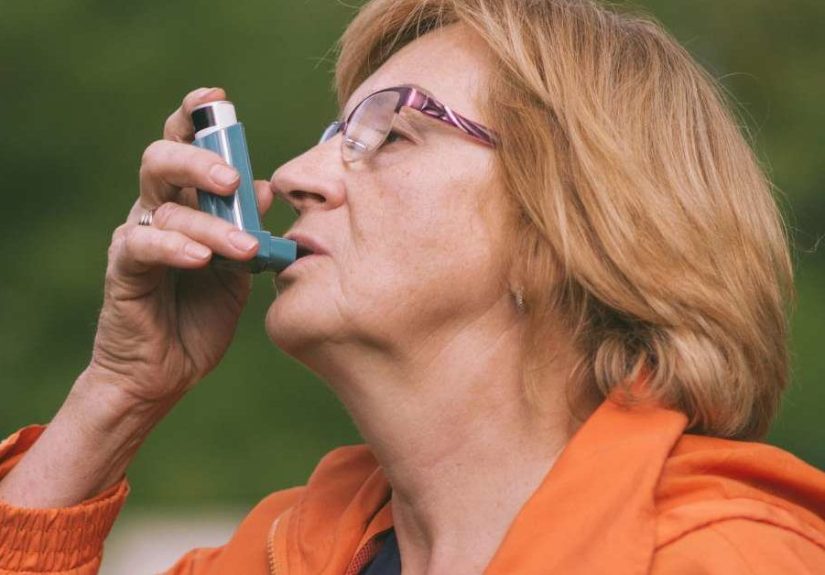
1) Inhalers (fast, portable, easy to do wrong)
Inhalers deliver medication as a spray or dry powder. For sudden symptoms (wheezing, chest tightness, coughing fits), clinicians often prescribe
short-acting bronchodilators (often called a “rescue inhaler”). These relax airway muscles and open the breathing tubes quickly.
- Best for: asthma flare-ups, exercise-induced symptoms, sudden bronchospasm.
- Pro tip: technique matters. A spacer (for metered-dose inhalers) can dramatically improve delivery.
- Reality check: if you’re leaning on a rescue inhaler constantly, that can signal poor control and the need for a preventive plan.
2) Nebulizers (the “tiny fog machine” for your airways)
A nebulizer turns liquid medicine into a mist you breathe in through a mask or mouthpiece. It’s commonly used in hospitals and at home for people who
have trouble coordinating an inhaleryoung kids, severe flare-ups, or anyone who’s too breathless to time inhalation perfectly.
Common nebulized medications include bronchodilators and, in some situations, combination therapies that target airway tightening from more than one angle.
Nebulizers can feel more “intense,” but they’re mostly just a different delivery system.
- Best for: moderate-to-severe flare-ups, people who struggle with inhaler technique, certain chronic lung diseases.
- What it feels like: relief can be quick; side effects may include jitteriness or a fast heartbeat (especially with some bronchodilators).
3) Oxygen therapy (helpfulwhen you truly need it)
Supplemental oxygen increases the oxygen available to your body when your lungs can’t move enough oxygen into the blood.
It can be delivered via nasal cannula, mask, or more advanced systems depending on severity.
Important nuance: oxygen helps low oxygen levels, but it doesn’t directly “open” tight airways. If the main problem is bronchospasm,
you still need the right meds. Think of oxygen as the backup generatoramazing when the power is out, unnecessary when the grid is fine.
4) Steroids (not the gym kind)
In asthma and COPD flare-ups, clinicians may use corticosteroids to reduce airway inflammation. These can be inhaled (for long-term control) or given
by mouth/injection (for acute exacerbations). They’re not instant like bronchodilators, but they can be a big part of stopping a flare from snowballing.
5) Positive airway pressure (CPAP/BiPAP/PAP)
If you have obstructive sleep apnea or certain other conditions, your issue may not be “tight airways” but a collapsible upper airway at night.
PAP therapy uses pressurized air to keep the airway open during sleep.
If you wake up unrefreshed, snore loudly, or have witnessed pauses in breathing, treating sleep-disordered breathing can improve daytime breathlessness,
energy, blood pressure, and overall quality of life.
Breathing exercises that actually help (and aren’t just “wellness theater”)
Done correctly, breathing techniques can reduce air trapping, calm the nervous system, improve ventilation, and make activity more tolerable.
They’re not magic, but they’re surprisingly powerfullike a software update for your breathing mechanics.
Pursed-lip breathing (especially for COPD and “air hunger”)
Pursed-lip breathing slows exhalation and can help keep airways open longer, reducing trapped air and easing shortness of breath.
It’s simple enough to do anywherestairs, grocery aisles, awkward family gatherings.
- Inhale gently through your nose for about 2 counts.
- Purse your lips like you’re cooling soup.
- Exhale slowly for about 4 counts (longer exhale than inhale).
Diaphragmatic breathing (train the main breathing muscle)
Diaphragmatic breathing focuses on belly expansion rather than upper-chest “panic breathing.” Over time it can improve efficiency and reduce the sensation
of working hard to breathe.
- Place one hand on your chest, one on your belly.
- Breathe in through your nose; aim for the belly hand to rise more than the chest hand.
- Exhale slowly, staying relaxed through the shoulders and jaw.
Box breathing and paced breathing (great for anxiety-driven breathlessness)
Anxiety and breathlessness can chase each other in circles. Paced breathing techniques (like box breathing: inhale-hold-exhale-hold in equal counts) can
lower hyperventilation, reduce dizziness/tingling, and help you regain control. If anxiety is a frequent trigger, pairing breathing techniques with therapy
tools (like CBT) can be a game-changer.
Airway clearance: when the problem is mucus (not just tight airways)
Some breathing issues aren’t about airways squeezing downthey’re about mucus blocking airflow. This can happen in bronchiectasis, cystic fibrosis,
chronic bronchitis, and during or after respiratory infections. In these situations, airway clearance techniques can reduce congestion,
lower infection risk, and improve breathing comfort.
Huff coughing (the mucus-moving “power tool”)
Huff coughing is a controlled exhale that moves mucus from smaller airways to larger ones so you can clear it without exhausting yourself with violent coughing.
- Sit upright and take a medium-deep breath (not max).
- Hold 2–3 seconds.
- Exhale forcefully with an open mouth as if fogging a mirror: “HAA.”
- Repeat a couple times, then rest.
PEP/oscillating PEP devices and chest physiotherapy
PEP devices create resistance on exhale, helping keep airways open and move mucus. Oscillating versions add vibration, which can help loosen secretions.
Some people use percussion, postural drainage, or a vibrating vest system (high-frequency chest wall oscillation) under clinician guidance.
Pulmonary rehabilitation: the underrated powerhouse
If you have chronic lung disease and shortness of breath is shrinking your world, pulmonary rehab can expand it again.
These programs combine supervised exercise training, education, breathing strategies, and support. The surprising truth:
many people breathe better not because their lungs “changed,” but because their body became more efficient and less afraid of activity.
- Best for: COPD, chronic breathlessness, post-hospital recovery, and other long-term lung conditions (as recommended).
- What you learn: pacing, inhaler technique, breathing strategies, and how to exercise with less dyspnea.
Incentive spirometry: the post-surgery breathing “homework” that’s worth it
After surgery or long periods in bed, people tend to take shallow breaths, which can increase the risk of lung complications.
An incentive spirometer encourages slow, deep inhalations to help re-expand the lungs.
It looks like a plastic gadget because it is a plastic gadgetbut it’s a useful one.
Typical instructions involve inhaling slowly to raise the indicator, holding the breath briefly, then exhaling and repeating for setsfollowing your care team’s guidance.
Condition-specific treatments (because “short of breath” isn’t a diagnosis)
Asthma: control the inflammation, not just the flare
Asthma often needs two layers of strategy: quick relief for symptoms and long-term control to reduce inflammation and prevent flare-ups.
Many people benefit from a written asthma action plan that spells out what to do in “green/yellow/red” zones and when to seek emergency care.
- Rescue meds help in the moment.
- Controller meds (often inhaled) are about preventing the moment.
- Triggers matter: smoke, viral infections, allergens, cold air, and poor air quality can all play roles.
COPD: bronchodilators + rehab + (sometimes) oxygen
COPD management is typically layered: inhaled bronchodilators, inhaler technique optimization, vaccinations, pulmonary rehab, and lifestyle changes.
For some people with low oxygen levels, supplemental oxygen can improve function and reduce strain on the body.
Learning pursed-lip breathing and pacing can make daily tasks less exhausting.
Sleep apnea: treat the nighttime airway collapse
If breathing stops repeatedly during sleep, the “treatment that helps you breathe” may be a PAP device at night, not a nebulizer in the daytime.
CPAP is widely used, and alternatives may include oral appliances, positional strategies, or procedures depending on the case.
Upper airway and “everything else”
Sometimes the lungs are innocent and the problem is upstream: chronic nasal congestion, vocal cord dysfunction, reflux, or deconditioning.
In those cases, targeted therapieslike treating allergies, reflux management, speech-therapy-style breathing retraining, and graded exercisecan matter more than bronchodilators.
How clinicians decide what will help: quick tests and clues
The best breathing treatment starts with a few practical questions: Is oxygen low? Are airways tight? Is mucus blocking airflow? Is the issue worst at night?
Is there fever or infection? Is there chest pain? Answers guide next steps.
Spirometry and lung function tests
Spirometry measures how much air you can exhale and how fasthelping evaluate conditions like asthma and COPD and track response to bronchodilators.
In some settings, broader pulmonary function testing looks at lung volumes and gas transfer.
Pulse oximetry (helpful, not perfect)
A fingertip pulse oximeter can give a rough estimate of oxygen saturation. It’s useful for trend-checking, but it can be inaccurate with cold hands,
nail polish, poor circulation, and certain medical conditions. If symptoms are severe, don’t let a gadget overrule your gut.
Safe, practical things you can try right now (if it’s not an emergency)
- Positioning: Sit upright, lean slightly forward, rest forearms on thighs (the classic “tripod” position) to reduce work of breathing.
- Pursed-lip breathing: Use it during exertion and recovery.
- Slow the pace: Break tasks into chunks; exhale on effort (standing, lifting, climbing).
- Avoid triggers: Smoke, strong fragrances, cold dry air, and poor air quality can worsen symptoms for many people.
- Hydration: Helps keep mucus less sticky (especially when combined with clinician-recommended airway clearance).
- Check technique: If you use an inhaler, review how you use itsmall tweaks can mean more medication reaches the lungs.
Real-life experiences: what “help” actually feels like (500-ish words of reality)
Here’s the part nobody tells you in a neat brochure: the most effective breathing treatments often feel almost boring when they work. Not dramatic. Not
cinematic. More like, “Huh… I can finish a sentence again.” People often expect instant, obvious relieflike flipping a switch. But for many conditions,
breathing improves in layers: less panic, fewer flare-ups, better stamina, more confidence moving through the day.
Consider a common asthma scenario: someone keeps a rescue inhaler in every bag, car, and jacketlike emergency confetti. They can stop an attack, sure,
but they’re using it so frequently that they start planning their life around “Where’s my inhaler?” When they finally add a preventive routine
(often with an action plan and better trigger control), the surprising win isn’t just fewer attacksit’s mental space. They stop scanning rooms for exits
and start scanning menus for dessert. That’s a quality-of-life upgrade.
In COPD, people often describe shortness of breath as “running out of room to breathe.” Pursed-lip breathing can feel silly at firstlike you’re trying to
whistle your way up a staircase. But many report a clear shift: stairs become a timed project instead of a crisis. The technique doesn’t give them
superhero lungs; it gives them control. Pulmonary rehabilitation adds another layer: at the start, exercise can feel like picking a fight with air.
Over weeks, people commonly notice they recover faster after exertion, sleep better, and feel less “trapped” at home. The social support helps, too.
Sometimes the best medicine is realizing you’re not the only person who has ever negotiated with a flight of stairs.
Airway clearance is its own category of “weird but effective.” Huff coughing and PEP devices don’t look glamorous. But people with chronic mucus problems
often describe a very specific relief: the sensation of air reaching “behind” the congestion again. Not always immediate, but noticeably easier breathing
after consistent practiceespecially during infections when mucus ramps up. The key is technique and timing, not brute force. Exhausting, nonstop coughing
can backfire; smart clearance is strategic.
And then there’s sleep apneawhere the “breathing treatment” happens while you’re unconscious and drooling on a pillow like a champion. Many new CPAP users
struggle for the first week or two. Masks feel awkward. The machine sounds like a tiny robot judging you. But a common turning point is waking up and
realizing their brain isn’t foggy, their morning headaches are reduced, or their daytime shortness of breath feels less dramatic. It’s not that CPAP makes
your lungs strongerit stops the nightly breathing interruptions that leave your body feeling like it ran a marathon while you were “resting.”
The bottom line: if you’re short of breath, there’s rarely a single hero treatment. The winners are usually a teamright diagnosis, correct delivery method
(inhaler vs nebulizer), consistent prevention, and practical breathing strategies. If your symptoms are frequent, worsening, or frightening, bring the
pattern to a clinician. Good breathing care isn’t just about surviving flare-ups; it’s about shrinking them until they stop bossing your life around.