Table of Contents >> Show >> Hide
If cake had a personality, it would be that friend who shows up to every party, remembers everyone’s name, and somehow leaves with all the compliments.
From weeknight sheet cakes to dramatic layer cakes that make people gasp before dessert is even cut, great cake recipes are a blend of flavor, structure, and timing.
This guide gives you both: the “why” behind better cakes and the “how” for cakes you’ll actually bake again.
You’ll get practical baking science, eight reliable cake recipes, troubleshooting tips, storage advice, and a long-form baker’s experience section at the end.
The style is simple, fun, and built for real kitchensnot fantasy kitchens where nobody ever forgets to soften butter.
Method Note: U.S. Sources Synthesized for This Guide
This article is based on real baking and food-safety guidance commonly published by reputable U.S. sources, including:
King Arthur Baking, Sally’s Baking Addiction, Serious Eats, Food Network, Epicurious, Bon Appétit, Martha Stewart, Southern Living, Allrecipes, FDA, CDC, USDA/FSIS, and FoodSafety.gov.
How Great Cake Recipes Actually Work
1) Flour Is More Than “White Powder in a Bag”
If your cakes come out tender one day and unexpectedly bready the next, flour choice might be the culprit.
Cake flour creates a finer, softer crumb, while all-purpose flour gives a sturdier structure.
Neither is “better”they just do different jobs. For airy layer cakes, cake flour shines; for snack cakes and casual bakes, all-purpose can be perfect.
2) Temperature Is a Secret Ingredient
Room-temperature butter, eggs, and dairy help batter emulsify smoothly.
Cold ingredients can leave a curdled-looking batter and denser crumb.
In cake land, “room temp” is less about being fancy and more about helping fat, liquid, and air work together like a good band.
3) Mixing: Enough, But Not a Marathon
Overmixing can toughen cake. Undermixing can leave dense streaks or weak structure.
The sweet spot? Mix intentionally. Cream butter and sugar until fluffy; once flour goes in, mix just until combined unless your recipe specifically calls for extra mixing time.
4) Leavening Is Chemistry, Not Vibes
Baking soda needs acid (like buttermilk, yogurt, lemon, or vinegar).
Baking powder is a more complete leavener and is often used when there isn’t enough acid to activate soda alone.
Some formulas use both for lift, browning, and flavor balance.
5) Pan Size and Oven Accuracy Matter More Than You Think
“Close enough” pan sizing can sink a cake. An 8-inch vs. 9-inch round pan changes depth and baking behavior significantly.
Fill pans about two-thirds full, and use an oven thermometer if results are inconsistent.
8 Cake Recipes You’ll Want to Bake on Repeat
1. Classic Vanilla Layer Cake
Why it works: Neutral flavor, soft crumb, endlessly customizable.
Key ingredients: Cake flour, unsalted butter, sugar, eggs, vanilla, milk, baking powder, salt.
Cream butter and sugar until light. Add eggs one at a time, then vanilla. Alternate dry ingredients with milk.
Bake in two 8-inch pans at 350°F until the center springs back and a tester comes out with a few moist crumbs.
Flavor twist: Add citrus zest or almond extract. Pair with berry filling and vanilla buttercream.
2. Deep Chocolate Buttermilk Cake
Why it works: Cocoa + hot liquid blooms flavor; buttermilk keeps texture plush.
Key ingredients: Flour, cocoa powder, sugar, baking soda/powder, eggs, buttermilk, oil, hot coffee, vanilla.
Whisk dry ingredients, combine wet ingredients separately, then mix just until smooth.
Add hot coffee last to intensify chocolate notes. Bake as layers or a sheet cake.
Flavor twist: Espresso buttercream or salted fudge frosting.
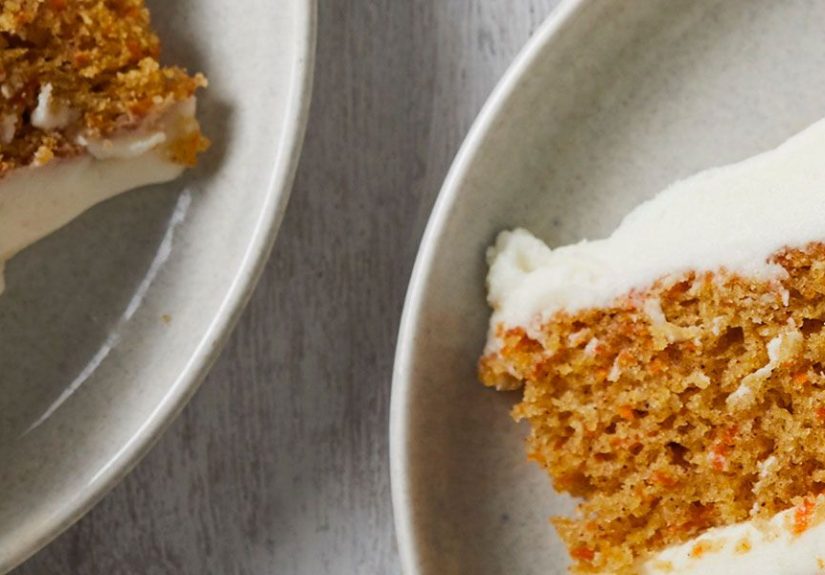
3. One-Bowl Carrot Pineapple Cake
Why it works: Carrots and crushed pineapple lock in moisture naturally.
Key ingredients: Flour, cinnamon, oil, eggs, sugar, shredded carrots, crushed pineapple, pecans/walnuts.
Stir wet ingredients, fold in dry ingredients, then carrots, pineapple, and nuts.
Bake in a 9×13 pan for easy serving, or in round pans for a celebration layer cake.
Flavor twist: Cream cheese frosting with toasted coconut.
4. Lemon Olive Oil Snacking Cake
Why it works: Oil-based cakes stay moist longer and are weeknight-friendly.
Key ingredients: Flour, sugar, eggs, olive oil, yogurt or buttermilk, lemon zest, lemon juice, baking powder, salt.
Whisk by hand, pour into an 8-inch square pan, and bake until golden.
Finish with a lemon glaze or powdered sugar. No mixer drama, no complicated frosting choreography.
Flavor twist: Add blueberries or rosemary sugar.
5. Red Velvet Celebration Cake
Why it works: Mild cocoa base, tangy dairy, and cream cheese frosting make a balanced bite.
Key ingredients: Flour, cocoa, sugar, buttermilk, eggs, vinegar, baking soda, red food coloring.
Mix wet and dry separately, combine gently, and bake in prepared layer pans.
Keep cocoa subtle; red velvet is not supposed to taste like full chocolate cake.
Flavor twist: Add raspberry filling for tart contrast.
6. Wacky Cake (No Eggs, No Dairy)
Why it works: Vinegar + baking soda create lift, oil adds moisture.
Key ingredients: Flour, sugar, cocoa, baking soda, salt, water, oil, vinegar, vanilla.
Mix directly in the baking pan or in one bowl, then bake.
This Depression-era classic is practical, delicious, and ideal when your fridge is suspiciously empty.
Flavor twist: Top with glossy chocolate glaze and flaky salt.
7. Angel Food Cloud Cake
Why it works: Egg white foam creates an ultra-light structure.
Key ingredients: Egg whites, sugar, cake flour, cream of tartar, vanilla, salt.
Whip whites to a stable foam, fold in sifted dry ingredients gently, and bake in an ungreased tube pan.
Cool upside down to keep volume. This is the cake equivalent of a clean white shirt: simple, sharp, surprisingly high maintenance.
Flavor twist: Serve with macerated strawberries and whipped cream.
8. Southern Hummingbird Cake
Why it works: Banana + pineapple + nuts = rich moisture and texture.
Key ingredients: Flour, sugar, oil, eggs, mashed banana, crushed pineapple, pecans, cinnamon.
Stir batter gently, bake in layers, and frost with cream cheese frosting.
It’s sweet, nostalgic, and made for potlucks, birthdays, and anyone who says “I’ll just have a tiny slice” and then asks for a second.
Flavor twist: Toasted pecan brittle crumble on top.
Frosting, Storage, and Make-Ahead Tips
Frosting Without Tears
Use a crumb coat first, chill, then add final frosting.
For cleaner layers, chill cake layers before stacking.
For warm-weather events, stabilize whipped frostings or choose buttercream styles with better heat tolerance.
How to Store Cake So It Stays Good
- Room temp (short-term): Unfilled or non-perishable frosted cakes, covered.
- Refrigerator: Cream cheese, whipped cream, custard, or fruit-heavy cakes.
- Freezer: Wrap layers tightly; freeze up to 2–3 months for best quality.
If cake contains perishable fillings or frostings, chill promptly.
For make-ahead baking, freeze unfrosted layers, thaw wrapped, then frost the day of serving.
Conclusion
The best cake recipes are the ones you trust under pressure: birthdays, office parties, last-minute dinners, and random Tuesdays when life feels rude.
Start with one reliable vanilla and one reliable chocolate cake, then build out with carrot, citrus, and specialty favorites.
Learn your batter textures, keep your leaveners fresh, respect pan size, and treat frosting like a process, not an emergency.
Bake often, taste as you go, and remember: even imperfect cake is still cakewhich is a win in most households.
Baker’s Journal: Real Experiences With Cake Recipes (Extended)
My first “serious” cake looked great for exactly seven minutes. Then the center sank like it had personal regrets.
I had used the right ingredients, but I opened the oven door three times because I was impatient and emotionally attached.
That bake taught me a rule I still follow: if your cake is in the first two-thirds of baking time, close the door and walk away.
Trust heat. Trust structure. Trust delayed gratification.
The second breakthrough came from switching to a kitchen scale. I had always measured flour with a scoop-and-shake method, which is basically chaos in cup form.
My cakes went from “good flavor, odd texture” to consistently tender.
Once I saw how much variation a packed cup of flour can create, I stopped guessing and started weighing.
Suddenly, recipes from different sites worked the way they were supposed to.
Room-temperature ingredients also changed everything. Before, my batter often looked curdled and I assumed that was normal.
After I started warming eggs in a bowl of lukewarm water and softening butter properly, the batter turned silky and uniform.
The crumb got finer, the rise improved, and frosting stopped splitting on me.
It felt like moving from static radio to clear audio.
Then I discovered reverse creaming for certain cakes. The texture was velvety and plush, especially in high-sugar layer cakes.
It wasn’t better for every style, but for celebration cakes that needed a polished crumb, it was a game-changer.
My old method made good casual cake. Reverse creaming made “you made this?” cake.
Frosting used to be my weakness. I’d rush, skip a crumb coat, and decorate on warm layers.
The result was a streaky, sliding situation that looked like abstract art.
Now I chill layers, do a thin crumb coat, chill again, and finish with a final coat.
The process takes a little longer, but the finish looks intentional instead of accidental.
I also learned the value of choosing cake by occasion. For birthdays with kids, I make sturdy chocolate sheet cake with forgiving frosting.
For dinner parties, I use lemon olive oil cake because it slices beautifully and doesn’t require elaborate decoration.
For holiday gatherings, carrot or hummingbird wins because moisture improves on day two and the flavor feels generous and nostalgic.
One of my most useful habits is “component baking.” I bake layers ahead, wrap and freeze them, then frost later.
This reduces stress and gives me cleaner results because chilled layers are easier to trim and stack.
On event day, I’m assembling, not panic-baking.
It’s the difference between hosting with confidence and serving dessert while still wearing oven mitts.
The biggest lesson, though, is that great cake comes from iteration, not perfection.
I keep notes: oven temp, pan type, mixing time, frosting consistency, what people loved, what they left on the plate.
Over time, my “recipe collection” became less about copying and more about understanding.
Now when a cake cracks, domes, or bakes faster than expected, I don’t panicI adjust.
Cake recipes stopped feeling like strict scripts and started feeling like tools.
And honestly, that’s when baking became fun.