Table of Contents >> Show >> Hide
- Why Pasta Gets Side-Eyed in Diabetes Conversations
- So, Can You Eat Pasta With Type 2 Diabetes?
- What Makes Pasta More Diabetes-Friendly?
- The Best Ways to Eat Pasta if You Have Type 2 Diabetes
- What About White Pasta?
- Can Pasta Ever Be a Good Choice?
- Sample Diabetes-Friendly Pasta Ideas
- Common Mistakes to Avoid
- How to Know If Pasta Works for You
- When to Be Extra Careful
- The Bottom Line
- Real-Life Pasta Experiences: What This Looks Like in Everyday Life
If you have type 2 diabetes and you’ve ever stared at a bowl of spaghetti like it personally betrayed you, welcome. This is a safe space. The good news is that pasta is not automatically off-limits. You do not need to file a restraining order against penne, banish fettuccine from family dinner, or pretend zucchini noodles are emotionally equivalent to the real thing.
The real answer is much less dramatic and much more useful: yes, you can eat pasta with type 2 diabetes. But the portion, the type of pasta, what you pair it with, and even how you cook it all matter. In other words, pasta isn’t the villain. The oversized restaurant bowl swimming in creamy sauce and garlic bread on the side? That one might be auditioning for the role.
For most people with type 2 diabetes, the goal is not to fear carbohydrates. It’s to manage them wisely. Pasta can absolutely fit into a balanced eating pattern when it’s treated as one part of the meal, not the entire event. Let’s break down how to make pasta work without sending your blood sugar on a roller coaster ride.
Why Pasta Gets Side-Eyed in Diabetes Conversations
Pasta is a carbohydrate-rich food, and carbohydrates have the biggest impact on blood glucose. When you eat pasta, your body breaks those carbs down into glucose, which then enters your bloodstream. That’s why people with type 2 diabetes are often told to pay close attention to carb portions and meal balance.
Here’s where the conversation often gets oversimplified. Many people hear “carbs affect blood sugar” and translate it into “carbs are forbidden.” That’s not the same thing. A smart diabetes-friendly eating plan usually includes carbohydrates; the difference is that it emphasizes quality, quantity, and pairing.
Refined white pasta tends to digest more quickly than higher-fiber options, which can lead to a faster blood sugar rise. But pasta is not identical to sugary drinks, candy, or pastries. It behaves differently in the body, and the impact of a pasta meal depends heavily on the rest of the plate.
So, Can You Eat Pasta With Type 2 Diabetes?
Yes. Pasta can fit into a healthy meal plan for type 2 diabetes. The key is to move from “giant pasta mountain” thinking to “measured pasta partner” thinking. Once pasta stops hogging the spotlight and starts sharing the plate with lean protein, nonstarchy vegetables, and healthy fats, it becomes much easier to manage.
Think of it this way: diabetes-friendly eating is rarely about banning one specific food forever. It’s about creating a meal pattern you can actually live with. If pasta is one of your favorite foods, building a realistic strategy around it is usually smarter than trying to swear it off and then ending up face-first in a family-size box of rigatoni two weeks later.
What Makes Pasta More Diabetes-Friendly?
1. Portion size matters more than pasta drama
The biggest issue is usually not pasta itself. It’s the portion. A modest serving of pasta can fit into a balanced meal. A restaurant-sized serving that looks like it was plated for a marathon team is another story.
A smart starting point is a measured serving of cooked pasta, then building the rest of the meal around it. This is where people often get surprised. A proper serving looks much smaller than the heap most of us are used to. Rude, but true.
If you use the diabetes plate method, pasta should usually fill about one-quarter of the plate, not the whole plate. The rest should be split between lean protein and a generous amount of nonstarchy vegetables.
2. Choose better pasta types when possible
If you have options, go for pasta that gives you more nutritional value per bite. Better choices may include:
- Whole-wheat pasta, which usually offers more fiber than regular white pasta
- Legume-based pasta, such as chickpea or lentil pasta, which may provide more protein and fiber
- Higher-protein or high-fiber pasta made for blood sugar-conscious eaters
Fiber helps slow digestion and can reduce the sharpness of a blood sugar spike. That doesn’t mean you can eat an endless vat of whole-wheat spaghetti and call it wellness. It just means the type of carb matters, not only the amount.
3. Cook it al dente
This is one of those rare nutrition tips that feels pleasantly non-punishing. Pasta cooked al dente tends to have a lower glycemic impact than pasta cooked until it’s ultra-soft. Slightly firm pasta digests more slowly, which can help with a steadier glucose response.
So yes, “properly cooked pasta” may now sound like medical advice. Life is weird.
4. Don’t eat pasta alone
A plain bowl of noodles is basically an engraved invitation to a quicker blood sugar rise. Pairing pasta with lean protein, healthy fat, and fiber-rich vegetables can make the meal more balanced and satisfying.
Good additions include:
- Grilled chicken, turkey, shrimp, tofu, or beans
- Broccoli, spinach, zucchini, mushrooms, peppers, or roasted eggplant
- Olive oil-based sauces in moderate amounts
- Tomato-based sauces with low added sugar
This combination slows the meal down, helps with fullness, and often leads to a gentler post-meal glucose rise than pasta eaten by itself.
The Best Ways to Eat Pasta if You Have Type 2 Diabetes
Use the plate method
If carb counting makes your eyes glaze over, the plate method is a simple solution. Use a nine-inch plate and fill it like this:
- Half the plate: nonstarchy vegetables
- One-quarter: lean protein
- One-quarter: quality carbohydrate, such as pasta
This keeps pasta in the meal without letting it dominate the plate like an overconfident dinner guest.
Measure before you serve
Eyeballing pasta is a dangerous hobby. Measuring a serving before it hits the plate can help you learn what an appropriate portion actually looks like. Over time, this gets easier, but in the beginning, measuring cups are your friends. Judgmental little friends, perhaps, but friends.
Read the label
Different pasta products can vary a lot in carbohydrate, fiber, and protein. Check the nutrition label for:
- Total carbohydrates
- Dietary fiber
- Protein
- Serving size
The package may look innocent, but the serving size is where the plot twist usually lives.
Watch the sauce
Some pasta meals go off the rails because of what’s poured on top. Heavy cream sauces, extra cheese, breaded toppings, and sugary jarred sauces can add calories, sodium, and saturated fat fast. A tomato-based sauce, olive oil with garlic, or a veggie-forward sauce is often a smarter everyday choice.
What About White Pasta?
White pasta is not forbidden, but it’s usually not the best everyday pick for blood sugar management. Because it’s more refined and lower in fiber, it can digest faster and raise blood sugar more quickly than higher-fiber alternatives.
If white pasta is what you have, you can still make it work by:
- Keeping the portion modest
- Cooking it al dente
- Adding plenty of vegetables
- Pairing it with protein
- Skipping the “double-carb” trap of pasta plus bread plus dessert
Think of white pasta as something to handle strategically, not necessarily something to fear dramatically.
Can Pasta Ever Be a Good Choice?
Absolutely. In fact, pasta can be a practical choice because it is familiar, affordable, easy to portion once you get the hang of it, and simple to pair with nutritious ingredients. A thoughtfully built pasta meal can include fiber, protein, healthy fats, and vegetables while still tasting like actual comfort food.
That matters. The best eating plan for type 2 diabetes is not the one that sounds perfect in theory. It’s the one you can repeat in real life when you’re busy, tired, and trying to make dinner before you accidentally eat shredded cheese over the sink.
Sample Diabetes-Friendly Pasta Ideas
1. Mediterranean-style pasta bowl
Use whole-wheat pasta with grilled chicken, spinach, tomatoes, olives, and a little feta. Add olive oil and lemon instead of a heavy cream sauce.
2. Veggie-loaded marinara pasta
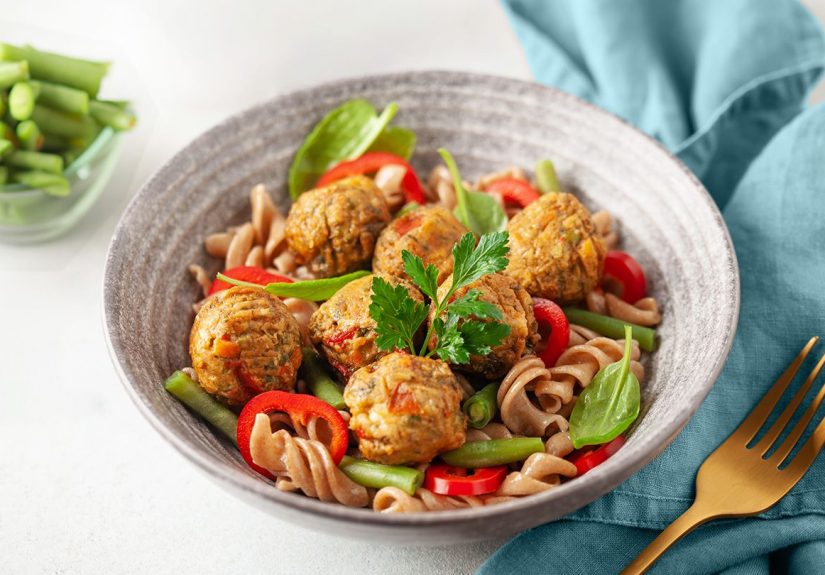
Toss a modest serving of pasta with tomato sauce, mushrooms, zucchini, onions, and turkey meatballs. This adds volume and satisfaction without relying on a giant pasta portion.
3. Chickpea pasta with roasted vegetables
Try chickpea pasta with broccoli, peppers, garlic, and shrimp. This can boost both fiber and protein.
4. Pasta night without the carb pile-up
Serve a smaller portion of pasta alongside a big salad and grilled salmon. That way, dinner feels complete instead of carb-heavy.
Common Mistakes to Avoid
- Serving pasta as the whole meal: Balance matters.
- Ignoring portions: A healthy pasta choice can still become a blood sugar bomb if the serving is huge.
- Choosing low-fiber options every time: Whole-grain or legume-based options are often better for steady energy.
- Forgetting the sauce and sides count too: Breadsticks, sweet drinks, and dessert can turn a reasonable dinner into a carb festival.
- Assuming everyone responds the same way: Blood sugar responses can vary from person to person.
How to Know If Pasta Works for You
Type 2 diabetes management is personal. One person may do well with a small serving of whole-wheat pasta at dinner, while another may notice a sharper glucose rise from the same meal. That’s why it helps to pay attention to your own patterns.
If your clinician has told you to monitor your blood sugar at home, check how pasta meals affect you. Look at the portion, the type of pasta, the sauce, and what you ate with it. You may notice that pasta paired with protein and vegetables works much better than pasta eaten alone or in oversized portions.
This kind of real-world feedback is far more useful than trying to classify one food as “good” or “bad” forever.
When to Be Extra Careful
You may need a more personalized plan if you:
- Take insulin or medicines that can cause low blood sugar
- Are actively trying to lose weight
- Have kidney disease, heart disease, or high blood pressure alongside diabetes
- Frequently notice high blood sugar after carb-heavy meals
In those cases, a registered dietitian or diabetes educator can help you figure out exactly how pasta fits into your routine. There’s no prize for guessing your way through dinner.
The Bottom Line
Yes, you can eat pasta with type 2 diabetes. The smarter question is not “Can I ever have pasta again?” It’s “How do I eat pasta in a way that works for my blood sugar?”
The answer usually comes down to a few practical moves: choose a better pasta when possible, keep the portion measured, cook it al dente, add protein and vegetables, and pay attention to how your body responds. That’s not deprivation. That’s strategy.
So no, pasta doesn’t have to be canceled. It just needs a better supporting cast and a little less ego on the plate.
Real-Life Pasta Experiences: What This Looks Like in Everyday Life
For many people with type 2 diabetes, pasta becomes easier to manage once they stop treating it like a cheat meal and start treating it like a planned meal. A common experience is this: someone gives up pasta completely for a few weeks, feels miserable, and then ends up overeating it later because the restriction was too intense. Once they return to a smaller, measured portion with vegetables and protein, the meal feels satisfying again and much more realistic to maintain.
Another familiar experience happens at restaurants. A person orders pasta, thinks they are making one dinner choice, and then gets served enough noodles to feed a small book club. They eat the whole plate because, well, it’s there. Later, their blood sugar runs higher than expected. The lesson usually isn’t “pasta is evil.” It’s “restaurant portions are wild.” Splitting the meal, boxing up half before starting, or ordering extra vegetables on the side often changes the outcome dramatically.
Some people notice that the type of pasta matters more than they expected. Regular white pasta may leave them hungry again surprisingly fast, while whole-wheat or chickpea pasta keeps them full longer. Others find that the biggest difference is not the noodle itself but what goes on top of it. A pasta meal with grilled chicken, spinach, mushrooms, and marinara may feel completely different from a bowl of noodles covered in Alfredo sauce with garlic bread and a sweet drink. Same category of food, very different blood sugar experience.
Many people also learn through trial and error that timing and routine matter. Pasta at a rushed lunch with no protein may hit differently than pasta at dinner after a walk, or after a day when meals were balanced overall. Some find that a short walk after eating helps. Others realize they do better with pasta earlier in the day than late at night. These patterns are personal, which is why food logs and glucose checks can be so helpful when your care team recommends them.
There is also an emotional side to this topic that people don’t talk about enough. Pasta is comfort food. It can be cultural, nostalgic, family-centered, and deeply familiar. Being told you have type 2 diabetes can make favorite foods feel suddenly complicated, and that can create frustration or guilt. But many people feel relieved when they realize diabetes management does not require giving up every beloved dish forever. It often means adjusting the portion, upgrading the ingredients, and changing the structure of the meal.
In real life, the people who tend to do best are usually not the ones chasing perfection. They are the ones building repeatable habits. They learn a few pasta meals that work. They keep portions reasonable. They stop pretending a giant bowl counts as “just a little.” And they give themselves enough flexibility that eating well still feels like living, not punishment.