Table of Contents >> Show >> Hide
- What Makes a Great Chili?
- Classic Beef Chili: The Crowd-Pleaser
- White Chicken Chili: Creamy Comfort in a Bowl
- Vegetarian and Vegan Chili: Hearty Without the Meat
- Slow Cooker and Make-Ahead Chili Tips
- Toppings and Sides That Take Chili Over the Top
- Common Chili Mistakes (and Easy Fixes)
- Choosing the Right Chili Recipe for the Occasion
- Chili Recipes in Real Life: Experiences and Lessons from the Pot
If the weather report says “chilly,” your brain should immediately hear “chili.” A good pot of chili is weeknight dinner, game-day fuel, and meal prep magic all in one. Whether you’re team beef-and-beans, all-about-white-chicken, or firmly in the veggie camp, there’s a chili recipe out there with your name on the ladle.
This guide walks you through the main types of chili recipesclassic beef chili, white chicken chili, and vegetarian or vegan chiliplus flavor-boosting tricks, topping ideas, and practical tips so your pot never turns out bland, greasy, or mysteriously soupy. Think of it as Chili 101 with a side of second helpings.
What Makes a Great Chili?
Chili recipes from trusted U.S. test kitchens and food blogs have a few big things in common: layers of flavor, the right texture, and enough simmer time to make everything taste like it had a long, thoughtful conversation in the pot.
1. Building deep flavor
Most beloved classic beef chili recipes start with browning ground beef in a pot or Dutch oven. Browningnot just “turning gray”creates those flavorful browned bits on the bottom that dissolve into the sauce as you add liquid. Many seasoned home cooks also sauté onions, peppers, and garlic in a bit of oil before adding anything else to soften them and mellow their bite.
The next power move is blooming your spices. Instead of tossing chili powder and cumin into the pot at the end, you briefly toast them with the aromatics and fat. This wakes up the oils in dried spices and gives your chili a richer, more complex flavor than simply sprinkling them over finished soup.
2. Balancing beans, meat, and veggies
In classic American chili, you’ll usually see ground beef, kidney or pinto beans, canned tomatoes, onions, and peppers playing together nicely. Some cooks add tomato sauce for body; others prefer crushed or diced tomatoes for more texture. Vegetarian versions make beans the staroften black beans, kidney beans, or chickpeasand add hearty vegetables like sweet potatoes or quinoa for extra substance.
3. Texture and simmer time
A great chili should be thick enough that a spoon stands up, not thin like broth. That’s where simmer time comes in. Letting your chili gently bubble away for 45–90 minutes gives beans time to soak up flavor, reduces excess liquid, and turns the whole pot luxuriously saucy. Many recipe developers point out that chili actually tastes better the next day, once everything has had more time to mingle in the fridge.
Classic Beef Chili: The Crowd-Pleaser
When someone says “chili,” this is usually the bowl they’re picturing: rich beef, red sauce, beans, and a little heat. It’s the star of potlucks, tailgates, and cold Monday nights when you’d rather not think too hard about dinner.
Key ingredients for classic beef chili
- Ground beef: Many recipes use 80–85% lean beef for a balance of flavor and richness.
- Beans: Kidney beans are traditional, but pinto or black beans (or a mix) work just as well.
- Tomato base: Tomato sauce, crushed tomatoes, or a combination of sauce and diced tomatoes.
- Aromatics: Onion, garlic, and often green or red bell pepper.
- Spices: Chili powder, cumin, oregano, paprika, and sometimes a pinch of cayenne or crushed red pepper.
- Liquid: Water, broth, or even a splash of beer for extra depth.
Simple method for classic beef chili
- Brown the beef: In a large pot, sear the beef until browned, breaking it into crumbles. Drain excess fat if needed.
- Sauté the aromatics: Add chopped onion and bell pepper to the pot and cook until softened. Stir in garlic and cook just until fragrant.
- Bloom the spices: Sprinkle in chili powder, cumin, and oregano, stirring for about a minute so they toast in the hot fat.
- Build the sauce: Add tomatoes, beans, and liquid. Stir well, scraping up the browned bits from the bottom of the pot.
- Simmer low and slow: Bring to a gentle simmer, then reduce the heat and cook uncovered or partially covered for 45–60 minutes, stirring occasionally.
- Adjust and finish: Taste and add salt, pepper, or a pinch of sugar if the tomatoes taste too sharp. A tiny splash of vinegar at the end brightens everything up.
This is the chili that works for chili dogs, baked potato toppings, nachos, or straight-up in a bowl with shredded cheese. Double the batch and freeze leftovers in individual containers for easy lunches.
White Chicken Chili: Creamy Comfort in a Bowl
White chicken chili deserves its own fan club. Instead of red sauce and beef, this version leans on shredded chicken, white beans, green chiles, and a creamy broth. It’s lighter in color but still big on flavorlike chicken soup’s bolder, more outgoing cousin.
Signature ingredients in white chicken chili
- Chicken: Shredded cooked chicken or poached chicken breasts or thighs.
- White beans: Cannellini, great northern, or navy beans for mild flavor and creamy texture.
- Green chiles: Canned diced green chiles or fresh jalapeño for gentle heat.
- Broth base: Chicken broth forms the base instead of tomatoes.
- Creaminess: Popular recipes stir in sour cream, cream cheese, heavy cream, or a combination at the end of cooking for a silky finish.
- Flavor boosters: Cumin, oregano, coriander, garlic, and sometimes salsa verde.
How to make easy white chicken chili
- Sauté onion, garlic, and chopped green chiles in a bit of oil until softened.
- Add spicescumin, oregano, and a little chili powderand let them toast briefly.
- Pour in chicken broth, white beans, and cooked shredded chicken.
- Simmer 20–30 minutes so the flavors blend and the beans start to break down slightly.
- Turn off the heat, then stir in cream cheese, sour cream, or heavy cream to prevent curdling.
- Finish with lime juice and fresh cilantro if you’d like a bright, fresh note.
White chicken chili is especially good for people who want something cozy but not too tomato-heavy. It’s also a star at potlucksserve it next to classic beef chili for a “red vs. white” taste-off and let guests pick a side.
Vegetarian and Vegan Chili: Hearty Without the Meat
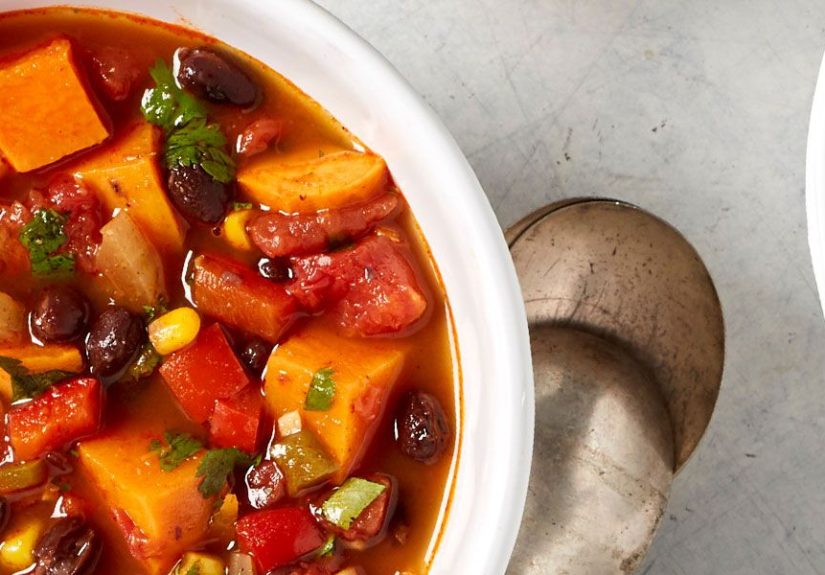
Vegetarian chili is not just “chili minus the meat.” The best versions lean into texture and protein from beans, lentils, and grains, plus hearty vegetables like sweet potatoes or squash, to create bowls that are as filling as any beef version.
Great plant-based chili combos
- Black beans + sweet potatoes + quinoa: A popular combo that brings fiber, protein, and natural sweetness.
- Mixed beans: Kidney, black, and chickpeas together create a variety of textures.
- Lentil chili: Brown or green lentils cook relatively quickly and give a meaty feel without any meat.
Keys to flavorful vegetarian chili
Without the richness of beef or chicken, vegetarian chili benefits even more from layering flavor. Start with plenty of onions, garlic, and peppers, and don’t be shy with spices. Smoked paprika or chipotle in adobo brings in that smoky taste often associated with long-cooked meat dishes.
For body, many cooks simmer vegetable broth with crushed tomatoes, beans, and chopped vegetables until the sweet potatoes (or other root veggies) are tender and the quinoa or lentils are fully cooked. A final squeeze of lime or splash of vinegar plus fresh cilantro keeps the flavor from feeling heavy.
Slow Cooker and Make-Ahead Chili Tips
Chili might be the ultimate “set it and forget it” meal. Many slow cooker recipes simply have you brown the meat and onions, add everything to the crock, and walk away for several hours while flavor develops.
Why browning still matters
Even in slow cooker recipes, recipe developers often recommend browning the meat and sautéing the onions first. This step builds flavor that a slow cooker alone can’t replicate. You can also bloom your spices in the same pan just before transferring everything to the slow cooker.
Storage, freezing, and leftovers
- Refrigerator: Most meat or bean chilis keep safely in the fridge for about four days in an airtight container.
- Freezer: Tomato-based and bean chilis generally freeze well for several months. Creamy chilis with sour cream or cream cheese may not freeze as nicely; the texture can become grainy when reheated, so they’re better enjoyed fresh or just refrigerated for a few days.
- Reheating: Reheat gently on the stove with a splash of broth or water if the chili has thickened too much.
Toppings and Sides That Take Chili Over the Top
A bare bowl of chili is fine. A bowl of chili with toppings is a minor holiday.
Favorite chili toppings
- Shredded cheddar, pepper jack, or cotija cheese
- Sour cream or Greek yogurt
- Diced avocado or guacamole
- Fresh cilantro, green onions, or diced red onion
- Pickled jalapeños for tangy heat
- Crushed tortilla chips or cornbread croutons for crunch
Perfect chili sidekicks
- Cornbread or cornbread muffins
- Buttery baked potatoes or sweet potatoes topped with chili
- Rice, quinoa, or cauliflower rice for stretching the meal
- Simple green salad to lighten things up
Setting up a “chili bar” with different toppings and sides makes feeding a crowd easier. The base pot can be mild, while toppings like hot sauce and sliced jalapeños let spice-lovers turn the heat up to “I regret everything” if they want to.
Common Chili Mistakes (and Easy Fixes)
1. Chili is too thin
If your chili looks more like soup, simmer it uncovered to let excess liquid evaporate. You can also mash some of the beans against the side of the pot or stir in a small spoonful of tomato paste to thicken the texture.
2. Chili is too thick
A tight, gloopy chili is easily rescued with extra broth, water, or even a splash of beer. Add a little at a time until it reaches the consistency you like.
3. It tastes flat
Salt is the usual culprit, but not the only one. Add a pinch of salt, taste, and repeat slowly. A small squeeze of lime juice or a teaspoon of vinegar at the end can wake up dull flavors. If the tomatoes are too sharp, a pinch of sugar can balance the acidity.
4. It’s too spicy
Oops, your chili now doubles as pepper spray. Don’t panic. Stir in more beans, tomatoes, or plain cooked grains to dilute the heat. Serving with plenty of sour cream, cheese, and bread also helps tone things down.
Choosing the Right Chili Recipe for the Occasion
Not every chili fits every moment. Pick your recipe based on who’s coming to dinner and how much effort you’re willing to put in.
- Busy weeknight: A quick beef chili or vegetarian bean chili that cooks in 30–40 minutes.
- Game day: Big-batch slow cooker beef chili that can sit warm for hours while people graze.
- Light but cozy dinner: White chicken chili with lots of beans and a creamy broth.
- Plant-based crowd: Sweet potato and black bean chili or a mixed-bean vegan chili loaded with toppings.
Once you learn the basic patternbrown, sauté, bloom, simmeryou can swap ingredients like building blocks: ground turkey instead of beef, chickpeas instead of kidney beans, fire-roasted tomatoes instead of regular. Every pot becomes your own “house chili.”
Chili Recipes in Real Life: Experiences and Lessons from the Pot
Recipes are great, but real chili wisdom usually comes from the nights when you wing it and hope for the best. If you cook chili more than a couple of times a year, you’ll collect your own little library of “never again” and “that was genius” stories.
Maybe you’ve had the classic beginner mistake: you dump half a jar of cayenne into the pot, thinking it’s paprika. Everything seems fine until the first spoonful makes your eyes water and your cousin coughs like he just inhaled pepper spray. The lesson? Always taste your chili as it simmers, and remember that heat builds over time. You can add more spice later; you can’t easily take it out.
Another common experience is discovering just how forgiving chili can be. You start cooking before realizing you only have half the beans the recipe calls for and no tomato sauce in sight. So you toss in diced tomatoes, an extra spoonful of tomato paste, and a can of corn you found hiding behind the pasta. Somehow, it still tastes great. Chili is less like baking and more like jazzonce you know the basic rhythm, improvisation is part of the fun.
Slow cookers also shape people’s chili stories. Many home cooks have a favorite memory of throwing a batch together before workbrowned beef, onions, tomatoes, beans, spicesand coming home to a house that smells like a cozy restaurant. You toss together a quick salad, grate some cheese, and dinner is done. You don’t have to babysit a pot or time anything perfectly; the slow cooker quietly becomes the hero of the evening.
Then there’s the chili cook-off drama. Office events, neighborhood block parties, and game-day gatherings all seem to spawn friendly competition: who makes the best chili? Someone brings a smoky, beer-spiked version; someone else shows up with a sweet potato and black bean vegetarian chili that surprises everyone by winning a lot of votes. People debate beans versus no beans, mild versus five-alarm, and whether adding cocoa powder or coffee is “brilliant” or “completely unnecessary.” By the end, everyone’s full and at least one person is begging for a recipe.
Chili also has a way of sneaking into everyday life as a problem solver. Short on grocery budget this week? Make a big pot of bean-heavy chili, serve it with rice or cornbread, and you’ve stretched a handful of pantry staples into several meals. Need to feed surprise guests? Chili scales easily: you can add more beans, tomatoes, and broth to stretch the pot without anyone noticing. Leftovers solve lunch for days, and if you’re tired of eating bowls, you can reinvent the chili as nachos, burrito filling, chili mac, or baked potato topping.
One of the best “chili experiences” is how it becomes part of family tradition without anyone planning it. Maybe every first snow of the year means a pot of spicy beef chili on the stove. Maybe Sunday football is always white chicken chili with a mountain of tortilla chips. Maybe your vegetarian friend brings their signature quinoa and black bean version to every party. Over time, these little rituals turn chili from “just a recipe” into a comfort food with emotional real estate in your memory.
The more you cook chili, the more confident you’ll get about swapping ingredients and adjusting seasoning on the fly. You’ll start to recognize when a pot needs more salt, a few more minutes of simmering, or a squeeze of lime to brighten the flavor. You’ll learn your personal ideal texturethick enough to pile on a baked potato, or just loose enough to spoon over rice. And at some point, you’ll realize you’re no longer following a recipe line by line. You’re just making your chili, the one friends ask for when the weather turns chilly, and that’s when you know you’ve officially joined the quiet, proud club of chili people.