Table of Contents >> Show >> Hide
- What Are Chinch Bugs (and Why Do They Wreck Lawns)?
- The Two Big “Types” Homeowners Run Into
- Chinch Bug Identification: What to Look For
- Don’t Mix Them Up: The “Good Bug” Lookalike
- Chinch Bug Damage: Symptoms That Fit the Pattern
- How to Confirm Chinch Bugs (Without Fancy Equipment)
- Prevention Strategy #1: Make Your Lawn Less “Chinch-Bug Friendly”
- Prevention Strategy #2: Build Resistance Into the Lawn Itself
- Prevention Strategy #3: Scout Early and Treat Small
- When Prevention Isn’t Enough: Practical Control Options
- A Seasonal Checklist for Chinch Bug Prevention
- 500+ Words of Real-World Experiences: What Chinch Bug Problems Often Look Like
- Conclusion
If your lawn is developing mysterious yellow patches that spread like a rumor at a middle-school lunch table, chinch bugs
might be the tiny culprits. These pinhead-sized “juice-suckers” can turn healthy turf into crispy, tan blotchesoften
right when you’re watering, mowing, and whispering motivational quotes to your grass.
The good news: chinch bug damage is diagnosable, preventable, and usually manageable without turning your
backyard into a chemistry lab. This guide breaks down how to identify chinch bugs, confirm they’re the problem (and not
drought, disease, or “my neighbor’s vibes”), and build a prevention plan that makes your lawn a much less welcoming
place for them to move in.
What Are Chinch Bugs (and Why Do They Wreck Lawns)?
Chinch bugs are small “true bugs” that feed by piercing grass stems and blades and sucking out plant juices. While they
feed, they can also inject saliva that disrupts the plant’s ability to move water and nutrients. The result is turf that
looks drought-stressedeven when you’ve been watering faithfully.
Different regions deal with different chinch bug species, but the lawn story is similar: populations build up in hot,
sunny, dry conditions and in lawns with a thick thatch layer (that spongy “blanket” between grass blades and soil).
Once an area is stressed, chinch bugs often concentrate along the border between living and dying turf, so the damaged
patch expands outward like a slow-motion oil spill.
The Two Big “Types” Homeowners Run Into
Southern chinch bug (warm-season lawns)
In much of the southern U.S., the southern chinch bug is notoriousespecially in
St. Augustinegrass. It can feed on other warm-season grasses too, but St. Augustine is the one that most
often takes the hit hard.
Hairy/common chinch bugs (cool-season lawns)
In northern and transition areas, people more commonly deal with chinch bugs that attack cool-season turf (like fescues
and ryegrass). These outbreaks often show up during hot, dry stretches, especially in sunny spots with lighter soils.
Translation: whether your lawn is a Florida St. Augustine “beach vibe” or a Pennsylvania cool-season “classic suburban
green,” chinch bugs can still RSVP. The key is learning what they look like and how their damage behaves.
Chinch Bug Identification: What to Look For
Adults
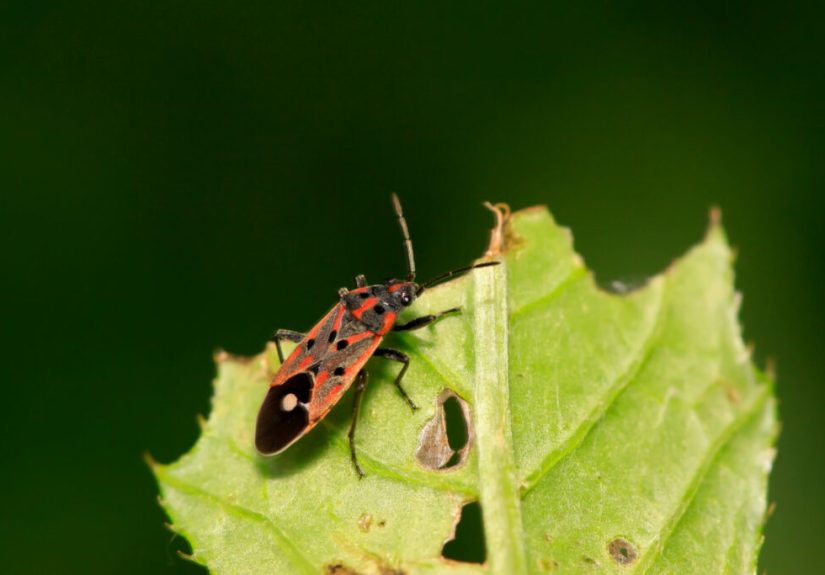
Adult chinch bugs are tinygenerally around the size of a grain of rice or smallerand dark-bodied. Many have pale or
whitish wings folded over the back, often with darker markings. You’ll rarely see them lounging on top of the grass like
they pay rent. They prefer the protected zone: down in the thatch and near the crown of the plant.
Nymphs
Nymphs (immature chinch bugs) are smaller and more colorful. Depending on species and age, they can appear reddish or
orange early on and darken as they mature. Because nymphs are active feeders and can be numerous, they’re a big part of
why damage seems to “suddenly” explode.
Eggs
Eggs are hard to spot without magnification and are typically tucked into protected turf areas. For most homeowners,
the practical approach is to focus on symptoms + confirmation tests rather than egg hunting.
(Unless you enjoy squinting at grass for fun. No judgment. A little.)
Don’t Mix Them Up: The “Good Bug” Lookalike
One classic mistake is confusing chinch bugs with big-eyed bugs, which are beneficial predators.
Big-eyed bugs tend to have noticeably larger eyes and move differently, and they help eat pests rather than destroy your
lawn. If you’re seeing similar-looking insects, it’s worth taking a moment to confirm before you do anything drastic.
Your lawn’s tiny security team deserves better than friendly fire.
Chinch Bug Damage: Symptoms That Fit the Pattern
Chinch bug damage often starts as small yellow patches that turn straw-colored or brown. The area can spread outward,
especially during hot, dry weather. In warm-season lawns (like St. Augustine), damage often appears in full sun and in
spots that dry out faster. In cool-season lawns, chinch bug injury can show up in exposed, sunny areas and may be worse
when the lawn is already drought-stressed.
Common “looks like chinch bugs” imposters
- Drought stress (especially if the lawn perks up quickly after proper watering)
- Fungal disease (often has different patch patterns or progresses under different conditions)
- Localized dry spot (water beads off or doesn’t soak in evenly, often linked with thatch or soil issues)
- Compaction or shallow soil (grass struggles even with normal care)
Here’s the giveaway: with chinch bugs, the most active feeding is often near the boundary between healthy and damaged
turf. So you’ll frequently find more bugs at the edge of a patch than in the completely dead center.
How to Confirm Chinch Bugs (Without Fancy Equipment)
Before you treat anything, confirm the pest. This is where many lawns go wrong: people treat for fungus when it’s bugs,
treat for bugs when it’s drought, and the lawn just sits there like, “I asked for help, not chaos.”
1) The “coffee can” flotation test
A common diagnostic method is the flotation test. You remove both ends of a large metal can, press it a few inches into
the soil at the edge of the damaged area (where green meets yellow), and slowly fill the can with water for several
minutes. If chinch bugs are present in thatch and turf, they may float to the surface where you can spot them.
Repeat in a few locations around the perimeter for a more reliable read.
2) The “part the grass and watch” method
In lighter infestations, simply parting the grass near the patch edge and watching closely can reveal movement down in
the thatch. This works best in bright daylight when you can actually see what’s happening in the grass “basement.”
If you’re still unsure, your local extension office or a reputable lawn professional can help confirm the diagnosis. And
yes, sometimes the correct answer really is: “It’s two things at once.” Lawns love plot twists.
Prevention Strategy #1: Make Your Lawn Less “Chinch-Bug Friendly”
Prevention isn’t about creating a sterile lawn. It’s about reducing the conditions chinch bugs love and strengthening
the turf so it doesn’t crash the moment pests show up.
Water the smart way (deep, not panicked)
Chinch bug problems are often worse during hot, dry periods. Consistent, appropriate irrigation reduces drought stress
and helps turf recover. Aim for watering practices that encourage deeper roots rather than frequent shallow sprinkling.
(Your goal: a lawn that can handle summer like it pays taxes.)
Manage thatch like it’s clutter in a garage
Thatch can shelter chinch bugs and make it harder for controls to reach where the insects live. If your thatch layer is
thick, consider mechanical dethatching or cultural steps that reduce buildup over time. Avoid practices that contribute
to thatch accumulation, including excessive nitrogen that forces rapid growth and certain broad-spectrum treatments that
reduce the organisms that help break thatch down naturally.
Mow correctly (shortcuts backfire)
Scalp mowing stresses turf and can worsen damage. Follow recommended mowing heights for your grass type and keep blades
sharp. A healthy mowing routine improves turf density, which makes it harder for pests to dominate.
Fertilize with restraint (and timing)
Over-fertilizing, especially with highly soluble nitrogen, can produce lush growth that’s more vulnerable and can
contribute to thatch. Under-fertilizing can also weaken turf. A soil test-driven plan and slow-release nitrogen sources
(when appropriate) are often better than random “green-it-now” bursts.
Prevention Strategy #2: Build Resistance Into the Lawn Itself
Choose the right turf for your region
If you’re establishing a new lawnor replacing a chronically damaged areaselecting a grass type and cultivar suited to
your climate can reduce pest pressure. In areas where southern chinch bugs are a frequent issue, some St. Augustinegrass
cultivars have shown better tolerance than others. Local extension guidance is especially valuable here because what
thrives in coastal humidity may struggle inland, and vice versa.
Encourage beneficial insects
Predator insects (including big-eyed bugs) can help suppress pest populations. A diverse yard environment and avoiding
unnecessary broad-spectrum treatments can support beneficials. In other words: don’t evict your lawn’s “bouncers” and
then act shocked when the rowdy guests show up.
Prevention Strategy #3: Scout Early and Treat Small
Chinch bugs are much easier to manage when infestations are localized. Make a habit of checking sunny, stressed areas
during peak seasonsespecially if you’ve had problems before.
Where to scout
- Edges of sidewalks/driveways (heat + dryness)
- Full-sun sections of the yard
- Areas with recurring yellow patches
- Transitions between two grass types (pests sometimes concentrate where conditions change)
What to do when you find them
Start with cultural corrections (watering, mowing, thatch reduction) and spot-manage the affected area. Avoid blanket
“whole-lawn” reactions unless a professional diagnosis supports it. Many university IPM programs emphasize targeted
action because it’s effective, more affordable, and less disruptive to beneficial insects.
When Prevention Isn’t Enough: Practical Control Options
If you confirm chinch bugs and the population is high enough to cause active damage, you have a few reasonable next
steps. The safest and most reliable pathespecially for bigger infestationsis working with a licensed professional who
can choose products and methods appropriate for your location and grass type.
Spot treatment beats “nuke it from orbit”
Because chinch bugs cluster near patch edges, treatments (when needed) often work best when focused where bugs are
activerather than dumping attention on dead turf that won’t magically resurrect overnight.
Be aware of resistance issues
Some southern chinch bug populations have shown resistance to certain commonly used insecticide classes in some regions.
That’s one reason extension-based recommendations and product rotation guidance matterwhat worked five years ago in a
neighbor’s yard may not work the same way now.
If you use a lawn insecticide, keep it simple and safe
- Use only products specifically labeled for chinch bugs and your turf type.
- Follow the label exactly (it’s not “marketing,” it’s the legal safety instruction sheet).
- Keep kids and pets off treated areas until the label says it’s safe to return.
- Consider contacting your local extension office for region-appropriate guidance.
Remember: the goal isn’t to “win a battle today” and lose the lawn ecosystem tomorrow. The goal is a turf system that
stays dense, rooted, and resilientso pests don’t become a yearly tradition like birthday candles.
A Seasonal Checklist for Chinch Bug Prevention
Spring
- Start mowing at the correct height; sharpen blades.
- Check thatch depth and plan dethatching/aeration if needed.
- Fertilize based on turf needs (avoid overdoing quick-release nitrogen).
Summer
- Watch sunny areas closely for yellowing patches.
- Water appropriately to reduce drought stress.
- Confirm suspected damage early using the flotation test.
Fall
- Repair thin spots and improve turf density going into dormancy or winter.
- Continue good mowing and watering practices as temperatures cool.
500+ Words of Real-World Experiences: What Chinch Bug Problems Often Look Like
Because chinch bugs are small and secretive, the “experience” of dealing with them is usually less like spotting a
dramatic villain and more like solving a slow-moving mystery. A common first report sounds like: “My grass is turning
yellow, but I swear I watered.” That’s the chinch bug classicdamage that mimics drought, especially during hot,
dry weather.
In warm, humid regions where St. Augustinegrass is popular, homeowners often notice patches forming in full sun near a
driveway or along a street-facing strip. The lawn may look fine in the morning, then seem worse after a hot afternoon.
The first instinct is usually to water moresometimes a lot more. When the patch still expands, frustration sets in and
the lawn enters what we’ll call the “I’m going to try everything” phase. That’s when people accidentally create
new problems: overwatering that encourages other issues, scalp mowing to “clean it up,” or random products that don’t
match the diagnosis.
In cool-season lawns farther north, the story is often tied to a heat wave. A sunny slope, a thin area near a sidewalk,
or a spot with sandy soil starts looking off-color. It’s easy to blame summer stressbecause summer stress is real. But
the pattern becomes suspicious when the lawn doesn’t bounce back after reasonable watering and when the damaged area
expands outward. People who catch it early often describe the “aha” moment as surprisingly low-tech: parting the grass
and seeing tiny insects moving in the thatch, or running the coffee-can flotation test and spotting small bugs float up
like unwelcome croutons.
Another common experience: the “my neighbor has the same grass but theirs looks perfect” puzzle. That usually comes down
to micro-conditions. Maybe their lawn has slightly more shade in the afternoon. Maybe their mower height is higher. Maybe
their thatch layer is thinner. Maybe their irrigation coverage is more even. Chinch bugs are opportunists; they don’t
need your entire yard to be vulnerablejust a few stress points.
Lawn professionals often describe chinch bug work as “edge management.” They’ll focus on the border of healthy and
damaged turf because that’s where activity tends to be highest. Homeowners are sometimes disappointed because the dead
center of the patch doesn’t revive instantly. But that’s normal: dead grass is dead. The real win is stopping the spread
and getting healthy turf to fill in over time through proper care (and reseeding or resodding when needed).
Finally, many people come away with the same lesson: the best “treatment” is a prevention routine you can actually keep.
A lawn that’s watered appropriately, mowed correctly, and not buried under a thick thatch blanket is simply harder for
chinch bugs to dominate. It won’t be pest-proofnothing outdoors isbut it will be resilient enough that a small
infestation stays small. And that’s the difference between “a weird patch I fixed” and “my annual lawn crisis arc.”
Conclusion
Chinch bugs may be tiny, but their damage can be loud. The most reliable strategy is a simple loop:
identify → confirm → prevent → respond early. Learn the signs, use an easy confirmation test, and focus
your lawn care on reducing stress and thatch. When problems do occur, targeted action and extension-informed guidance
usually beat guesswork. Your lawn doesn’t need perfectionit needs consistency.