Table of Contents >> Show >> Hide
- Why Pork + Shiitake Is the Ultimate Dumpling Duo
- What You’ll Need
- Ingredient Deep Dive: Getting That Juicy, Bouncy Bite
- Dough Options: Store-Bought vs. Homemade
- Step 1: Rehydrate the Shiitake (and Don’t Waste the Liquid)
- Step 2: Make the Pork and Shiitake Filling
- Step 3: Fill and Fold (A.K.A. Tiny Edible Origami)
- Step 4: Steam Like a Pro
- Dipping Sauce Ideas (Choose Your Adventure)
- Make-Ahead, Freezing, and Reheating
- Troubleshooting (Because Dumplings Love to Test Us)
- Flavor Variations (So You Don’t Get Bored)
- Serving Suggestions
- Experience Notes: The Dumpling Sessions That Taught Me Everything (About )
There are two kinds of people in the world: those who think dumplings are “a nice appetizer,” and those who know dumplings are a lifestyle. If you’re reading this, you’re probably in the second campor you’re about to be recruited.
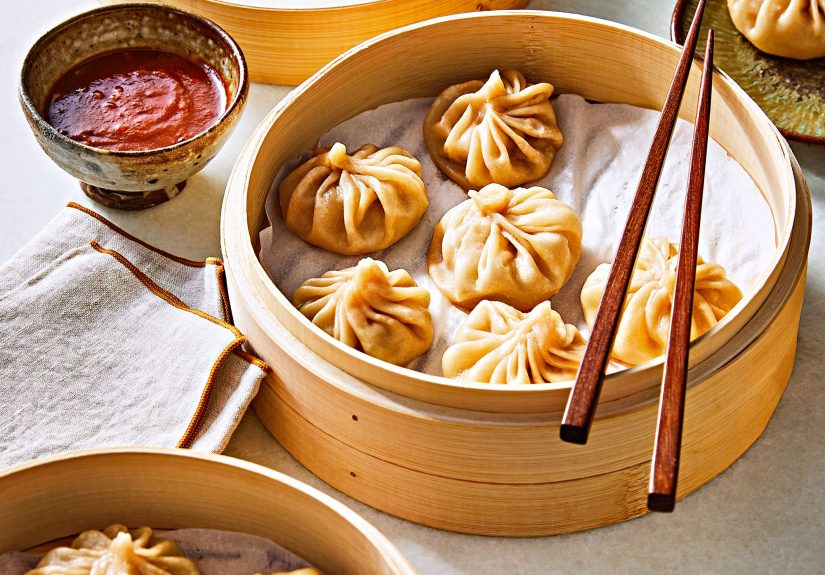
These Chinese steamed dumplings (the cozy, jiaozi-style kind) are packed with juicy ground pork, deeply savory shiitake mushrooms, and the aromatics that make your kitchen smell like a dim sum cart just rolled through. They’re tender, bouncy, and unapologetically dunkable. And yes, we’re steaming thembecause sometimes you want the dumpling equivalent of a fluffy hoodie.
Why Pork + Shiitake Is the Ultimate Dumpling Duo
Ground pork brings richness and a naturally juicy texture when you mix it well. Shiitake mushrooms bring that “wait, why is this so meaty?” depthearthy, woodsy, and umami-forward. Together they taste like you put in three hours of effort… even when you didn’t.
- Pork = fat + flavor + tenderness (don’t choose super-lean; dumplings need a little swagger).
- Dried shiitake = concentrated savoriness. Bonus: the soaking liquid is basically mushroom “stock.”
- Ginger, scallion, soy sauce, sesame oil = the classic supporting cast that never misses.
What You’ll Need
Equipment
- Bamboo steamer or metal steamer basket
- Parchment paper (or napa cabbage leaves/lettuce) for lining
- Large mixing bowl
- Small bowl of water for sealing wrappers
- Instant-read thermometer (optional but confidence-boosting)
Ingredients (Makes about 32–36 dumplings)
- Wrappers: 32–36 round dumpling wrappers (store-bought), or homemade dough (recipe below)
- Ground pork: 1 pound (ideally not too lean)
- Dried shiitake mushrooms: 6–8 pieces (or ~1 cup chopped after rehydrating)
- Scallions: 3, thinly sliced
- Ginger: 1 tablespoon finely grated
- Garlic: 2 cloves, finely minced
- Soy sauce: 2 tablespoons
- Shaoxing wine: 1 tablespoon (or dry sherry)
- Toasted sesame oil: 2 teaspoons
- Sugar: 1 teaspoon
- White pepper: 1/4 teaspoon (or black pepper)
- Kosher salt: 1/2 teaspoon (adjust to taste)
- Optional veg: 1 cup finely chopped napa cabbage (salted and squeezed dry) or chopped chives
- Optional “juicy” helper: 2–4 tablespoons mushroom soaking liquid or water
Ingredient Deep Dive: Getting That Juicy, Bouncy Bite
Most dumpling disappointments come down to two things: too little fat and too much water. Dumplings want a filling that’s rich enough to stay tender, but not so wet that it turns the wrapper into mush.
- Pork choice: A little fat is your friend. If your ground pork is very lean, the filling can taste crumbly. If you only have lean pork, add 1–2 teaspoons of neutral oil or finely minced pork belly (yes, it’s extra; yes, it works).
- Shiitake strategy: Dried shiitake give the deepest flavor. Fresh shiitake are milder but still greatuse a mix if you want both fragrance and depth.
- Moisture management: If adding cabbage, always salt and squeeze it dry. If the filling feels stiff, loosen it with a splash of mushroom soaking liquid or water and mix again until it turns slightly sticky.
- Mixing matters: Stirring in one direction helps the proteins bind, giving you that pleasantly springy texture you get in great dumplings.
One more underrated tip: chop mushrooms and aromatics fine. Big chunks can poke holes in wrappers, and nobody wants a dumpling blowout on their steamer liner.
Dough Options: Store-Bought vs. Homemade
Store-bought wrappers are the weeknight hero. Look for round wrappers in the refrigerated section of Asian markets (or well-stocked supermarkets). Keep them covered with a slightly damp towel so they don’t dry out and crack.
Homemade dough is worth it when you want extra tenderness and that fresh-chew “dim sum house” feel. For steaming (not boiling), a hot-water dough makes rolling easier and gives you softer wrappers.
Simple Homemade Wrapper Dough (Steaming-Friendly)
- 300g all-purpose flour (about 2 1/2 cups, spooned and leveled)
- 165–180g hot water (about 2/3 cup + 1–2 tablespoons), plus a splash more if needed
- Pinch of salt
- Stir flour and salt in a bowl. Pour in hot water while mixing with chopsticks or a fork until shaggy clumps form.
- Knead 4–6 minutes until smooth. Cover and rest 30–60 minutes (resting relaxes the glutenyour future self will thank you).
- Roll into a log, cut into 32–36 pieces, and roll each into a thin circle (about 3 1/2 inches).
Step 1: Rehydrate the Shiitake (and Don’t Waste the Liquid)
- Cover dried shiitake mushrooms with hot water. Soak 20–30 minutes until soft.
- Squeeze gently and finely chop. Remove any tough stems if they feel woody.
- Strain the soaking liquid (it can have grit). Save a few tablespoonsthis is your secret umami booster.
Step 2: Make the Pork and Shiitake Filling
This is where the magic happens. The goal is a cohesive, well-seasoned mixture that holds togethermore “meat paste” than “crumbly taco night.” Mixing vigorously helps the pork bind and stay juicy.
- In a large bowl, combine ground pork, chopped shiitake, scallions, ginger, garlic, soy sauce, Shaoxing wine, sesame oil, sugar, pepper, and salt.
- If using napa cabbage: toss it with a pinch of salt, let sit 10 minutes, then squeeze very dry before adding. (Waterlogged cabbage is how fillings get sad.)
- Stir in one direction for 1–2 minutes until the mixture looks slightly sticky and uniform. Add 2–4 tablespoons mushroom soaking liquid (or water) if you want a juicier bite.
- Quick seasoning check: microwave a teaspoon of filling until cooked, taste, and adjust salt/soy/sugar.
Step 3: Fill and Fold (A.K.A. Tiny Edible Origami)
First-time pleaters: breathe. Your dumplings can look like little sleeping puppies and still taste incredible.
The Easy Half-Moon Seal
- Place a wrapper in your non-dominant hand. Add about 2 teaspoons filling in the center.
- Dip a finger in water and lightly wet the edge of the wrapper.
- Fold into a half-moon and pinch firmly to seal, pressing out any air pockets.
The “Pleated Enough to Impress Your Group Chat” Fold
- Seal the dumpling in a half-moon first.
- Starting at one end, make small pleats along the front edge, pinching each pleat into the back edge.
- Keep the seam tight and the belly rounded. (Dumplings should be plump, not stressed.)
Step 4: Steam Like a Pro
Steaming gives you a tender wrapper and a juicy interiorno crispy bottom required (save that drama for potstickers).
How to Set Up the Steamer
- Line your steamer with parchment rounds (poke a few holes) or with cabbage/lettuce leaves to prevent sticking.
- Leave a little space between dumplings; they expand slightly and don’t like being cuddled that closely.
Steaming Times
- Fresh dumplings: 8–10 minutes over vigorously simmering water
- Frozen dumplings (do not thaw): 12–14 minutes
Food safety note: Because the filling uses ground pork, aim for an internal temperature of 160°F (71°C) in the center of a dumpling if you’re checking with a thermometer.
Dipping Sauce Ideas (Choose Your Adventure)
Classic Black Vinegar Dip
- 2 tablespoons Chinese black vinegar (or rice vinegar)
- 2 tablespoons soy sauce
- 1 teaspoon chili oil or chili crisp
- 1/2 teaspoon sugar
- Optional: minced garlic, sliced scallion, toasted sesame seeds
Ginger-Forward “Dim Sum Cart” Dip
- 2 tablespoons soy sauce
- 1 tablespoon vinegar
- 1 teaspoon finely grated ginger
- Splash of warm broth (optional, if you want it soothing)
Make-Ahead, Freezing, and Reheating
Dumplings are basically meal prep that feels like a treat.
- To freeze: Place uncooked dumplings on a parchment-lined tray, freeze until solid, then transfer to a bag. This prevents “dumpling clump” syndrome.
- To steam from frozen: Put them straight into the steamer (no thawing), and add a few minutes to the cook time.
- Leftovers: Refrigerate cooked dumplings up to 3 days. Re-steam 2–3 minutes until hot.
Troubleshooting (Because Dumplings Love to Test Us)
My dumplings stick to the steamer.
Line the basket. Parchment, cabbage leaves, lettuce leavesanything that creates a barrier works. Also, don’t let the water boil so violently that it splashes up into the dumplings.
The wrappers tear or crack.
Wrappers dry out fast. Keep the stack covered and work in small batches. If making dough, give it a proper rest so it rolls without fighting you.
The filling feels dry.
Use pork that isn’t ultra-lean, mix the filling until cohesive, and add a bit of mushroom soaking liquid or water. Sesame oil also helps the texture feel luxurious.
My dumplings burst open.
That’s usually trapped air or overfilling. Use less filling than you think you “deserve,” and press out air pockets before sealing.
Flavor Variations (So You Don’t Get Bored)
- Add shrimp: Finely chopped shrimp adds bounce and sweetness.
- Make it mushroom-forward: Mix fresh shiitake with dried for layered flavor.
- Go aromatic: Add a pinch of five-spice or a tiny splash of oyster sauce for deeper savoriness.
- Heat seekers: Stir chili crisp into the filling and pretend you’re “just experimenting.”
Serving Suggestions
Serve these steamed pork and shiitake dumplings with crisp cucumber salad, quick-pickled radishes, or a simple bowl of broth with greens. Or do the honest thing: stand over the counter and eat them one by one “to make sure they’re cooked.”
Experience Notes: The Dumpling Sessions That Taught Me Everything (About )
The first time I made steamed dumplings with pork and shiitake, I approached the project with the confidence of someone who had watched exactly two cooking videos and therefore felt qualified to host a dim sum restaurant. I laid out wrappers like poker chips, plopped a heroic mound of filling into the first one, and folded it with the elegance of a crumpled receipt. It leaked. It looked like a tiny beige tragedy. I ate it anyway. It was deliciousand that’s when I learned the dumpling rule: ugly dumplings still deserve love.
Over time, dumpling-making became less “one-person craft crisis” and more “kitchen hang.” There’s something weirdly soothing about the rhythm: scoop, dab water, fold, pinch, repeat. Even people who claim they “can’t cook” end up doing it after five minutes, mostly because dumplings are forgiving and also because nobody wants to be the person just standing there while everyone else is making edible pillows. The shiitake smell is the giveaway that you’re about to make something special: once those mushrooms hit hot water, your kitchen instantly feels warmer and more lived-in, like you’re borrowing good luck from a grandma you haven’t met yet.
My biggest breakthrough wasn’t in pleatingit was in mixing. The day I finally stirred the pork mixture long enough to get that sticky, cohesive texture, the dumplings went from “fine” to “why are these better than takeout?” Good dumpling filling has structure; it shouldn’t fall apart like a loose meat sandwich. Adding a few spoonfuls of strained mushroom soaking liquid made a dramatic difference, too. It’s like turning up the bass in a song: you don’t always notice it at first, but when it’s missing, everything feels flat.
Steaming taught me patience. With pan-fried dumplings, you get immediate rewardssizzle, browning, crispy skirts. Steaming is quieter. You’re basically waiting for deliciousness to happen behind a curtain of steam. But when you lift the lid and see those dumplings puffed and glossy, you get a little rush of “I made that.” Also: steaming is the only method I trust when I’m cooking for a crowd, because the dumplings stay tender and you can keep batches warm without them turning into sad, dry pockets.
Now I treat dumplings like a practical celebration food. If friends are coming over, I’ll make a big batch, freeze half, and feel like I just gave my future self a gift. And when I’m tired, I’ll steam frozen dumplings straight from the freezerno thawing, no dramathen dip them in black vinegar and chili oil and remember that sometimes the best comfort food comes in small, hand-folded packages. The pork and shiitake version remains my favorite because it tastes deeply savory without needing anything fancy. It’s humble, it’s rich, and it makes any random Tuesday feel like you have a plan.
Also, a confession: I used to obsess over perfectly even pleats. Then I realized the best dumpling makers I know don’t chase perfectionthey chase momentum. They work quickly, keep wrappers covered, and focus on sealing well. A tight seal beats a pretty seam every time. These days, I’ll happily trade a few “lopsided dumplings” for a tray full of steaming-hot, pork-and-shiitake goodnessand I’ve never once heard a complaint from the people doing the eating.