Table of Contents >> Show >> Hide
- What Makes a Coleslaw “Classic” (and Why It Works)
- Classic Creamy Coleslaw Recipe (The One You’ll Memorize)
- The “Classic” Ratio (So You Can Scale This Recipe Easily)
- Pro Texture Tips: Crunchy, Creamy, Never Soggy
- Make-Ahead, Storage, and Food Safety
- Classic Variations (Because Coleslaw Has Range)
- What to Serve With Classic Creamy Coleslaw
- Troubleshooting: Fix Common Coleslaw Problems Fast
- FAQ
- Kitchen Stories & Real-Life Coleslaw Moments (Extra 500+ Words)
Coleslaw is the side dish equivalent of a best friend who shows up early, brings snacks, and somehow makes your
backyard burgers taste like you know what you’re doing. It’s cool, crunchy, tangy, a little sweet, andwhen made
rightnever that sad, watery pile of “cabbage soup” that forms after an hour at the picnic table.
This guide gives you a truly classic creamy coleslaw recipe (the kind you want next to pulled pork,
fried chicken, fish tacos, and deli sandwiches), plus the “why” behind the method so you can nail the texture every
single time. We’ll cover the best cabbage cuts, a balanced dressing, make-ahead tips, and the small details that keep
coleslaw from turning into a soggy science experiment.
What Makes a Coleslaw “Classic” (and Why It Works)
Traditional American creamy coleslaw is built on three simple ideas: crisp shredded cabbage, a mayo-based dressing,
and a sweet-tangy balance that plays nicely with smoky, salty, and spicy foods. Most “classic” versions include
green cabbage, carrot, and a creamy dressing made from mayonnaise, vinegar (often apple cider vinegar), sugar, and
seasoningsometimes finished with celery seed for that familiar deli-style flavor.
The trick is getting the ratio and timing right: enough dressing to coat without drowning, enough salt
to season without wilting into mush, and enough chill time to let the flavors mingle (but not so long that your cabbage
forgets it was ever crunchy).
Classic Creamy Coleslaw Recipe (The One You’ll Memorize)
Yield: About 6–8 servings | Prep time: 20 minutes | Chill time: 60 minutes (recommended)
Ingredients
- 1 small green cabbage (about 2 pounds), finely shredded (about 8–10 cups)
- 2 medium carrots, peeled and grated or julienned
- 2–3 tablespoons finely grated onion (or 2 tablespoons minced onion), optional but classic
For the creamy coleslaw dressing:
- 3/4 cup mayonnaise (good-quality, full-fat gives the most classic texture)
- 1/4 cup apple cider vinegar (or use white vinegar for a sharper, deli-style bite)
- 2–3 tablespoons sugar (start with 2; adjust to taste)
- 1 teaspoon Dijon mustard (or yellow mustard for a nostalgic cookout vibe)
- 1/2 teaspoon celery seed (optional, but highly recommended for “classic” flavor)
- 1 1/2 teaspoons kosher salt, plus more to taste
- 1/2 teaspoon black pepper, plus more to taste
Optional “extra creamy” additions (choose one):
- 1/4 cup sour cream (adds tang and a slightly lighter mouthfeel)
- 2–4 tablespoons buttermilk (loosens dressing and adds gentle tang)
Step-by-Step Instructions
1) Shred the cabbage the smart way
Remove any limp outer leaves. Cut the cabbage into quarters, remove the core, then shred thinly with a knife,
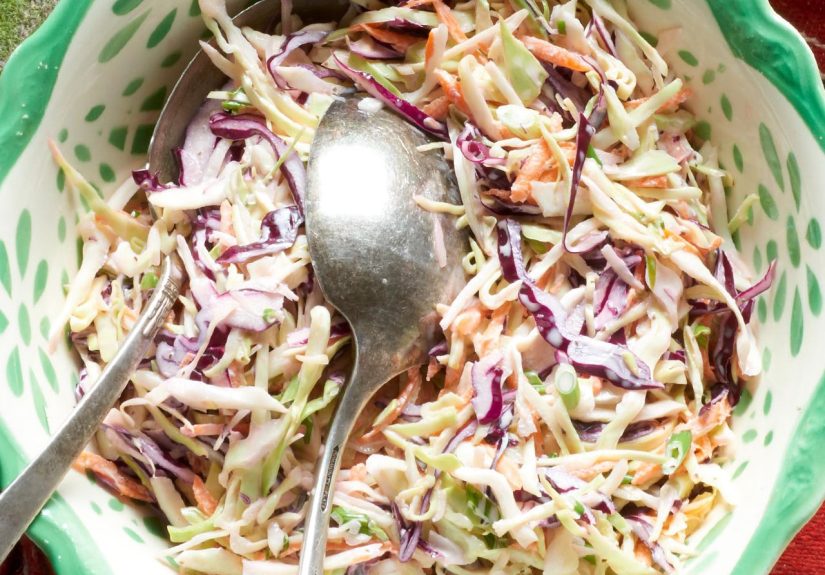
mandoline, or the slicing disk of a food processor. The goal is thin, even ribbonsthink “crunchy confetti,” not
“chew toy.”
2) Salt briefly to prevent watery slaw (the 10-minute insurance policy)
Put the shredded cabbage and carrots in a large bowl and toss with a big pinch of salt. Let it sit for
10 minutes. You’re not trying to pickle the cabbagejust encouraging it to release a little
surface moisture so your dressing stays creamy instead of turning into a diluted puddle.
After 10 minutes, you have two options:
Option A (best texture): Tip the cabbage into a colander, shake off moisture, and pat lightly with paper towels.
Option B (fast and still good): Leave it in the bowl and drain off any liquid that collects at the bottom.
3) Whisk the dressing until glossy and smooth
In a separate bowl, whisk mayonnaise, vinegar, sugar, mustard, celery seed (if using), salt, and pepper until the
dressing looks smooth and slightly thick. Taste it nowbefore it’s trapped in cabbage foreverand adjust:
- Too sharp? Add a bit more sugar or a spoonful more mayo.
- Too sweet? Add a splash more vinegar and a pinch more salt.
- Want more zip? Add a touch more mustard or extra black pepper.
4) Toss gently, then chill (your future self will thank you)
Add the cabbage mixture to the dressing and toss until evenly coated. Cover and refrigerate for
at least 1 hour. This resting time helps the flavors blend and the cabbage soften slightlywithout losing
the crunch that makes coleslaw worth inviting to the party.
5) Final taste and texture check
Right before serving, toss again. If the slaw looks a little dry (cabbage can absorb dressing as it sits), stir in
1–2 tablespoons mayo or a small splash of vinegar to refresh it. If it looks watery, drain off excess liquid and toss again.
The “Classic” Ratio (So You Can Scale This Recipe Easily)
A reliable creamy coleslaw dressing often lands around a 3:1 ratio of mayonnaise to vinegar, then you
balance sweetness and seasoning to taste. Once you understand this, you can scale up for a crowd or down for a
“just me and my sandwich” situation without doing math that feels like a pop quiz.
Quick Scaling Guide
- For 8 cups shredded cabbage: 3/4 cup mayo + 1/4 cup vinegar is a great starting point.
- For 4 cups shredded cabbage: 6 tablespoons mayo + 2 tablespoons vinegar.
- Sweetener: Start at 2 tablespoons per 3/4 cup mayo; adjust to taste.
Pro Texture Tips: Crunchy, Creamy, Never Soggy
Cut size matters more than you think
Thin shreds = easier to coat and more cohesive bites. Very thick shreds can taste “raw” and separate from the dressing.
On the flip side, shredding too finely can turn the texture into something that’s dangerously close to “cabbage spread.”
Aim for thin ribbons or fine shreds.
Chill time is not optional (unless you enjoy chaos)
Many classic methods recommend chilling coleslaw for 1–2 hours so the cabbage can “marinate” in the dressing and the
flavors can settle into something balanced and smooth. If you serve it immediately, it can taste overly sharp and
slightly disjointed (like the ingredients just met five minutes ago and haven’t exchanged phone numbers yet).
Use enough salt
Salt wakes up cabbage. Without it, coleslaw can taste flateven if the dressing is perfect. Add salt in the dressing,
then do a final seasoning after chilling. Cabbage can absorb salt and mellow the overall flavor.
Make-Ahead, Storage, and Food Safety
How far ahead can you make creamy coleslaw?
For the best balance of crunch and flavor, make it 1–6 hours ahead. You can push to the next day,
but expect softer cabbage. If you’re prepping further ahead for a cookout, you can shred the vegetables a day early
and keep them dry, then mix the dressing and combine everything a few hours before serving.
How long does coleslaw last in the fridge?
Most mayo-based slaws are at their best within 1–2 days. They can often remain safe a bit longer
when properly refrigerated in an airtight container, but quality declines: the cabbage softens and liquid can accumulate.
Use your sensesif it smells off, looks slimy, or tastes “weird,” it’s done.
Picnic rule: don’t let it sit out
Coleslaw is perishable. As a general food-safety rule, keep it chilled and don’t leave it out longer than the
standard time limits for perishable foodsespecially in hot weather. For outdoor gatherings, nest the serving bowl in
a larger bowl of ice and refill ice as needed. (Coleslaw loves summer. Bacteria love it more.)
Classic Variations (Because Coleslaw Has Range)
Deli-style extra tangy
- Use white vinegar instead of cider vinegar
- Add an extra pinch of celery seed
- Swap Dijon for yellow mustard
Southern-style extra creamy
- Add 1/4 cup sour cream
- Or add a few tablespoons buttermilk to loosen the dressing
Honey-sweet “BBQ joint” vibe
- Replace sugar with 1–2 tablespoons honey
- Add more black pepper for a peppery finish
Brighter and lighter (still creamy)
- Replace up to half the mayo with plain Greek yogurt
- Add a squeeze of lemon for lift
What to Serve With Classic Creamy Coleslaw
Coleslaw is basically the cooling system for bold, hot, smoky foods. It’s perfect with:
- Pulled pork sandwiches and barbecue ribs
- Fried chicken, chicken tenders, or grilled chicken
- Fish tacos, shrimp po’ boys, or crispy fish sandwiches
- Burgers, hot dogs, and anything that comes off a grill with confidence
- As a topping: pile it on sandwiches for crunch and tang
Troubleshooting: Fix Common Coleslaw Problems Fast
“My coleslaw is watery.”
- Drain excess liquid and toss again.
- Next time: salt the cabbage briefly and pat dry before dressing.
- Use thicker mayo and avoid overdiluting with too much buttermilk.
“It tastes too sweet.”
- Add a splash of vinegar and a pinch of salt.
- Add more black pepper or a touch more mustard to rebalance.
“It tastes too sharp/acidic.”
- Add 1–2 tablespoons mayo.
- Add a pinch more sugar or a small drizzle of honey.
- Let it chill longersharpness often mellows after resting.
“The cabbage is too tough.”
- Slice thinner next time, or chill longer so it softens slightly.
- Choose fresher cabbage; older cabbage can feel leathery.
FAQ
Is coleslaw supposed to be sweet?
Many classic American versions have some sweetness to balance vinegar and mayo. The key is restraint: sweet-tangy,
not “dessert salad.” Start small, then adjust.
Can I use bagged coleslaw mix?
Absolutely. Bagged mix is a weeknight hero. For best results, still do the quick salt-and-drain step, and consider
adding a little freshly grated carrot or onion to make it taste more “from scratch.”
What’s the best cabbage for creamy coleslaw?
Green cabbage is the classic base. Mixing in some red cabbage adds color and crunch. Napa cabbage is tender and can
soften faster, so it’s best when you’ll serve the slaw soon after mixing.
Kitchen Stories & Real-Life Coleslaw Moments (Extra 500+ Words)
If you’ve ever volunteered to “bring a side” to a cookout, you already know coleslaw is the sneaky-smart choice.
It’s affordable, it scales easily, and it makes you look like the kind of person who owns matching serving bowls.
But coleslaw also has a personality, and it will absolutely tell on you if you cut corners.
One of the most common real-world coleslaw experiences is the “I made it five minutes before guests arrived” panic.
You shred cabbage at record speed, stir together mayo and vinegar like you’re diffusing a bomb, and then realize:
coleslaw tastes better after it sits. The first bite is often a little too punchyvinegar forward, sugar still loud,
cabbage shouting “HELLO I AM RAW.” Then, an hour later, it’s magically balanced. That’s not kitchen sorcery; it’s
time doing what time does best: mellowing sharp edges and letting flavors settle into something cohesive.
Another classic moment: the coleslaw that turns watery at the worst possible time. It always happens right when you
set the bowl on the table, like the cabbage waited until it saw an audience. The fix is simpledrain, toss, and
refresh with a spoonful of mayobut the lesson sticks. Cabbage holds a lot of water, and once salt and dressing hit
it, that moisture starts migrating. This is why the quick “salt for 10 minutes” step feels like a cheat code. It’s
the difference between “creamy slaw” and “cabbage in suspicious milk.”
Then there’s the “coleslaw diplomacy” problem: someone loves it sweet, someone hates sweet slaw, and someone insists
the only correct slaw is the one their uncle made in 1997. Classic creamy coleslaw is basically edible compromise.
Start with a modest amount of sugar, let it chill, then adjust. Sweetness tends to feel stronger at first and calmer
laterso if you go heavy-handed upfront, you can’t un-sweet your way out easily. A good trick is to keep a tiny
ramekin of vinegar and a pinch of salt nearby. If the slaw tastes too sweet right before serving, a quick splash of
vinegar and a final toss can pull it back into balance without making it sour.
Coleslaw also shows up in the “leftover remix” phase of life. Day-old slaw might be softer, but it becomes a secret
weapon in sandwiches. Pile it onto pulled pork, tuck it into fish tacos, or use it like a crunchy topping for
barbecue chicken. The creaminess turns into a built-in sauce, and the tang cuts through rich foods like it was born
for the job (because it was). If you know you’ll have leftovers, you can even hold back a little dressing and stir
it in the next dayinstant refresh, and suddenly your “sad leftovers” feel like an intentional lunch.
Finally, there’s the most universal coleslaw experience: the moment you realize it’s not just a side dishit’s a
texture strategy. Barbecue and fried foods can be heavy. Coleslaw brings crunch, acid, and coolness, which makes the
whole plate feel brighter. When you get that balance rightcreamy but not gloopy, tangy but not harsh, sweet but not
candy-likepeople don’t just eat it politely. They go back for “a little more,” which is cookout language for
“please send this recipe.”