Table of Contents >> Show >> Hide
- Why This Classic Potato Salad Never Goes Out of Style
- Ingredients for Classic Potato Salad
- Classic Potato Salad Recipe: Step-by-Step
- Chef-Level Tips That Make a “Good” Potato Salad Great
- Common Potato Salad Problems (and Easy Fixes)
- Serving Ideas for BBQs, Picnics, and Potlucks
- Storage and Food Safety (Because Fun Shouldn’t Include Food Poisoning)
- Easy Variations That Still Count as “Classic”
- Conclusion
- Real-Life Potato Salad Experiences: Lessons From the Bowl
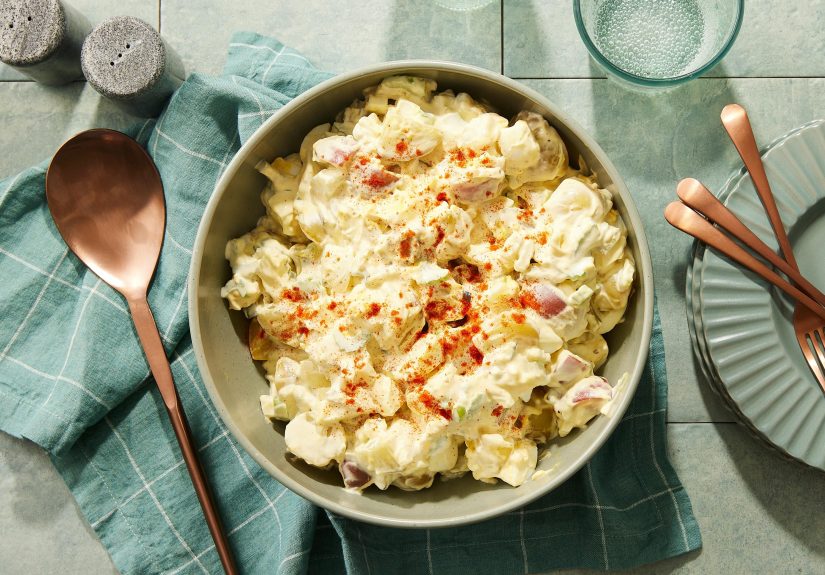
There are two kinds of people at a cookout: the ones who politely take “just a spoonful” of potato salad, and the ones who treat it like their emotional support side dish. This classic potato salad recipe is for both campscreamy, tangy, gently crunchy, and unapologetically old-school in the best way.
You’ll get a reliable, American-style potato salad with tender potatoes, a mayo-and-mustard dressing, bites of hard-boiled egg, and that sweet-salty pickle pop that makes you go back “just to even it out.” (We both know that’s a lie. You’re going back because it’s good.)
Why This Classic Potato Salad Never Goes Out of Style
A truly old-fashioned potato salad hits a very specific set of notes: creamy but not gluey, tangy but not puckering, seasoned enough that you don’t need to drown it in extra salt at the table. It’s also the ultimate potluck diplomatfriendly with burgers, BBQ chicken, ribs, sandwiches, and that one aunt’s “famous” casserole nobody understands.
The secret isn’t fancy ingredients. It’s technique: how you cook the potatoes, when you season them, and how you balance richness (mayo) with brightness (pickle brine, vinegar, or lemon).
Ingredients for Classic Potato Salad
This ingredient list is intentionally classic, with a few optional upgrades that still keep it traditional. If you’re an ingredient minimalist, stick to the core. If you’re a “one more splash of pickle juice” person… I see you. I respect you.
Core ingredients (the classic lineup)
- 2 1/2 to 3 pounds potatoes (Yukon Gold or red potatoes are ideal)
- 4 large eggs, hard-boiled and chopped
- 1 cup mayonnaise (use a good one; it’s doing heavy lifting)
- 1 to 2 tablespoons yellow mustard (classic flavor)
- 1/2 cup celery, diced (crunch insurance)
- 1/3 to 1/2 cup onion, finely chopped (sweet onion or red onion)
- 1/3 cup sweet pickle relish (or chopped pickles if you prefer less sweetness)
- 1 to 1 1/2 teaspoons kosher salt, plus more to taste
- 1/2 teaspoon black pepper, plus more to taste
- Paprika, for garnish
Optional but highly recommended (still “classic,” just smarter)
- 2 tablespoons pickle brine (adds tang and depth)
- 1 tablespoon apple cider vinegar (brightens the potatoes)
- 1 teaspoon sugar (only if you like a slightly sweeter, picnic-style vibe)
- 2 tablespoons sour cream (makes it creamy without feeling heavy)
- 1 tablespoon fresh dill or parsley (freshness without turning it into “herb salad”)
The potatoes: which kind is “best”?
If you want neat cubes that hold their shape, go with waxy potatoes like red potatoes or Yukon Gold. They stay tender without collapsing into mashed potatoes’ clingy cousin.
If you love a softer, creamier texture (some people do!), a starchy potato like russet can workbut it’s easier to overcook, and it can turn your bowl into a potato paste situation if you stir too enthusiastically.
Classic Potato Salad Recipe: Step-by-Step
Step 1: Cook the potatoes (tender, not tragic)
- Prep: If using Yukon Gold or red potatoes, you can peel or leave skins on (your call). Cut into 3/4-inch to 1-inch chunks for even cooking.
- Start in cold water: Put potatoes in a large pot and cover with cold water by about an inch. Salt the water generously (think: “pleasantly salty,” not “ocean documentary”).
- Simmer: Bring to a boil, then reduce to a steady simmer. Cook 10–15 minutes, until a fork slides in easily but the potato isn’t falling apart.
- Drain well: Drain and spread potatoes on a sheet pan or large plate for a few minutes so steam can escape. Steam is great for spas, not for salad.
Step 2: Season the potatoes while they’re still warm
This is the move that separates “fine” potato salad from “who made this?” potato salad. While the potatoes are warm (not piping hot), sprinkle with a pinch of salt and drizzle with pickle brine and/or a little vinegar. Warm potatoes absorb flavor like they’re trying to prove a point.
Step 3: Make the creamy dressing
In a large bowl, whisk together:
- 1 cup mayonnaise
- 1–2 tablespoons yellow mustard
- Optional: 2 tablespoons sour cream
- Optional: 1 teaspoon sugar
- Salt and pepper to taste
Step 4: Fold everything together (gently, like it has feelings)
- Add warm-seasoned potatoes to the bowl with the dressing.
- Fold in celery, onion, and relish.
- Fold in chopped hard-boiled eggs last to keep them from disappearing into the dressing.
If it looks slightly under-dressed right now, don’t panic. After chilling, potatoes soak up dressing. You can always add a spoonful of mayo later, but you can’t un-add mayo once you’ve created The Blob.
Step 5: Chill for peak flavor
Cover and refrigerate for at least 2 hours (overnight is even better). Before serving, taste and adjust salt, pepper, and tang (a splash of pickle brine is usually the correct answer).
Finish with a dusting of paprika and, if you’re feeling fancy-but-still-classic, a sprinkle of chopped parsley or dill.
Chef-Level Tips That Make a “Good” Potato Salad Great
1) Don’t overcook the potatoes
Overcooked potatoes fall apart, release excess starch, and turn your salad into a creamy fog. Aim for fork-tender with clean edges.
2) Cut potatoes evenly
Consistent size means consistent texture. No one wants a bowl where half the potatoes are perfect and the other half are… potato confetti.
3) Balance rich + bright
Classic potato salad works because creamy mayo gets lifted by mustard and something acidic: pickle brine, vinegar, or lemon juice. If the salad tastes flat, it usually needs salt or acidnot more mayo.
4) Make it ahead (but finish it like a pro)
Potato salad is a make-ahead champion. Just plan to do a quick “final seasoning check” after chilling. Cold food tastes less salty and less tangy than warm food, so it may need a small boost right before serving.
Common Potato Salad Problems (and Easy Fixes)
Problem: It’s bland
Fix: Add salt in small pinches, then add a splash of pickle brine or vinegar. Stir, taste, repeat. Mustard can also wake it up without changing the vibe.
Problem: It’s watery
Fix: Your potatoes may not have drained/steamed long enough. Next time, spread them out to cool briefly. For now, fold in a little extra mayo (or mayo + sour cream) and chill again.
Problem: It’s gluey or heavy
Fix: Too much stirring + starchy potatoes can do this. Lighten with a teaspoon of vinegar or lemon juice and fold gently. Also consider switching to Yukon Gold or red potatoes next time.
Problem: It tastes “too sweet”
Fix: Use dill pickles instead of sweet relish, or cut sweet relish with chopped dill pickles. Add a little mustard and black pepper to rebalance.
Serving Ideas for BBQs, Picnics, and Potlucks
- BBQ plate classic: pulled pork, baked beans, potato salad, and pickles
- Burger night: grilled burgers, corn on the cob, potato salad
- Picnic spread: sandwiches, fruit, chips, potato salad, cookies (obviously)
If you’re feeding a crowd, plan roughly 1/2 to 3/4 cup per person as a side. For a potluck where it’s competing with 17 other dishes, 1/2 cup is plenty.
Storage and Food Safety (Because Fun Shouldn’t Include Food Poisoning)
Potato salad is perishable. The key is temperature control. Food-safety guidance warns that bacteria grow quickly in the “danger zone” between 40°F and 140°F, and perishable foods shouldn’t sit out more than 2 hoursor 1 hour when it’s above 90°F.
- Keep it cold: Serve the bowl nested in a larger bowl of ice if you’re outdoors.
- Don’t “top off” the same bowl all day: Refill from the fridge in smaller batches.
- Refrigerate promptly: Store in an airtight container below 40°F.
- How long it lasts: Typically 3–5 days in the fridge if handled safely.
Easy Variations That Still Count as “Classic”
Southern-style (a little more mustard)
Add an extra tablespoon of mustard and a pinch of celery seed. Garnish with paprika and extra chopped egg. It’s still classicjust wearing a slightly louder shirt.
Dill pickle lover’s version
Swap sweet relish for chopped dill pickles and add a splash more pickle brine. Bright, salty, and extremely hard to stop eating.
Deviled-egg vibe
Add a spoonful of Dijon mustard and a pinch of smoked paprika. Same family, slightly more dramatic.
Lighter (but still creamy)
Replace 1/3 of the mayo with Greek yogurt or sour cream. You’ll keep the creamy texture, but it won’t feel as heavy on a hot day.
Conclusion
A truly classic potato salad recipe is less about strict rules and more about a few smart choices: pick a potato that behaves, season while warm, balance the creamy dressing with tang, and chill long enough for everything to get acquainted. Make it once, and it’ll quietly become the dish people request like it’s a family heirloom.
Real-Life Potato Salad Experiences: Lessons From the Bowl
If you’ve ever brought potato salad to a gathering, you already know it’s not just foodit’s a social experiment. Someone will ask, “Is it homemade?” with the seriousness of a courtroom oath. Someone else will say, “I don’t usually like potato salad,” right before taking a second scoop. And at least one person will act like the bowl belongs to them emotionally, spiritually, and possibly legally.
One universal experience: the great texture debate. Some people want tidy potato cubes that hold their shape like tiny starch soldiers. Others want it slightly smashed so it turns creamy and cohesive. The funny part? Both camps are rightdepending on the crowd. For potlucks, the “tidy cubes” style tends to win because it travels better and doesn’t turn into a single mass. For family dinners, the slightly smashed version feels nostalgic, like it came from a recipe card that smells faintly of onion and good decisions.
Another classic moment: the “it tastes better tomorrow” realization. Potato salad is one of those dishes that rewards patience. When it’s freshly mixed, it can taste a little sharp or a little flat. After a few hours in the fridge, the flavors mellow, mingle, and suddenly it tastes like the potato salad you remember from every summer picnic. This is why experienced cooks always sneak a taste the next day and do a final tweak: a pinch of salt, an extra spoonful of mayo, or (the real MVP) a splash of pickle brine to bring it back to life.
Then there’s the travel story everyone has: carrying a container of potato salad like it’s a newborn baby. You wedge it into a cooler, surround it with ice packs, and drive like you’re transporting fine art. And honestly? You kind of are. If you’ve ever opened the lid at the party and seen a perfectly chilled, intact bowl of creamy potato salad, you’ve felt that tiny, ridiculous pride that says, “Yes. I have conquered physics and mayonnaise.”
Potato salad also teaches the gentle art of seasoning without drama. Many of us have had the experience of tasting a bland potato salad and thinking, “This needs something,” then watching someone dump in more mayonnaise like that’s the only tool in the toolbox. Seasoning is rarely about adding more creaminess. It’s usually about balance: salt to wake up the potatoes, mustard for bite, and acid to cut through richness. Once you learn that, you start tasting food differentlynot just potato salad, but everything. (Congratulations, you’ve accidentally leveled up.)
Finally, there’s the most relatable experience of all: the bowl at the end of the event. If the potato salad bowl is scraped clean, you feel like you won the cookout Olympics. If there’s a little left, you wonder if you should have added more pickles. If there’s a lot left, you take it home anyway, because cold potato salad eaten straight from the container later is one of life’s quietly elite pleasures. The next time you make it, you’ll adjust one tiny thingdice the onions smaller, add more celery for crunch, toss warm potatoes with a splash of vinegar firstand it gets even better. That’s the charm: it’s classic, but it’s also yours.