Table of Contents >> Show >> Hide
Dishwashers are one of the most reliable appliances in your kitchen, saving you time and effort by cleaning your dishes at the push of a button. However, over time, these hardworking machines can accumulate mineral deposits, leading to hardwater and lime buildup. If you’ve noticed your dishes coming out streaked, or the interior of your dishwasher looking cloudy, it’s likely due to these stubborn buildups. Fortunately, cleaning your dishwasher and removing hardwater and lime deposits is easier than you think. In this guide, we’ll walk you through simple yet effective steps to restore your dishwasher to its sparkling clean best.
Understanding Hardwater and Lime Buildup
Before diving into the cleaning process, it’s important to understand what hardwater and lime buildup are and how they affect your dishwasher.
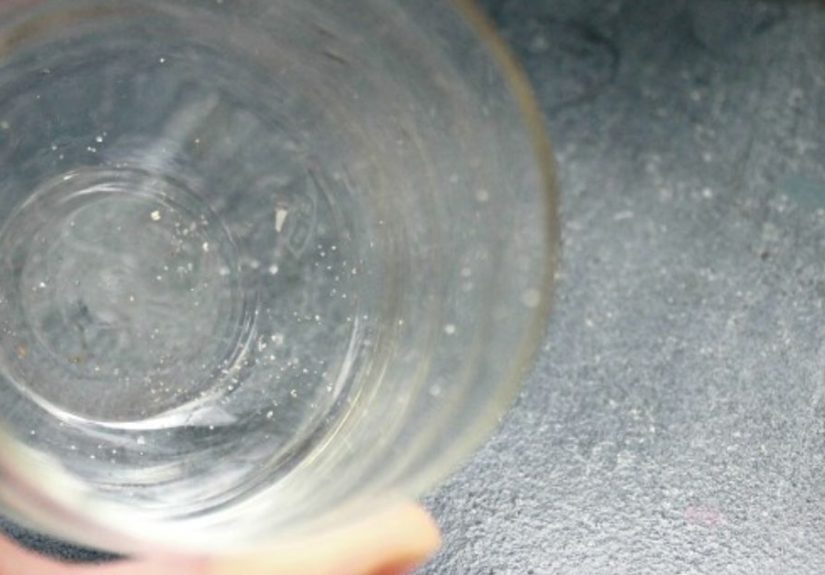
Hardwater is water that contains high levels of minerals, specifically calcium and magnesium. These minerals can leave behind white, chalky deposits, often seen on glasses, silverware, and dishes after a wash. Over time, these deposits accumulate in your dishwasher, creating unsightly buildup.
Lime buildup, on the other hand, is a specific form of hardwater deposit that occurs when minerals combine with heat. As the dishwasher heats water, the minerals bond to the metal surfaces inside the dishwasher, leading to corrosion, cloudiness, and even clogs in the system.
Signs of Hardwater and Lime Buildup in Your Dishwasher
If you suspect that your dishwasher has developed a buildup of hardwater or lime, there are a few telltale signs to look for:
- Cloudy Dishes: If your dishes come out looking dull and cloudy despite the wash cycle, it’s a clear indicator of mineral buildup.
- Water Spots: Hardwater leaves spots on glasses, especially on the surface after they’ve dried.
- Unpleasant Odors: A lingering smell may indicate mineral deposits that have built up over time inside the appliance.
- Unclogged Spray Arms: If you notice that your dishwasher isn’t cleaning properly, check the spray arms for any mineral blockages.
How to Clean Your Dishwasher and Remove Hardwater and Lime Buildup
1. Use White Vinegar for a Natural Clean
One of the best ways to tackle hardwater and lime buildup is with white vinegar. Its acidity helps break down mineral deposits, and it’s a safe, natural option that’s kind to your dishwasher.
Here’s how to use it:
- Empty your dishwasher completely. This step ensures that the vinegar can get into every crevice without interference from dirty dishes.
- Place a cup of white vinegar in a dishwasher-safe bowl or cup on the top rack of the dishwasher.
- Run the dishwasher on the hottest setting. The vinegar will help dissolve mineral deposits and deodorize the appliance.
2. Clean the Spray Arms
Mineral deposits can often clog the spray arms, making them less effective. Cleaning them is easy:
- Remove the spray arms from your dishwasher, usually by unscrewing or unclipping them.
- Rinse the spray arms under hot water and use a toothpick or small brush to clear out any mineral deposits or debris from the spray holes.
- Reinstall the spray arms once they’re clean.
3. Scrub the Dishwasher Interior
Mineral buildup can also accumulate on the walls and floor of the dishwasher. Use a damp cloth or sponge to wipe down the interior, paying particular attention to the corners and crevices. For stubborn spots, use a mixture of baking soda and water to scrub away the grime.
4. Run a Second Cycle with Baking Soda
Once the vinegar cycle is complete, sprinkle a cup of baking soda across the bottom of the dishwasher. Run another hot cycle to neutralize any remaining odors and help further remove stains and buildup.
5. Check the Filter
Don’t forget about the dishwasher filter! Over time, food debris and mineral deposits can clog the filter, affecting performance. To clean the filter:
- Locate the filter at the bottom of the dishwasher.
- Remove the filter and rinse it under warm water.
- If necessary, scrub the filter with a soft brush to remove any stuck particles.
- Reinstall the filter back into place once it’s clean.
6. Prevent Future Buildup
After cleaning, you’ll want to take steps to prevent hardwater and lime buildup from returning. Here are a few prevention tips:
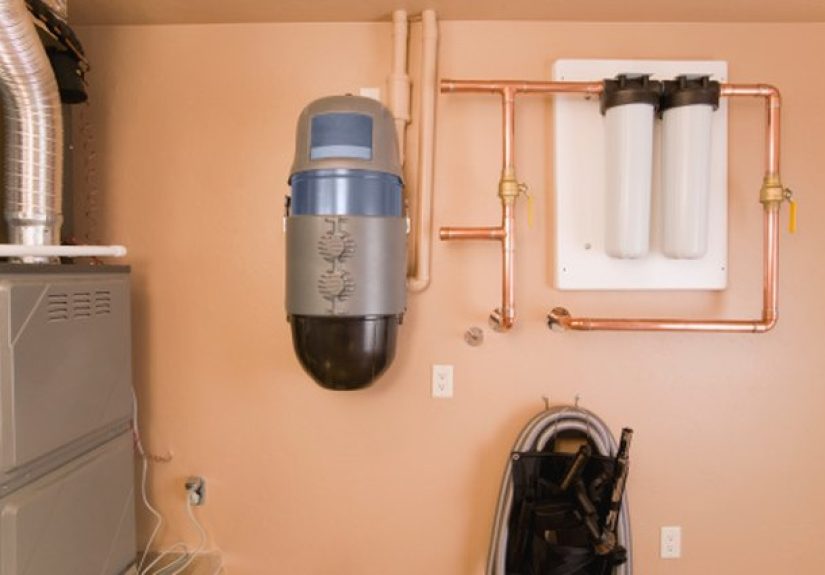
- Use a Water Softener: If you live in an area with hard water, consider installing a water softener to reduce mineral buildup.
- Run Hot Water Regularly: Ensure that the water temperature in your dishwasher is set to at least 120°F to help dissolve minerals more effectively.
- Use a Dishwasher Cleaner: Regularly use a dishwasher cleaner designed to break down mineral deposits and keep your dishwasher fresh.
Common Mistakes to Avoid When Cleaning Your Dishwasher
While cleaning your dishwasher is essential, there are a few common mistakes that you’ll want to avoid:
- Using Too Much Vinegar: While vinegar is effective, too much can damage your dishwasher’s seals and rubber components. Stick to the recommended amount.
- Neglecting the Door Seals: Mineral buildup can accumulate on the door seals as well, so be sure to wipe them down regularly with a soft cloth.
- Skipping Regular Cleaning: Cleaning your dishwasher once a year may not be enough. Ideally, you should clean it every few months to keep it in top shape.
Conclusion
Cleaning your dishwasher and removing hardwater and lime buildup doesn’t have to be a hassle. With a few simple steps and some natural cleaning solutions like white vinegar and baking soda, you can restore your dishwasher to its optimal condition. By maintaining a regular cleaning schedule, you’ll ensure that your dishwasher runs efficiently and your dishes come out sparkling clean every time. So, take a little time to clean your appliance, and enjoy a fresher, more effective dishwasher!
By following these steps, your dishwasher will run like new, free from the frustrating buildup that reduces its effectiveness. Say goodbye to cloudy dishes, spots, and mineral depositsyour clean, shiny plates are just a wash cycle away!
Experiences with Hardwater and Lime Buildup
Many people experience the frustration of hardwater and lime buildup in their dishwashers, especially if they live in areas with naturally hard water. I remember when I first noticed the cloudy, streaky dishes despite using the dishwasher regularly. At first, I thought it was a detergent issue. But after some research and a few trial-and-error cycles, I discovered the culprit: hardwater deposits.
Following a vinegar treatment and cleaning the spray arms worked wonders. The improvement was immediate. Not only did the dishwasher start cleaning more effectively, but the dishes were also free from those annoying water spots. Since then, I’ve made it a point to clean my dishwasher every few months to prevent buildup and ensure everything stays running smoothly.
Another tip I’ve learned is using a water softener, which has drastically reduced the frequency of mineral buildup. If you live in an area with hard water, investing in a water softener could save you a lot of headaches in the long run.
In conclusion, while hardwater and lime buildup can be frustrating, it’s not an impossible problem to tackle. Regular maintenance and a few household products can keep your dishwasher sparkling and efficient for years to come!
SEO Tags: