Table of Contents >> Show >> Hide
- Quick Recipe Snapshot
- What Makes Oven-Fried Chicken Actually Crispy?
- Ingredients
- Equipment You’ll Want
- Step-by-Step: Crispy Oven-Fried Chicken Thighs or Legs
- Timing Tips for Thighs vs. Drumsticks
- Flavor Variations (Same Crunch, Different Personality)
- What to Serve With Crispy Oven-Fried Chicken
- Storage and Reheating Without Sad, Soft Crust
- Troubleshooting: Why Isn’t It Crispy?!
- Real-World Kitchen Experiences (Extra ~)
- Conclusion
If deep-fried chicken is a party, oven-fried chicken is the friend who shows up on time, brings napkins, and somehow still looks amazing in photos.
This recipe is built for maximum crunch and minimum oil dramano bubbling cauldron, no “why does my kitchen smell like a state fair?”
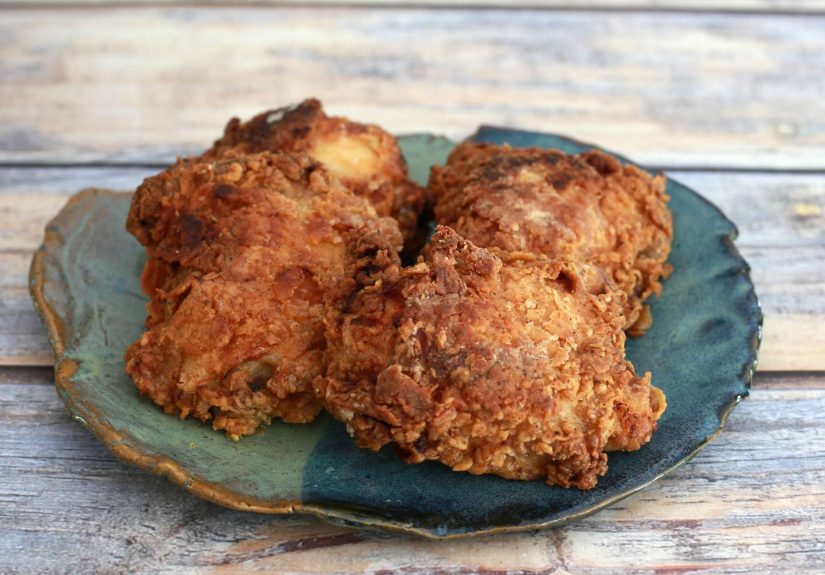
Just juicy chicken thighs or drumsticks with a shatteringly crisp coating that makes a very convincing case for seconds.
The secret isn’t one magic trickit’s a few small, unfairly effective moves: a quick buttermilk soak for flavor and tenderness, a crunchy coating with
panko and a little cornstarch, a hot oven, and a light slick of fat to help the crust brown like it means it. You’ll get crispy “fried” chicken energy,
with weeknight sanity intact.
Quick Recipe Snapshot
- Best cuts: Bone-in chicken thighs or drumsticks (skin-on or skinlessboth work)
- Hands-on time: ~20 minutes
- Marinate time: 2–12 hours (optional but highly recommended)
- Bake time: 40–55 minutes (depending on cut size)
- Oven temp: 425°F
- Goal internal temp: 165°F in the thickest part (avoid the bone)
What Makes Oven-Fried Chicken Actually Crispy?
1) Dry surface + hot air = better browning
Crispy is basically “less moisture, more browning.” Wet chicken steams. Dry chicken roasts.
That’s why we pat the chicken dry and why a wire rack helps air circulate around each piece.
2) A coating built for crunch
All flour coatings are not created equal. Adding panko brings big, jagged crumbs that crisp aggressively,
while a little cornstarch helps the crust stay light and snappy instead of dense and bready.
A pinch of baking powder (not soda) can boost crispness and browning.
3) A little fat goes a long way
Deep frying works because hot oil transfers heat fast. In the oven, we cheat: a light coating of oil (spray or drizzle)
plus a preheated sheet pan helps your crust “fry” just enough to turn golden, crunchy, and confident.
Ingredients
For the chicken + marinade
- 3 to 3½ pounds bone-in chicken thighs and/or drumsticks
- 2 cups buttermilk
- 1½ teaspoons kosher salt
- 1 teaspoon hot sauce (optional, but fun)
- 2 teaspoons Dijon mustard (optional, helps flavor + cling)
- 2 cloves garlic, finely grated (or 1 teaspoon garlic powder)
For the crispy coating
- 1 cup all-purpose flour
- 1 cup panko breadcrumbs
- 3 tablespoons cornstarch
- 1½ teaspoons baking powder
- 2 teaspoons kosher salt
- 1½ teaspoons smoked paprika (or regular paprika)
- 1 teaspoon black pepper
- 1 teaspoon onion powder
- ½ teaspoon cayenne (optionaluse your bravery level)
For baking
- 2 to 3 tablespoons neutral oil (avocado, canola, grapeseed) or 2 tablespoons melted butter
- Cooking spray (optional but helpful)
Equipment You’ll Want
- Rimmed baking sheet
- Wire rack that fits inside the sheet (oven-safe)
- Instant-read thermometer (for stress-free doneness)
- Two shallow bowls (marinade + dredge station)
- Tongs (because fingers deserve better)
Step-by-Step: Crispy Oven-Fried Chicken Thighs or Legs
Step 1: Marinate (2 hours to overnight)
- In a large bowl (or zip-top bag), mix buttermilk, salt, hot sauce, mustard (if using), and garlic.
- Add chicken and toss to coat. Cover and refrigerate at least 2 hours, up to 12 hours.
(Short on time? Even 30–45 minutes helps. Not ideal, but still tasty.)
Step 2: Heat the oven and the pan
- Set oven to 425°F. Place a rack in the middle position.
- Put the wire rack on top of the baking sheet. Drizzle the sheet with oil (or add melted butter).
Slide the whole setup into the oven while it preheatsyes, preheating the pan is part of the crisp plan.
Step 3: Mix the coating
In a wide shallow bowl, whisk together flour, panko, cornstarch, baking powder, salt, paprika, pepper,
onion powder, and cayenne. Take a second to sniff it. That’s the smell of “people asking for the recipe.”
Step 4: Dredge like you mean it
- Remove chicken from the buttermilk and let excess drip off (don’t wipe it bone-dry; a thin film helps the coating stick).
- Press chicken into the coating on all sides. Really pressthis is not the time for gentle encouragement.
- Place coated pieces on a plate while you finish dredging the rest.
Optional but excellent: let them sit 10 minutes so the coating hydrates and clings better.
Step 5: Bake until crispy and cooked through
- Carefully remove the hot pan from the oven. Lightly spray the wire rack with cooking spray (or brush with oil)
to reduce sticking. - Arrange chicken on the rack with space between pieces (crowding = steaming, and steaming is the enemy of crisp).
- Lightly spray or drizzle the tops with oil. This helps browning and gives “fried” vibes without a fryer.
- Bake 25 minutes, then flip. Bake another 15–25 minutes, until deeply golden and the thickest part hits 165°F.
- Rest 5–10 minutes before serving. The crust sets, the juices settle, and everyone calms down.
Timing Tips for Thighs vs. Drumsticks
- Drumsticks: Often 45–55 minutes total at 425°F (they’re dense and love taking their time).
- Thighs: Often 40–50 minutes total at 425°F (varies by size).
- Non-negotiable: Use a thermometer. The crust can look done before the chicken is actually safe and juicy.
Flavor Variations (Same Crunch, Different Personality)
Spicy “Nashville-ish” Finish
Mix 2 tablespoons hot oil (or melted butter) with 1 teaspoon cayenne, 1 teaspoon brown sugar, and a pinch of salt.
Brush lightly over baked chicken. It’s bold, a little sweet, and absolutely not subtle.
Parmesan-Panko Upgrade
Swap ¼ cup of the panko for finely grated Parmesan. Expect extra savory crunch and lots of people hovering around the pan.
Herby Ranch Energy
Add 1 teaspoon dried dill and 1 teaspoon dried parsley to the coating. Serve with ranch or a quick yogurt dip.
Gluten-Free Option
Use a gluten-free all-purpose flour blend and gluten-free panko. Keep the cornstarch. Keep the confidence.
What to Serve With Crispy Oven-Fried Chicken
- Classic: Coleslaw, biscuits, pickles, corn on the cob
- Cozy: Mashed potatoes, mac and cheese, green beans
- Fresh: Big salad with something crunchy (cucumbers, radishes) and something tangy (lemony vinaigrette)
- Spicy night: Hot honey drizzle, extra hot sauce, and a cooling dip
Storage and Reheating Without Sad, Soft Crust
Storing
Refrigerate leftovers in an airtight container for up to 3–4 days. If you can, place a paper towel underneath to catch moisture.
Reheating
Best method: reheat on a wire rack over a sheet pan at 400°F for 12–18 minutes until hot and re-crisped.
Microwaves are fine for soup. For crispy chicken, the oven is your friend.
Troubleshooting: Why Isn’t It Crispy?!
“My coating fell off.”
Usually: too wet, too rushed, or flipped too early. Let excess buttermilk drip off, press coating firmly,
and let the coated chicken rest 10 minutes before baking so it bonds.
“It’s browned but not crunchy.”
Check crowding and oil. Give pieces space and lightly spray/drizzle the tops. Also confirm your oven temp425°F matters.
If your oven runs cool, crispness gets… shy.
“The bottom is soggy.”
Use the wire rack. Also make sure the rack is truly elevated and not sitting in pooled drippings.
Airflow is the crispy fairy godmother here.
“It’s crispy but dry.”
Overcooked or under-marinated. Dark meat is forgiving, but it still wants respect. Pull at 165°F and rest.
And consider a longer buttermilk soak next time.
Real-World Kitchen Experiences (Extra ~)
If you’ve ever made oven-fried chicken once and thought, “Cool, but why wasn’t it crispy?”welcome to the club.
The good news is that almost everyone’s first attempt teaches the same lessons, and they’re surprisingly fixable.
The biggest one? Oven-fried chicken has a tiny window where it goes from “breaded chicken” to “wait… is this fried?”
and that window opens when heat, airflow, and a touch of fat finally agree to cooperate.
A very common experience: the chicken looks gorgeous at minute 30, then you pull it early because the coating is brown and your stomach is doing
a drumroll. You bite in, and the crust is tasty… but it has the texture of a cozy sweater. That’s the moment you learn that color isn’t the same as crisp.
Crisp happens when moisture keeps leaving the crust. If you stop the bake too soon, steam hangs around and the coating stays a little soft.
Let it go a bit longer, and you’ll hear that satisfying tap-tap sound when tongs touch the crust.
Another classic scene: someone stacks the chicken on a plate “just for a minute,” and that minute becomes a warm, steamy sauna.
Suddenly the bottom pieces are soggy, and you’re staring at the plate like it betrayed you personally.
The fix is simple: rest the chicken on a wire rack (even after baking) so air can circulate, and keep pieces separated.
Crispy coating loves breathing room. It is, emotionally, an introvert.
Then there’s the “coating fell off” heartbreak. That usually comes from one of two moments:
(1) the chicken was dripping-wet, or (2) it was flipped before the crust had time to set.
A short resting period after dredgingjust 10 minutesfeels like a boring pause, but it’s actually a glue-up step.
The coating absorbs a little moisture, hydrates, and clings better. It’s the culinary equivalent of letting paint dry before touching it.
Hard concept. Important concept.
People also discover their oven has… opinions. Some ovens run hot, some run cool, and some have mystery gusts that brown the back-left corner
like it’s auditioning for a tanning commercial. The practical experience tip is to rotate the pan halfway through baking.
If one side is browning faster, rotate sooner. You’re not just cooking chickenyou’re managing an atmosphere.
Finally, there’s the joy of dialing in seasoning. Oven-fried chicken can taste bland if you only season the outside lightly.
In real kitchens, the most reliable move is to season the marinade and the coating. That way you’re building flavor in layers,
not hoping the last sprinkle of salt will carry the entire plot. Once you nail it, this recipe becomes the kind of thing you make on repeat:
game day, busy weeknights, “I need comfort food but I also need my kitchen not to look like a fryer exploded” nights.
And yespeople will ask if you fried it. You are allowed to smile mysteriously and say, “No comment.”
Conclusion
Crispy oven-fried chicken thighs or legs are proof that you can get real crunch without deep-frying your entire evening.
Stick to the few crisp-making fundamentalsmarinate for flavor, build a crunchy coating, bake hot on a rack, and cook to temperatureand you’ll end up
with chicken that’s juicy inside, crackly outside, and suspiciously popular at the dinner table.