Table of Contents >> Show >> Hide
- Why “Current Obsessions” Hit Different When You’re a Mom
- Mum’s-the-Word Obsessions That Moms Are Quietly Loving Right Now
- The Psychology of Obsession (And Why It’s Not Always a Bad Thing)
- “Mum’s the Word” in the Most Literal Sense: A Quick Love Letter to Mums
- How to Build Your Own “Current Obsessions” List (Without Turning It Into Homework)
- Experiences: Mum’s the WordA Week of Quiet Obsessions (And Why I’m Not Sorry)
- Conclusion: Keep the Good Stuff, Whisper the Rest
Mum’s the word usually means “keep it quiet,” but today we’re bending the phrase in two delightfully useful directions: (1) the hush-hush little things moms are obsessed with right now, and (2) those cheerful fall flowers literally called mums that show up like confetti the second a pumpkin spice latte enters the chat.
This is a deep dive into the modern “current obsessions” phenomenonwhy it happens, what it looks like for real families, and how to build a list of favorites that adds joy instead of more items to step over in the hallway. Expect practical tips, specific examples, and the occasional wink. Because if anyone has earned the right to be obsessed with something small and delightful, it’s the person who knows the Wi-Fi password, the pediatrician’s fax number, and which kid will only eat the “blue spoon.”
Why “Current Obsessions” Hit Different When You’re a Mom
1) Time is the rarest currency in the house
Before kids, an obsession could be a hobby. After kids, an obsession is often a solution. Moms don’t just love thingsthey love things that save five minutes, prevent a meltdown, reduce clutter, or make Tuesday feel less like a spreadsheet. A great “mom obsession” isn’t just cute; it’s functional magic.
2) The mental load is real (and it has a return address)
The “mental load” is the invisible behind-the-scenes work of running a householdplanning, anticipating, tracking, scheduling, remembering, noticing, coordinating. It’s not only the doing; it’s the thinking about the doing. When that cognitive workload stacks on top of paid work, caregiving, and everything else, it’s no surprise that moms become deeply attached to anything that lightens the load even a little.
3) Moms are the original product reviewers
Parents have always swapped tips, but the modern version happens at group texts, school pickup, neighborhood Facebook groups, and late-night scrolling. One mom tries a trick that works, tells two other moms, and suddenly you’ve got a micro-trend that spreads faster than glitter after a craft project.
Mum’s-the-Word Obsessions That Moms Are Quietly Loving Right Now
Consider this a menu, not a mandate. Pick what fits your life, ignore what doesn’t, and feel free to be obsessed with something wildly specific (like a pen that writes smoothly on permission slips). That’s not “extra.” That’s survival with style.
Obsessions that buy you back time
- Shared family calendars that actually get used: Color-coded events, reminders, and one place to put “Spirit Day: neon socks” so it doesn’t ambush you at 7:12 a.m.
- Grocery pickup and delivery: Not glamorous, but neither is realizing you’re out of sandwich bread at the exact moment lunch needs to exist.
- Meal “templates” instead of meal plans: Taco night, sheet-pan night, breakfast-for-dinner night. The goal is fewer decisions, not culinary perfection.
- Automatic subscriptions (with boundaries): Diapers, wipes, pet food, detergentanything that prevents the “How are we out of this again?” mystery.
Obsessions that reduce decision fatigue
- The capsule-ish wardrobe: Not a rigid uniformmore like a “this all matches” system. Fewer clothing decisions means more brainpower for the decisions that matter (or at least the decisions that involve other people’s emotions).
- A go-to two-minute face: Tinted moisturizer, mascara, something for brows. Fast enough to do while someone asks you seventeen questions about toast.
- Repeatable routines: A simple morning flow, a predictable bedtime rhythm, a Sunday reset. Routines don’t remove chaos, but they give it guardrails.
Obsessions that create calmer noise (literally and emotionally)
- “Softening the house”: Rugs, curtains, felt pads, baskets, and any item that lowers the overall clatter level. Less echo can feel like less stress.
- Headphones or earplugs for sensory relief: Not to ignore your familyjust to turn the volume down on the parts of life that don’t need to be at 100%.
- A five-minute “reset zone”: One basket near the entry or kitchen that catches the day’s loose papers and mystery items, so they don’t migrate into every room like tiny fugitives.
Obsessions that make home feel like you again
Some mom obsessions aren’t about efficiency. They’re about identitylittle reminders that you’re a person, not just a highly capable logistics department.
- One small design upgrade: A better lamp, a new shower curtain, upgraded bedding, a vase that doesn’t tip over when the cat sneezes. Tiny changes can make a space feel cared for.
- A “third place” ritual: A walk, a library stop, a yoga class, a coffee shop, a quiet corner of the backyard. Somewhere that isn’t work or caretaking.
- Micro-hobbies: Ten minutes of knitting, reading, journaling, gardening, sketchingsmall enough to fit real life.
The Psychology of Obsession (And Why It’s Not Always a Bad Thing)
Obsession gets a bad reputation, but in normal doses it can be a healthy response to stress. When life feels big and messy, the brain often craves something it can control: a system, a routine, a favorite product, a satisfying habit. That’s not sillyit’s your nervous system trying to find traction.
When an obsession is helpful
- It saves time, energy, or money.
- It reduces conflict (“Everyone knows where shoes go now.”)
- It creates comfort or pleasure.
- It supports your health (sleep, movement, social connection).
When an obsession turns into another stressor
- It creates guilt (“If I don’t do this perfectly, I’m failing.”)
- It becomes a spending spiral.
- It adds clutter or more tasks.
- It replaces rest instead of supporting it.
A simple checkpoint: Does this obsession give me more capacityor demand more capacity? If it gives, keep it. If it takes, edit it down.
“Mum’s the Word” in the Most Literal Sense: A Quick Love Letter to Mums
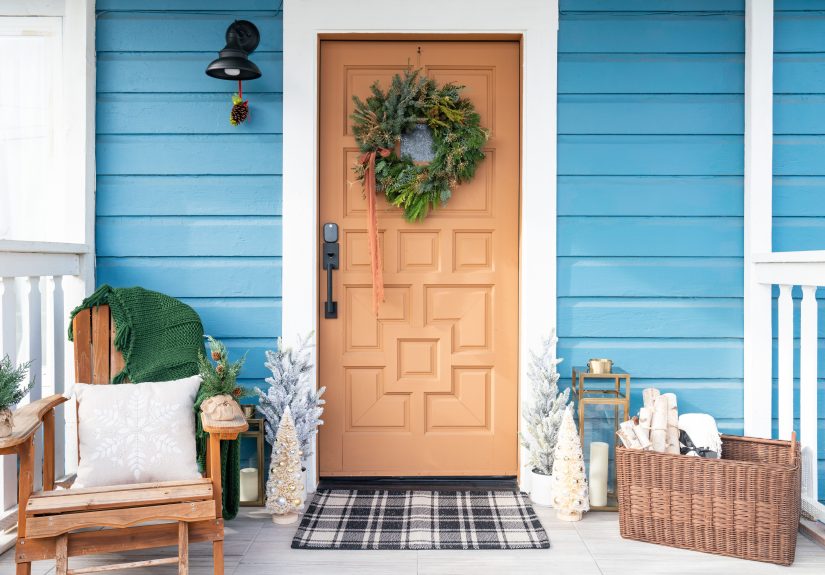
Now for the pun you’ve been waiting for: chrysanthemumsaka mumsare practically the official flower of “cozy season.” They show up in grocery stores, garden centers, and front porches like they own the place (and honestly, they kind of do).
How to keep your mums alive long enough to feel emotionally validated
- Light matters: Most mums do best with plenty of sunthink full sun or at least strong morning light for several hours a day.
- Drainage is non-negotiable: If the pot holds water like a bathtub, the roots will suffer. Choose containers with drainage holes and avoid letting them sit in standing water.
- Water at the base: Aim water at the soil near the roots rather than soaking the foliage. It’s a small habit that can prevent common problems.
- Don’t let them swing wildly between “bone dry” and “flooded”: Consistent moisture (not soggy) helps blooms last longer.
Bonus: mums are a great metaphor for mom life. They’re hardy, they show up when seasons change, and they somehow keep blooming even when everyone forgets they have needs.
How to Build Your Own “Current Obsessions” List (Without Turning It Into Homework)
If you’ve ever tried to “optimize” your life and ended up with three new apps and less sleep, this section is for you.
Step 1: Pick one friction point
Choose the most annoying recurring problem in your week. Not your biggest life problemjust the daily sand-in-your-shoes thing. Examples: morning chaos, lunch prep, after-school clutter, bedtime battles, or the endless hunt for scissors.
Step 2: Match it to the right kind of obsession
- Time friction → simplify (templates, repeats, automation)
- Mess friction → contain (baskets, zones, labels)
- Decision friction → limit options (capsules, defaults)
- Energy friction → protect it (rest rituals, boundaries)
Step 3: Try it for 14 days
Two weeks is long enough to see results and short enough to quit without drama. If it works, keep it. If it doesn’t, you didn’t “fail.” You just ran a trial.
Step 4: Keep a “quiet wins” note
When something makes your day easierwrite it down. The perfect obsession list is basically a collection of tiny victories: the snack that buys you peace, the routine that makes mornings smoother, the tool that stops the Friday panic.
Experiences: Mum’s the WordA Week of Quiet Obsessions (And Why I’m Not Sorry)
Here’s what nobody tells you about motherhood: you become a collector of tiny comforts. Not because you’re materialistic, but because your days are built from a hundred micro-momentssome chaotic, some tender, some impossibly loud. And if a small thing makes a micro-moment easier, it earns a permanent spot in your heart (and possibly your online shopping cart).
On Monday, my current obsession was a calendar reminder that simply said: “Check backpack.” That’s it. Two words. And yet, it saved me from the classic trap of discovering a permission slip with a due date that was apparently yesterday. The thrill wasn’t just being preparedit was the feeling of not being chased by time for once. I know that sounds dramatic, but moms will understand: time doesn’t pass, it sprints.
By Tuesday, I was obsessed with a “landing zone” basket by the door. It wasn’t fancy. It didn’t match the decor perfectly. But it swallowed the daily avalanchepapers, a lone mitten, a tiny toy that apparently cannot be separated from its owner, and a receipt I didn’t remember accepting. The basket didn’t make my home perfect. It made my home manageable. That’s a love language.
Wednesday’s obsession was food, because of course it was. I discovered that rotating a few reliable “meal templates” was less exhausting than trying to invent dinner like I’m hosting a cooking show. One night became “sheet-pan everything,” another became “tacos in any form,” and suddenly dinner wasn’t a moral test of my worthiness. It was just dinner. The children still negotiated bites like tiny attorneys, but I felt calmerwhich counts as a win.
Thursday hit with the kind of sensory overload that makes you want to crawl into a quiet closet and emerge only when everyone has learned to speak at library volume. My obsession that day was lowering the noise: a rug that softened footsteps, a curtain that dampened echo, and a few minutes with headphones while I did something boring. It wasn’t escape. It was regulation. The funny thing is, once my nervous system relaxed, I was more patient and more present. Quiet isn’t a luxury; it’s maintenance.
Friday’s obsession was a small, almost silly personal ritual: making the bed like I meant it. Not perfectionjust smoothing the sheets and fluffing the pillow in a way that made the room feel welcoming. It took less than two minutes. But later, when the day had been long and my brain felt like a browser with 37 tabs open, walking past a tidy bed made me breathe easier. That’s the secret power of tiny obsessions: they don’t fix your life, they steady it.
And then the weekend arrived and brought the most literal obsession of all: mums on the porch. A burst of color right at the entrylike a cheerful bouncer saying, “Welcome home. You’re doing fine.” I watered them carefully, mostly at the base, and promised myself I’d keep them alive this year. Not because the plant’s survival determines my value (it does not), but because it’s nice to nurture something that doesn’t talk back. Mums don’t need a long explanation. They just need light, water, and a little consistency. Honestly? Same.
Conclusion: Keep the Good Stuff, Whisper the Rest
“Current obsessions” aren’t shallow. They’re cluesabout what you need, what you love, and what your life is asking for right now. Sometimes the obsession is a shortcut. Sometimes it’s a boundary. Sometimes it’s a flower on the porch that makes you feel like a human again.
So yes: mum’s the word. Keep your best obsessions close. Share them with the friends who get it. And let the rest of the world think you’ve got it all togetherbecause they don’t need the full behind-the-scenes documentary anyway.