Table of Contents >> Show >> Hide
- What Is Cutaneous Larva Migrans?
- How People Get It: The “Beach + Bare Skin” Equation
- Signs and Symptoms
- What It’s Not: Common Look-Alikes
- Diagnosis: How Clinicians Identify CLM
- Treatment Options
- How Long Does CLM Last?
- Complications: What Can Go Wrong?
- Prevention: Keep the Larvae Off Your Skin
- Quick FAQ
- Experiences: What People Commonly Notice (and What Helps)
- Conclusion
You’re having a perfectly normal day, and then your skin decides to audition for a “mystery squiggle” documentary.
A red, itchy line appears. It seems to move. You didn’t draw it with a marker, and noyour body is not
becoming a live GPS route. If that winding, creeping rash showed up after time on sand or soil (especially warm,
moist places), you might be dealing with cutaneous larva migransoften nicknamed
creeping eruption.
The good news: this is usually treatable and preventable. The better news: you can lower your odds with a few
simple habits (and yes, you can still enjoy the beachjust be smarter than the sand).
What Is Cutaneous Larva Migrans?
Cutaneous larva migrans (CLM) is a skin condition caused by hookworm larvae (most commonly from
dogs and cats) that get into the outer layer of human skin. Humans are basically the “wrong host,” so the larvae
can’t mature into adult worms in your body. Instead, they wander around near the skin surface, creating a
distinctive, itchy, winding track.
Think of it like this: the larvae are tiny and determined… but also terrible at directions. They can’t complete
their life cycle in humans, so they migrate in the skin for a while and eventually die off. That’s why CLM is
often described as self-limitedbut “self-limited” doesn’t mean “pleasant,” especially when the itch is
trying to win an Olympic medal.
How People Get It: The “Beach + Bare Skin” Equation
CLM typically happens when bare skin touches soil or sand contaminated with animal feces that contain hookworm
eggs or larvae. Warm, moist environments help larvae survive, which is why this shows up more often in tropical
and subtropical climates, and in places where animals (including stray dogs and cats) frequent beaches, parks,
and sandy areas.
Common exposure scenarios
- Walking barefoot on sandy beaches, especially near dunes or areas where animals roam
- Sitting or lying directly on sand without a towel or mat
- Gardening or yard work in warm, damp soil with bare hands or feet
- Kids playing in sandboxes that aren’t covered (animals love an open buffet)
- Travel to beach destinations where hookworm exposure is more common
Signs and Symptoms
CLM is famous for a very specific “look.” If rashes had signature dances, CLM’s would be the slow-moving,
squiggly line that refuses to leave the stage.
The classic sign: a creeping, serpiginous track
The most recognizable symptom is an itchy, red, raised track that looks snake-like
(doctors may call it “serpiginous”). The track can slowly extend as the larvae move. Many people describe:
- Intense itching (pruritus), often worse at night or after heat/sweating
- Red, winding, slightly raised lines that gradually lengthen
- Small blisters or bumps near the track in some cases
- A “moving” rashnot minute-to-minute, but noticeable over a day
Where it shows up most
CLM usually appears on areas that touched the ground or sand directly:
feet, toes, ankles (classic barefoot beach zone),
buttocks (hello, sitting-on-sand moment),
hands (gardening, kids, beach digging),
and sometimes legs or back.
How fast does it move?
CLM often advances graduallymany references describe movement on the order of
about 1–2 centimeters per day, though it can vary.
If a rash seems to race across the skin dramatically faster, clinicians may consider other causes.
One important look-alike is larva currens (related to Strongyloides infection),
which tends to move much more quickly than CLM.
Symptoms that suggest “don’t just wait it out”
CLM is often limited to the skin, but you should get medical advice sooner if you notice:
- Spreading redness, warmth, swelling, pus, or increasing pain (possible bacterial infection)
- Fever or feeling unwell
- Rash near the eyes
- Severe itch causing sleep loss or skin breakdown from scratching
- Pregnancy, immunocompromise, or a very young child (treatment choices may differ)
What It’s Not: Common Look-Alikes
A winding rash is attention-grabbing, but a few conditions can mimic CLM. A clinician may consider:
- Contact dermatitis (new soap, plants, sunscreen, seaweeditchy but usually not “migrating”)
- Scabies (tiny burrows, often in finger webs/wrists; usually household spread)
- Tinea (fungal infection) (ring-like rash; tends to expand but not as a thin wandering track)
- Insect bites (clusters of itchy bumps rather than a traveling line)
- Larva currens (typically faster movement than CLM)
Diagnosis: How Clinicians Identify CLM
CLM is often diagnosed clinicallymeaning the pattern and your story do a lot of the work. A clinician will
typically ask about:
- Recent beach trips or soil exposure
- Barefoot walking or lying directly on sand
- Time since exposure and whether the rash appears to creep
- Location of the track (feet, buttocks, hands are common)
Lab tests usually aren’t necessary for straightforward cases. The key is recognizing the signature track and
matching it to exposure risk. If the presentation is unusual, widespread, or not responding to typical treatment,
a clinician may consider other diagnoses or refer to dermatology.
Treatment Options
Even though CLM can resolve on its own over weeks, treatment is often recommended because it can:
reduce itch, shorten the course, and lower the risk of secondary infection
from scratching.
Prescription antiparasitic medications
The most commonly used treatments include albendazole or ivermectin. Some cases may
be treated with topical thiabendazole (especially when disease is localized and topical therapy is available).
These are prescription medicationsyour clinician will choose the best option based on age, pregnancy status,
overall health, and how extensive the rash is.
If you’re the type who likes a clear “this or that,” here’s a practical way clinicians often think about it:
- One or a few localized tracks: topical therapy may be considered if readily available
- Multiple tracks, severe itch, or widespread involvement: oral therapy is often preferred
- Need for simplicity: oral ivermectin is commonly used because it may be given as a single dose in many cases
Itch relief while treatment kicks in
The itch can be the worst part, so symptom control matters. A clinician may suggest:
- Cold compresses (simple, underrated, surprisingly effective)
- Oral antihistamines for itch (especially at night)
- Topical corticosteroids to calm inflammation (as directed)
- Keeping nails short to reduce skin damage from scratching
What not to do (seriously)
CLM has inspired some… creative internet ideas. Skip these:
- Bleach, gasoline, or harsh chemicals on the skin (dangerous and can cause burns)
- Digging or “cutting it out” (risk of infection and scarring; the larva isn’t sitting still anyway)
- DIY freezing with non-medical products (injury risk; not reliably effective)
How Long Does CLM Last?
Without treatment, CLM often resolves over weeks as the larvae eventually die. That said, “weeks”
can feel like a long time when you’re itchy. With appropriate therapy, many people feel relief faster and the
migration stops sooner.
Complications: What Can Go Wrong?
CLM is usually confined to the skin, but complications can happenmost commonly due to
scratching. Broken skin can invite bacteria, leading to secondary bacterial infection.
Rarely, some people may have more widespread reactions or other complications described in medical literature.
If you develop signs of infection (spreading redness, warmth, pus, increasing pain) or systemic symptoms (fever),
get medical care.
Prevention: Keep the Larvae Off Your Skin
Prevention is refreshingly low-drama. You don’t need a hazmat suitjust a few smarter defaults.
Beach and outdoors habits
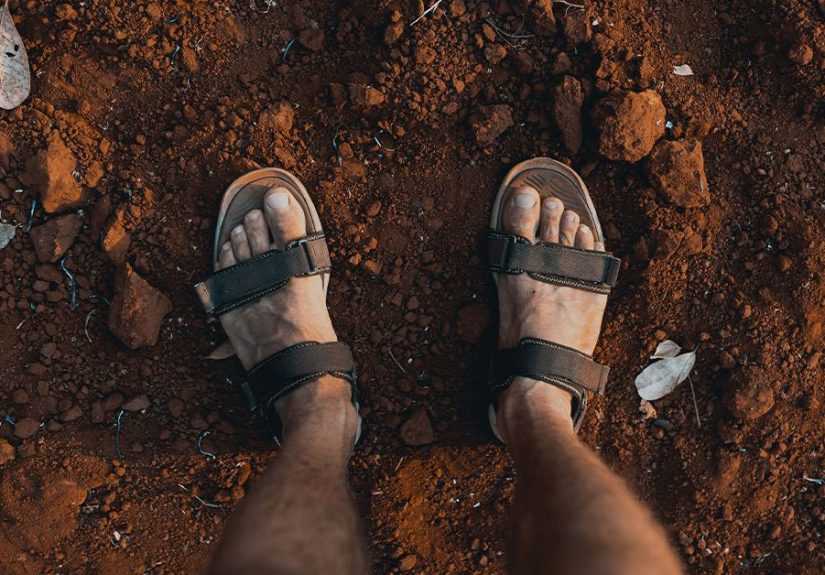
- Wear sandals or water shoes on sand and soil, especially in warm climates
- Use a towel, blanket, or beach matavoid lying directly on sand
- Avoid areas with animal feces (yes, even if the sunset is cute there)
- Rinse off after beach time and change out of wet clothes promptly
Pet-related prevention (the underrated MVP)
Since animal hookworms are often the original source, community prevention matters too:
- Keep pets on a vet-recommended deworming schedule
- Pick up pet waste promptly (your yard and your neighbors will thank you)
- Cover sandboxes when not in use to keep animals out
Travel checklist (especially for beach trips)
- Sandals/water shoes
- Beach mat or large towel
- Small first-aid kit (including anti-itch options)
- Plan for medical care if a rash appears after travel (urgent care/telehealth can often handle it)
Quick FAQ
Is cutaneous larva migrans contagious?
Not in the typical person-to-person way. You generally get it from contact with contaminated sand or soil, not
from touching someone who has it.
Can the larva spread deeper into my body?
In CLM, the larvae usually stay in the superficial skin because humans are an accidental host. The main issue is
discomfort and skin irritation, plus possible infection from scratching.
Do I need to treat it if it can go away on its own?
Many clinicians recommend treatment to speed recovery, reduce itching, and lower the chance of secondary skin
infection. If you’re unsure, ask a healthcare professionalespecially for kids, pregnancy, or extensive rashes.
What kind of doctor should I see?
Primary care, urgent care, travel medicine, or dermatology can all diagnose and treat CLM. If the rash is
confusing or not improving, dermatology can be especially helpful.
Experiences: What People Commonly Notice (and What Helps)
People who get CLM often describe the experience as “equal parts weird and itchy.” The rash can feel like it has
a mind of its ownbecause, in a way, it does. A common story starts with a fun day: a beach vacation, a weekend at
a lake, helping in a backyard garden, or kids building sand castles like they’re applying for a tiny architecture
award. Then a day or two later (sometimes sooner, sometimes later), an itch starts in one spot. At first it can
look like a small red bumpeasy to dismiss as a mosquito bite or irritation from sand.
The “aha” moment for many people is noticing a line rather than a simple bump. Some describe it
as a squiggle, a winding path, or a thin raised ridge. It may lengthen gradually over a day, and that’s when
folks realize it isn’t acting like a typical rash. Parents sometimes spot it on a child’s foot after a beach day
and think it’s a scratchuntil it seems to “extend” beyond where a scratch should end. Travelers frequently
notice it after returning home, which can add a fun twist of confusion: “How did I get a beach rash in January?”
(Answer: your skin filed the paperwork late.)
When people seek care, they often say the itch is the part that pushes them over the edge. It can disrupt sleep,
especially if the track is on the foot or ankle where socks rub. Scratching can become almost automatic, and
that’s where trouble can startbroken skin increases the risk of bacterial infection. Many people report that
simple measures like cold compresses help temporarily, and that keeping the area clean and dry
makes it less angry. Others notice heat makes it worsehot showers, sweaty shoes, or a warm bed can amplify itch.
Once appropriate treatment starts, people often describe a shift from “intense itch + creeping line” to “itchy
but calming down.” Some report that the track stops advancing first, and the redness fades later. It’s also
common for people to feel relieved just having a name for it. “Creeping eruption” sounds like a horror movie
title, but it’s oddly comforting when it means there’s a known cause and a straightforward plan.
Prevention experiences are just as real: after one CLM episode, many people become loyal to the beach towel like
it’s a best friend. They pack a mat, wear sandals more consistently, and avoid sitting directly on sandespecially
in areas where stray animals hang out. Parents often start covering sandboxes and become much more diligent about
pet deworming and picking up waste in the yard. The takeaway from these lived experiences is simple:
CLM is memorablebut it’s also avoidable with habits that barely interfere with fun.
Conclusion
Cutaneous larva migrans can be startling (a moving rash is not on anyone’s bucket list), but it’s usually
manageable with the right treatment and a little itch strategy. If you’ve got an intensely itchy, winding track
especially after sand or soil exposuredon’t waste energy on harsh DIY fixes. Get a proper evaluation, follow a
clinician’s treatment plan, and focus on prevention next time: footwear, beach mats, and good pet hygiene go a
long way.